



 Home
HomeCloth vs. Leather vs. Paper: Choosing the Right Texture for Your Genre
 May 20,2026

 SESE
SESE
Cloth vs. Leather vs. Paper: Choosing the Right Texture for Your Genre
In the digital age, the physical book has transformed from a mere vessel for information into a collectible artifact. The journey of a reader begins long before the first chapter; it starts at the fingertips. The texture of a book cover is one of the first impressions a reader experiences. Beyond aesthetics, it communicates the tone, genre, and quality of your work. For independent authors, boutique publishers, and luxury brands, selecting the right cover material—cloth, leather, or paper—is a key decision in creating a memorable, high-end edition. The choice influences not only durability and printing possibilities but also how readers interact with the book, whether flipping through pages, displaying it on a shelf, or gifting it to a collector.
Premium custom printing and finishing allow authors to elevate their work, ensuring that every detail—from cover texture to embossing and foiling—reflects the story’s mood and audience expectations.
1. Cloth Covers: Classic Elegance
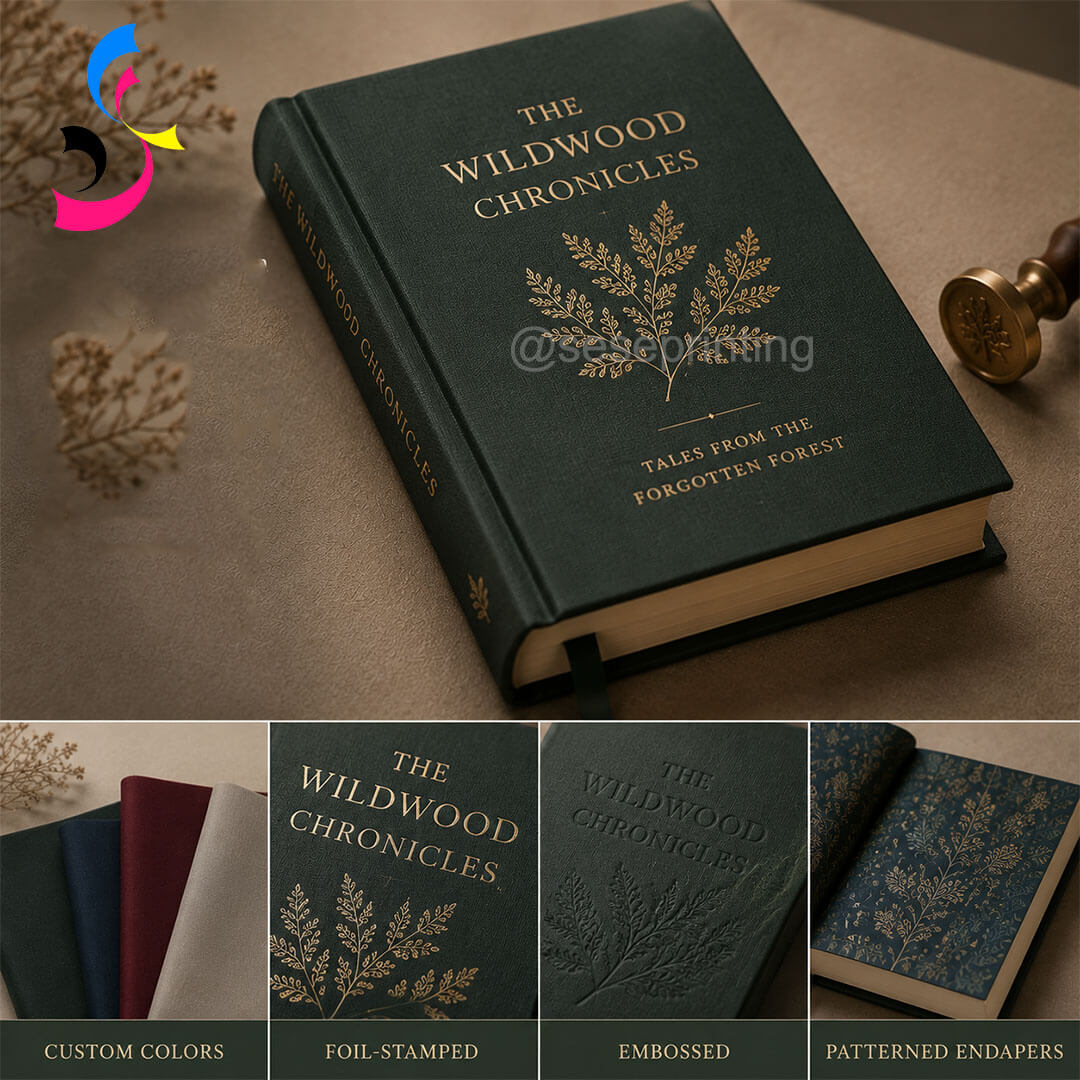
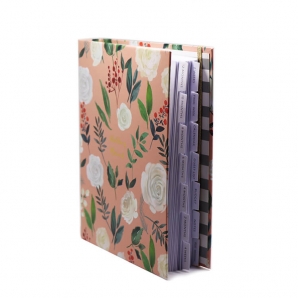
Cloth binding, often referred to as "hardbound" or "library binding," carries an inherent sense of heritage and intellectualism. Cloth-bound books have been a staple of traditional publishing for centuries, offering a sense of refinement and timelessness.
-
The Aesthetic: Cloth offers a matte, sophisticated look that feels warm and organic to the touch. From the coarse, tactile weave of natural linen to the refined, shimmering finish of silk-touch cloth, the variety is immense.
-
Genre Alignment: This is the gold standard for Literary Fiction, Poetry, Memoirs, and Academic volumes. It signals to the reader that the content is serious, archival, and meant to be preserved.
-
Customization options: Cloth can be dyed in custom colors, foil-stamped, embossed, or paired with patterned endpapers. The tactile quality creates a collectible experience.
-
Durability: While slightly more prone to staining than leather, high-quality cloth is long-lasting and ages gracefully.
-
Ideal applications: Collector’s editions, series boxes, or gift editions where elegance is a key selling point.
2. Leather Covers: Luxurious & Durable
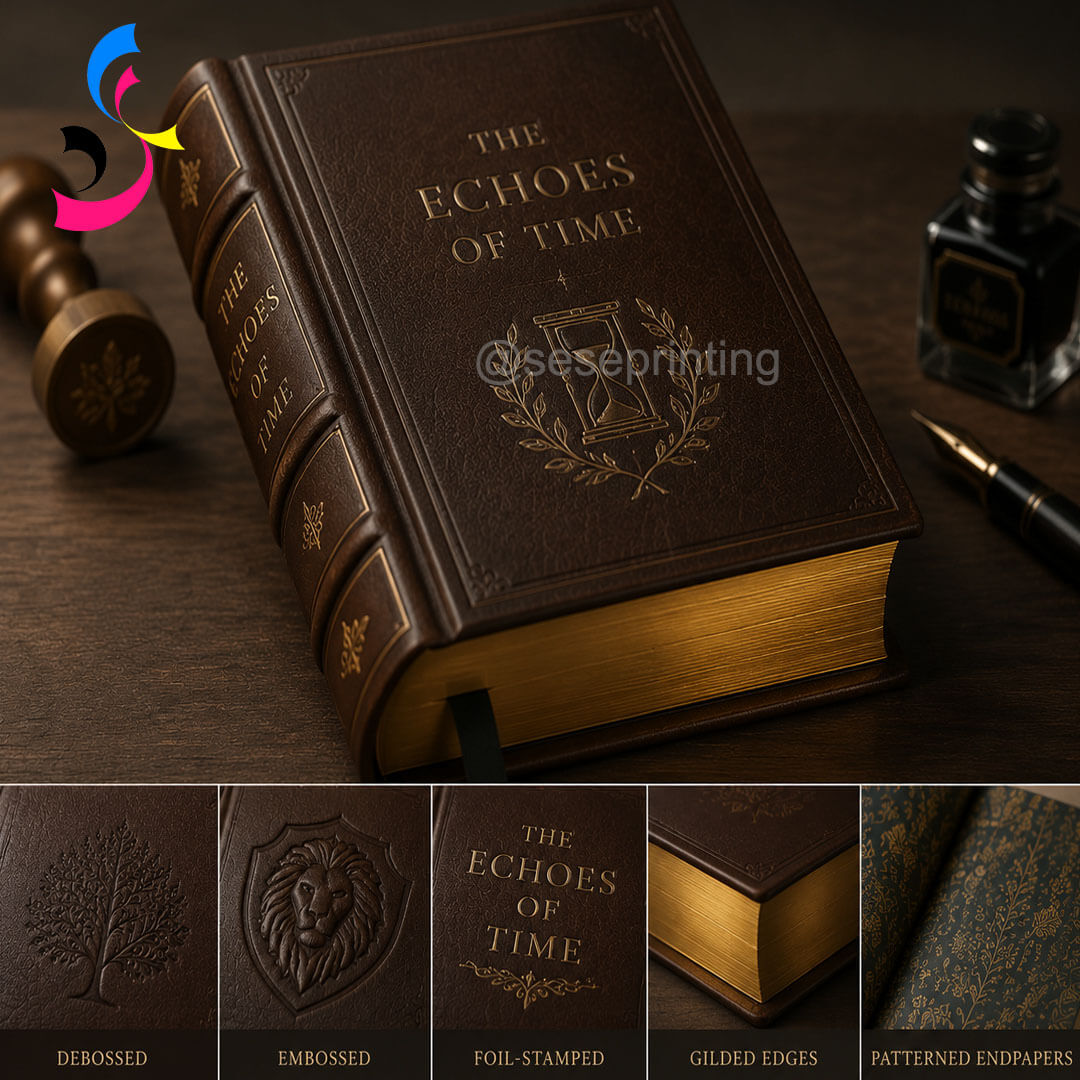
Leather conveys instant luxury and sophistication, making it a preferred choice for high-end editions and genres that benefit from tactile authority.
-
The Aesthetic: Leather offers a scent, weight, and texture that command respect. It can be "distressed" for a vintage look or "pebbled" for a modern, high-grip feel.
-
Genre Alignment: Leather is the natural home for Epic Fantasy, Religious Texts, Grimoires, and Limited Edition Box Sets. It suggests that the book is a treasure—a physical object that will last for generations.
-
Customization options: Leather can be debossed, embossed, foil-stamped, or combined with gilded edges and patterned endpapers. It also develops a patina over time, enhancing collectibility.
-
Durability: Extremely resistant to wear, light, and handling; perfect for books intended to last generations.
-
Ideal applications: Special collector’s editions, luxury gift sets, and multi-volume boxed series where tactile value and visual impact are essential.
3. Paper Covers: Versatile & Creative
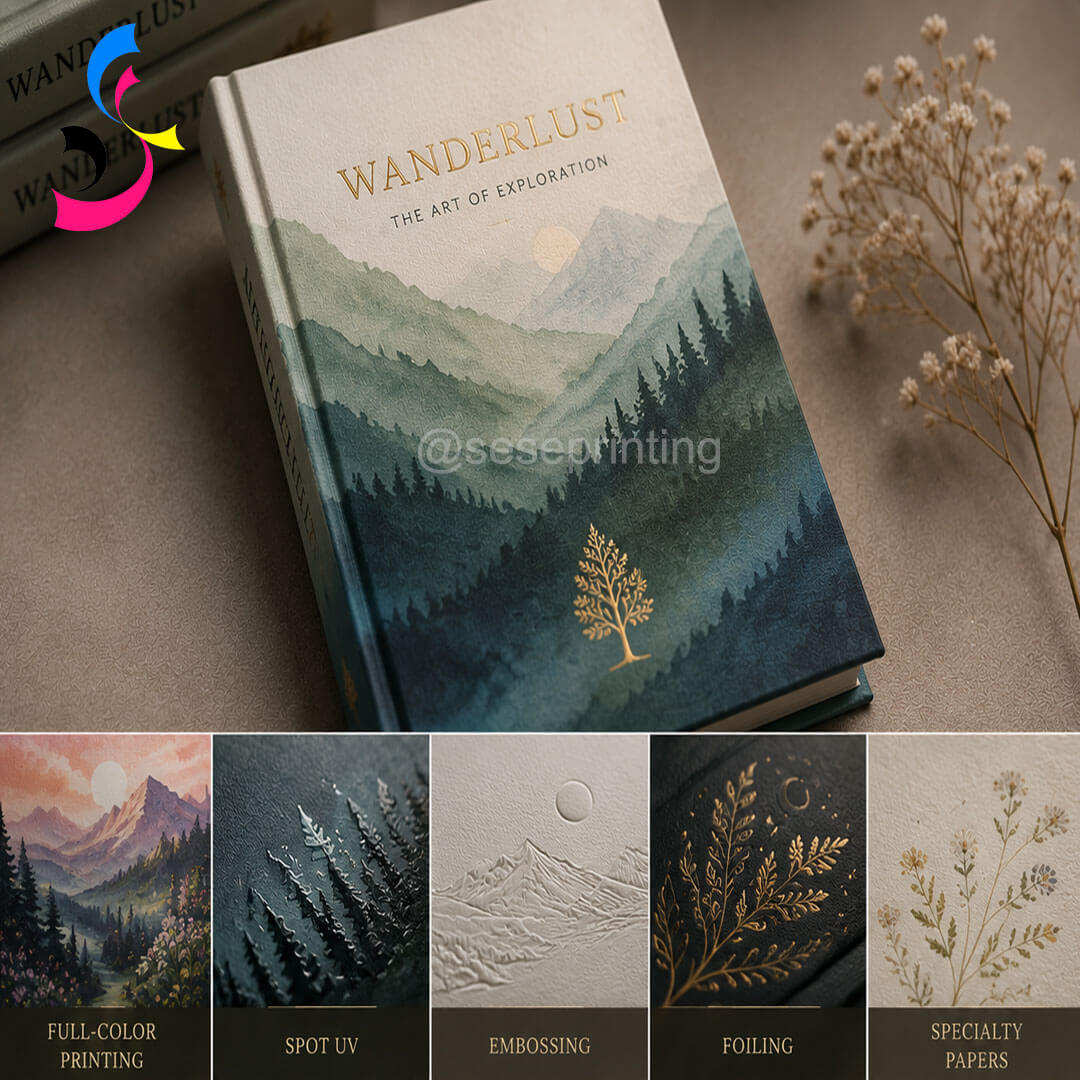
Paper covers offer flexibility and creativity, suitable for genres where visual presentation and design innovation are priorities.
-
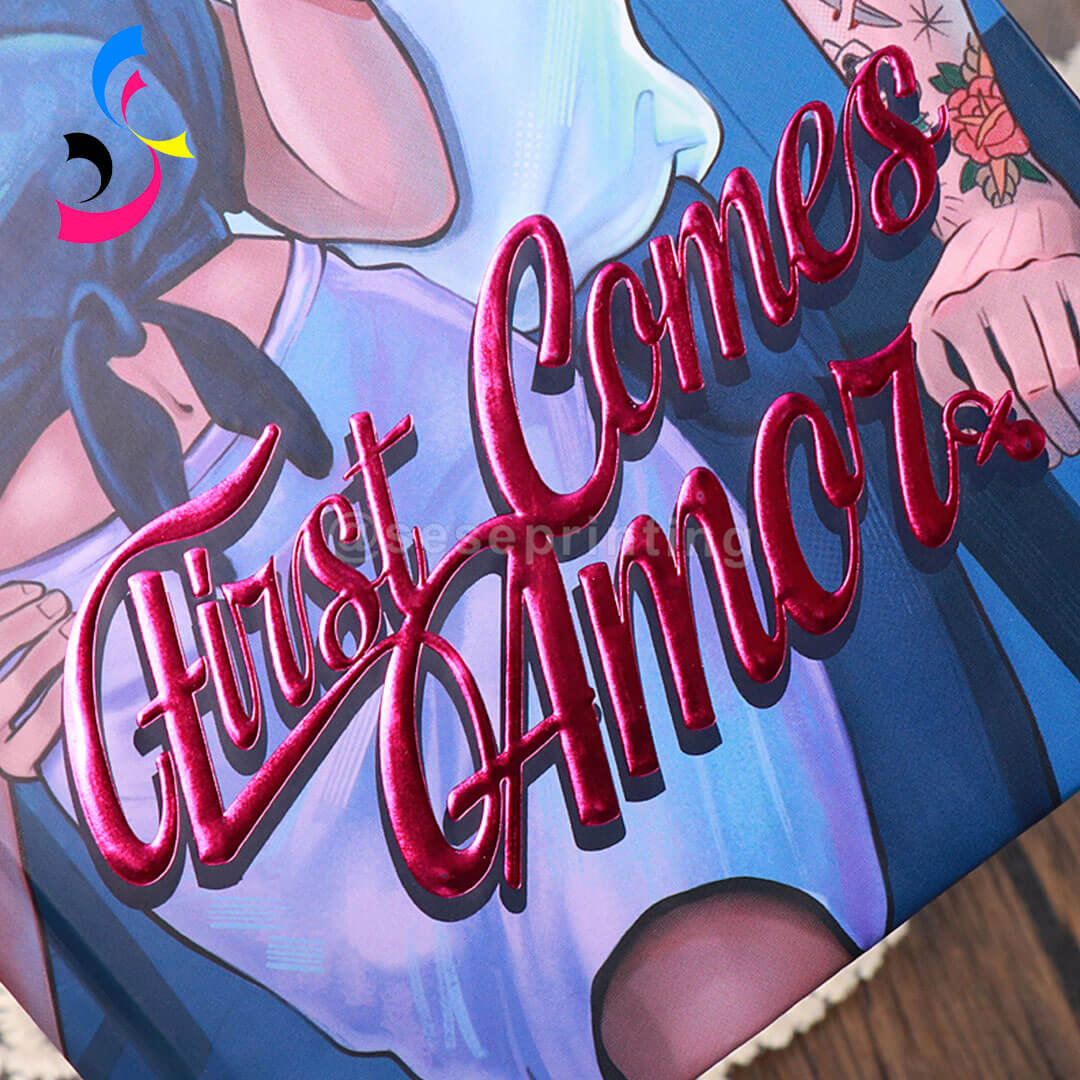
The Aesthetic: Paper allows for full-bleed, high-definition color printing. With specialty finishes like Soft-Touch Laminate (which feels like peach skin or velvet) or Linen-textured paper, you can mimic the feel of more expensive materials while maintaining total creative control.
-
Genre Alignment: Paper is the preferred choice for Young Adult (YA), Thrillers, Contemporary Non-Fiction, and Graphic Novels. It allows for the vibrant, high-energy visuals these genres require to stand out on a crowded shelf.
-
Customization options: Full-color printing, spot UV, embossing, foiling, and specialty papers expand creative freedom. Paper covers are highly versatile and can align with contemporary or whimsical aesthetics.
-
Durability: Less durable than cloth or leather, though high-quality paper stocks can withstand repeated handling. Ideal for limited editions or short-run projects.
-
Ideal applications: Illustrated children’s books, graphic novels, short-run special editions, and projects emphasizing visual impact over longevity.
4. Factors to Consider When Choosing a Texture
Selecting the right texture is more than preference—it should align with genre, audience, and brand positioning. Key considerations include:
-
Genre alignment: Match tactile experience to narrative tone—luxurious textures for epic stories, elegant cloth for classic genres, or creative paper for visually driven works.
-
Audience expectations: Consider whether readers value collectible, long-lasting editions or visually striking, accessible designs.
-
The "Unboxing" Experience: For subscription box brands and luxury editions, the texture is the first "reveal." The material should justify the premium price point.
-
Budget & production scale: Leather and high-quality cloth incur higher costs, while paper allows flexibility for both small and large print runs.
-
Printing & finishing compatibility: Different textures interact uniquely with foiling, embossing, spot UV, and digital printing. Choosing the right material ensures optimal finish quality.
5. Enhancing Customization
The cover material is only the foundation. To truly differentiate your book, consider integrated customization:
|
|
|
|
|
Foil Stamping & Embossing |
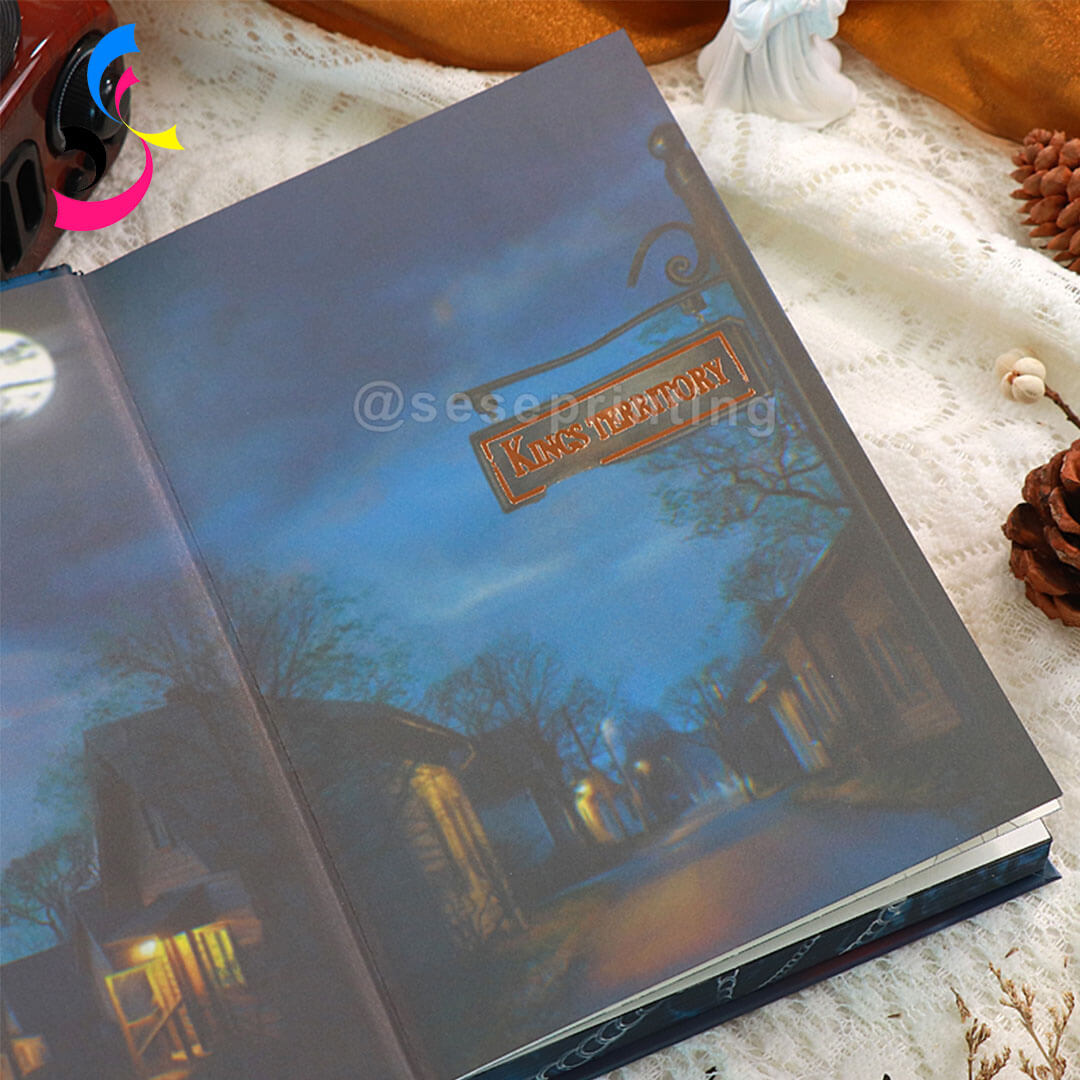
Patterned Endpapers |
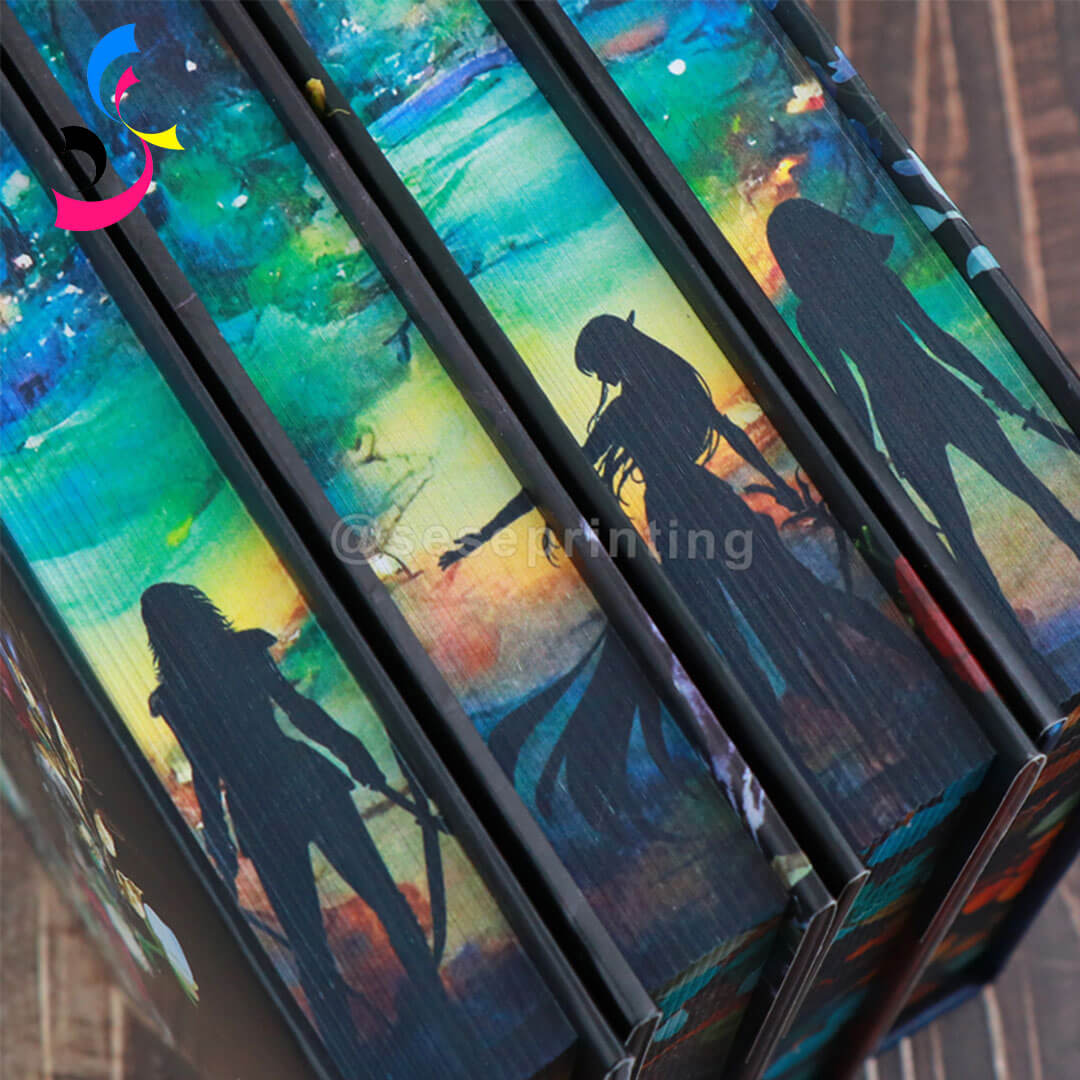
Sprayed Edges |
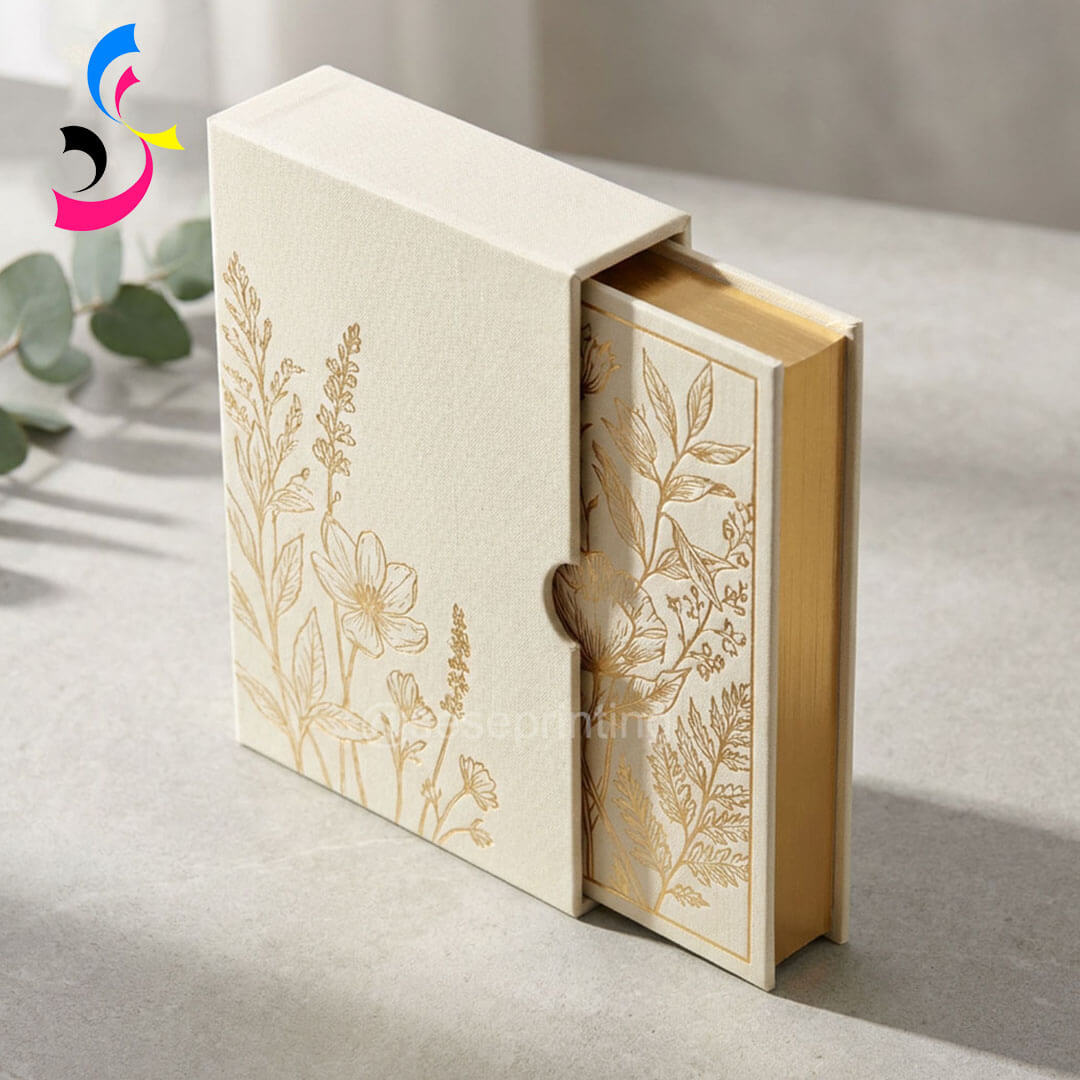
Custom Slipcase |
-
Foil stamping & embossing: Adds metallic highlights and texture to titles, logos, or decorative motifs.
-
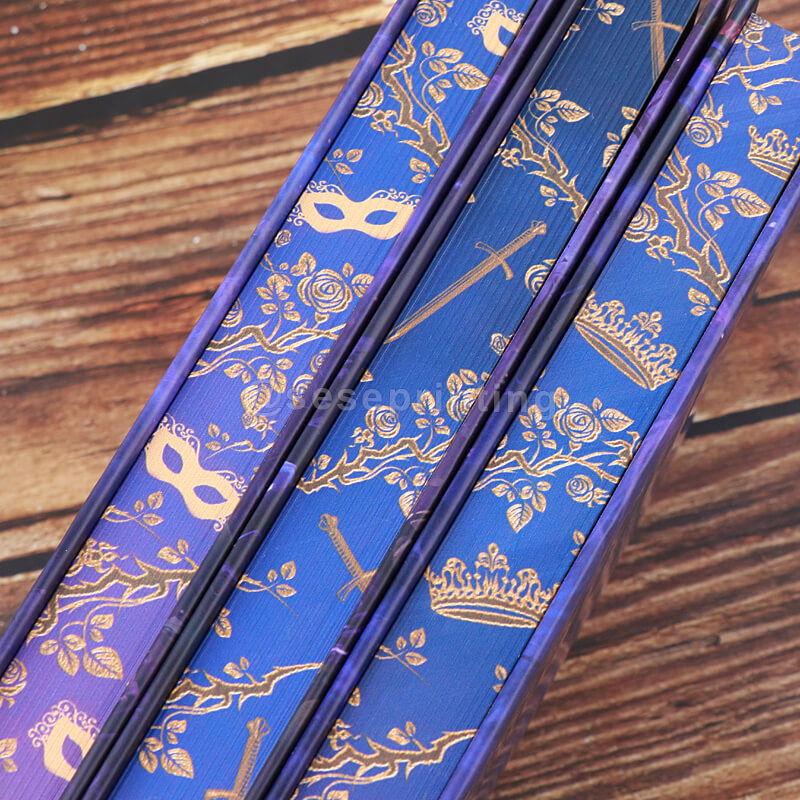
Patterned endpapers & sprayed edges: Creates immersive, collectible editions that extend beyond the cover.
-
Special inserts & compartmentalization: Perfect for boxed sets or multi-item editions, enhancing unboxing and presentation.
-
Color & material combinations: Mixing cloth, leather, and specialty paper can create a layered sensory experience, enhancing the tactile and visual value.
-
Custom Slipcases: Protecting the texture of the book with a rigid, matching outer case that enhances the sense of luxury.
These details are crucial for independent authors and boutique publishers seeking to differentiate their editions in a competitive market.
6. Partnering with Professional Printers
At Sese Printing, we don't just print books; we engineer masterpieces. Our expertise lies in the intersection of industrial precision and bespoke craftsmanship. We offer:
-
Elite Material Sourcing: Access to premium linens, Italian vegan leathers, and specialty papers from around the globe.
-
Advanced Craftsmanship: From intricate multi-level embossing to precision foil stamping and stenciled edges.
-
Consultative Approach: We work directly with authors and brands to select the specific grain, weight, and finish that will make their genre "pop."
-
Tailored Production: We offer small-batch or large-scale manufacturing customized specifically for independent authors, boutique publishers, and subscription brands — ensuring your print run matches your audience, budget, and timeline without compromise.
Choosing the right texture requires more than just a catalog; it requires an artisanal partner who understands the chemistry of printing. This is where Sese Printing excels.
Conclusion
The choice between cloth, leather, or paper profoundly shapes the reader’s perception of a book. Cloth conveys classic elegance, leather delivers luxury and durability, and paper offers creative flexibility and affordability. By carefully considering genre, audience, and production goals—and leveraging premium customization techniques—authors and publishers can create editions that look beautiful, feel luxurious, and leave a lasting impression.
With the expertise of professional printers like SESE Printing, every edition can become a collectible, tactile experience that delights readers and enhances your brand’s identity.
 Printing for Kickstarter: How to Manage Backer Expectations and Production Timelines
 You May Also Like


 Tel
Tel
 Email
Email
 Address
702 No. 21 Huizhong Road, Shiqiao St, Panyu District. Guangzhou city, Guangdong Province. China

Joy
 Whatsapp