



 Home
HomeEssential Guide to Childrens Book Self-Publishing: Safety Standards & Material Choices
 Apr 23,2026

 SESE
SESE
Essential Guide to Childrens Book Self-Publishing: Safety Standards & Material Choices
Self-publishing a children's book is an exciting journey filled with creative possibilities, but it also comes with its own unique set of challenges. The key to success lies not only in crafting an engaging story and illustrations but also in ensuring that the final product meets specific safety and environmental standards. This guide will take you through the core elements of children's book publishing, including age categories, unique characteristics of children's books, and essential safety considerations when selecting materials.
1. What Is a Children’s Book?
|
|
|
|
|
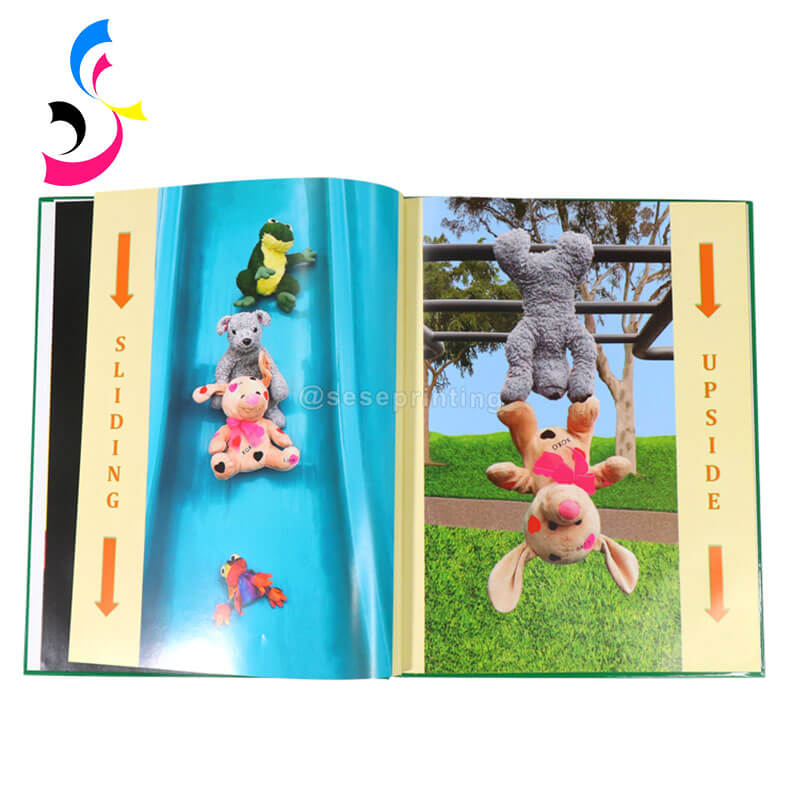
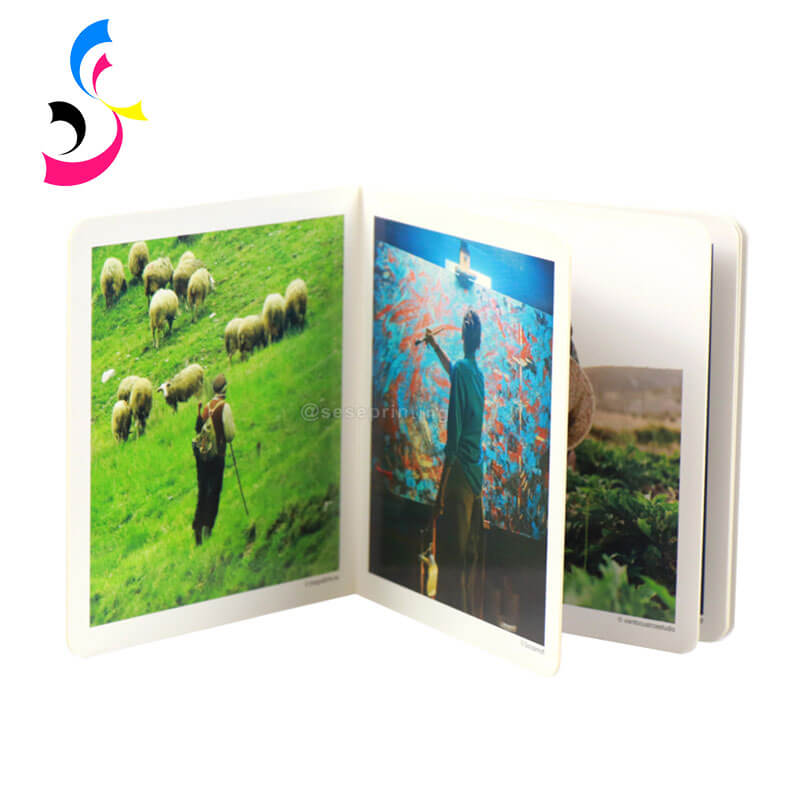
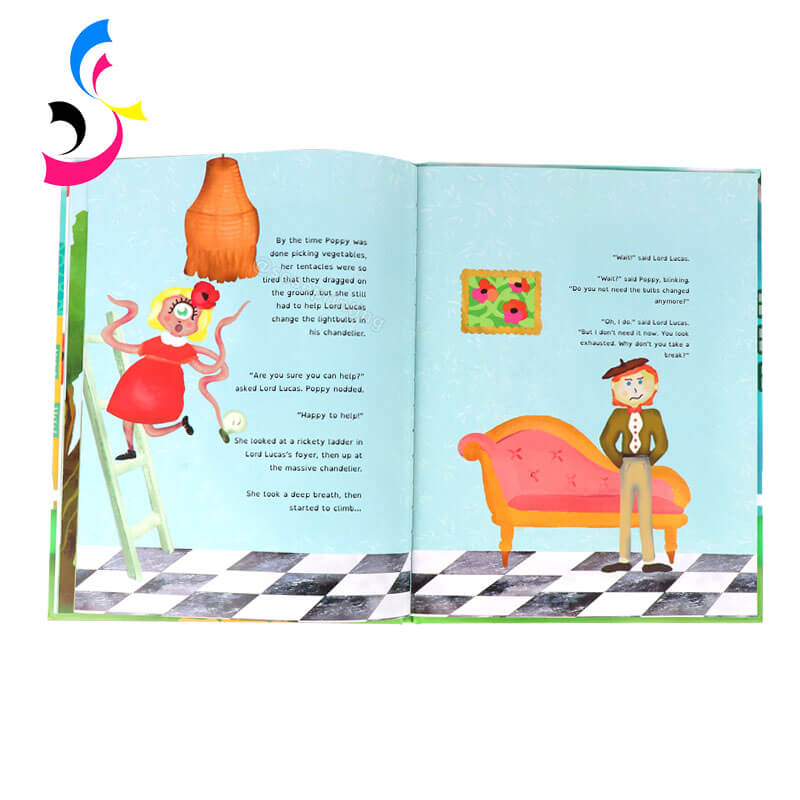
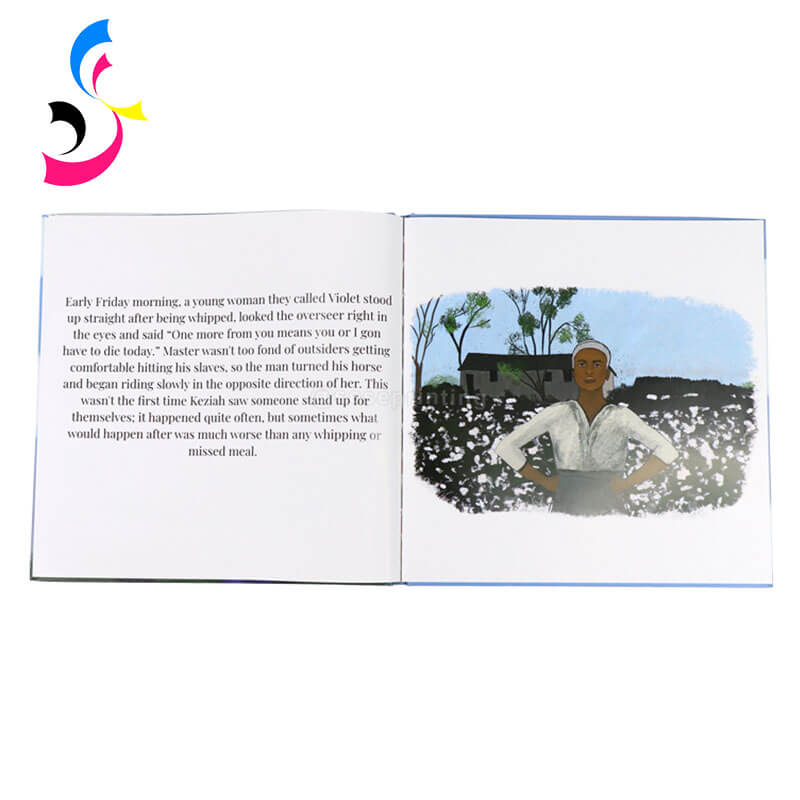
A children's book is a written or illustrated publication specifically designed for young readers. These books vary significantly in terms of content, structure, and design, depending on the target age group. Children's books are more than just a story; they are vehicles for education, moral development, and creative expression. From picture books with vibrant illustrations to chapter books for early readers and complex narratives for older children, each type serves a different purpose. In the self-publishing world, the term usually refers to picture books, board books, early readers, and middle-grade novels.
Children's books often focus on helping children understand the world around them, build emotional intelligence, and develop cognitive and language skills. When creating a children's book, the writing style, illustrations, and layout should be age-appropriate, visually stimulating, and designed to engage the reader's imagination.
2. Core Age Categories (The Industry Standard Breakdown)
Understanding the different age categories in children's publishing is crucial for tailoring your content and design. The following is an overview of the core categories that the publishing industry typically uses:
-
Infant to Toddler (0–3 years): These books are usually board books with thick, durable pages, often featuring simple, repetitive text and colorful, engaging images. The primary focus is to introduce concepts like animals, shapes, and colors.
-
Preschool (3–5 years): These books typically contain more text, as well as larger, more complex illustrations. Picture books with stories designed to foster early literacy skills, and concept books (like ABCs and counting) are common in this category.
-
Early Readers (5–7 years): Books in this category begin to introduce more structured stories with basic plots and character development. Simple chapter books and early novels with a moderate amount of illustrations fit here. This age group starts learning to read on their own, so books should encourage independent reading with larger fonts and simple sentence structures.
-
Middle Grade (8–12 years): These books are aimed at more independent readers, often dealing with more complex narratives, character development, and emotional depth. Stories can range from adventure to fantasy, and the text will be more substantial with fewer illustrations.
-
Young Adult (13+ years): Books in this category deal with more mature themes, including self-identity, relationships, and coming-of-age topics. The language, themes, and structure are closer to adult novels, but still accessible to teens.
3. What Makes a Children’s Book Different From Adult Books?
The key difference between children's books and adult books lies in the storytelling style, language complexity, and physical design. Here are some key distinctions:
-
Storytelling Style: Children’s books often focus on simplicity, clarity, and strong character-driven plots. The themes are typically more relatable to a younger audience, touching on topics like friendship, personal growth, and overcoming fears. In contrast, adult books explore a wider range of complex themes, often with more nuanced and sophisticated language.
-
Language Complexity: Children's books use language appropriate for the age and cognitive abilities of the readers. In early books, short sentences and repetition help to teach language skills, while later books may introduce more advanced vocabulary and storytelling techniques. Adult books, on the other hand, assume a higher level of literacy and comprehension.
-
Illustrations: Illustrations play a huge role in children's books, especially for younger readers. Bright, colorful pictures engage children and help to tell the story. Adult books rarely rely on illustrations, and when they do, the imagery is more subdued and typically used to complement the text.
-
Physical Format: Children's books are often more durable, especially for younger readers. They may be board books, spiral-bound, or softcover with thicker pages to withstand rough handling. Adult books, on the other hand, are often paperback or hardcover with traditional text-heavy formats.
4. Key Self-Publishing Note: Environmentally Friendly Soy Inks and Material Safety Certifications
When self-publishing a children's book, the materials you choose are crucial not only for the quality of the final product but also for safety and environmental sustainability. Parents and caregivers are increasingly concerned with the materials in books their children interact with, so it’s essential to consider the following factors:
-
Soy Inks: Soy-based inks are a more environmentally friendly alternative to traditional petroleum-based inks. These inks use soybeans, which are renewable and biodegradable, and they have a much lower environmental impact. Soy inks also provide bright, vibrant colors and are safer for children, as they contain fewer harmful chemicals.
-
FSC Certification: The Forest Stewardship Council (FSC) certification ensures that the paper used in your book comes from responsibly managed forests. This certification helps protect forests from overexploitation, supports biodiversity, and promotes fair labor practices. Using FSC-certified paper is a great way to ensure that your children's book is environmentally friendly.
-
ASTM Safety Standards: The American Society for Testing and Materials (ASTM) sets safety standards for children’s products, including books. These standards regulate aspects such as the materials used in the book (e.g., non-toxic ink, safe paper), ensuring that the book is safe for young readers. Books for children must also meet specific flammability and choking hazard regulations.
Conclusion: Why Choose SESE Printing for Your Children’s Book?
When it comes to self-publishing your children's book, working with a professional printing company that understands the unique needs of this genre is essential. SESE Printing offers a wide range of customizable options, including eco-friendly printing with soy inks, FSC-certified paper, and ASTM-compliant materials to ensure the safety and durability of your children's book.
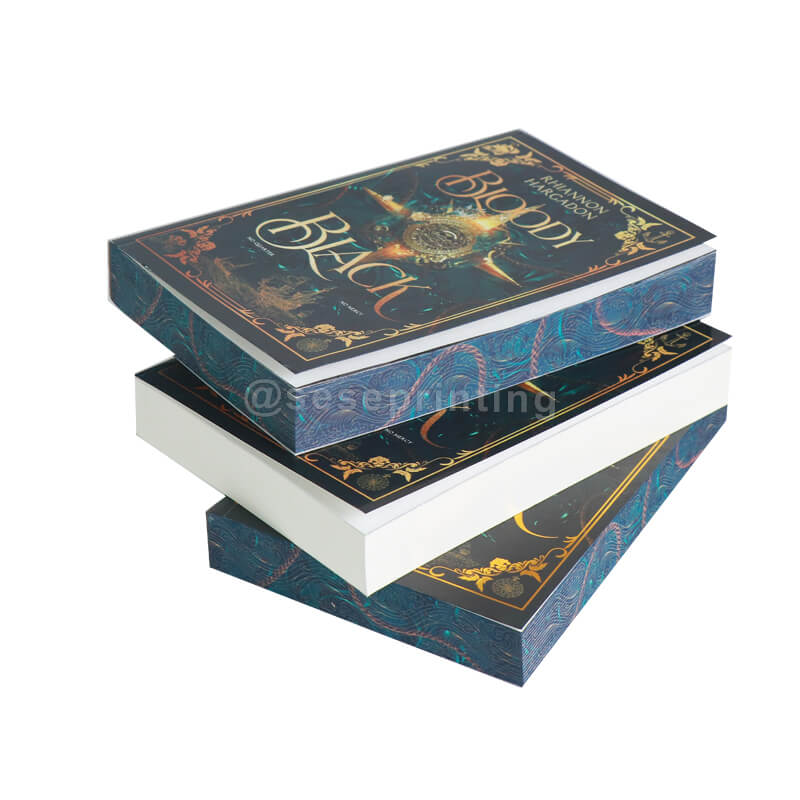
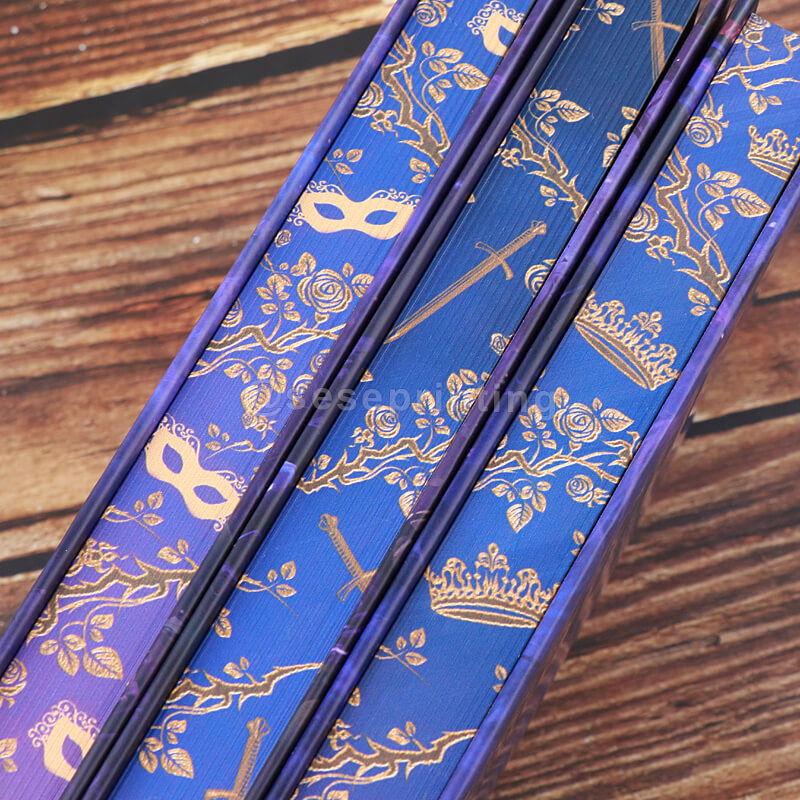
In addition to these important safety and environmental standards, SESE Printing specializes in high-quality hardcover book printing, including premium features such as foil stamping, sprayed edges, and cloth-bound finishes that make your book stand out. Whether you're creating a picture book, early reader, or a middle-grade novel, we provide the expertise and materials to bring your vision to life, while keeping sustainability and safety at the forefront.
By choosing SESE Printing, you ensure that your children's book is not only visually appealing but also made with the highest standards of quality and care, from production to delivery. Ready to self-publish your children's book? Contact SESE Printing today for a quote and start your journey towards bringing your creative project to life!
 Luxury Sprayed Edges & Hardcover Printing for Self-Published Books
 You May Also Like


 Tel
Tel
 Email
Email
 Address
702 No. 21 Huizhong Road, Shiqiao St, Panyu District. Guangzhou city, Guangdong Province. China

Joy
 Whatsapp