


 Home
HomeExploring Common Bookbinding Methods: A Comprehensive Guide
 Mar 18,2026

 SESE
SESE
Exploring Common Bookbinding Methods: A Comprehensive Guide
When it comes to creating high-quality printed books, choosing the right bookbinding method is crucial. The binding not only holds the book together but also impacts its durability, aesthetic appeal, and usability. In this comprehensive guide, we’ll explore the most common bookbinding methods used in the printing industry, highlighting their unique features and the benefits they offer for different types of projects. Whether you're printing hardcover books, journals, or children's books, understanding these methods can help you make the best decision for your project.
1. Case Binding
Case binding is one of the most popular and durable methods of bookbinding, often used for hardcover books. This method involves stitching or gluing the book’s pages together, which are then encased in a rigid, protective cover. Case binding not only provides long-lasting durability but also a professional, premium appearance. It’s ideal for books that need to stand the test of time, such as collector’s editions, textbooks, art books, photography books, and more.
Within case binding, there are several variations and additional binding techniques that offer unique characteristics and benefits. Let’s explore each one in detail:
a. Hardcover Binding
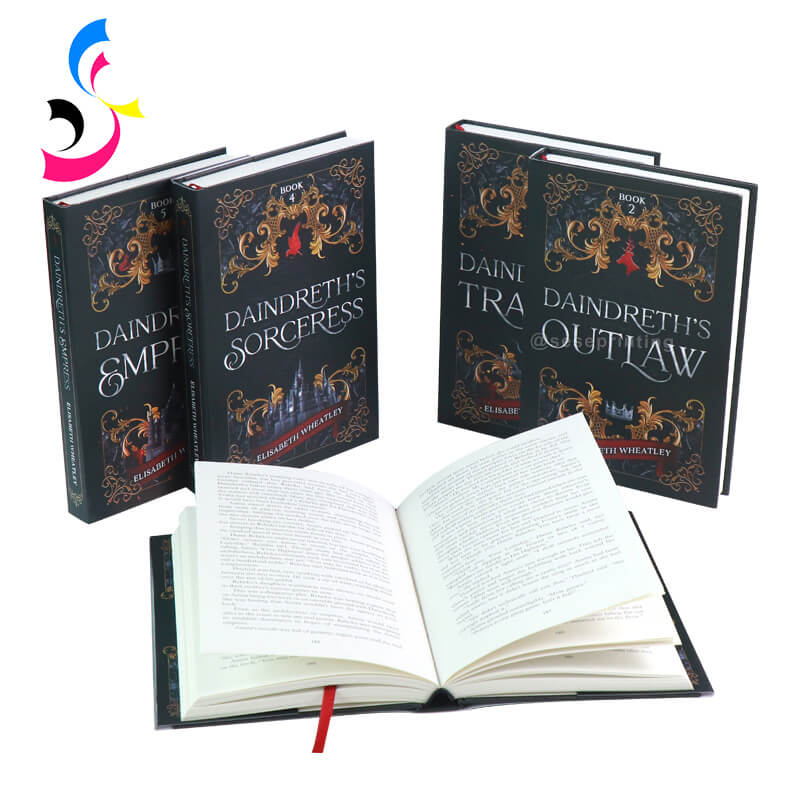
Hardcover binding, or case binding, is the traditional choice for high-quality book printing. This method provides a book with a sturdy, rigid cover that can withstand wear and tear. The cover is often made from paperboard, cloth, leather, or specialty materials. The pages are either sewn or glued to create a strong bond, and the cover is then attached using a strong adhesive. The resulting book feels substantial and is often used for luxury editions, art books, photo albums, and more.
Customization options for hardcover books include foil stamping, embossing, custom endpapers, and printed dust jackets. These features can elevate the overall design, making the book even more visually appealing and unique.
Best for: Special edition books, hardcover novels, coffee table books, art books, and textbooks.
b. Square Spine vs. Round Spine
|
|
|
Square Spine |
Round Spine |
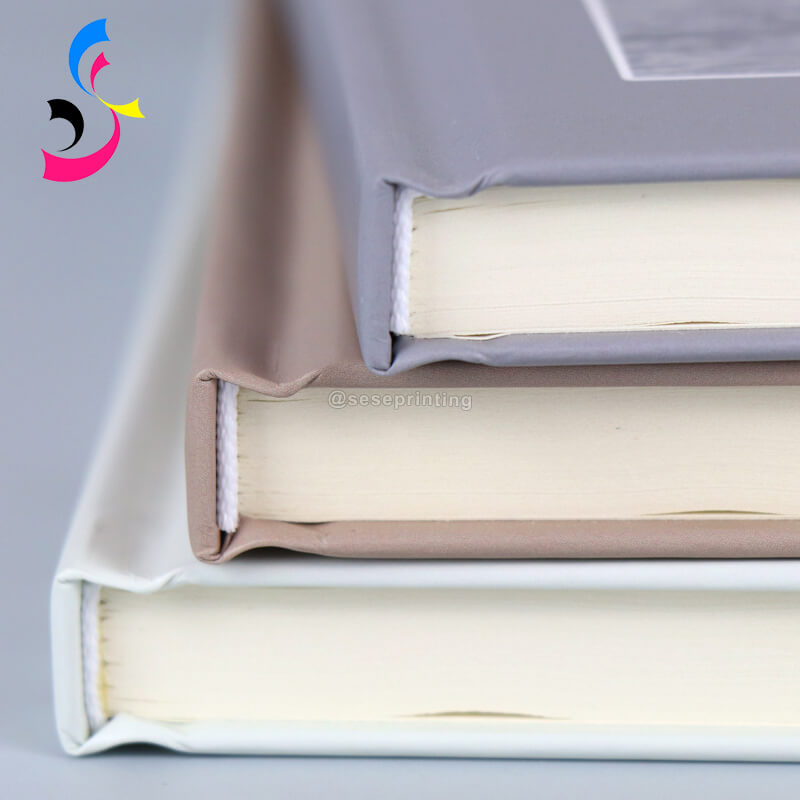
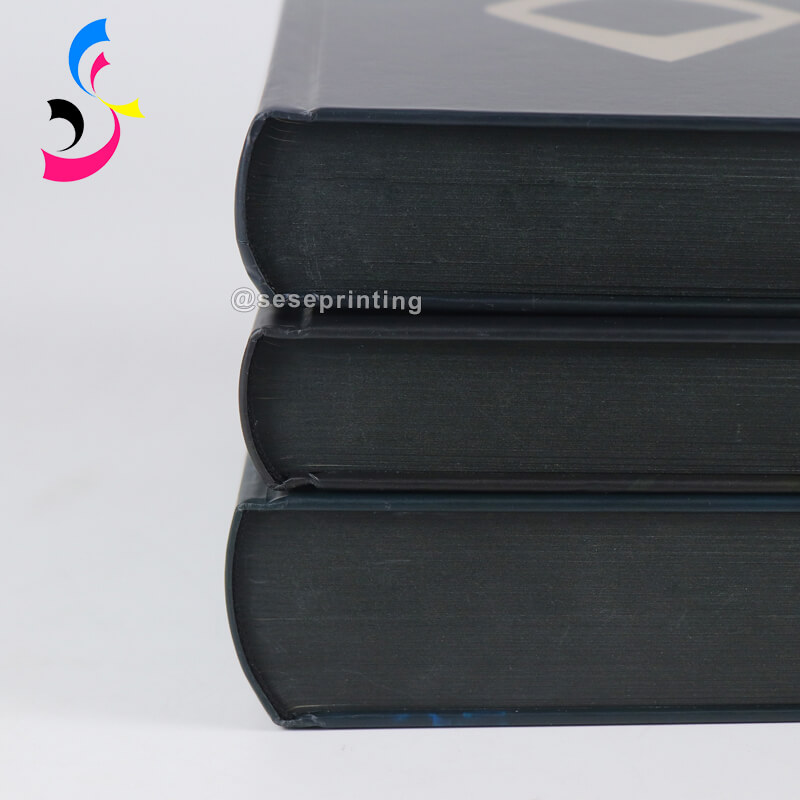
When it comes to hardcover books, the spine can be finished in two different ways: square or round. Each spine type provides a different look and feel to the final book.
-
Square Spine: The spine of the book is squared off, creating a flat, sharp edge. This style is popular for books that need a modern, structured look. It works well for textbooks, photo books, special editions, and other hardcover books where a clean, professional appearance is desired.
-
Round Spine: In contrast, a round spine has a soft, curved appearance, which gives the book a more traditional, elegant look. This spine type is often used for novels, literary works, and other classic hardcover books. The round spine helps the book open more easily, making it a great choice for books that are frequently used.
Best for: Square spine for modern, sleek designs; round spine for more traditional, classic hardcover books.
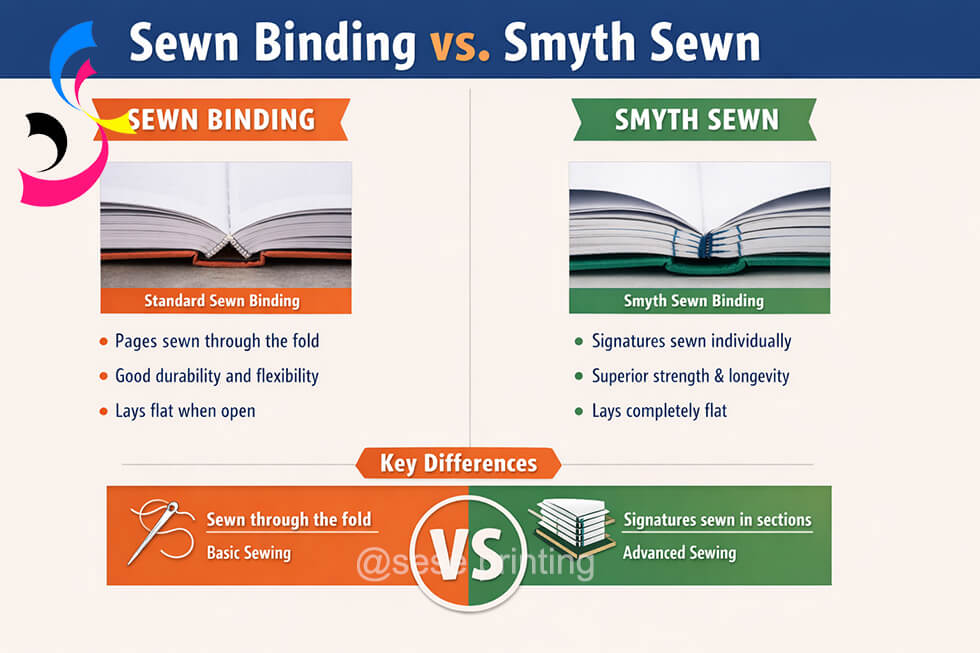
c. Sewn Binding
Sewn binding is a technique that enhances the durability of hardcover books by sewing the individual signatures (grouped pages) together before they are bound to the cover. This method ensures that the pages remain securely attached, even with heavy use. Sewn binding allows the book to lay flat when opened, providing a better reading experience. This technique is often used in premium books, such as art books, special editions, and high-end publications.
Sewn binding can be used in combination with both square and round spines to further increase the book’s strength and aesthetic appeal. Additionally, it gives the book an elegant touch, with visible stitching along the spine, adding to the luxury look of the finished product.
Best for: Premium and high-quality hardcover books, collector’s editions, art books, and photo books.
d. Smyth Sewn
Smyth sewn is a specific type of sewn binding that is particularly known for its durability and quality. In Smyth sewing, the book’s signatures are stitched through the fold, creating a robust and flexible binding. This method not only strengthens the book but also allows it to lay flat when opened—ideal for books that require extensive handling, like photo books, art books, and manuals.
One of the advantages of Smyth sewn is that it is perfect for high-end hardcover books. The process involves sewing each section of the book together with strong thread, and the sewing holes are visible, adding a touch of craftsmanship to the book’s spine.
Best for: High-quality, luxury hardcover books, special editions, and collector’s items.
2. Perfect Binding
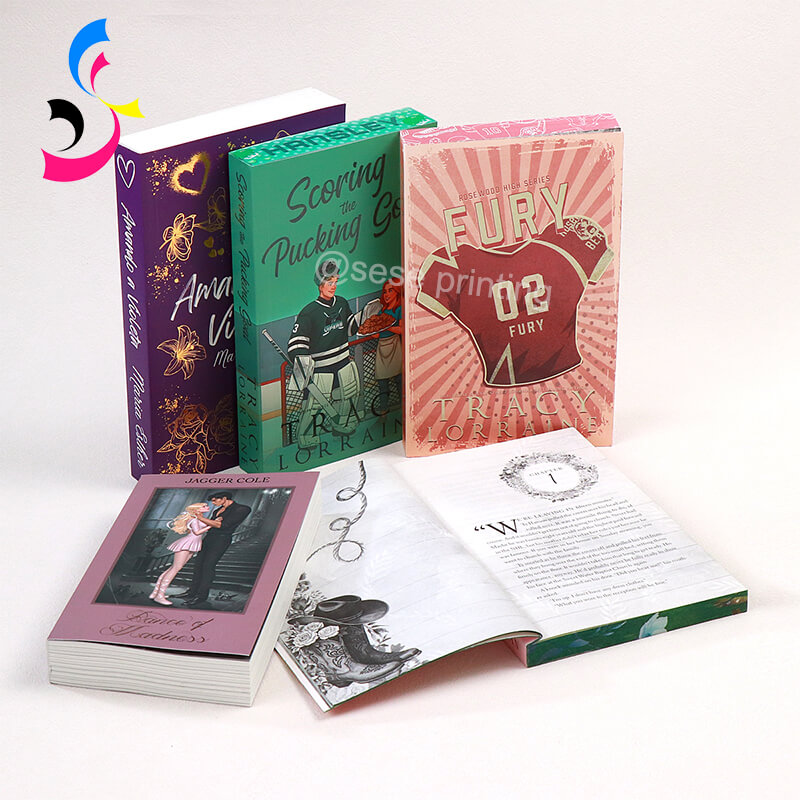
Perfect binding is one of the most popular methods for binding paperback books. This method involves applying a strong adhesive to the spine of a stack of pages and attaching a softcover. The pages are trimmed, and the spine is glued to a flexible cover.
Perfect binding is an excellent choice for mass-market books, magazines, and catalogs. It's cost-effective and provides a clean, professional appearance. Customization options such as glossy covers, spot UV coating, or embossing can add a premium touch to your perfect-bound books.
Best for: Paperbacks, magazines, catalogs, manuals, and large print runs.
3. Saddle Stitching
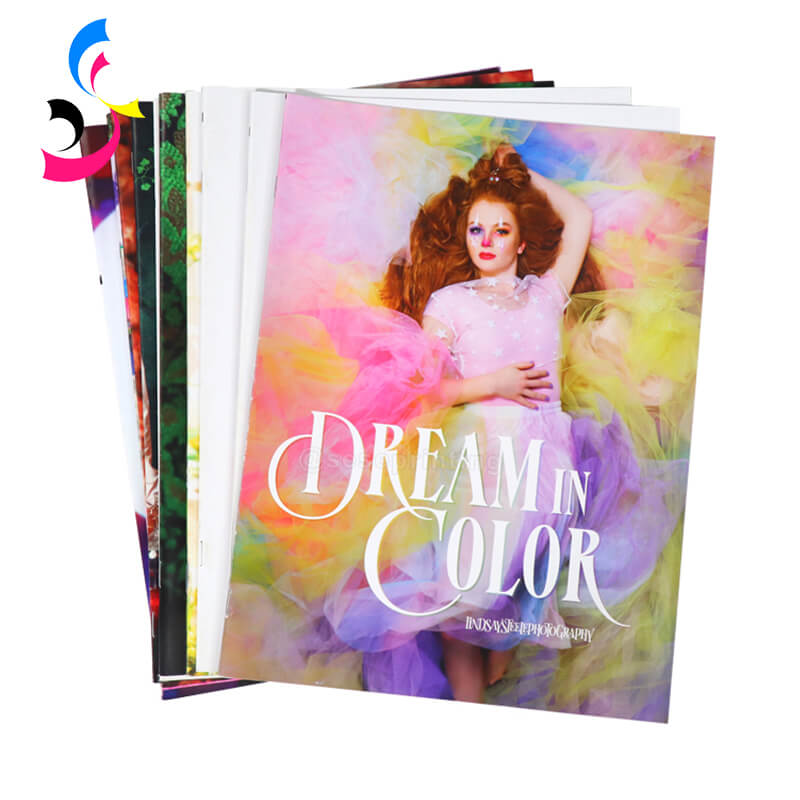
Saddle stitching is a simple and cost-effective binding method commonly used for smaller booklets or magazines with a page count under 100. In this method, the pages are folded in half and then stapled along the spine.
This method is ideal for projects that require affordable production with quick turnaround times. It works well for children's books, brochures, product catalogs, and pamphlets. While it doesn't provide the durability of hardcover or perfect binding, saddle stitching is efficient and perfect for short-run print jobs.
Best for: Small-format books, children's books, pamphlets, brochures, and short-run print jobs.
4. Board Book Binding
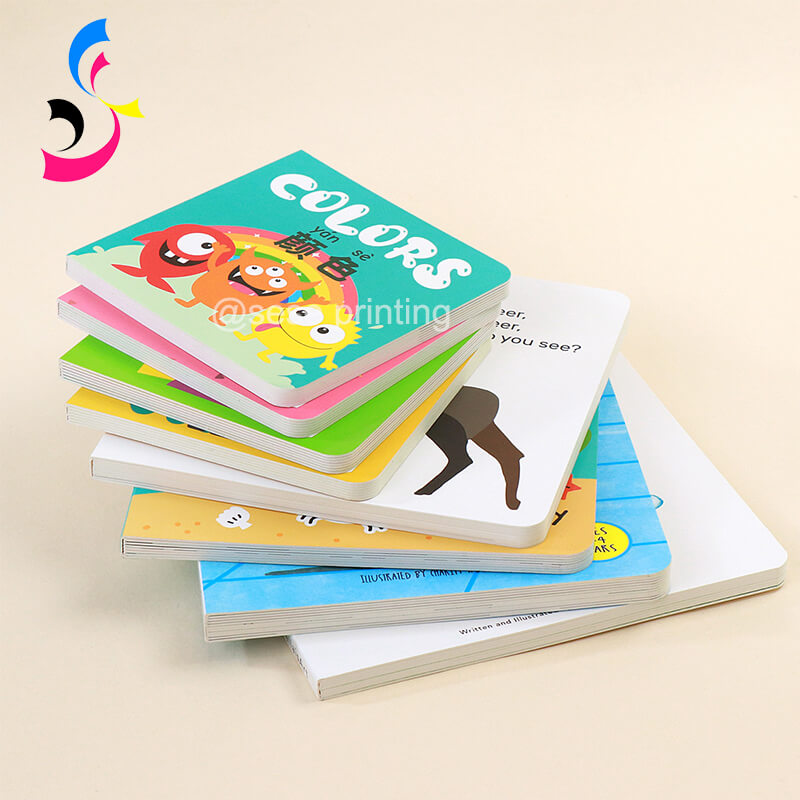
Board book binding is a method specifically designed for children’s books. Instead of using traditional paper, board books are made with thick, durable paperboard or chipboard. The pages are then bound together using strong adhesive, making the book sturdy enough to withstand rough handling by young readers.
Board books often feature rounded corners for safety and vibrant colors for visual appeal. Customization options like interactive elements (flaps, textures) and durable coatings make board books an excellent choice for educational or interactive children's books.
Best for: Children's books, educational books, interactive books, and learning aids.
5. Wire-O Binding
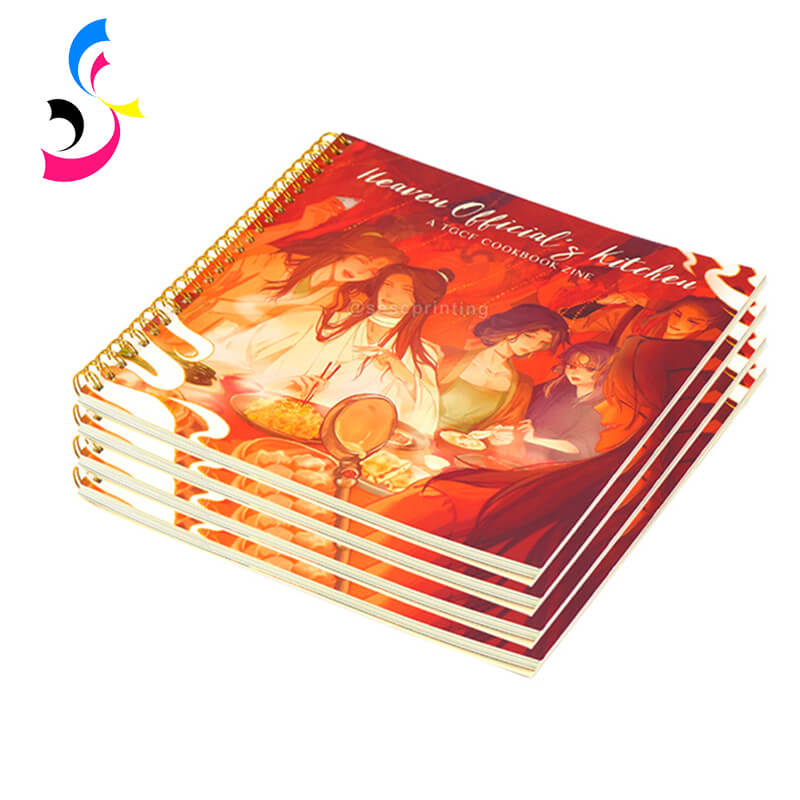
Wire-O binding uses a metal coil, typically in the form of a double-loop wire, to bind the pages of a book. This binding method is popular for notebooks, journals, calendars, and manuals because it allows the book to lay flat when open, providing ease of use.
The wire can be customized in various colors, and the covers can be printed with personalized designs. This method also allows for easy flipping of pages, making it ideal for journals, planners, and books that require frequent writing or notes.
Best for: Journals, planners, notebooks, calendars, manuals, and any book that requires ease of use.
6. Spiral Binding
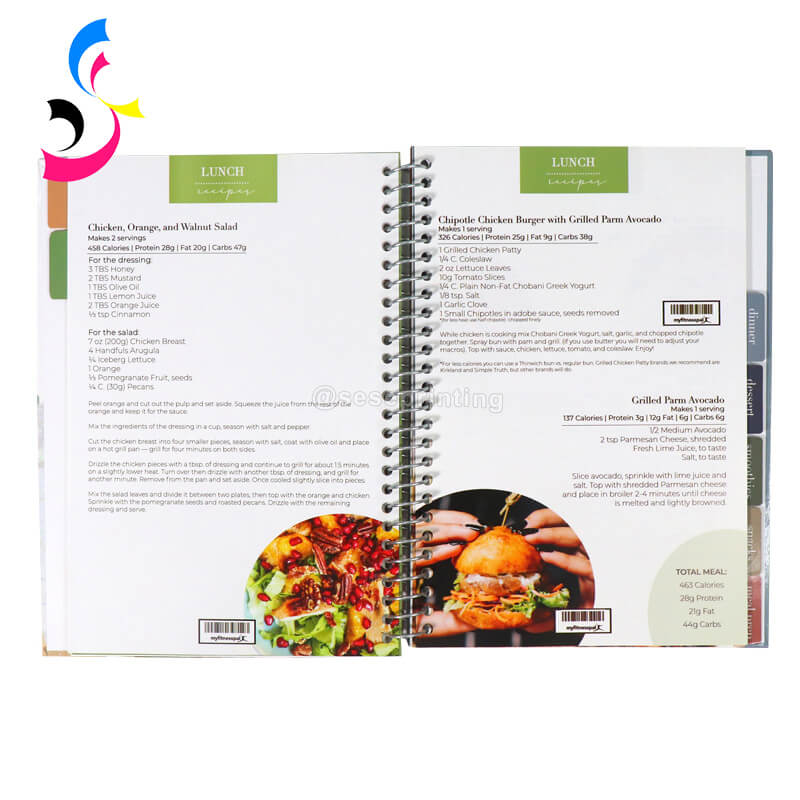
Similar to Wire-O binding, spiral binding uses a continuous plastic coil that threads through holes punched along the spine of the book. The plastic spiral allows the book to open flat and makes it easy to flip through pages, ideal for projects that need frequent handling.
Spiral binding is highly customizable and is perfect for projects that require frequent use, such as workbooks, educational guides, or recipe books. The spiral binding is available in different colors and thicknesses, offering flexibility in design and functionality.
Best for: Workbooks, recipe books, instruction manuals, and books used for note-taking.
Conclusion
Choosing the right bookbinding method is essential to achieving the desired look, feel, and functionality of your printed book. Whether you need a premium hardcover book, a cost-effective paperback, or a durable board book for children, each method offers unique benefits depending on your project requirements.
At SeSe Printing, we specialize in customized printing solutions tailored to meet your specific needs. Our extensive knowledge of bookbinding methods ensures that we can guide you in selecting the best option for your project. From luxury hardcover bindings to affordable saddle stitching and durable board books for children, we provide the expertise and craftsmanship to bring your book to life with stunning quality.
Contact SeSe Printing today to discuss your next project, and let us help you select the perfect binding method to suit your vision. Whether you're producing a special edition, a personalized journal, or a children's book, we are your trusted partner in bringing your printed products to life with precision and care.
 A Portfolio of Our Best Special Edition Book Printing Projects
 You May Also Like


 Tel
Tel
 Email
Email
 Address
702 No. 21 Huizhong Road, Shiqiao St, Panyu District. Guangzhou city, Guangdong Province. China

Joy
 Whatsapp