



 Home
HomeHow to Achieve Perfect Digital Sprayed Edges on Hardcover Books
 May 11,2026

 SESE
SESE
How to Achieve Perfect Digital Sprayed Edges on Hardcover Books
Introduction
In the world of premium book printing, the tiniest details can make the biggest impression. One such detail is the edge of a hardcover book. While often overlooked, digital sprayed edges add an instant touch of elegance and uniqueness to any hardcover edition. From bold single-color edges to intricate multi-color patterns, digital spraying allows publishers, authors, and brands to elevate their books to collector-quality standards. Achieving flawless results, however, requires a combination of the right materials, advanced technology, and meticulous craftsmanship.
1. Understanding Digital Sprayed Edges
Digital sprayed edges refer to the application of ink or pigment onto the three exposed edges (top, bottom, and fore edge) of a closed hardcover book block using digitally controlled nozzles. Unlike manual airbrushing or analog roller coating, digital systems use high-resolution printheads and raster image processing (RIP) software to deposit precise droplets.
The benefits of this approach include:
-
Consistent, precise results across large print runs
-
Complex patterns and gradients that are difficult to achieve manually
-
Seamless integration with other custom finishes, such as foil stamping, embossing, or printed endpapers
Understanding this foundation is critical because digital spraying is not simply “printing on edges.” It requires controlling ink volume, drying time, and edge registration to prevent bleed into page faces or uneven coverage near the spine.
2. Materials Matter
The success of digital sprayed edges begins with the right materials. Every component of the book—paper, board, and ink—plays a critical role.
-
Paper Type: Uncoated or lightly textured paper absorbs ink better than highly calendered (smooth coated) papers, which may cause beading.
-
Board: A sturdy hardcover ensures that edges remain straight and aligned during spraying.
-
Ink: Special digital inks must be tested for adhesion and opacity to ensure vibrant, lasting color.
-
Paper Color: White or natural paper is ideal for vibrant colors. For dark paper edges, use high-opacity white ink as an underbase.
-
Edge Grain Direction: Cutting against the grain produces fuzzy edges that absorb ink unevenly. Always cut with the grain.
-
Book Block Tightness: Loose pages create gaps where ink can leak inside. A well-pressed, tightly bound block is essential.
Additionally, many printers use primers or base coatings on the edges to enhance color saturation and prevent bleeding, ensuring that each hardcover meets professional standards.
3. Precision in Digital Spraying Technology
Achieving perfect digital sprayed edges hinges on three technical pillars: registration, ink delivery, and drying.
Registration and Fixturing
The book block must be clamped with zero movement. Any shift of even 0.2 mm causes misalignment on stenciled designs. Professional systems—like those used at Sese Printing—employ pneumatic clamps with adjustable pressure sensors to hold the block firmly while protecting the spine.
Inkjet Printheads and Resolution
Industrial printheads (e.g., Xaar 2002 or Konica Minolta 1024i) offer:
-
Drop sizes from 6 to 42 picoliters (smaller for fine details, larger for solid coverage)
-
Native resolutions up to 720 × 720 dpi
-
Variable dot density for smooth gradients
Drying and Curing
Digital sprayed edges require instant drying to prevent offsetting (ink transferring to adjacent pages). Two methods dominate:
-
UV-LED curing – best for non-porous papers; cures ink in milliseconds.
-
IR + hot air drying – suitable for water-based inks on porous papers.
We calibrate drying parameters per job, adjusting for paper thickness and ambient humidity.
4. Customization Options for Hardcover Books
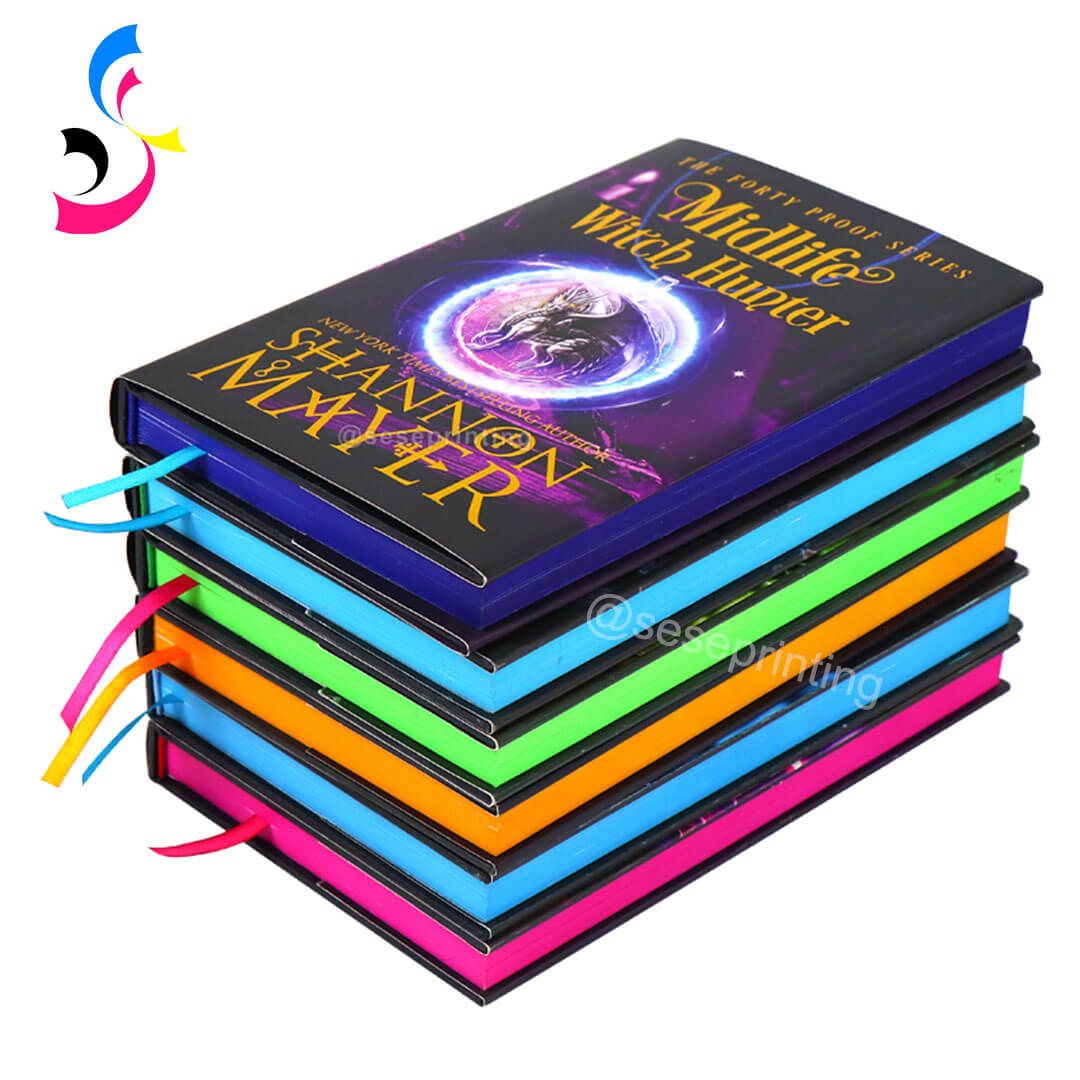
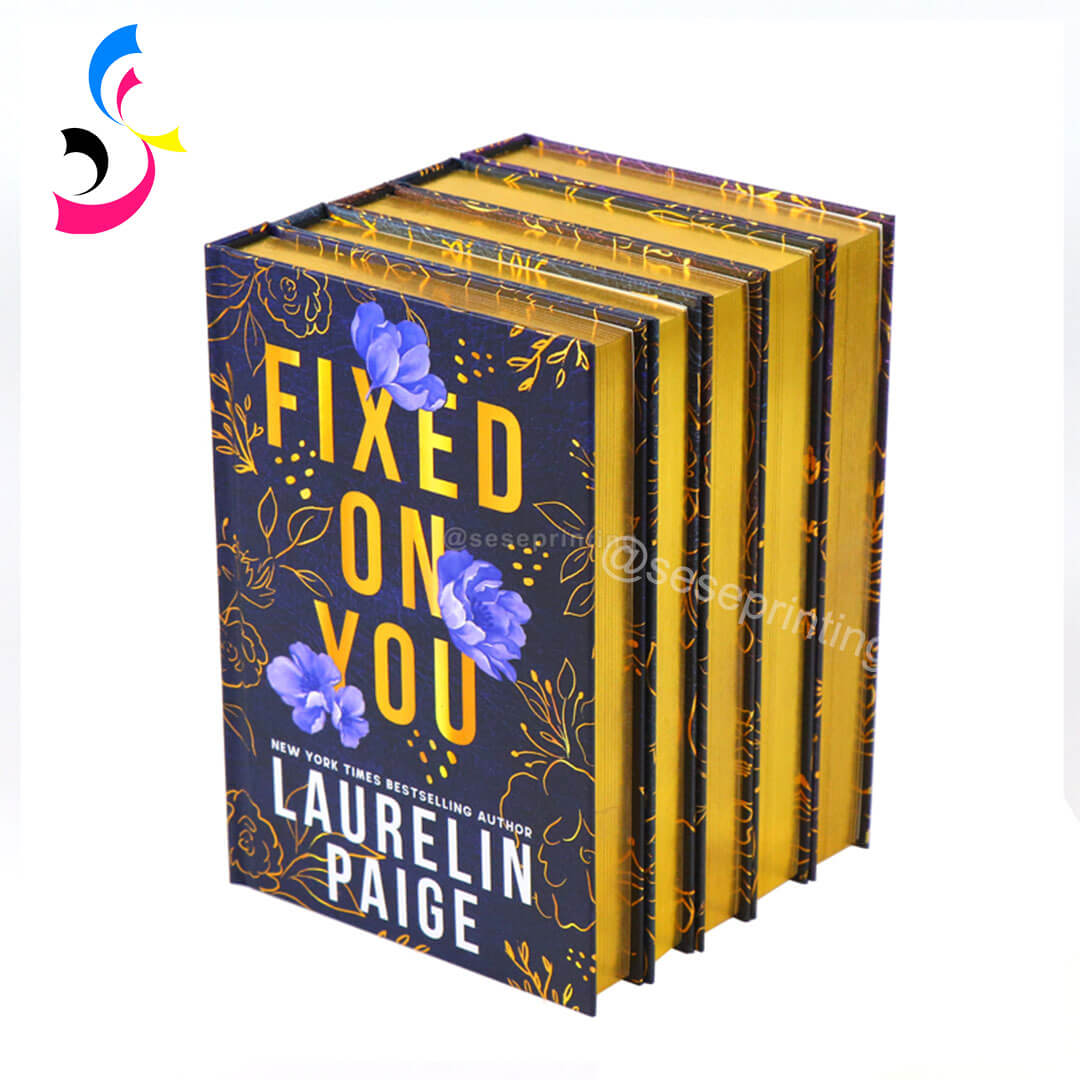
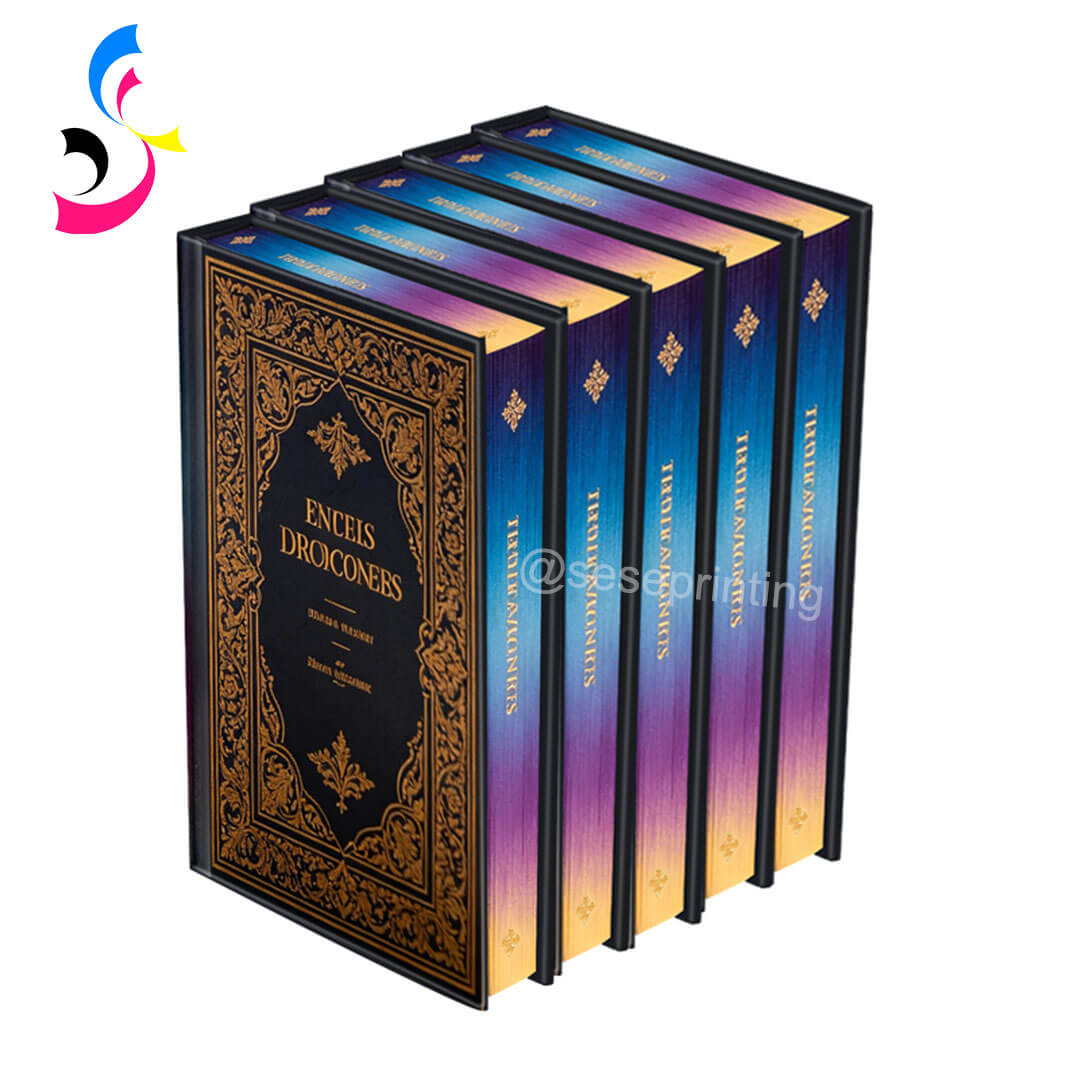
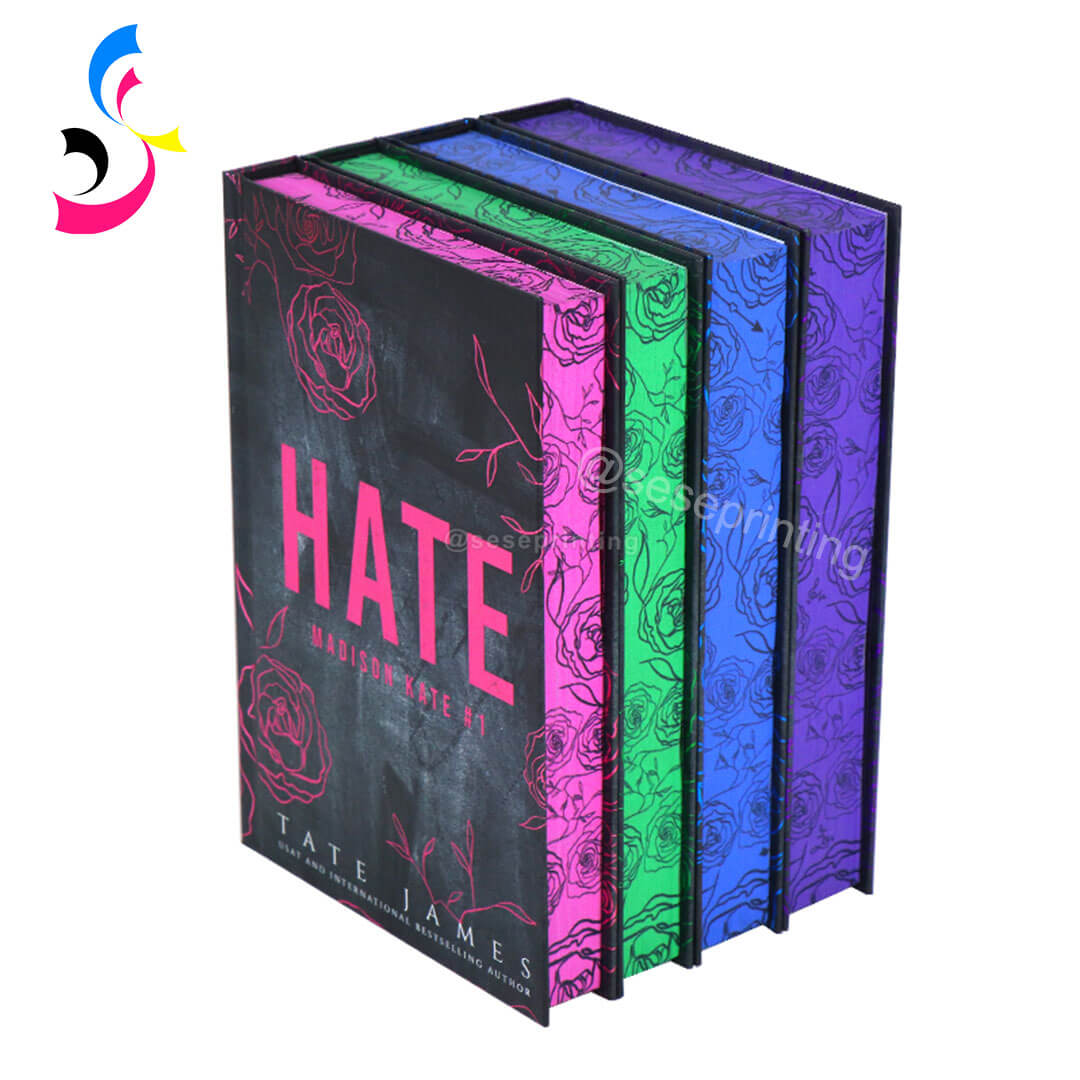
Digital sprayed edges are more than just a finishing touch—they are a canvas for creative expression. With advanced digital spraying technology, hardcover books can be fully customized to reflect your brand, theme, or artistic vision. Some of the most popular options include:
Single-Color Sprays
|
|
|
Metallic Sprayed Edges
|
|
|
Gradient and Multi-Color Effects
|
|
|
Patterned and Custom Designs
|
|
|
Hidden Edges (or Hidden Sprayed Edges)
|
|
|
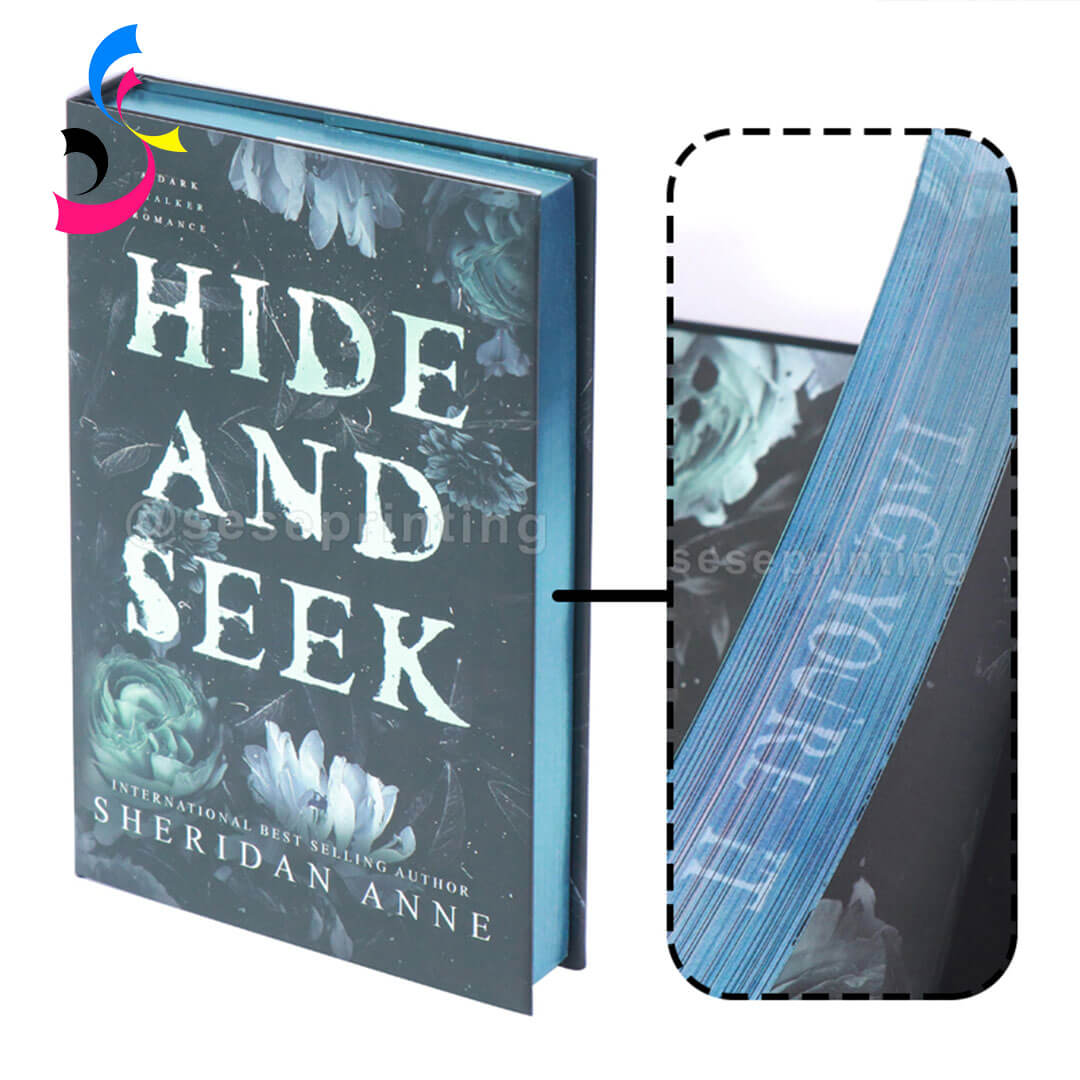
Laser Engraving Edges
|
|
|
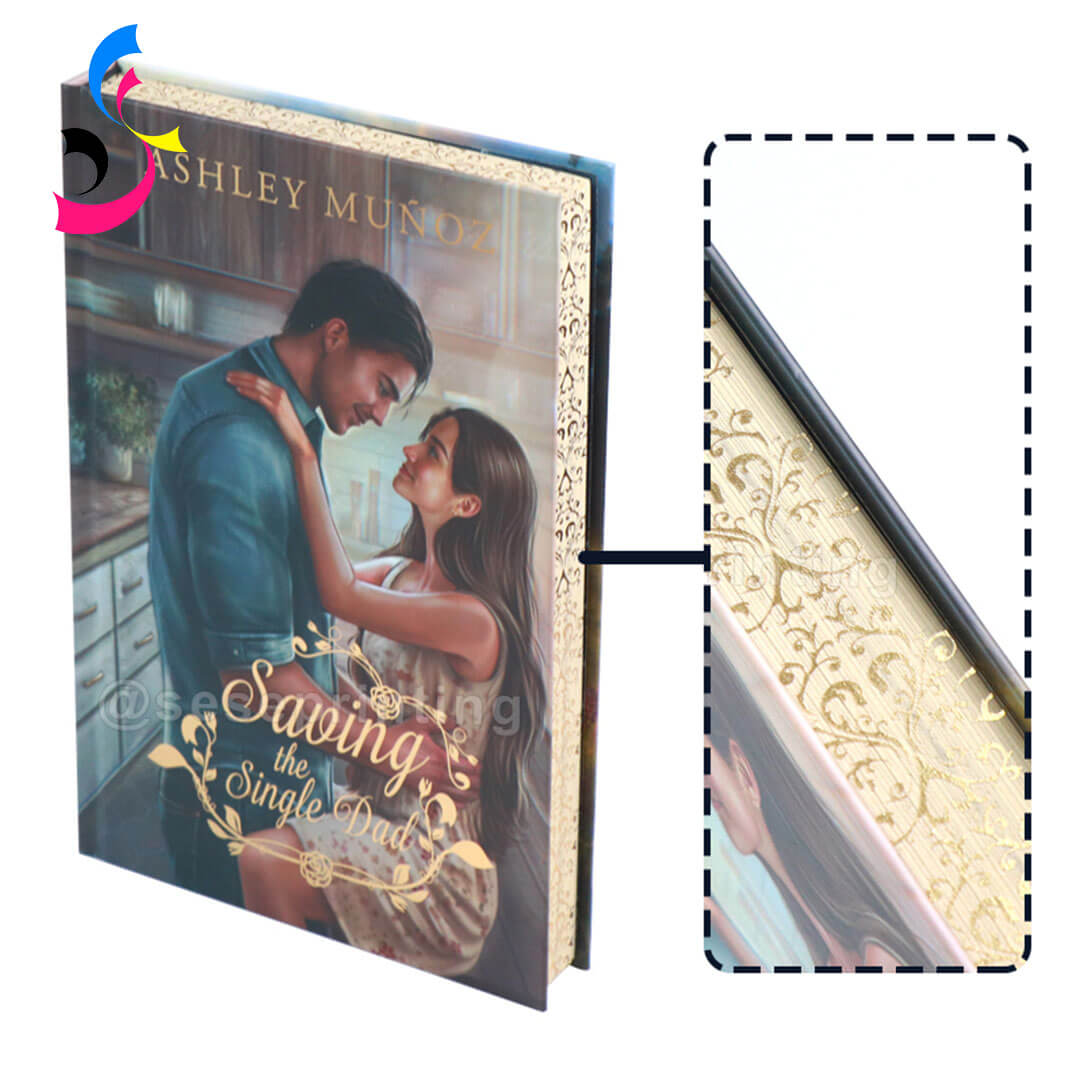
Continuous Printed Patterns Edges
|
|
|
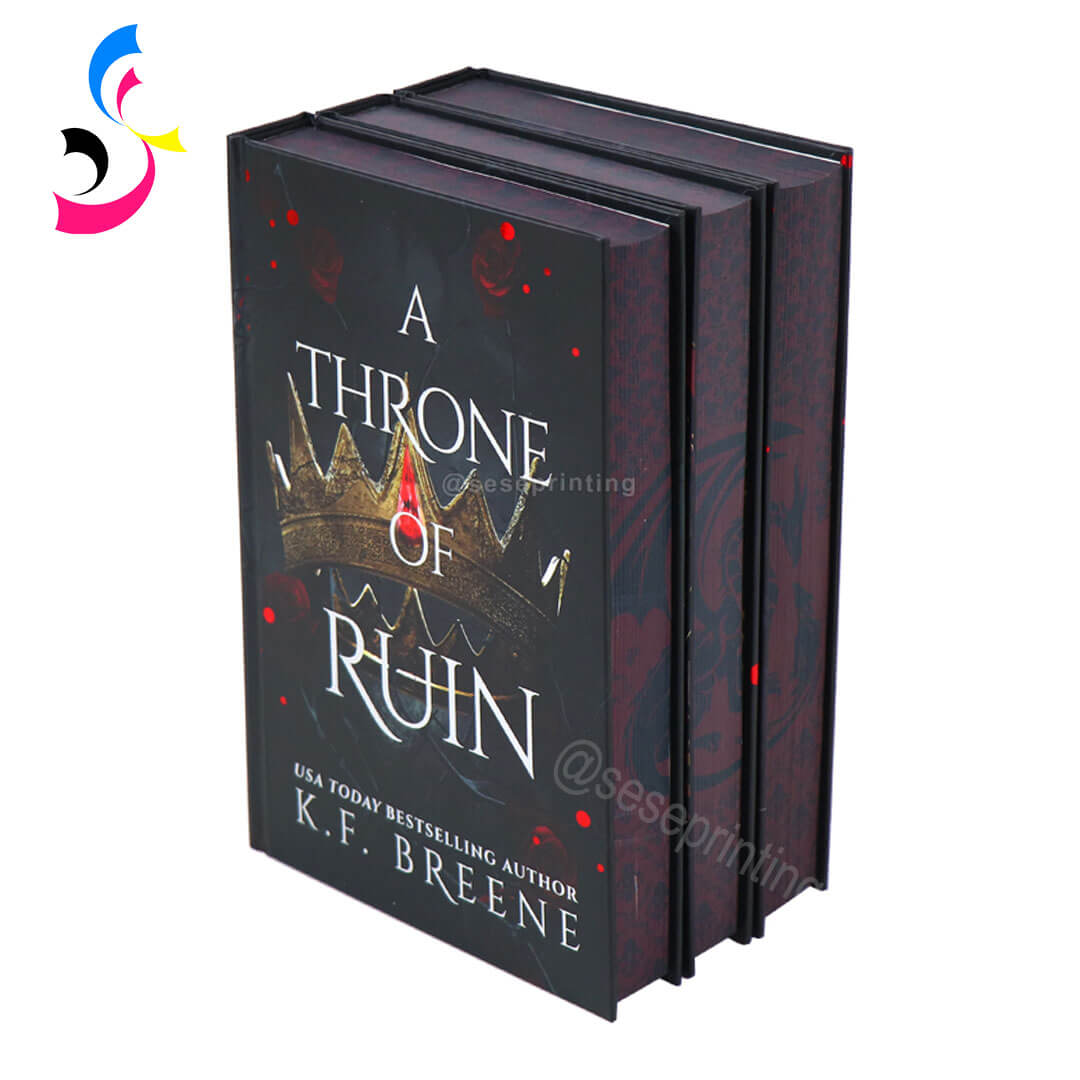
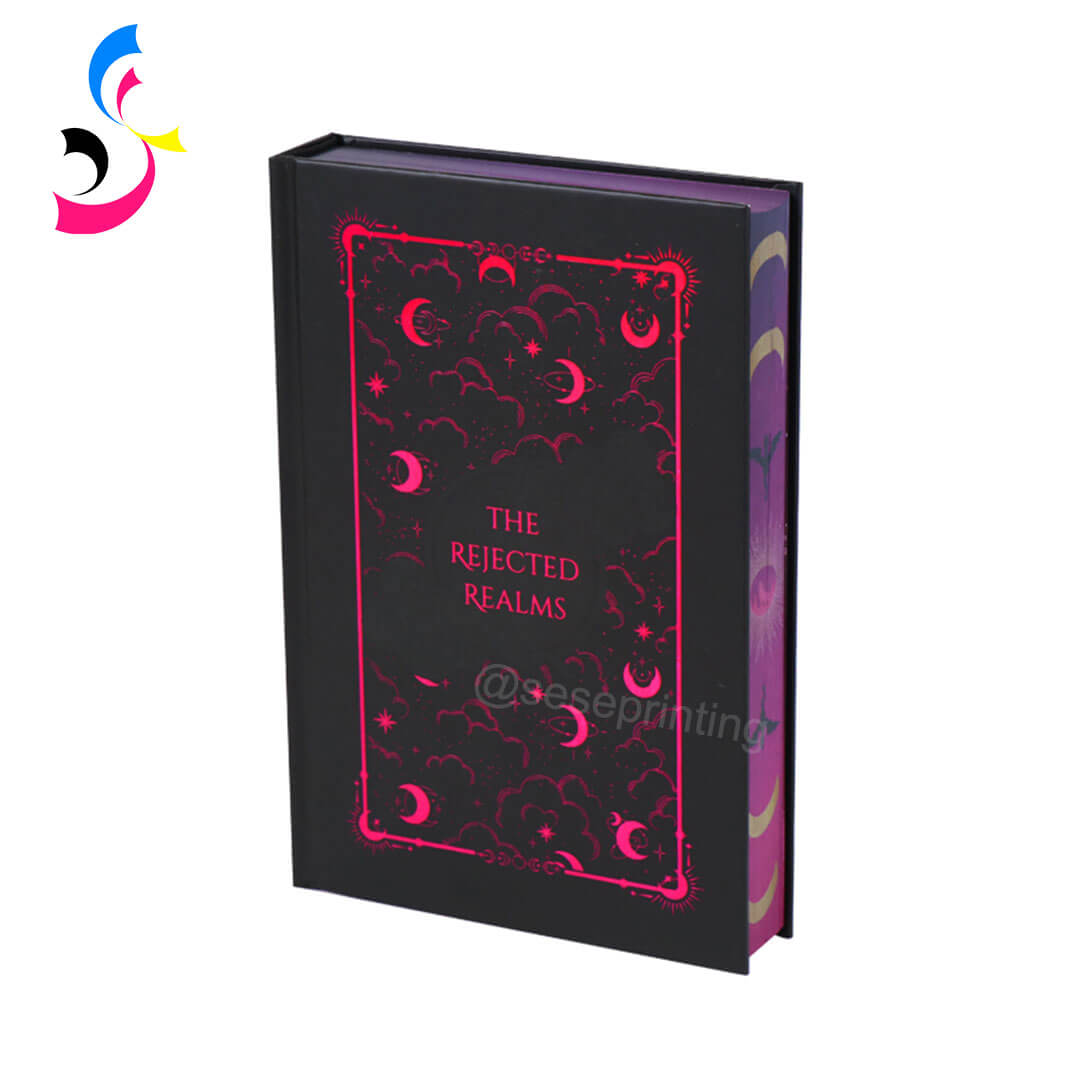
Combination with Other Premium Features
|
|
|
|
|
Foil Stamping |
Spot UV |
Embossing |
Debossing |
|
|
|
|
Endpapers |
Silk Ribbons |
Dust Jackets |
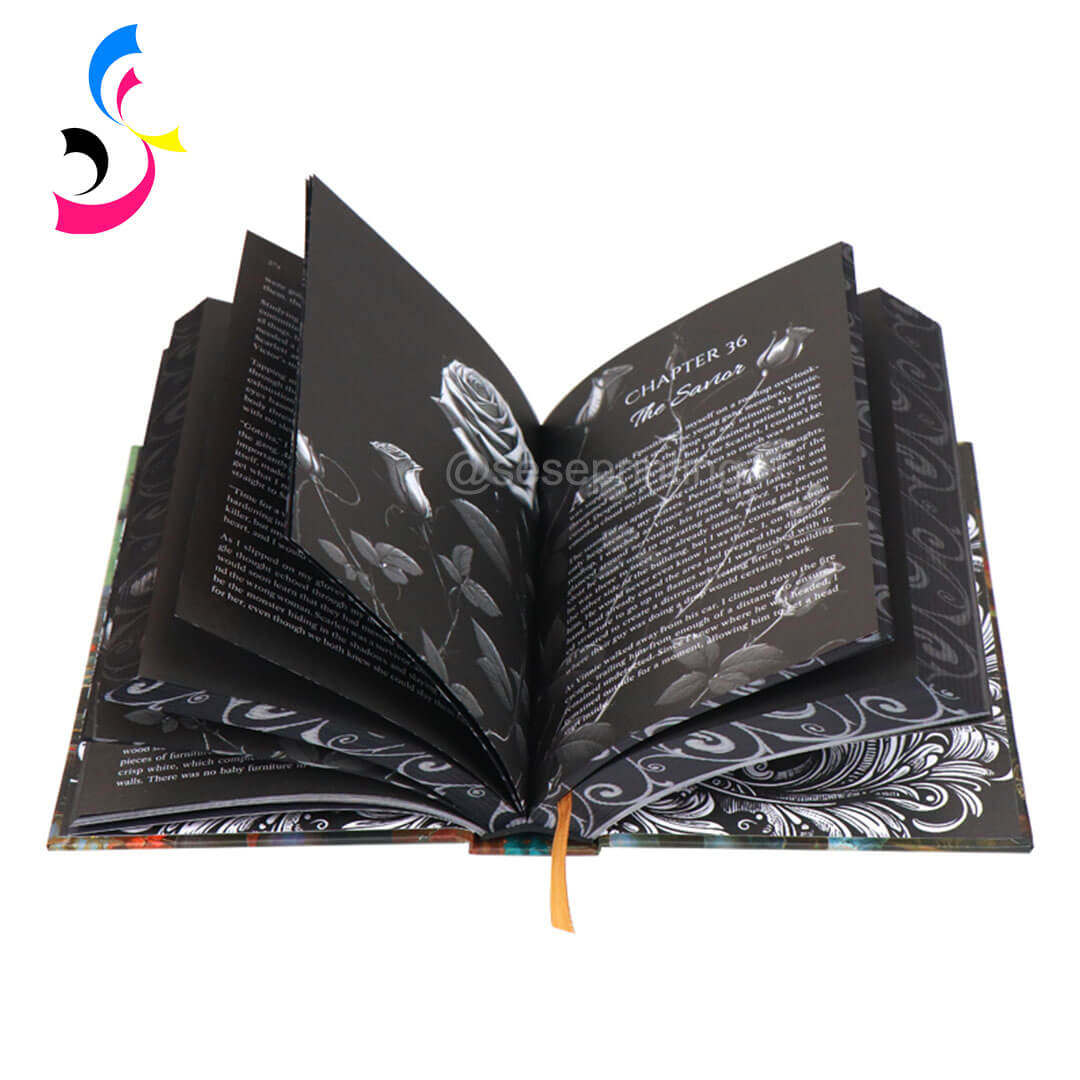
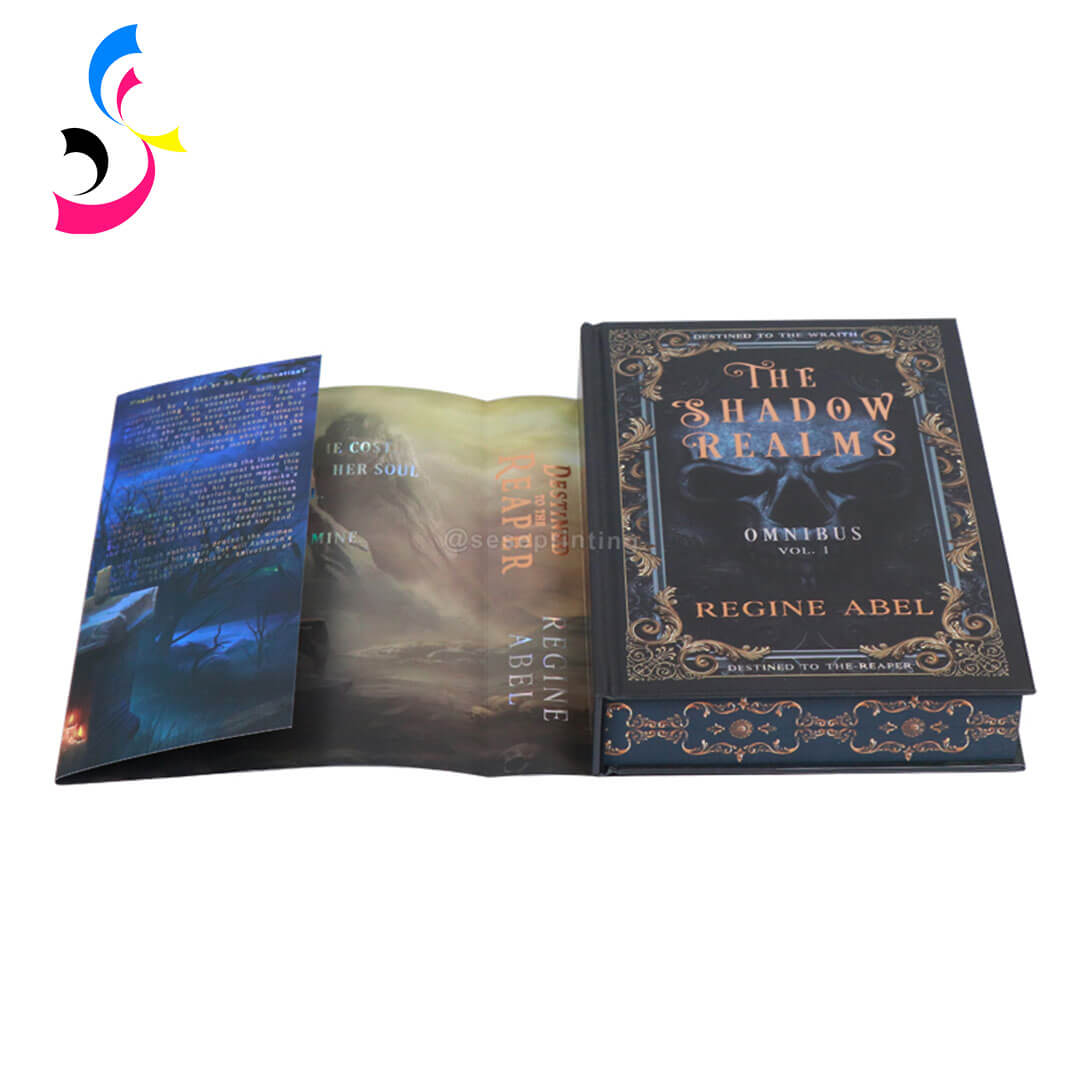
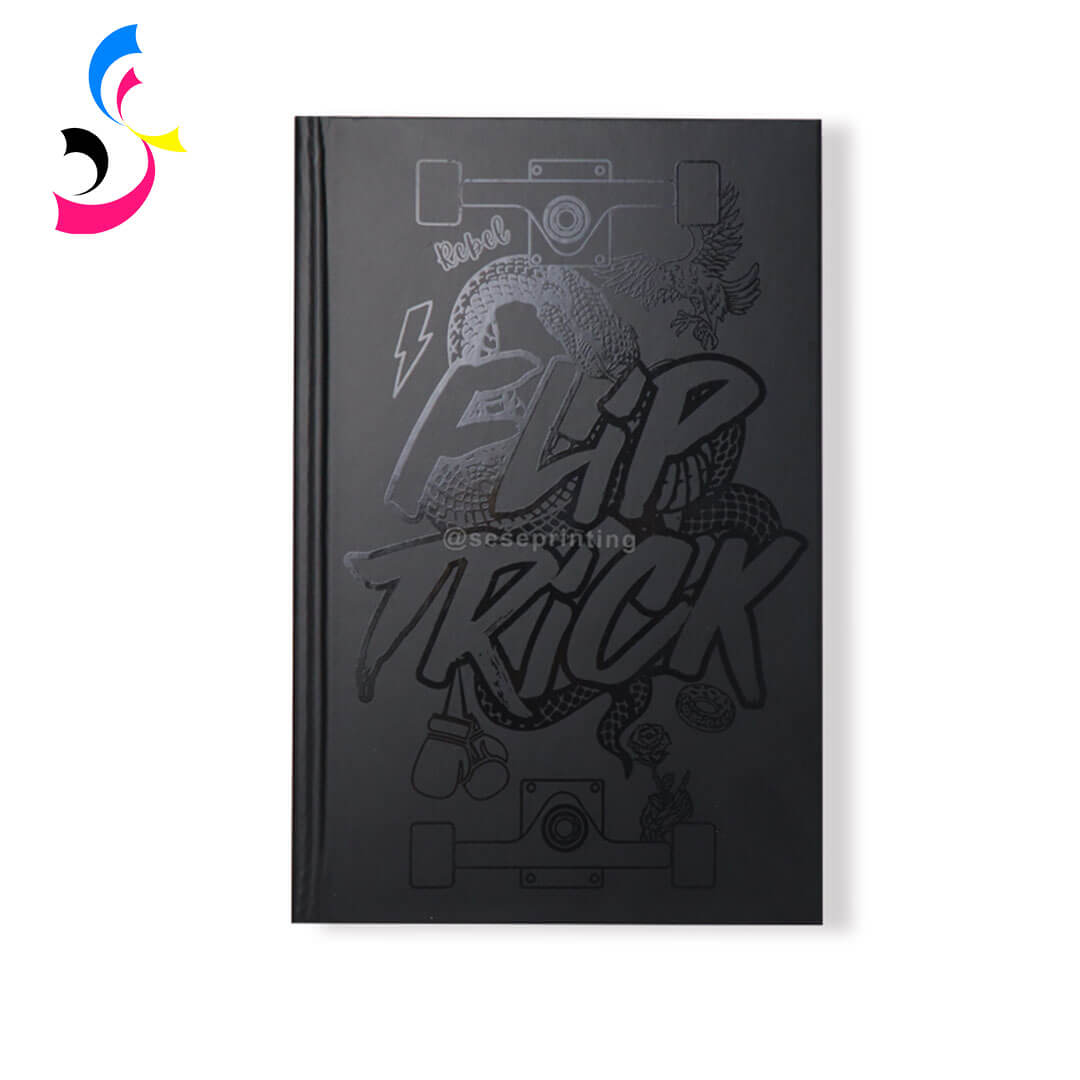
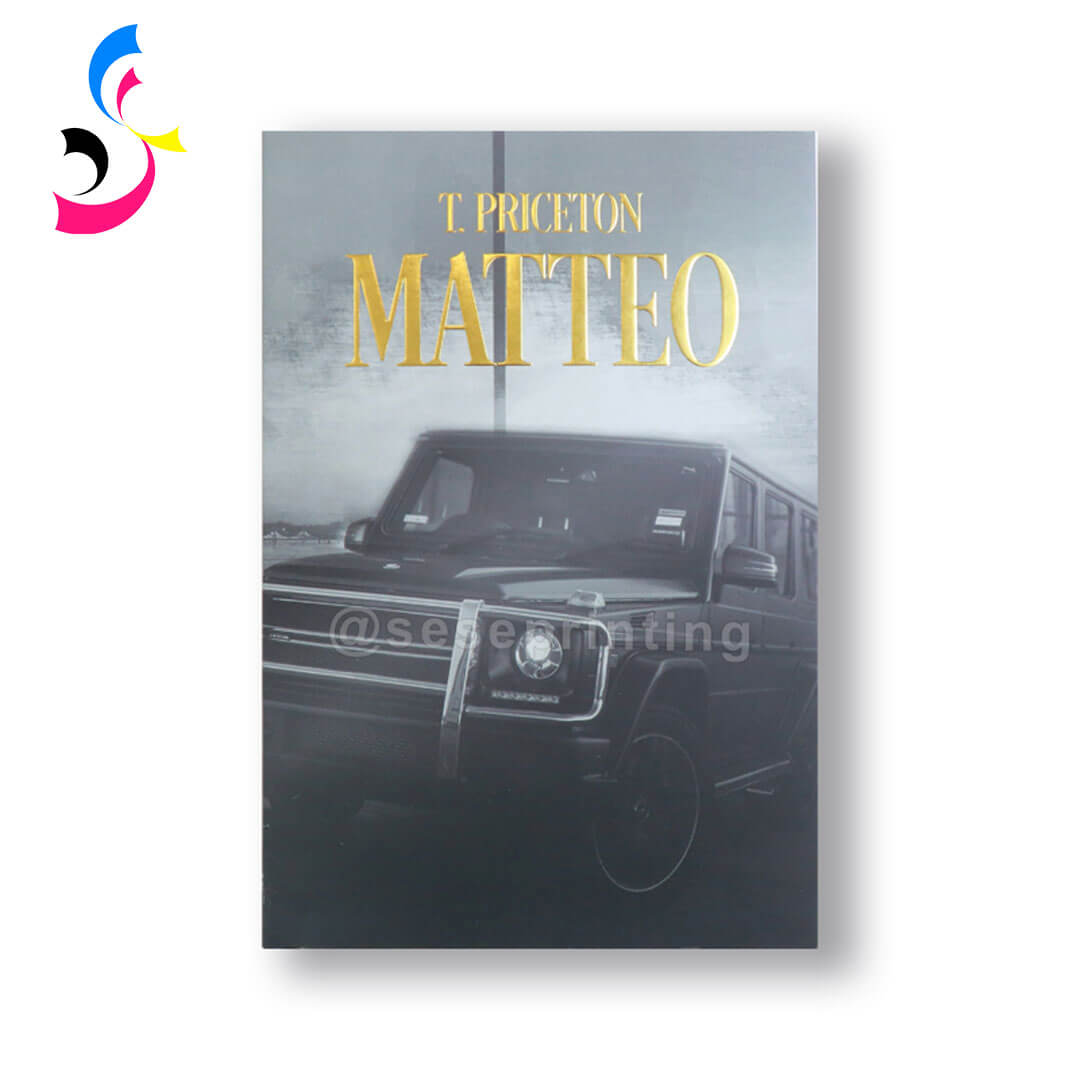
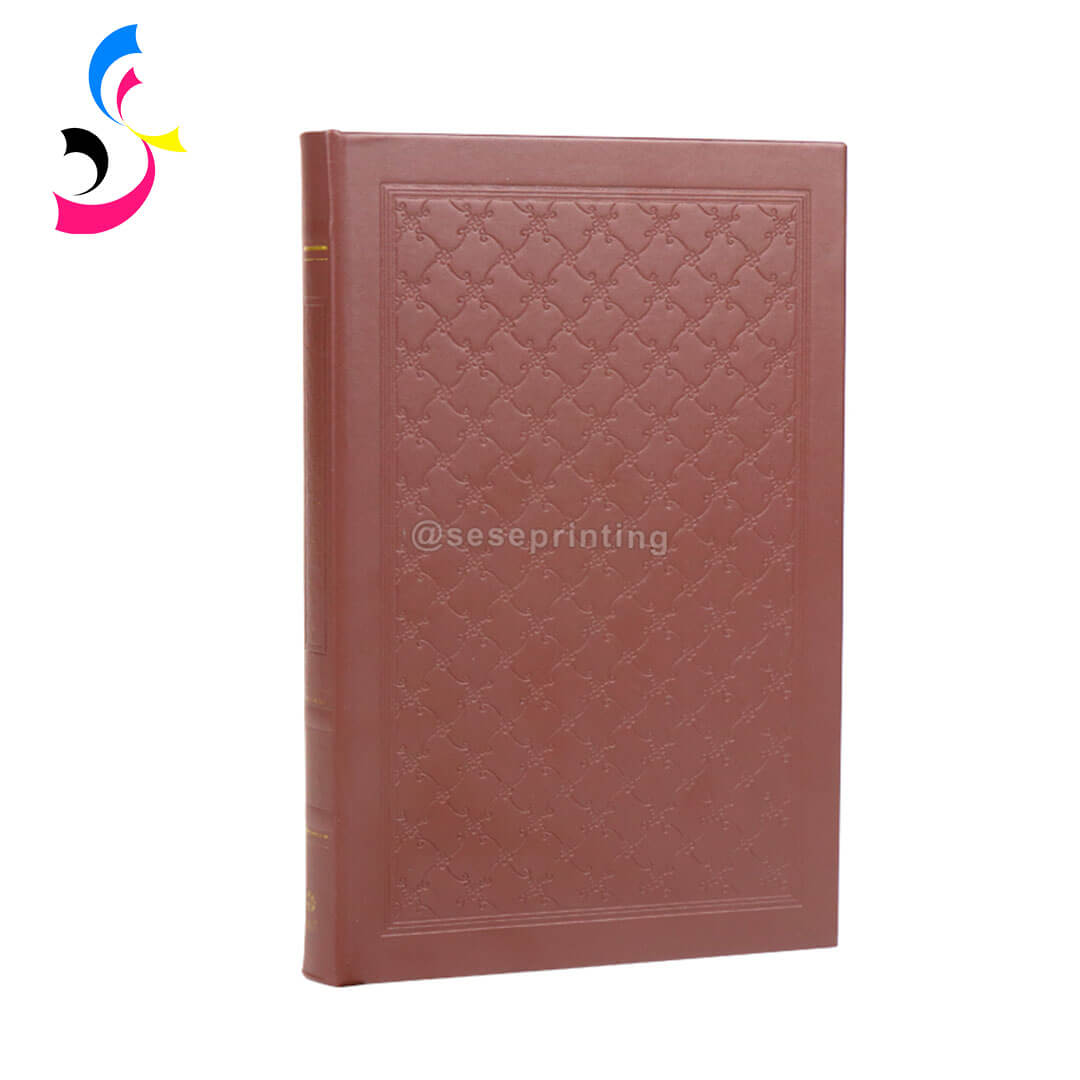
Sprayed edges can be paired with foil stamping, spot uv, embossing, or debossing on the cover for a fully integrated design.
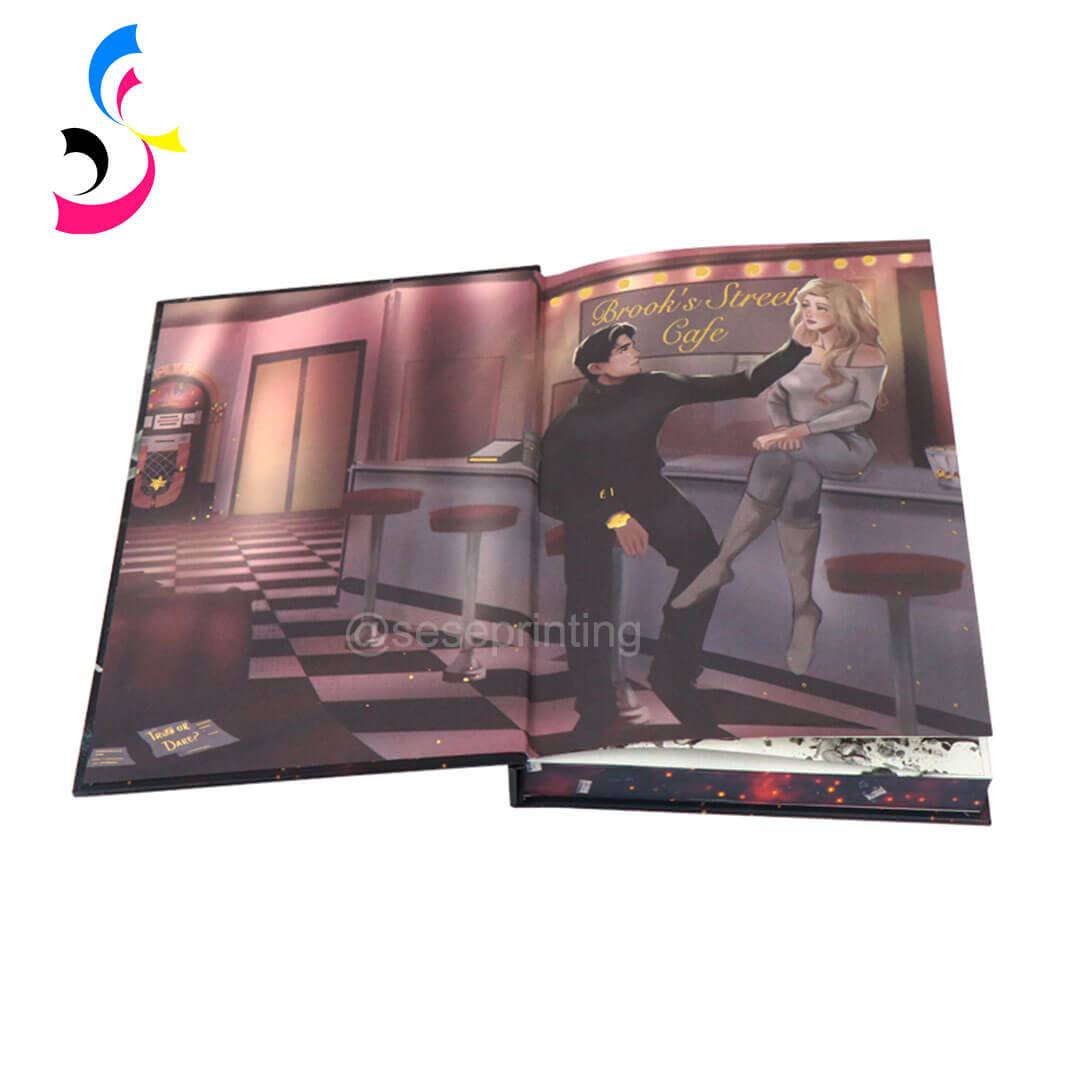
Custom endpapers, silk ribbons, and dust jackets can complement the sprayed edges for a cohesive, luxurious finish.
These combinations allow authors and brands to produce hardcover editions that are truly one-of-a-kind.
Branding Opportunities
For businesses, digital sprayed edges offer subtle branding opportunities. Custom colors or patterns can reflect corporate identity or seasonal campaigns.
Authors and publishers can create signature looks for special editions that stand out in bookstores or online.
At SESE Printing, our expertise in digital sprayed edge technology ensures every custom option is executed with precision.
5. Quality Control and Finishing Touches
Achieving flawless digital sprayed edges goes beyond applying color—it requires rigorous quality control and careful finishing. At SESE Printing, every step of the process is monitored to ensure that each hardcover book meets premium standards.
Inspection and Consistency
Each book undergoes a thorough visual inspection to detect any streaks, uneven coverage, or misaligned patterns.
Digital spraying technology allows for automated checks, ensuring that every page edge receives consistent color or design across the print run.
Even the smallest imperfections are corrected before the book moves to binding and finishing.
Alignment with Trimming and Binding
Sprayed edges must align perfectly with the trimmed page edges and the hardcover binding.
SESE Printing ensures precise calibration so that the sprayed effect appears seamless, whether the book features single-color edges, gradients, or intricate patterns.
Protective Coatings
To maintain vibrancy and durability, a protective coating or varnish is often applied to the edges.
This prevents smudging, fading, or scratches, ensuring that the book retains its premium appearance even after handling.
Finishing Touches
Beyond the edges, finishing touches such as foil stamping, embossing, ribbon bookmarks, and custom endpapers complement the sprayed edges, creating a cohesive, high-end look.
These additional elements elevate the tactile and visual experience, turning each book into a collector-quality edition.
6. Why Digital Sprayed Edges Enhance Your Custom Books
Digital sprayed edges are more than just a decorative element—they are a strategic enhancement that elevates the visual appeal, perceived value, and uniqueness of any hardcover book.
Premium Aesthetic Appeal
Sprayed edges create a striking first impression, catching the eye whether on a bookshelf, display, or in a reader’s hands.
The edges can complement the cover design, reflect a book’s theme, or reinforce branding, making the edition instantly recognizable.
Customization and Exclusivity
With digital technology, each book can feature unique colors, gradients, or patterns, allowing publishers and authors to produce limited or special editions.
This level of customization transforms ordinary hardcovers into collector-worthy items, increasing their appeal for readers, clients, or promotional purposes.
Integration with Other Premium Finishes
When combined with foil stamping, embossing, decorative endpapers, or ribbon bookmarks, sprayed edges contribute to a cohesive, high-end presentation.
These features signal attention to detail and quality craftsmanship, enhancing the overall perception of the book.
Brand and Marketing Value
For self-published authors, publishers, or brands, digital sprayed edges act as a visual signature, reinforcing identity and making the book stand out in competitive markets.
Custom finishes like these are an effective way to elevate your product’s perceived value, making it not just a book, but a premium experience for readers.
Achieving perfect digital sprayed edges is part of a full-service approach to custom hardcover printing, combining advanced technology with expert craftsmanship to deliver books that leave a lasting impression.
Conclusion
Perfect digital sprayed edges are not achieved by accident—they require the right combination of understanding, materials, precision technology, creative customization, and rigorous quality control. Digital methods have democratized edge decoration, making short runs, variable data, and complex patterns affordable and repeatable.
At Sese Printing, we specialize in producing hardcover books with digitally sprayed edges that meet gallery-grade standards. From solid brand colors to intricate fore-edge patterns, our industrial UV-inkjet systems and experienced bindery team deliver consistency across 100 or 5,000 copies.
Ready to add a perfect finishing edge to your next hardcover project?
Contact Sese Printing today for a digital sprayed edge sample kit and a custom quote. Let your books stand out—from every angle.
 Differentiate Your Book Box: Premium Custom Printing Solutions for Subscription Brands
 You May Also Like


 Tel
Tel
 Email
Email
 Address
702 No. 21 Huizhong Road, Shiqiao St, Panyu District. Guangzhou city, Guangdong Province. China

Joy
 Whatsapp