



 Home
HomeHow to Choose the Perfect Book Cover for Your Self-Published Book
 Jun 05,2026

 SESE
SESE
How to Choose the Perfect Book Cover for Your Self-Published Book
In self-publishing, your book cover is often the first — and sometimes only — chance to capture a reader’s attention. Before readers explore your blurb, reviews, or sample chapters, they judge your book by its cover design. A compelling cover can dramatically improve click-through rates, reader trust, and ultimately book sales.
Whether you are publishing fiction, nonfiction, romance, fantasy, or children’s books, choosing the perfect cover requires a balance of creativity, market awareness, and professional production quality. Here’s how to design a book cover that attracts readers and strengthens your author brand.
1. Start with Genre Norms
Every book genre has established visual expectations. Readers subconsciously rely on these design cues to identify books they may enjoy.
For example:
-
Romance: Usually features embracing couples, warm tones, and elegant fonts.
-
Thriller/Mystery: Dark palettes, isolated figures, sans-serif block fonts.
-
Fantasy/Sci-Fi: Elaborate illustrations, glowing effects, crests or spaceships.
-
Non-fiction: Bold author name, clear subtitle, often a photo of the author or a single powerful object.
-
Children’s books: Featuring bright colors, playful illustrations, and expressive characters.
Studying bestselling books in your category helps you understand what readers expect while identifying opportunities to stand out. The goal is not to copy competitors, but to create a cover that instantly communicates your book’s genre and tone.
A mismatch between genre and cover design can confuse readers and reduce sales potential.
2. Understand Your Target Audience
Ask yourself:
-
What age group am I targeting?
-
What visual styles appeal to my audience?
-
Are my readers looking for luxury, escapism, professionalism, or emotional connection?
-
Will they primarily discover the book online or in physical bookstores?
For example, younger fantasy readers may prefer highly decorative special edition covers with sprayed edges and foil stamping, while business book readers often respond better to clean, authoritative, minimalist designs.
Understanding your audience also helps determine:
-
Typography style
-
Color palette
-
Illustration complexity
-
Finish options
-
Hardcover vs. paperback presentation
The more closely your cover aligns with reader expectations, the more likely it is to connect emotionally and commercially.
3. Prioritize Readability
Readability is especially critical in online marketplaces where books appear as small thumbnails.
Key readability principles include:
-
Use clear, legible fonts
-
Ensure strong contrast between text and background
-
Avoid overcrowding the design
-
Keep typography hierarchy clear
-
Make the title visible even at reduced sizes
Simple, bold typography often performs better than overly elaborate designs.
4. Choose Colors Strategically
Colors strongly influence emotional perception and buying behavior.
Different colors communicate different moods:
-
Black: sophistication, mystery, luxury
-
Gold: prestige, premium quality, fantasy
-
Red: passion, danger, intensity
-
Blue: trust, calmness, professionalism
-
Green: growth, nature, wellness
-
Purple: magic, royalty, imagination
Color combinations should reinforce your genre and emotional tone.
For example:
-
Dark fantasy covers often combine black, crimson, and metallic foils.
-
Romance books may use blush pinks, creams, or warm neutrals.
-
Thriller novels frequently rely on dark contrasts with sharp highlights.
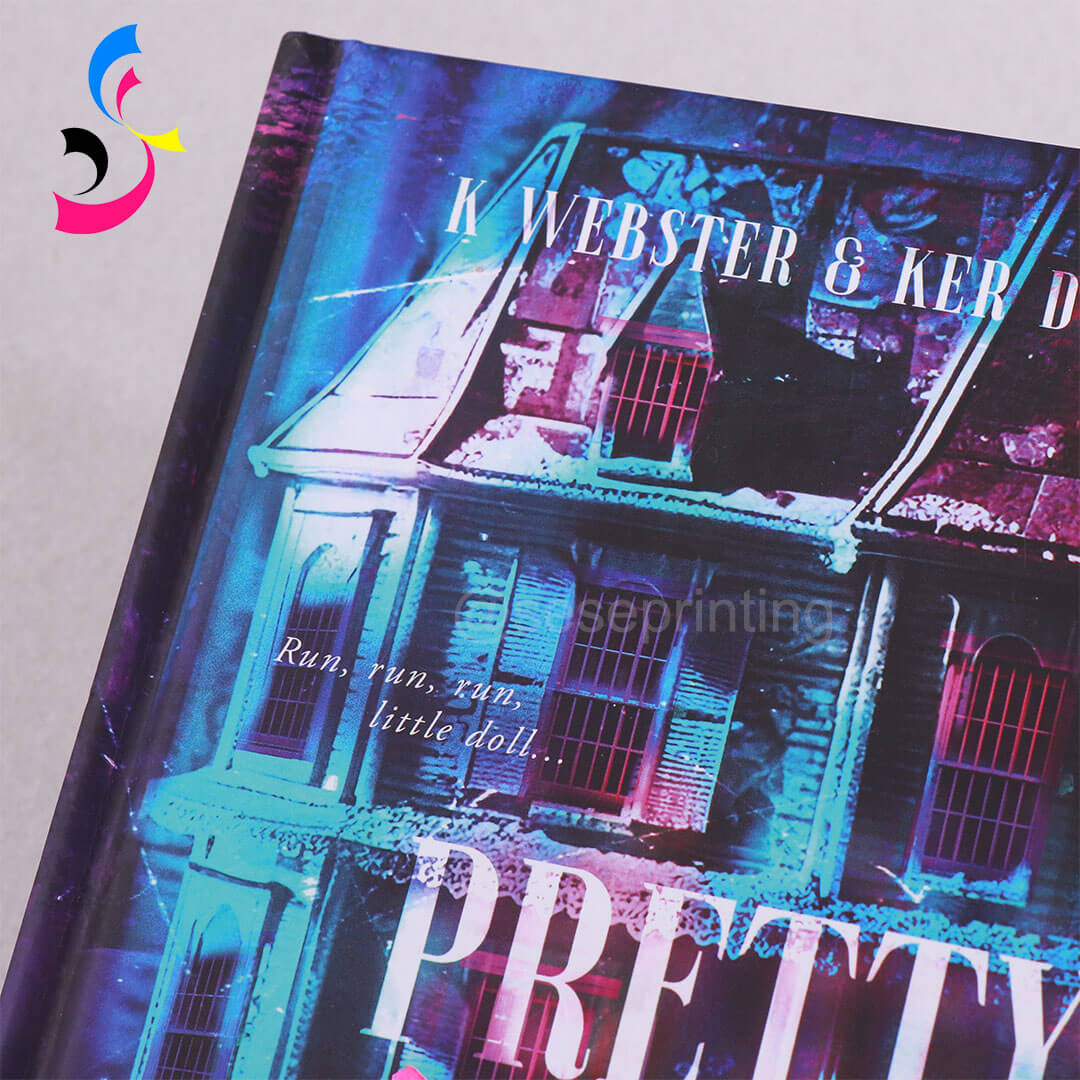
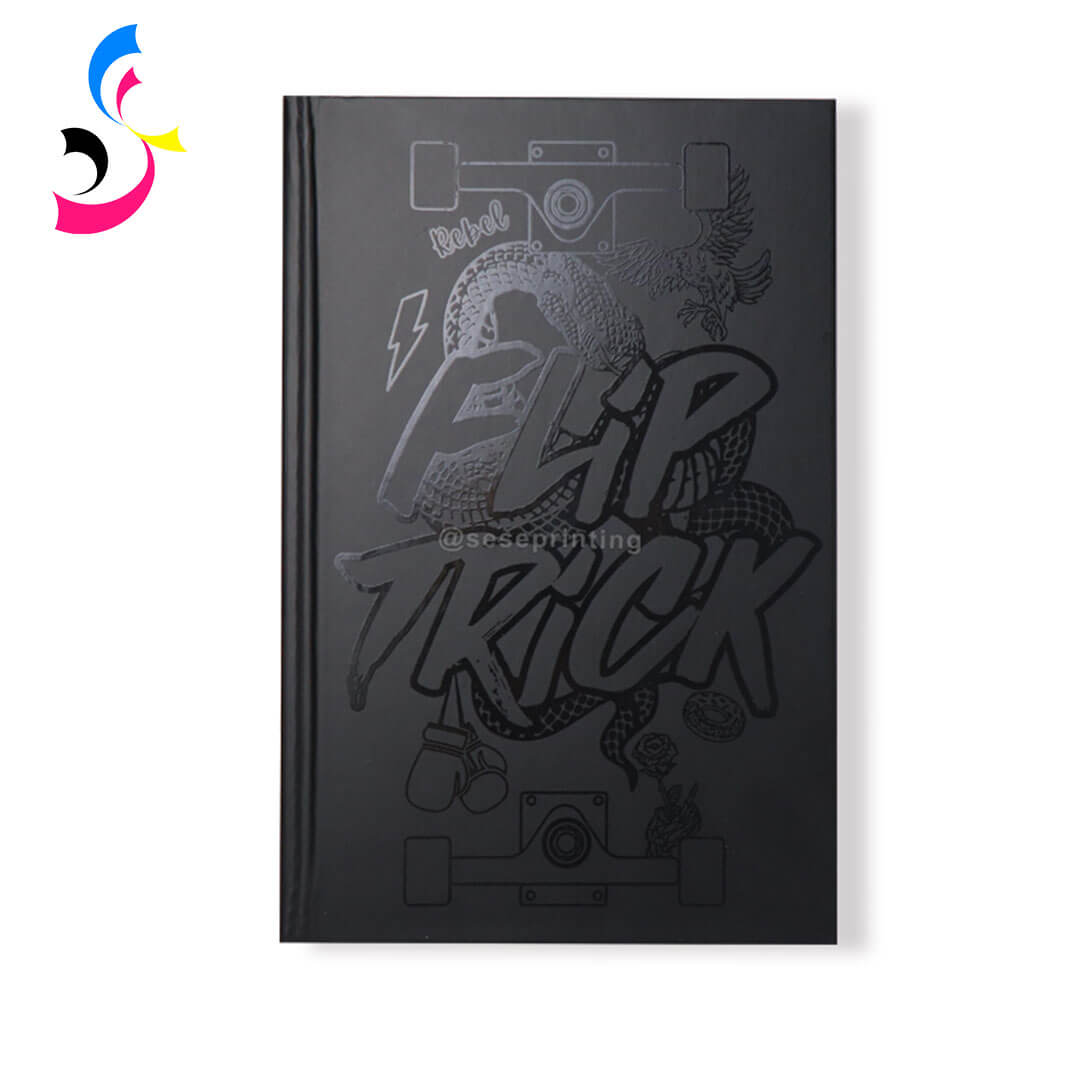
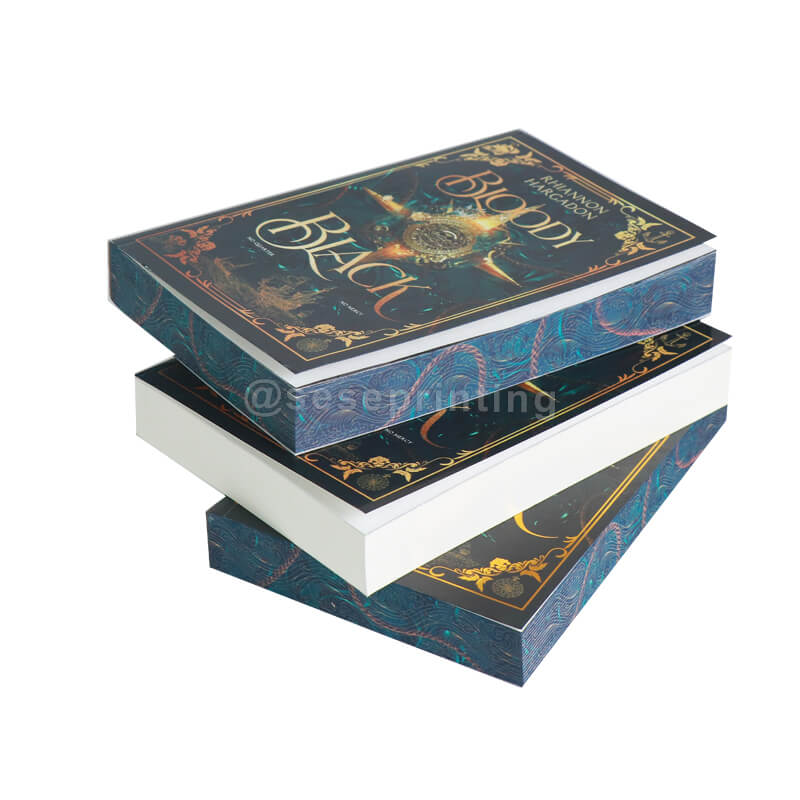
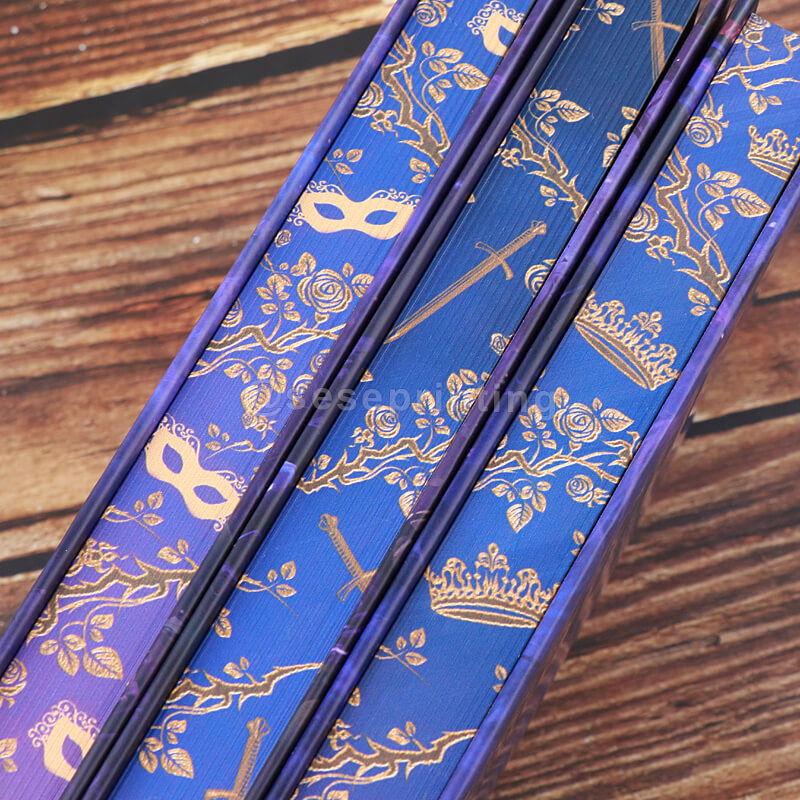
Special printing effects can further enhance color impact. Foil stamping, spot UV coating, embossed textures, and sprayed edges create a premium tactile experience that makes books more collectible and visually distinctive.
5. Balance Imagery & Minimalism
An effective book cover balances visual storytelling with clean composition.
Too much imagery can overwhelm readers, while overly minimal designs may fail to communicate the story’s atmosphere.
When using illustrations or photography:
-
Focus on one dominant visual element
-
Avoid cluttered layouts
-
Leave sufficient negative space
-
Ensure the focal point supports the title
-
Maintain consistency between front cover, spine, and back cover
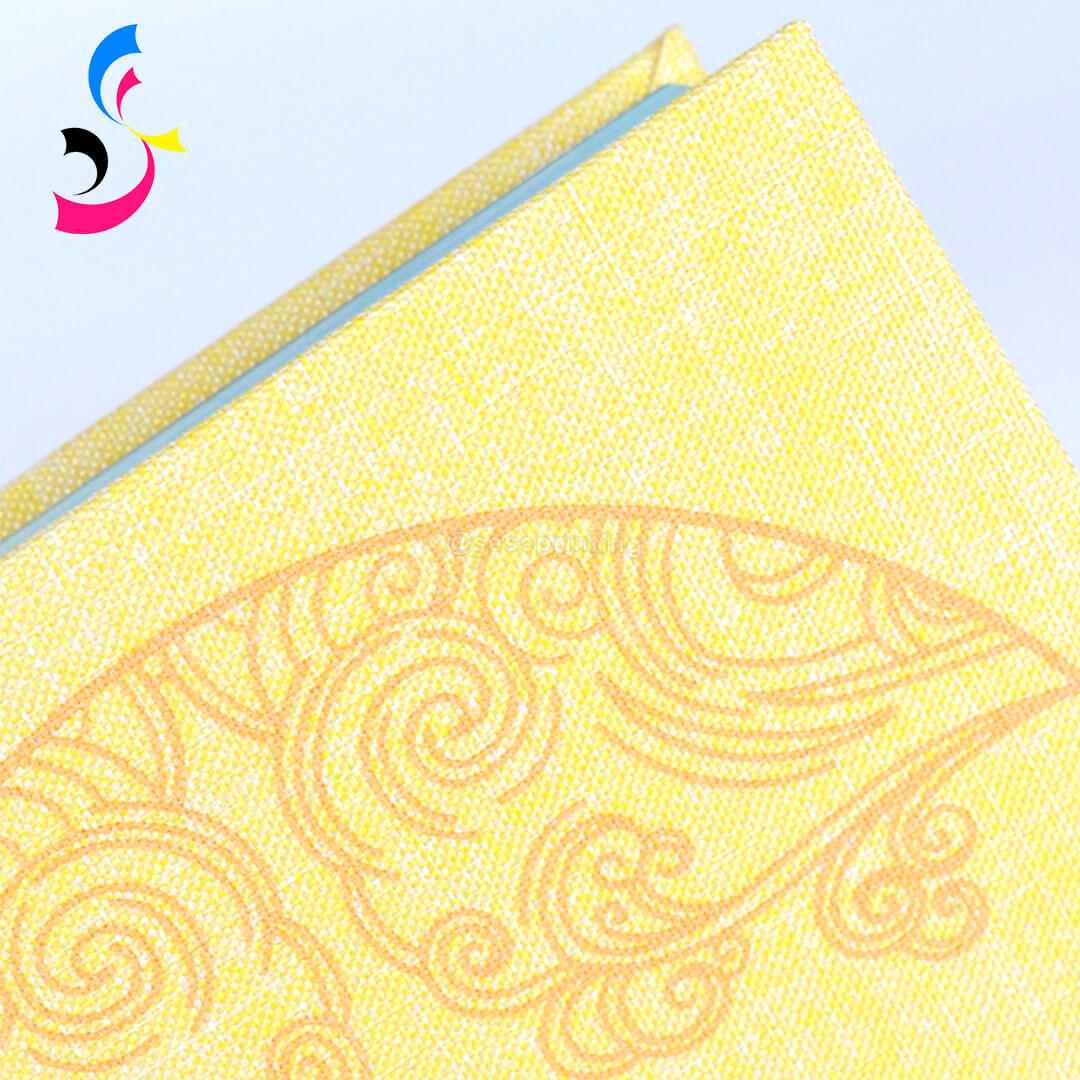
Minimalist covers can be extremely powerful when paired with premium finishing techniques such as:
|
|
|
|
Foil Stamping |
Embossing |
Debossing |
|
|
|
|
Spot UV |
Linen Cover |
Soft-touch Matte Lamination |
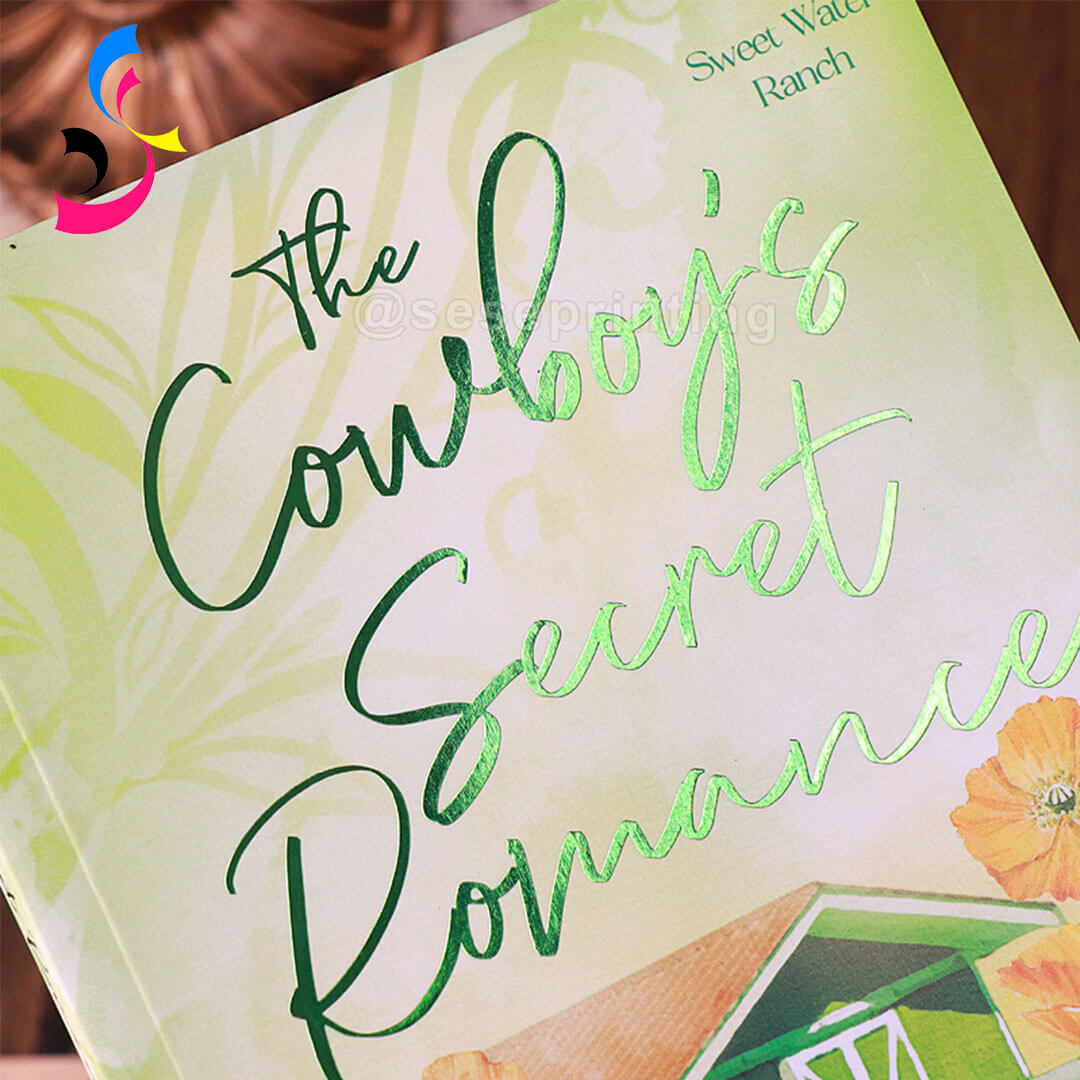
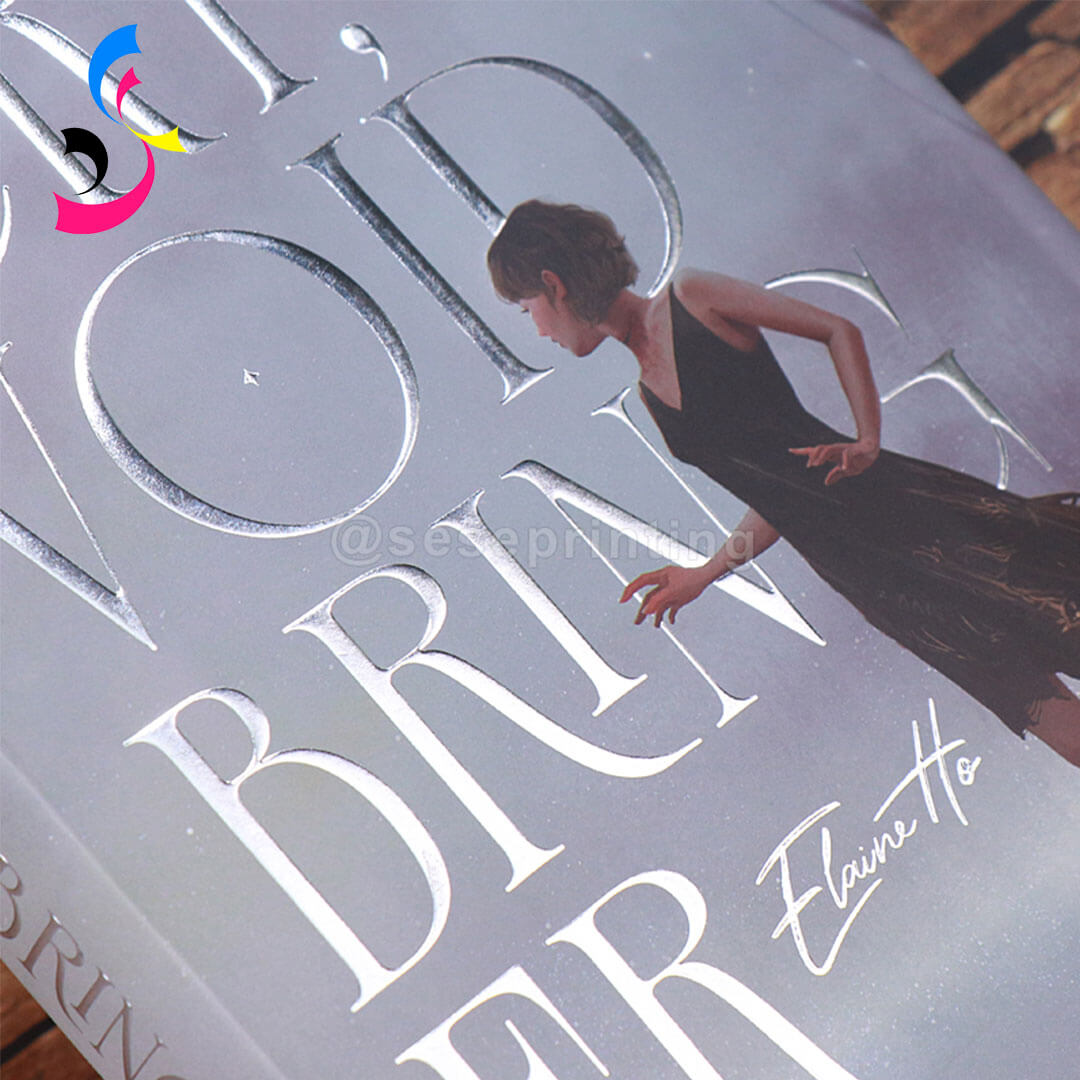
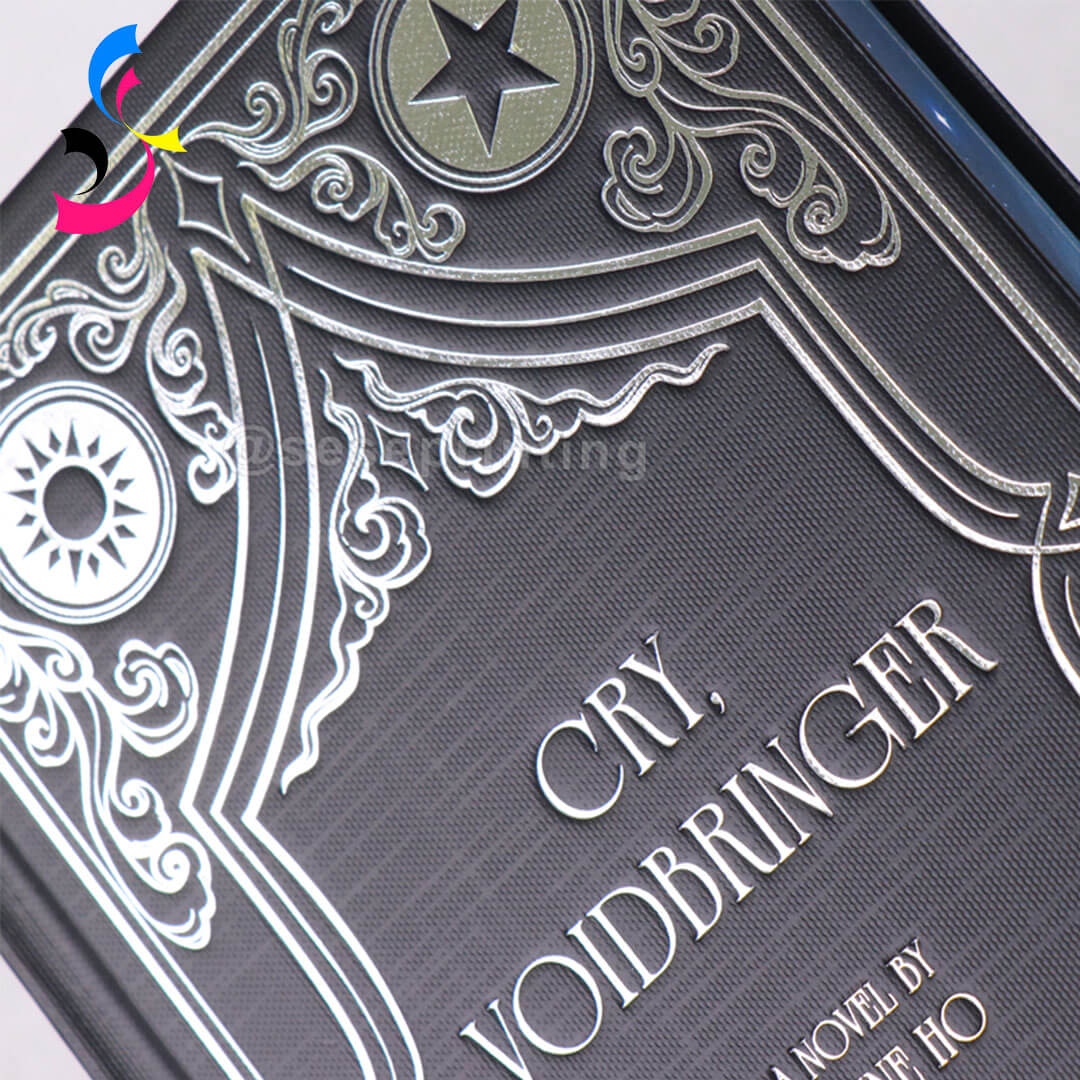
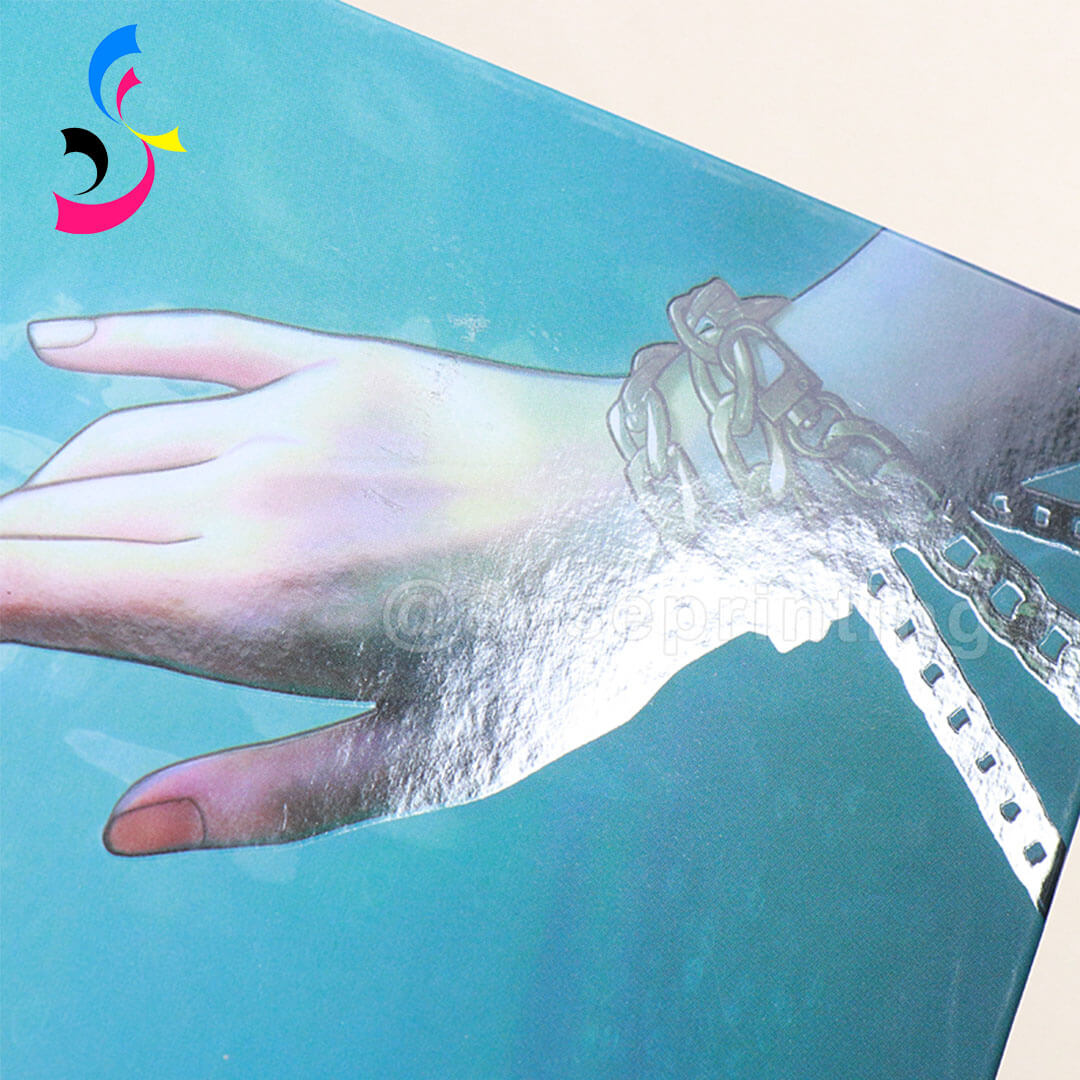
-
Foil stamping
-
Embossing
-
Debossing
-
Spot UV
-
Linen or soft-touch lamination
These production details add sophistication without requiring overly complex artwork.
For special edition books, combining minimal cover layouts with decorative sprayed edges, illustrated endpapers, and dust jackets can create a luxury collector aesthetic highly popular in today’s independent publishing market.
6. Hire a Professional Book Cover Designer
Professional designers understand:
-
Market positioning
-
Genre trends
-
Typography
-
Print production requirements
-
Visual hierarchy
-
Reader psychology
A professionally designed cover immediately increases credibility and perceived value.
Experienced designers also prepare files correctly for printing, ensuring:
-
Proper bleed setup
-
CMYK color accuracy
-
Spine alignment
-
Foil and spot UV layers
-
Dust jacket specifications
-
Edge printing compatibility
If your budget allows, working with a designer who specializes in your genre can significantly improve your book’s commercial success.
For authors producing premium special editions, collaboration between the designer and printer is especially important to ensure every decorative feature is technically achievable and visually effective.
7. Test & Get Feedback
Before finalizing your cover, gather feedback from real readers.
Useful testing methods include:
-
Social media polls
-
Author communities
-
ARC readers
-
Facebook reader groups
-
A/B testing advertisements
-
Comparing thumbnail visibility
Constructive feedback often reveals issues the author may overlook.
Testing multiple versions can also improve conversion performance before launch.
8. Make It Timeless & Memorable
Trends come and go, but timeless covers maintain long-term appeal.
Avoid relying too heavily on temporary design fads that may quickly feel outdated.
Instead, focus on:
-
Strong typography
-
Cohesive composition
-
Emotional resonance
-
High-quality materials
-
Unique branding elements
Memorable covers often use simple but distinctive visual identities.
Series branding is also important for self-published authors. Maintaining consistent typography, layout structure, or color systems across multiple books strengthens recognition and builds reader loyalty.
Conclusion
Once your design is perfect, you need a printing partner who respects that artwork. Designing for digital is one thing; printing on physical paper is another. Ink absorbs differently, colors shift between RGB (screen) and CMYK (print), and the wrong paper stock can ruin a beautiful font.
For self-published authors who want their books to achieve the same premium quality as traditionally published editions, SESE Printing is a trusted partner in custom book manufacturing. Specializing in high-quality printing solutions for independent authors, publishers, Kickstarter campaigns, and special edition collectors, we transform creative book concepts into professionally crafted physical editions.
|
|
|
|
Softc-touch Romance Novel |
Suspense Thriller with Spot UV |
Foil Hardcover with Sprayed Edges |


|
|
|
|
|
|
Illustrated Endpapers |
Dust Jackets |
Ribbon, Bookmarker |
Patterned Edges |
Premium Packaging |
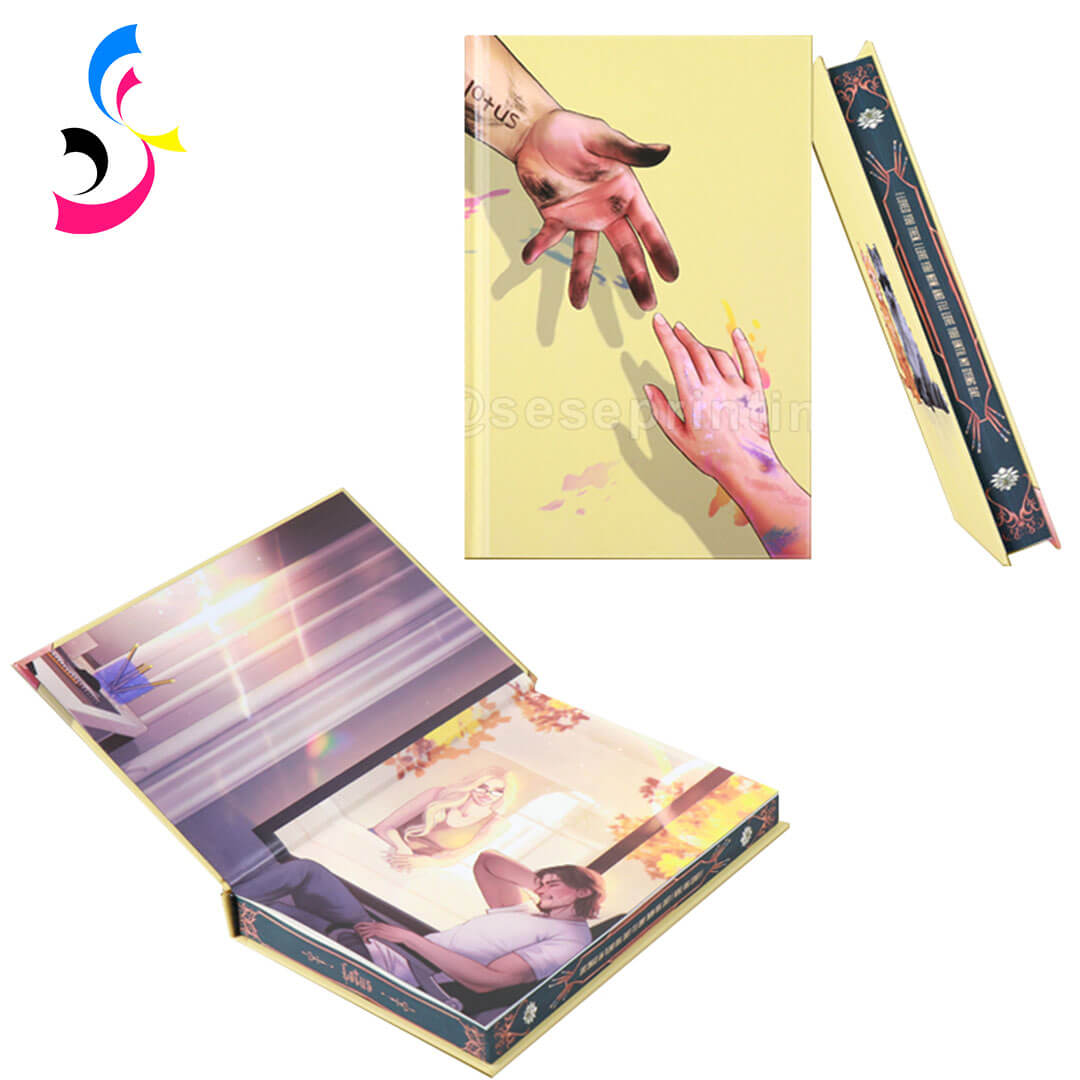
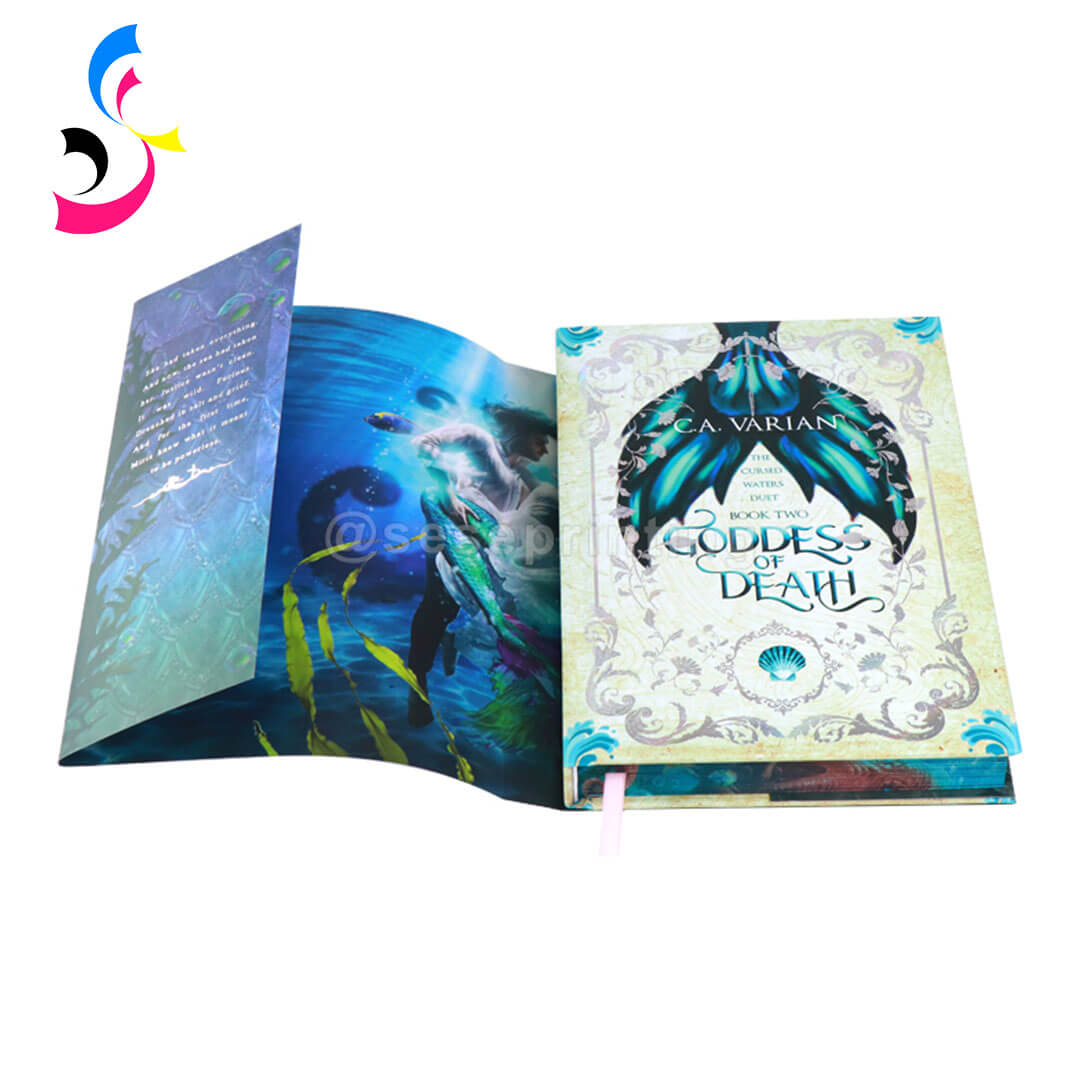
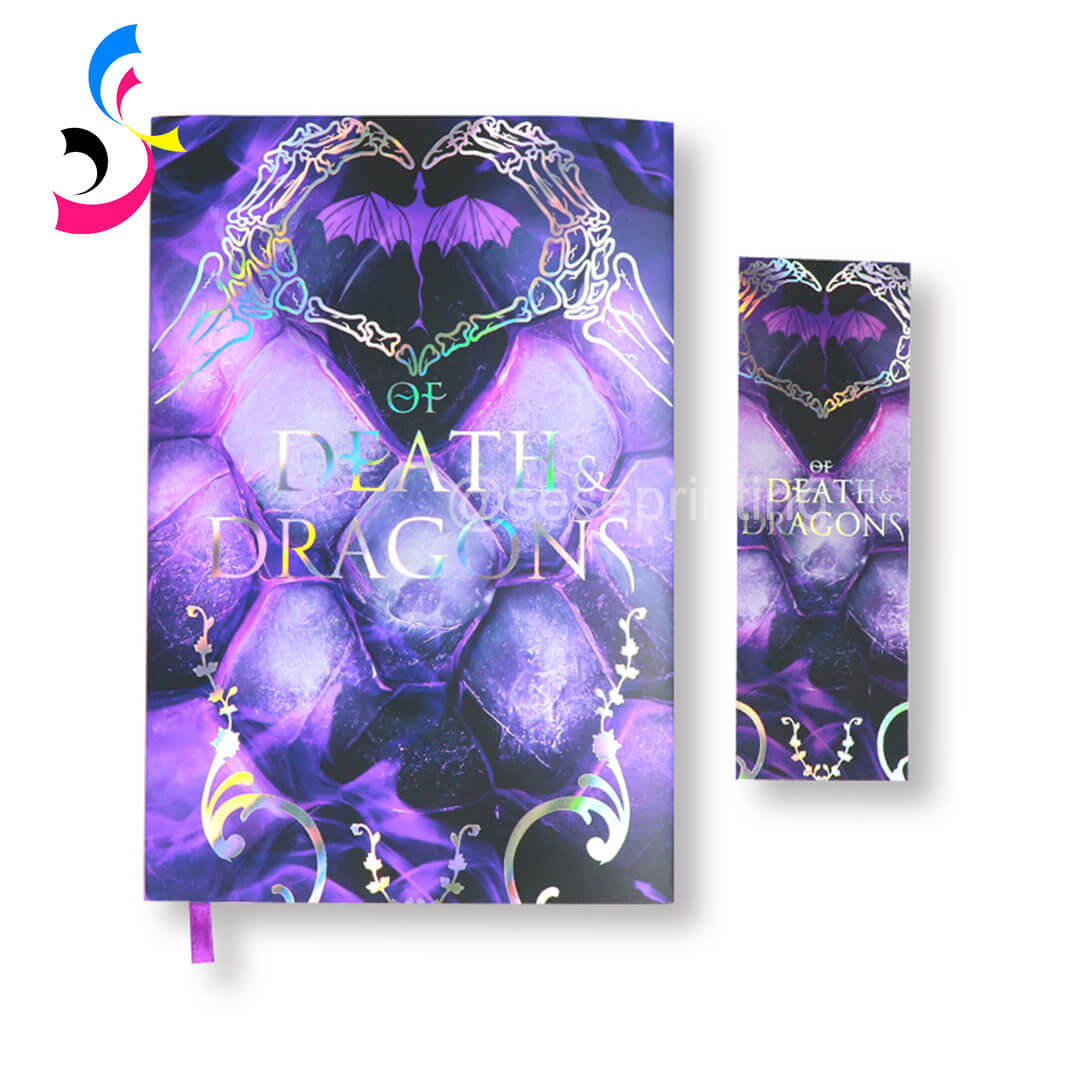
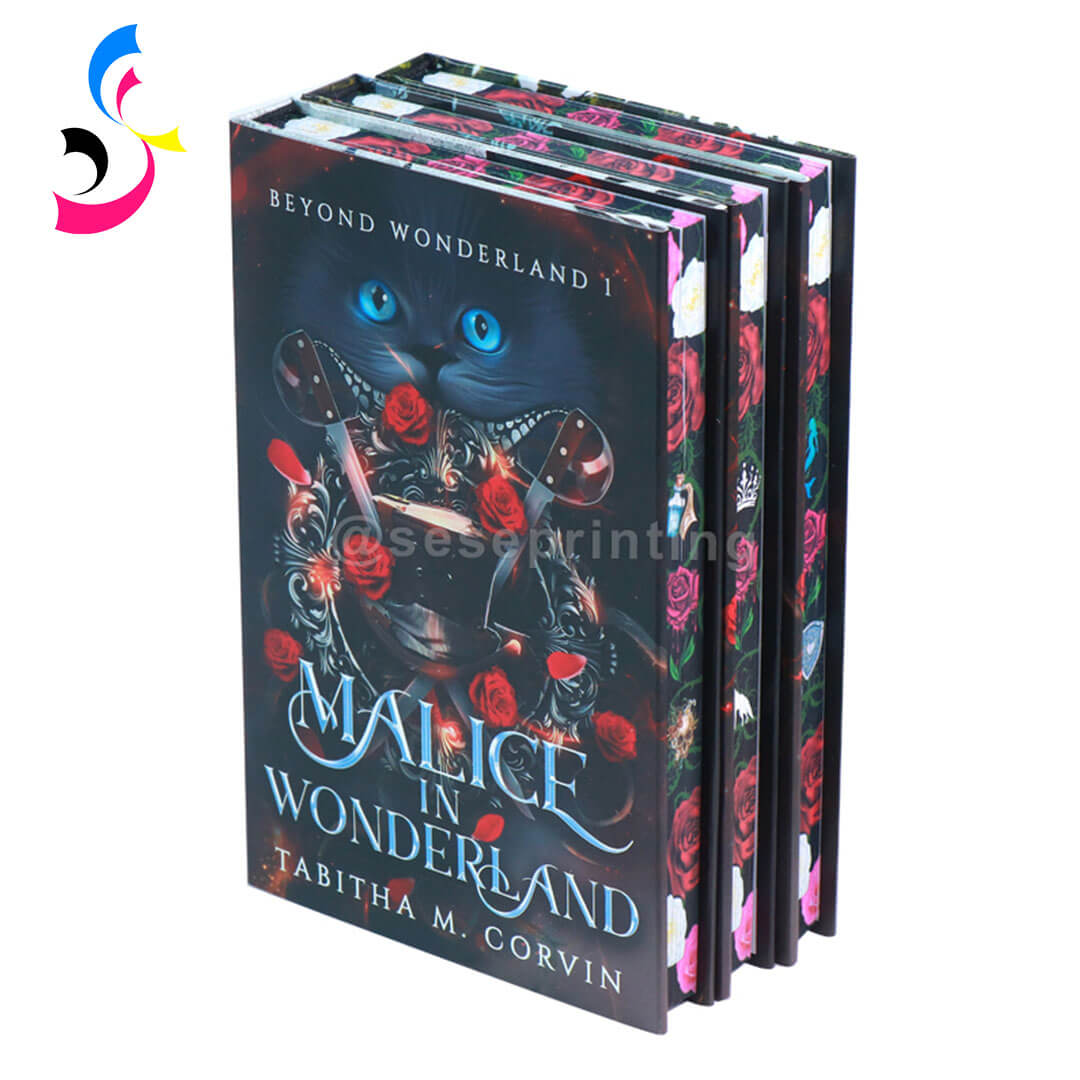
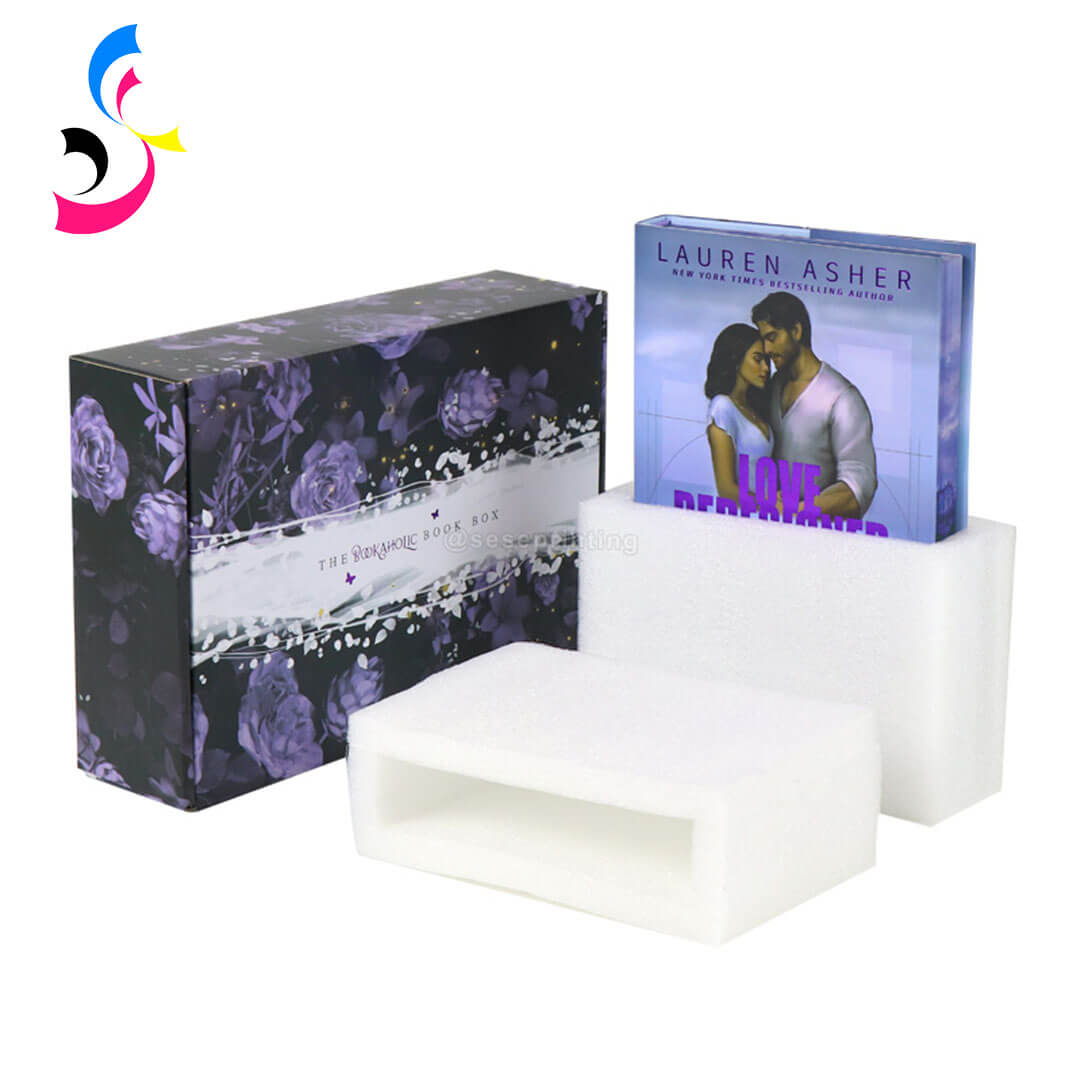
Whether you are producing a soft-touch romance novel with matte lamination, a suspense thriller with striking spot UV gloss, or a luxury collector’s hardcover with foil stamping and sprayed edges, SESE Printing delivers exceptional craftsmanship and attention to detail. Their customization options also include illustrated endpapers, dust jackets, ribbon bookmarks, patterned edges, and premium packaging designed to elevate both visual appeal and reader experience
 Custom Hardcover Printing Cost Breakdown: Are Laser-Engraved Edges Worth the Investment?
 You May Also Like


 Tel
Tel
 Email
Email
 Address
702 No. 21 Huizhong Road, Shiqiao St, Panyu District. Guangzhou city, Guangdong Province. China

Joy
 Whatsapp