banner
Home - Products - Book Printing - Sprayed Edges Book
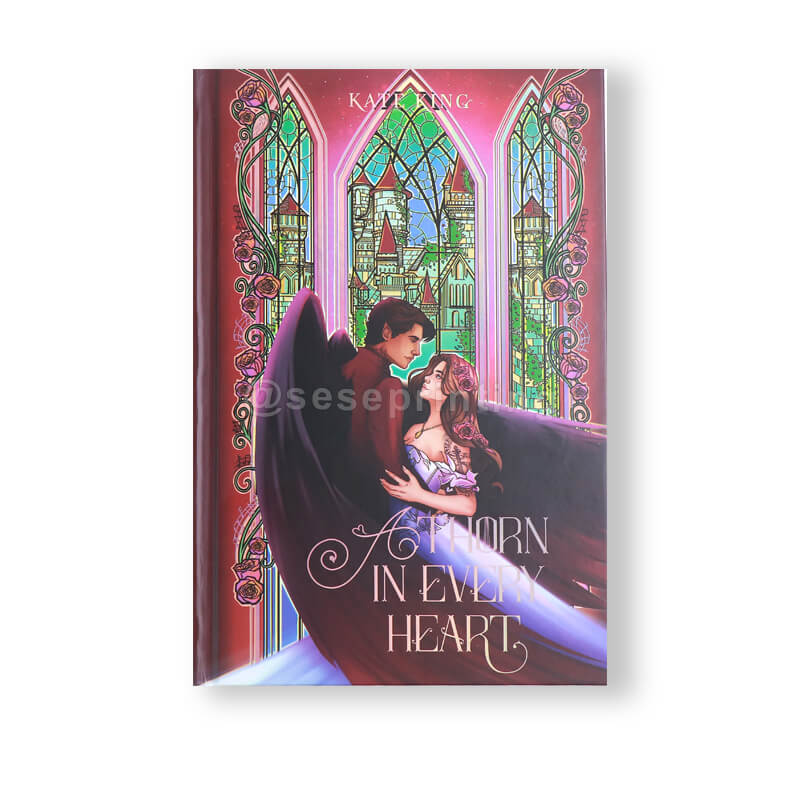
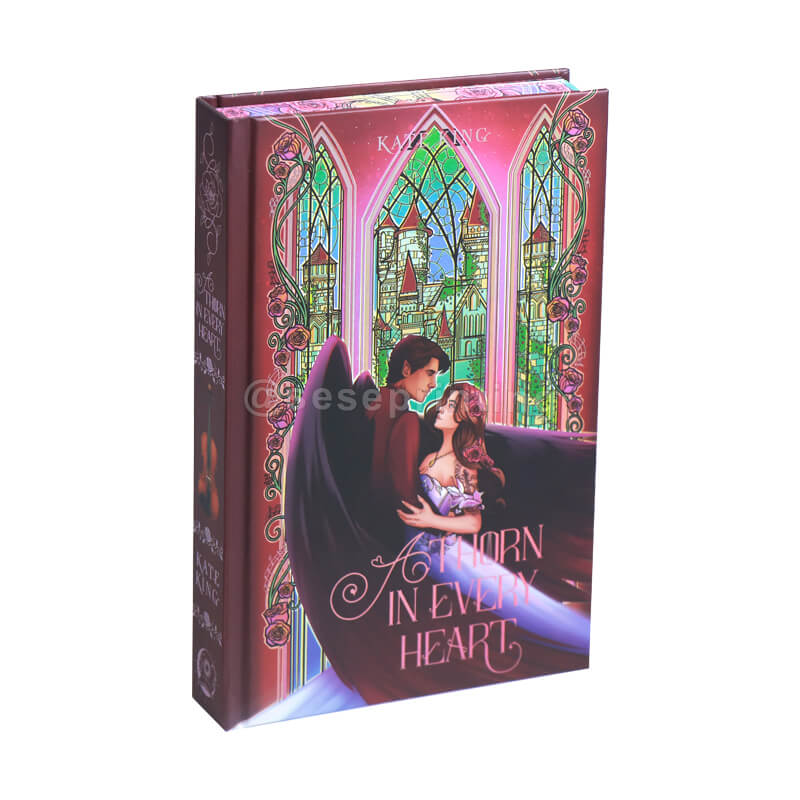
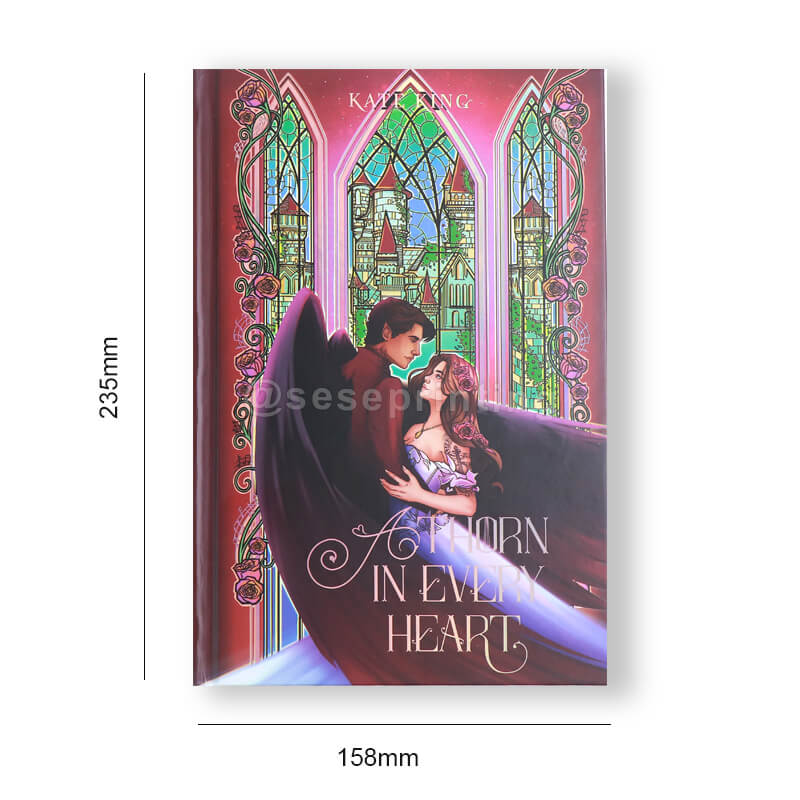
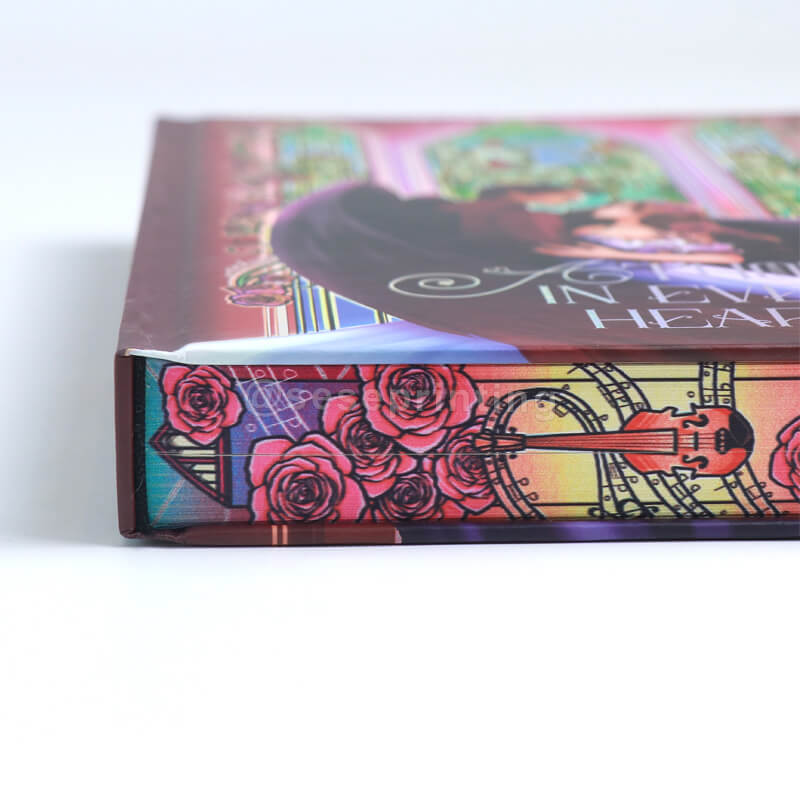
Create a Special Edition Hardcover Book with Foil Covers and Printed Patterned Edges

Create a Special Edition Hardcover Book with Foil Covers and Printed Patterned Edges

Book Name: Special Edition Books
Finishing: Foil Cover/Sprayed Edges
Color: CMYK or PANTONE
Printing: Offset printing
Binding: Hardcover Binding
Size: 6*9nch/Custom
OEM/ODM: Accept
Produt Details

Create a Special Edition Hardcover Book with Foil Covers and Printed Patterned Edges

Product details

Custom Book Size

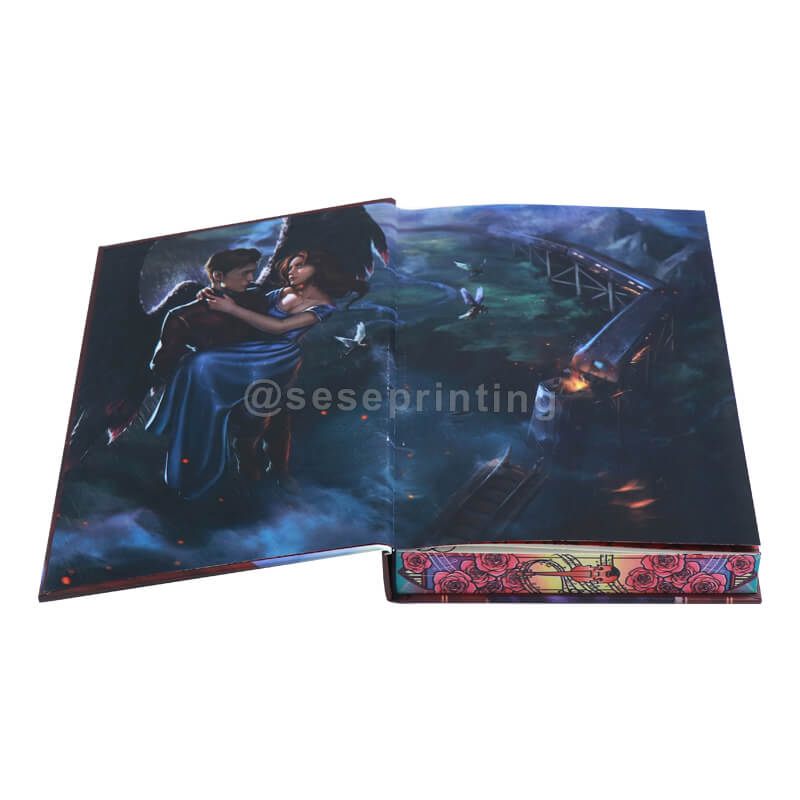
Artwork Endpapers

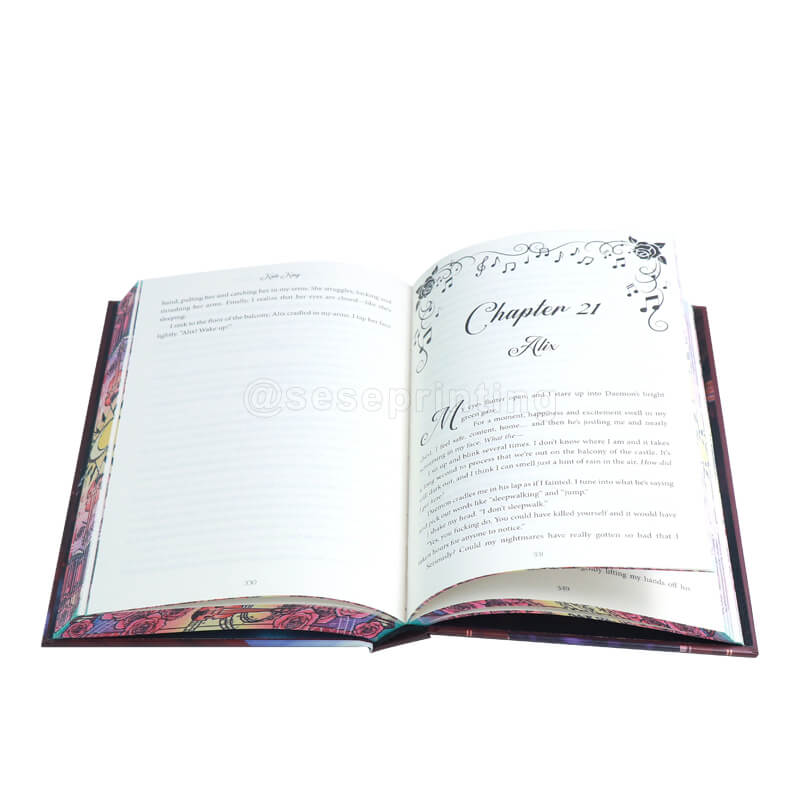
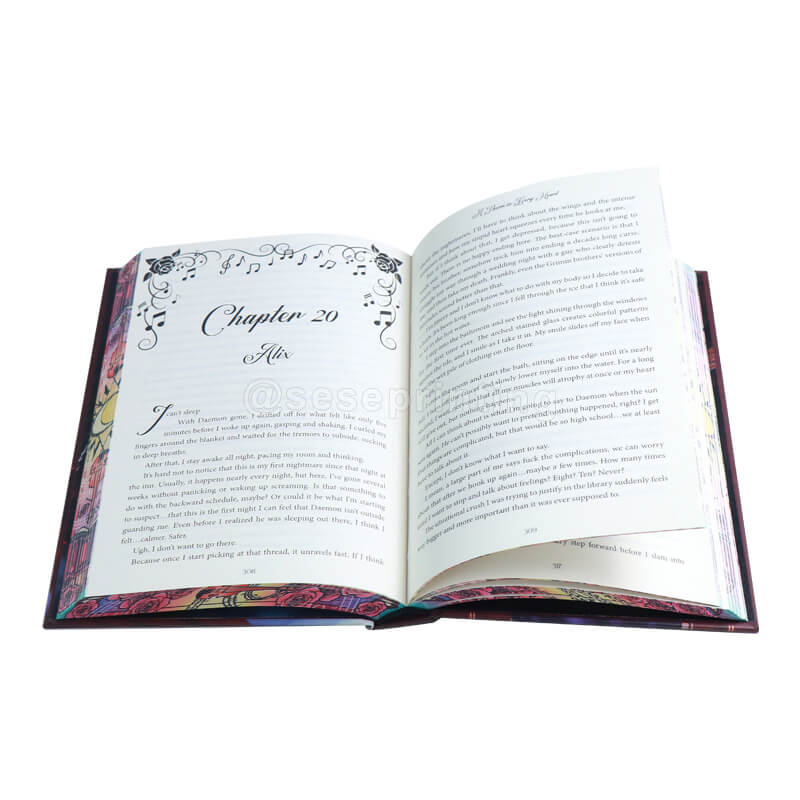
Black and White Printing

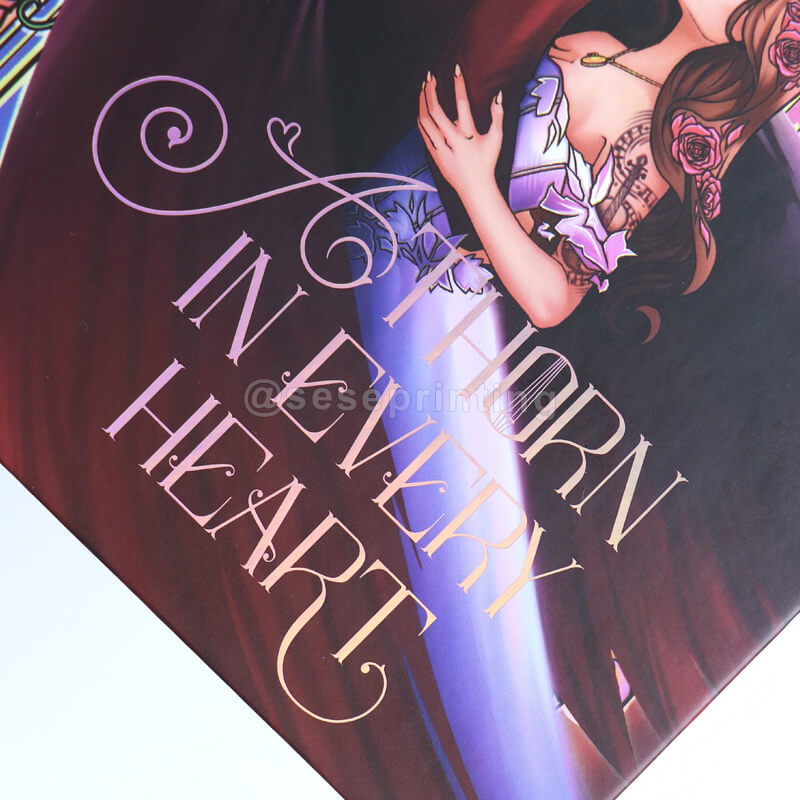
Foil Stamping on Cover

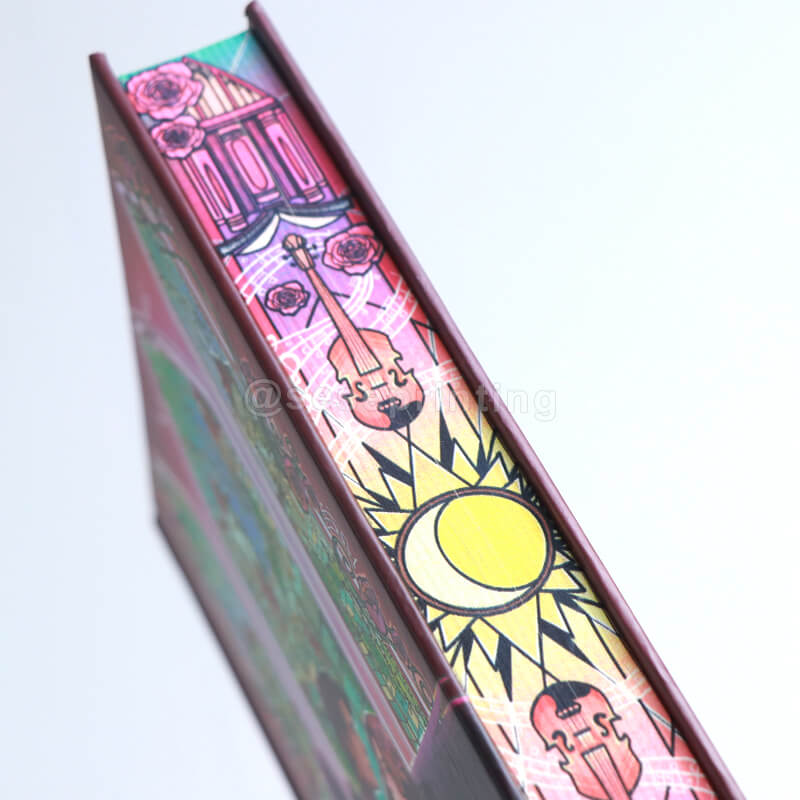
Sprayed Edges

Sewn Binidng


Product Name 

Hardcover Fiction Books

Material Glossy/Matt Art Paper, Offset Paper, Woodfree Paper, Writing Paper, Light Coated Paper, Special Type Paper, Grey Board, Kraft Paper, Coated Paper, And so On.
Binding Thread Sewing Binding, Saddle-Stitching Binding, Wire-O Binding, Spiral Binding, Perfect Binding, Case Bound, Etc.
Certification ISO9001, SA8000, FSC
Design From Clients,OEM
Size Decided by Client
Printing CMYK or Pantone
Artwork Format AI, PDF, ID, PS, CDR
Finishing Gloss or Matt Lamination, Spot UV, Emboss, Deboss and Sprayed Edges

Creating a Special Edition Hardcover Book with Foil Covers and Printed Patterned Edges involves integrating high-end design features that elevate the book into a premium collector’s item.

Foil Covers

  • Foil Stamping on Title and Author Name: The title and author's name are typically the focal points for foil stamping. Gold foil or silver foil is the most common choice, but colored foils can add a unique touch depending on the book’s theme.

  • Foil Illustrations: You can extend the foil treatment beyond the title and author name by applying it to illustrative elements, such as borders, symbols, or motifs. This adds a dynamic visual element, making the book’s cover even more striking.

  • Foil on the Spine and Back: Foil can also be applied to the spine and back cover. This is particularly useful for creating a cohesive design that makes the book look attractive on the shelf.

  • Spot Foil: Using spot foil allows for selective foiling, where only certain areas of the cover (such as the title, logos, or other decorative elements) are highlighted, creating a contrast between the foiled and un-foiled areas for a more sophisticated look.

Printed Patterned Edges

  • Solid Color Printed Edges: You can choose solid colors like gold, black, blue, red, or green for the edges. These colors should match the cover design to maintain cohesion throughout the book.

  • Metallic Printed Edges: For an extra touch of luxury, opt for metallic printed edges in gold or silver. These finishes complement the foil stamping on the cover, enhancing the book’s visual appeal when it’s closed.

  • Gradient Patterned Edges: For a more dramatic effect, choose gradient printed edges that transition from one color to another. This effect can be subtle, like a blue-to-purple gradient, or more pronounced with a red-to-black transition.

  • Custom Patterned Edges: You can create custom patterns for the printed edges, such as floral designs, geometric shapes, or thematic motifs related to the book’s content. This pattern can be subtle or bold, depending on your design preferences.

Paper Quality and Finish

  • Cover Paper: The paper used for the dust jacket should be high-quality, coated paper (around 170gsm to 250gsm) to ensure a premium feel and allow for finishes like foil stamping, spot UV, and embossing. The thickness of the paper ensures durability and prevents damage from regular handling.

  • Interior Paper: The interior pages should be printed on high-quality, acid-free paper. A smooth finish works well for text-heavy books, while glossy or matte paper is ideal for books with illustrations or photographs.

  • Weight: Use 90gsm to 120gsm paper for the interior. If the book contains illustrations or art, consider heavier paper (around 130gsm to 150gsm) to enhance color quality and prevent bleeding through the pages.

  • Finish: For books with illustrations or photographs, a glossy finish can enhance color saturation and vibrancy. For text-heavy works, matte finish paper provides a more refined, readable experience.

Special Features

  • Bookmark Ribbon: A satin or silk bookmark ribbon sewn into the spine of the book adds a functional and elegant detail. The ribbon can be customized to match the book’s theme or color scheme (e.g., gold or black).

  • Slipcase or Presentation Box: To further elevate the book’s luxury status, consider packaging it in a custom slipcase or presentation box. This can be foil stamped or embossed to match the book’s cover design, creating a cohesive look and protecting the book during shipping and handling.

  • Numbered Edition and Signed Bookplate: If you're creating a limited edition, consider numbering the copies (e.g., "Edition 10 of 500") and including a signed bookplate from the author. This adds value and makes the book even more appealing to collectors.

Leave a Message
loading
Support: Magic Lamp
Whatsapp
Send an Email