



 Home
HomeEco-Conscious Publishing: The Guide to Sustainable Paper and Inks Printing
 Feb 10,2026

 SESE
SESE
Eco-Conscious Publishing: The Guide to Sustainable Paper and Inks Printing
1. Introduction: Why Eco-Conscious Publishing Matters
The publishing industry has long been associated with paper waste, excessive use of chemicals, and high energy consumption. However, as the environmental crisis deepens, there is mounting pressure on businesses, including publishers, to adopt more eco-friendly alternatives. Eco-conscious publishing encompasses using sustainable materials such as recycled paper, vegetable-based inks, and energy-efficient printing methods. By making environmentally responsible choices, publishers not only reduce their carbon footprint but also cater to the growing number of readers who value sustainability in the products they buy.
Adopting sustainable practices also offers significant long-term benefits. As consumers become more discerning, especially when it comes to books, publishers who embrace sustainability will stand out. By appealing to eco-conscious readers, they can differentiate themselves in a competitive market.
2. The Importance of Sustainable Paper Choices
Paper is one of the most significant resources in the publishing industry, and choosing the right paper can have a considerable impact on sustainability. Traditional paper production requires significant energy and water resources, and the process often involves the use of harmful chemicals.
Sustainable paper options, such as recycled paper, FSC-certified paper, and tree-free paper, offer environmentally friendly alternatives. Recycled paper reduces the need for virgin wood pulp, helping to conserve forests and reduce waste. FSC (Forest Stewardship Council)-certified paper ensures that the paper comes from responsibly managed forests, which are harvested without damaging ecosystems or violating human rights. Tree-free papers, made from bamboo, hemp, or cotton, provide alternative options that require fewer resources and have a smaller environmental footprint.
When it comes to custom printing for special editions or premium hardcover books, using sustainable paper not only supports eco-friendly practices but also offers unique tactile qualities. Whether it’s textured, uncoated, or tinted paper, eco-conscious options can enhance the overall design and experience of the book, making it both sustainable and visually appealing.
3. Eco-Friendly Inks: A Sustainable Alternative
Inks are another essential component of the printing process, but traditional inks, especially oil-based inks, are often derived from petroleum and contain harmful volatile organic compounds (VOCs). These VOCs contribute to air pollution and are harmful to both the environment and human health.
Fortunately, there are eco-friendly ink alternatives. Vegetable-based inks—such as soy ink—are made from renewable resources and are far less harmful than petroleum-based inks. Soy ink has a lower carbon footprint, produces vibrant colors, and is easier to recycle. Moreover, it has fewer toxic chemicals, making it a safer option for printers and the environment.
For publishers looking to create custom printed books with high-quality colors, soy and other vegetable-based inks offer a sustainable solution without sacrificing print quality. From colorful illustrations in children's books to intricate designs in special edition hardcovers, eco-friendly inks provide stunning results while reducing environmental impact.
4. Custom Printing Techniques for Sustainable Publishing
Custom printing techniques allow publishers to create books that are as unique as they are sustainable. When combined with eco-friendly materials and inks, these techniques can produce custom hardcover books, special editions, and collector’s items that stand out in both design and environmental responsibility.
|
|
|
|
|
Embossing |
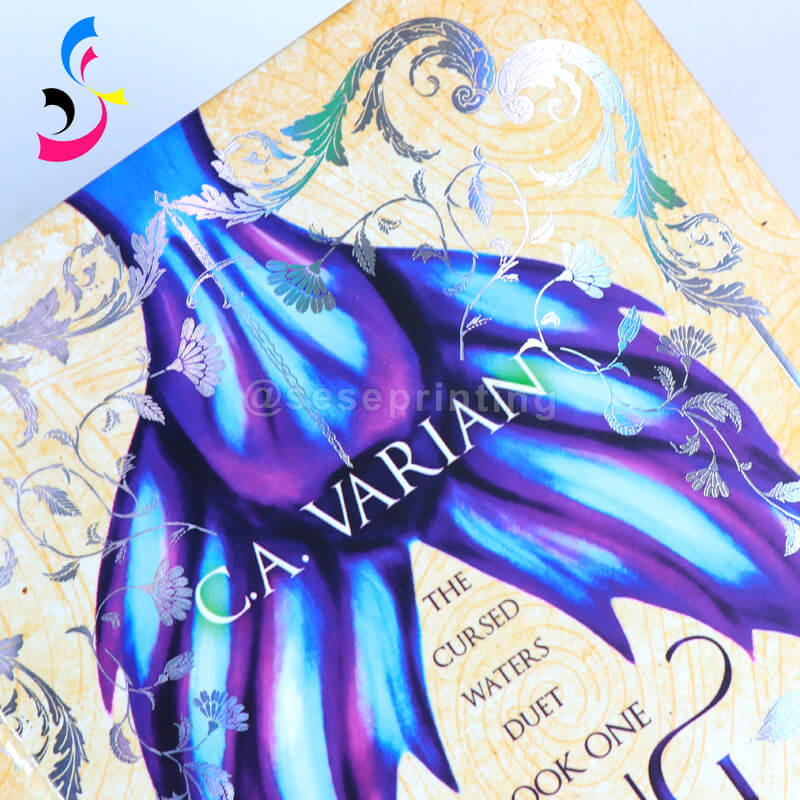
Foil Stamping |
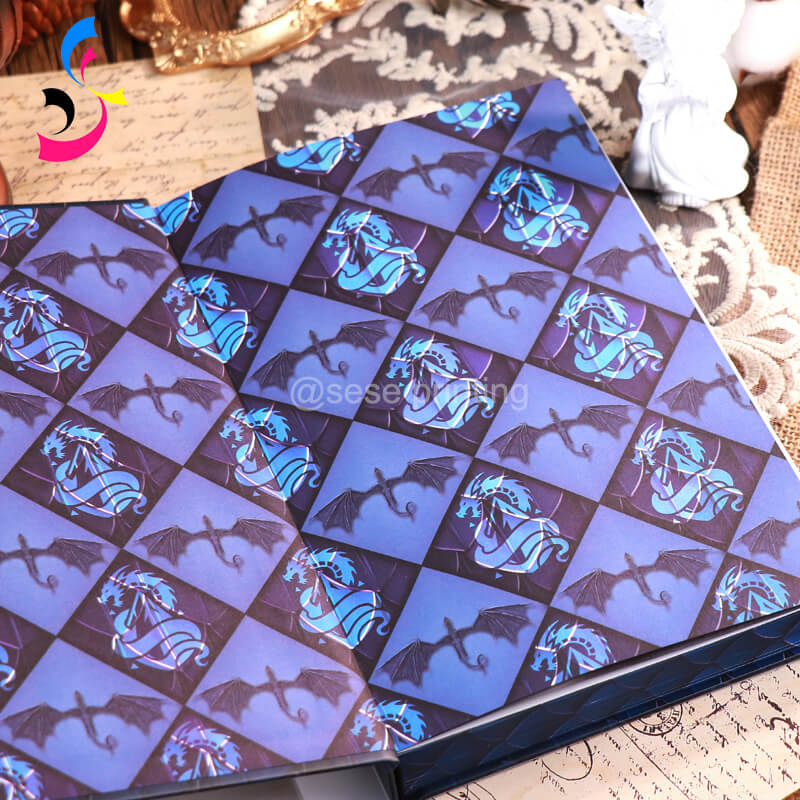
Endpapers |
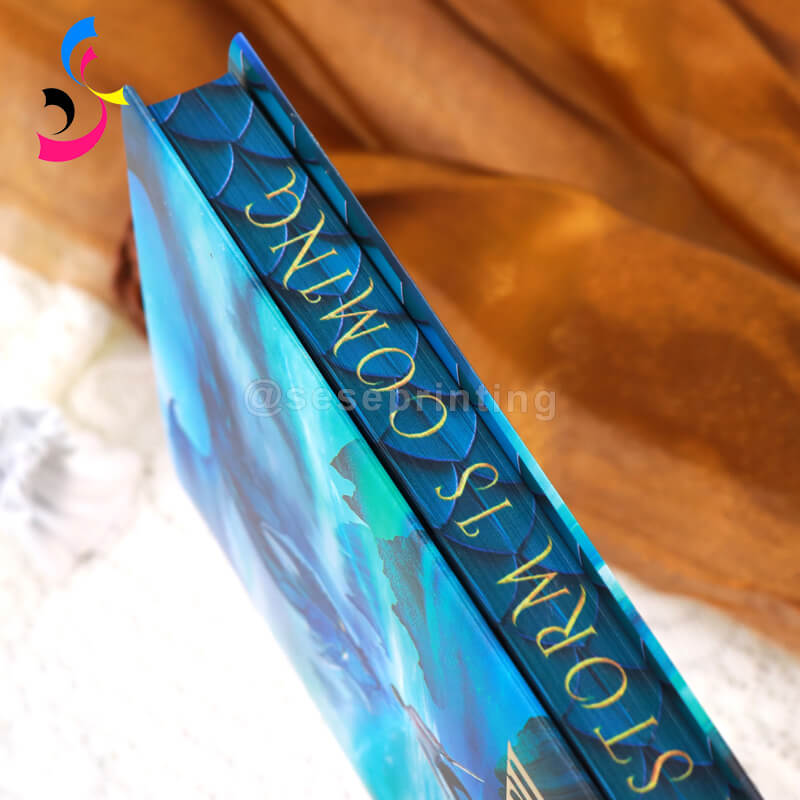
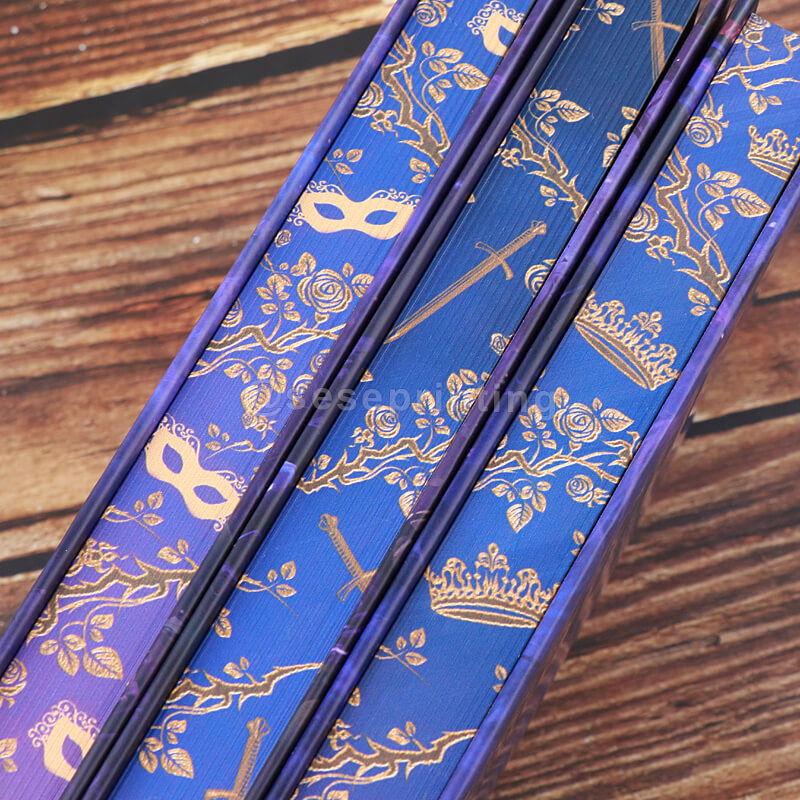
Sprayed Edges |
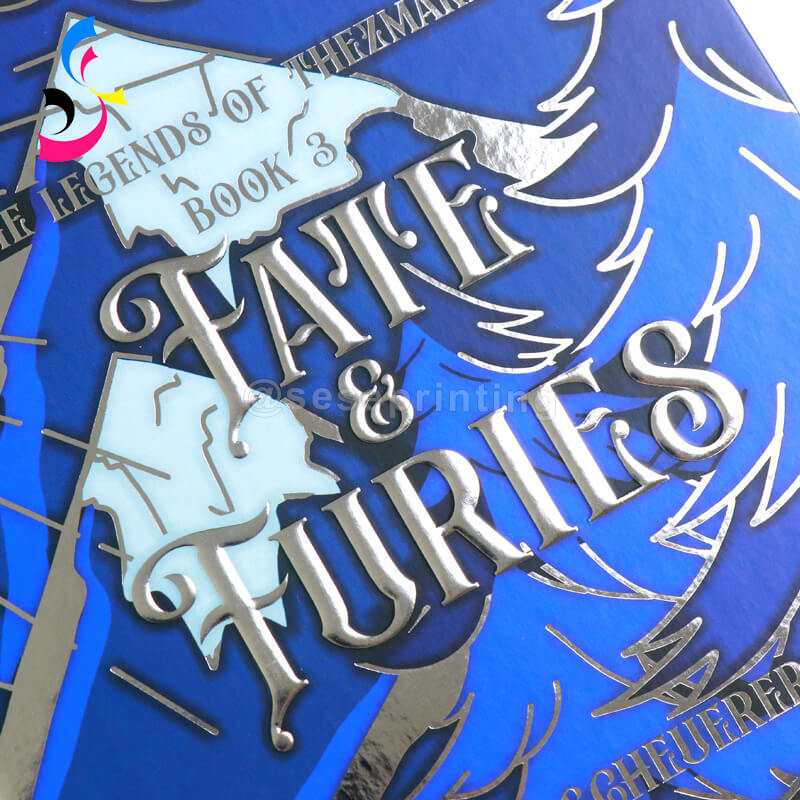
-
Embossing and Debossing: These techniques add texture and depth to the cover, making it feel more luxurious. Eco-friendly embossing can be done without the need for chemical-laden coatings.
-
Foil Stamping: Gold or silver foil accents are popular in special editions, but sustainable alternatives like water-based foils are available, which contain fewer toxic ingredients and are recyclable.
-
Sprayed Edges: For a premium touch, custom sprayed edges can be added to books, using non-toxic dyes that are eco-friendly and safe for both the printer and the consumer.
-
Custom Endpapers: The choice of endpapers, whether plain, patterned, or colored, can also reflect sustainability. Eco-conscious publishers can opt for recycled or FSC-certified papers for endpapers to maintain the overall sustainability of the book.
These custom printing techniques, when combined with sustainable materials, ensure that books not only look extraordinary but are also created with minimal environmental impact.
5. The Benefits of Sustainable Custom Printing
There are several benefits to adopting eco-conscious custom printing practices for both publishers and consumers:
-
Brand Image and Consumer Appeal: As sustainability becomes an important value for many consumers, offering eco-friendly custom printing can enhance a publisher’s brand image. It showcases a commitment to environmental responsibility, which can be a strong selling point for eco-conscious readers.
-
Cost-Effectiveness: While sustainable materials and inks may seem more expensive initially, they can lead to long-term cost savings. Using recycled paper and vegetable-based inks can reduce waste and production costs, ultimately making printing more efficient.
-
Competitive Advantage: In a market where eco-friendly options are in demand, publishers who offer custom printed books with sustainable materials are likely to stand out. Sustainable publishing helps attract readers who prioritize ethical and environmental concerns.
-
High-Quality and Durability: Sustainable materials and custom printing techniques don’t compromise on quality. Whether it’s the feel of the paper, the vibrant colors from eco-friendly inks, or the tactile experience of embossed covers, custom printed books can be just as luxurious and long-lasting as traditional prints.
6. How to Choose a Sustainable Custom Printing Partner
When selecting a custom printing partner, publishers should prioritize those who share their commitment to sustainability. Here are a few tips to help in choosing the right partner:
-
Check Certifications: Look for certifications like FSC, Cradle to Cradle, or ISO 14001, which indicate a printing company’s dedication to sustainable practices.
-
Sustainable Materials and Inks: Ensure that the printer uses eco-friendly papers, vegetable-based inks, and non-toxic coatings. Ask about the sourcing of their materials and their environmental policies.
-
Experience with Custom Printing: Choose a printer with experience in custom printing techniques such as foil stamping, embossing, and sprayed edges, ensuring they can meet both your sustainability goals and design specifications.
-
Transparent Processes: A reliable eco-conscious printer should be transparent about their processes and offer samples to evaluate the quality of their sustainable products.
At SESE Printing, we are committed to offering high-quality, sustainable custom printing options. Our wide range of eco-friendly materials and cutting-edge techniques ensure that your books not only look stunning but are also created with the environment in mind.
Conclusion: The Future of Eco-Conscious Publishing
The journey toward sustainable publishing is both an urgent necessity and a remarkable opportunity. It is a continuous process of innovation, from pioneering new bio-based materials to adopting circular economy principles where products are designed for reuse and recycling. As technology advances and consumer demand solidifies, eco-conscious practices will become the industry standard, not the exception. By making informed choices about paper, inks, and printing partners today, publishers can lead this transformation. They become stewards of both compelling content and a healthier planet, ensuring that the timeless act of reading leaves a positive legacy for the future.
By partnering with a reliable, sustainable printer like SESE Printing, publishers can create beautiful, eco-friendly books that resonate with today’s conscious readers. The future of publishing is green, and those who choose to adapt to this movement will not only protect the planet but also position themselves as leaders in an evolving industry.
 The Different Types of Sprayed Edges
 You May Also Like


 Tel
Tel
 Email
Email
 Address
702 No. 21 Huizhong Road, Shiqiao St, Panyu District. Guangzhou city, Guangdong Province. China

Joy
 Whatsapp