



 Home
HomePrinting a Special Edition Book Series: A Step-by-Step Guide
 Jan 30,2026

 SESE
SESE
Printing a Special Edition Book Series: A Step-by-Step Guide
Introduction
Creating a special edition book series is an exciting journey that blends creativity, craftsmanship, and precision. Whether you’re an author, a publisher, or a business, producing a limited edition book is about much more than just printing pages—it’s about creating a unique, high-quality product that stands out. In this step-by-step guide, we’ll take you through the essential stages of printing a special edition book series, highlighting key decisions that can elevate your project and make your book a coveted collector’s item.
At Sese Printing, we specialize in guiding authors and publishers through this rewarding process. This step-by-step guide outlines the key stages of creating a special edition series, helping you navigate the creative and technical decisions that bring a truly extraordinary book to life.
1. Conceptualizing the Special Edition Series
The first step in creating a special edition book series is to conceptualize your vision. This phase is about deciding what will make your series unique and attractive to readers or collectors. Consider the theme, the target audience, and what kind of story or message you want to convey.
Edition Quantity: Special editions are typically produced in small, limited quantities. Decide how many copies you want to print, keeping in mind the exclusivity of the book.
Design Concept: Think about what sets this edition apart—will it feature exclusive content, such as signed pages, a foreword by the author, or special illustrations? Determine how you want the book’s physical design to reflect the book's content or the author’s brand.
This conceptual phase will guide the decisions you make in the following steps and help bring the vision of your special edition book to life.
2. Selecting the Right Materials
The materials used in your special edition book will significantly influence its look, feel, and durability. Custom materials can enhance the book’s overall quality and appeal. Key elements to consider include:
Cover Stock: Choose a heavy, durable cover stock that reflects the premium nature of your book. Common options include textured or cloth-bound materials, leather, and high-quality paper with a glossy or matte finish.
Paper Type: The paper for the interior pages should complement the cover. High-end books often use acid-free, archival-quality paper to ensure longevity. For special editions, choose a paper type that feels luxurious to the touch, such as a smooth, heavyweight paper or a matte finish for a sophisticated look.
Binding Style: For a premium feel, consider hardcover binding, especially case binding or sewn binding, which adds durability and luxury. Soft-touch finishes and decorative binding techniques can elevate the book’s presentation.
3. Custom Printing Techniques
Custom printing techniques are essential to the creation of a special edition book. These methods not only enhance the book’s aesthetics but also help it stand out from standard editions. Some popular techniques include:
|
|
|
|
|
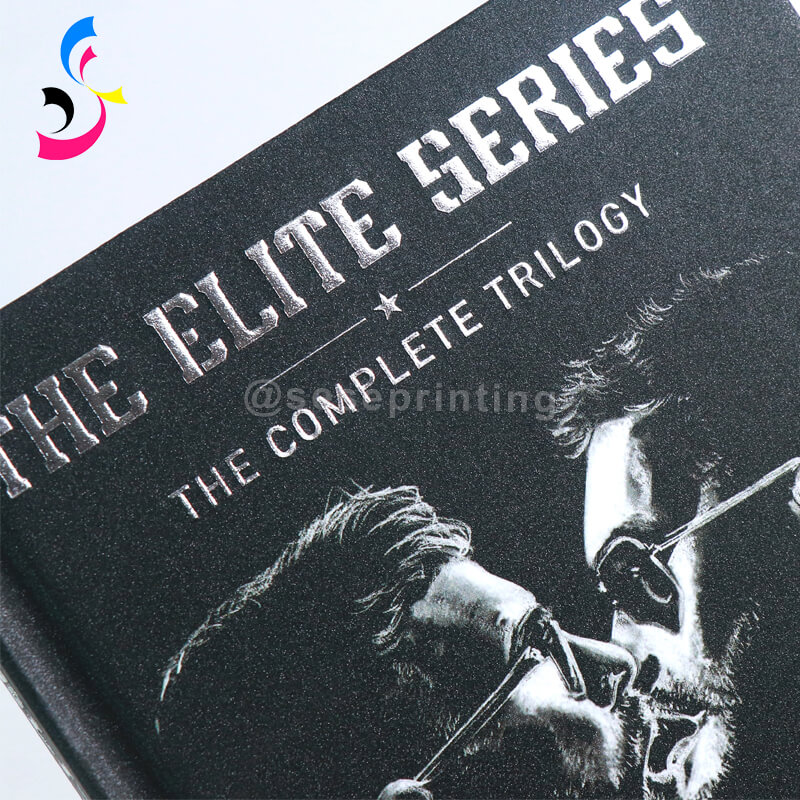
Foil Stamping |
Embossing |
Debossing |
Spot UV |
|
|
|
|
|
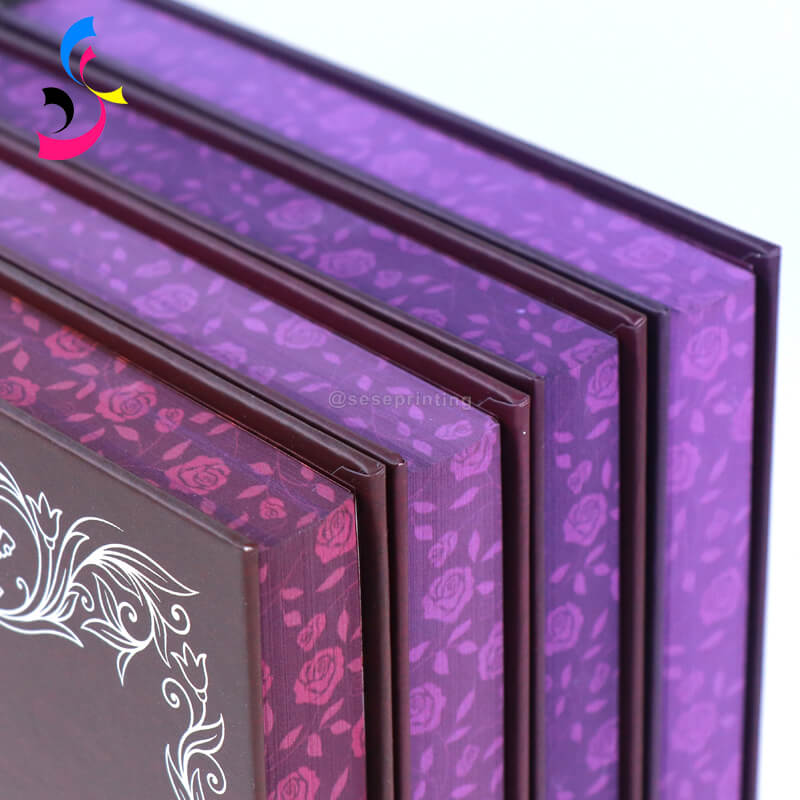
Patterned Edges |
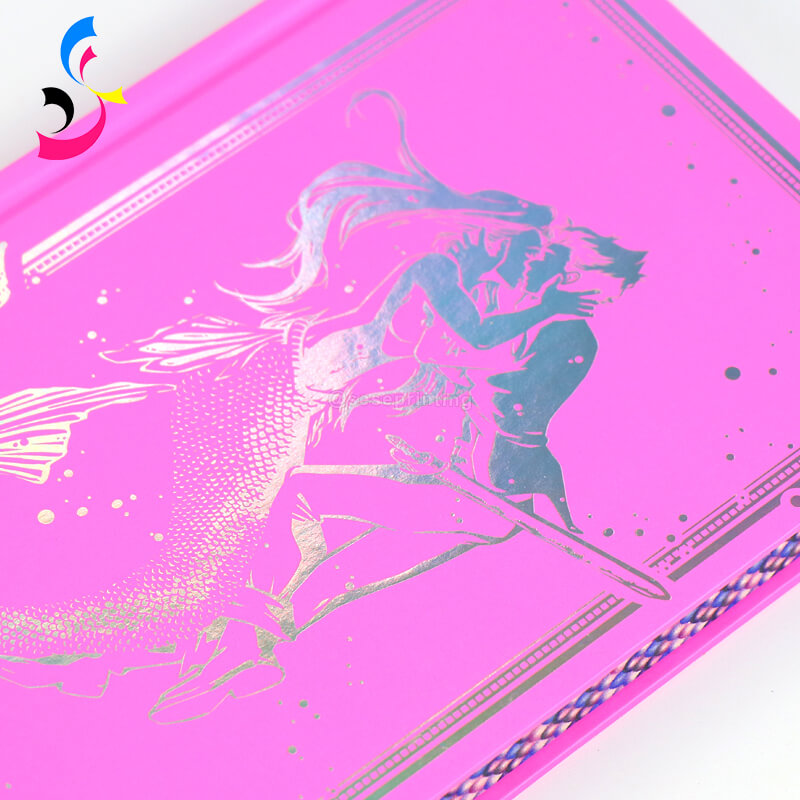
Holographic Printing |
Sparkle Lamination |
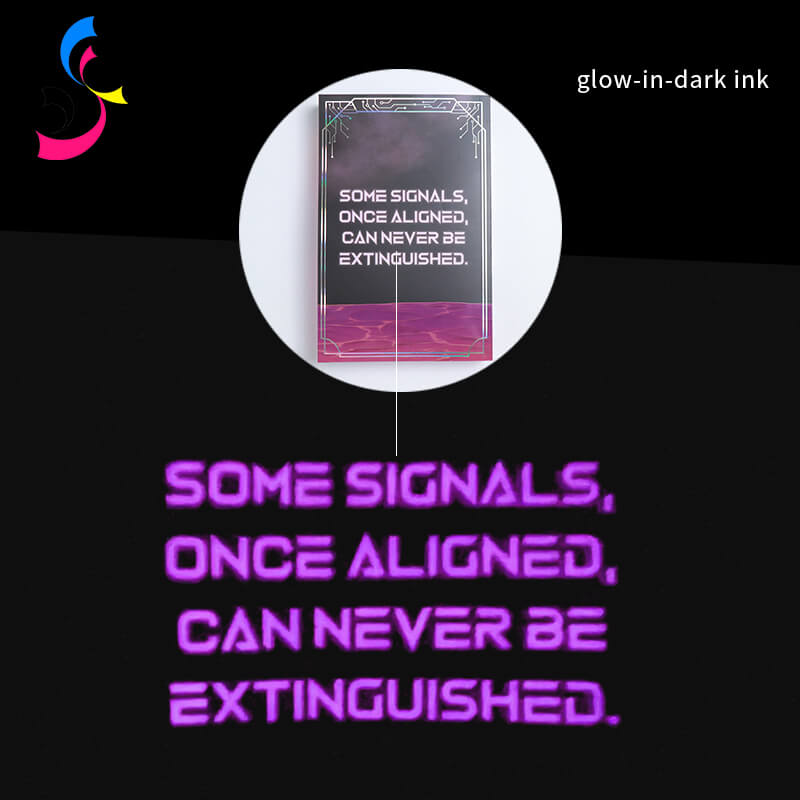
Glow-in-the-Dark Ink |
-
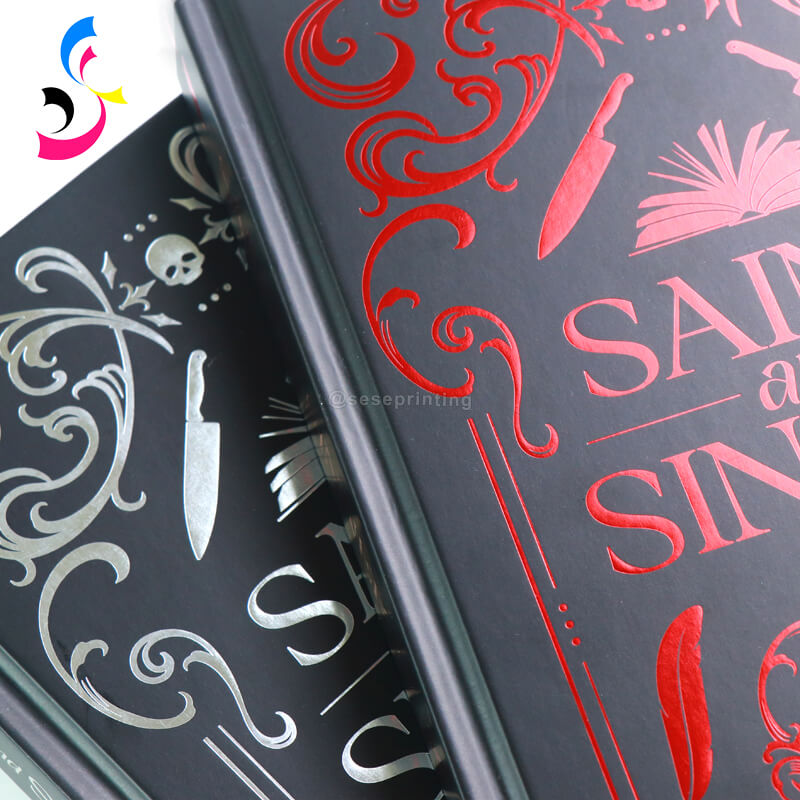
Foil Stamping: Applying metallic foils (such as gold, silver, or holographic) to the book’s cover for titles, logos, or designs creates a high-impact, eye-catching effect.
-
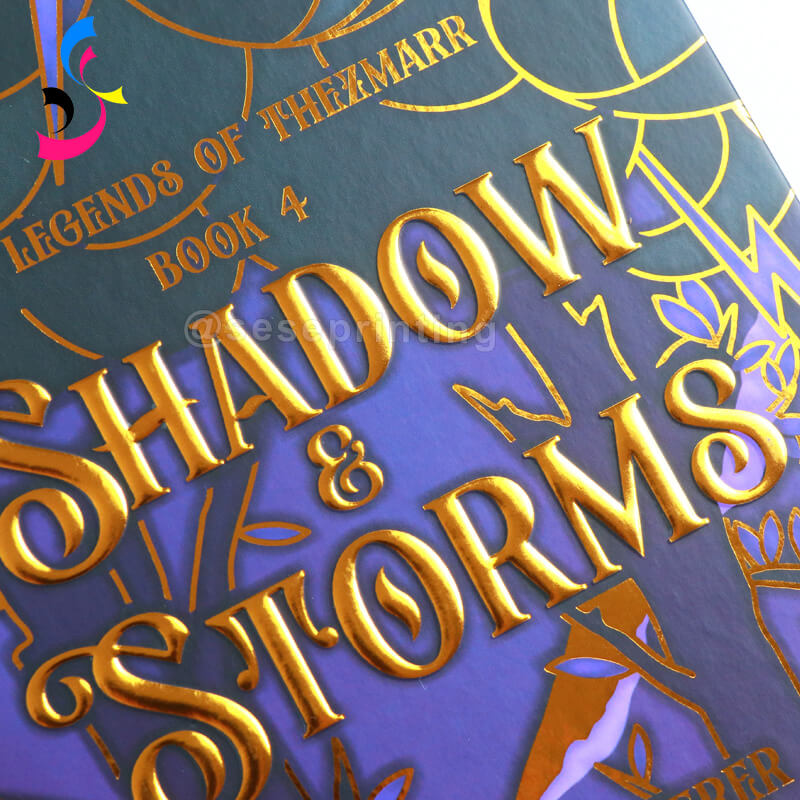
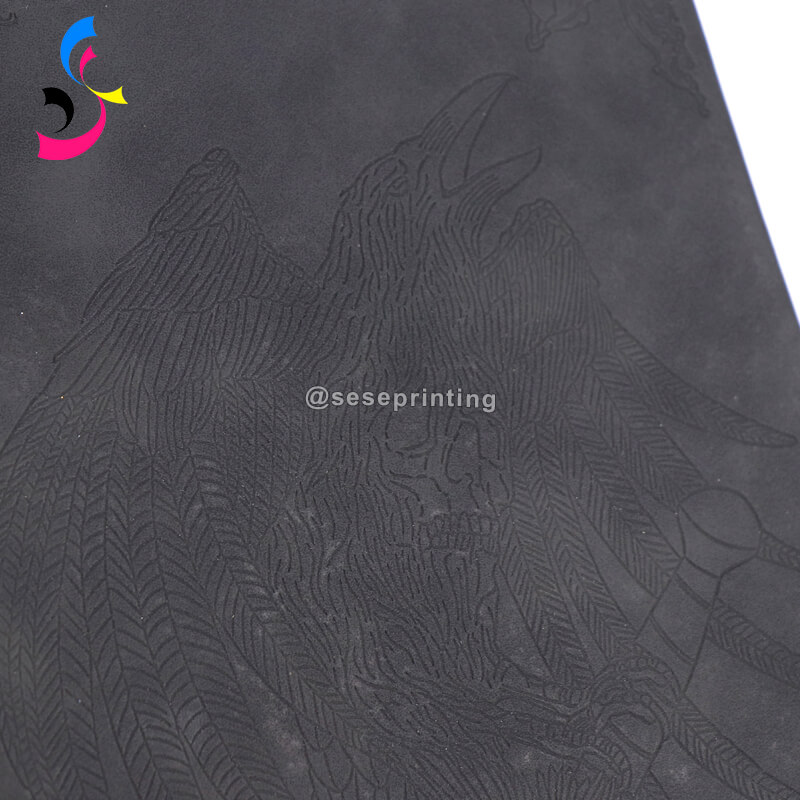
Embossing and Debossing: These techniques create textured designs on the cover. Embossing raises parts of the design, while debossing creates indented designs—both of which add a tactile element to the book.
-
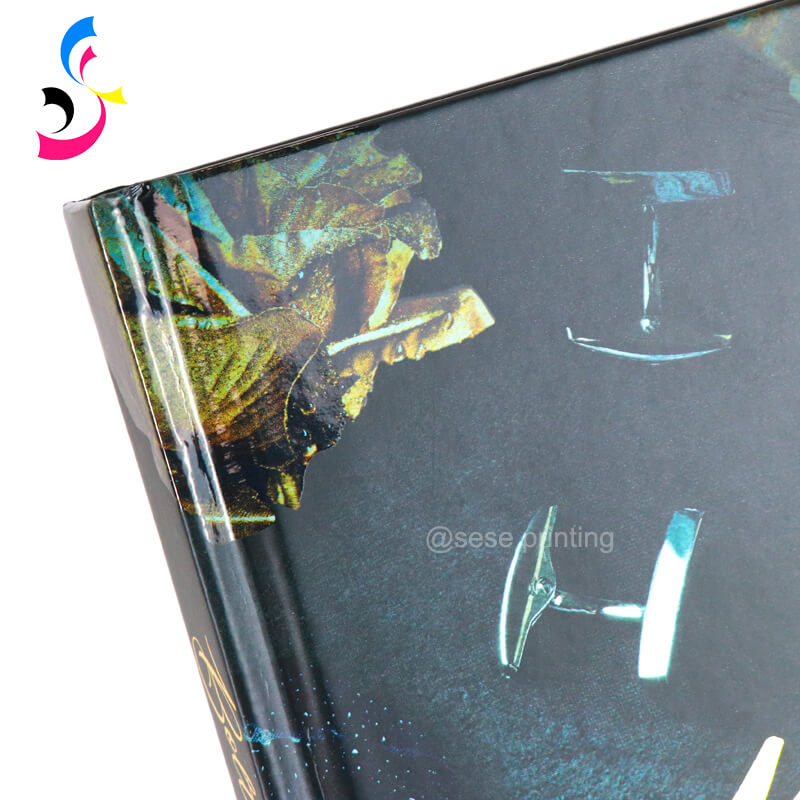
Spot UV Coating: A selective gloss coating applied to certain parts of the book’s cover or interior pages. Spot UV can make certain elements, such as titles or images, pop, while the rest of the book has a matte finish.
-
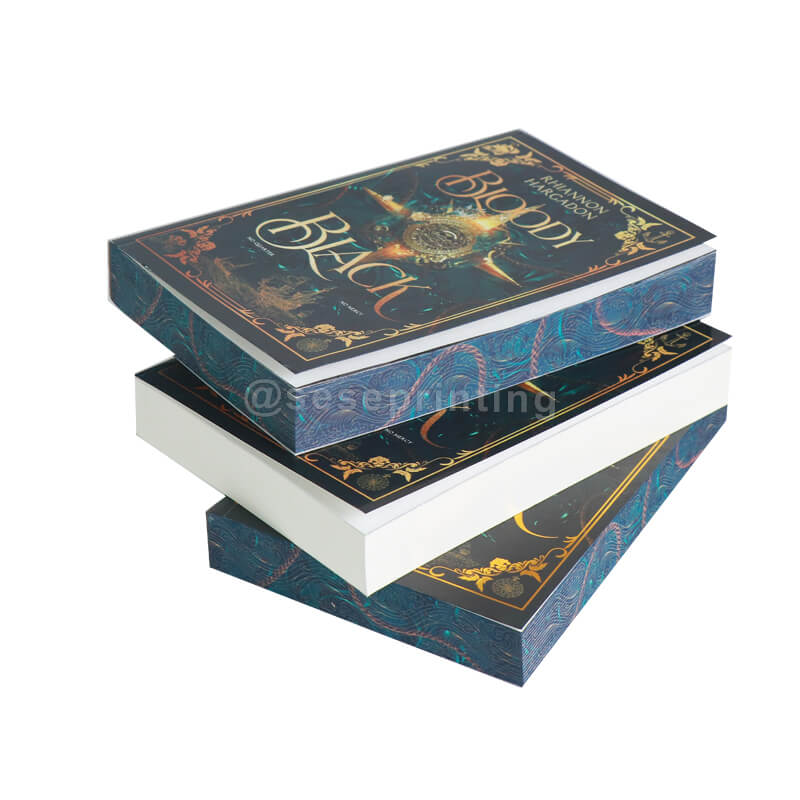
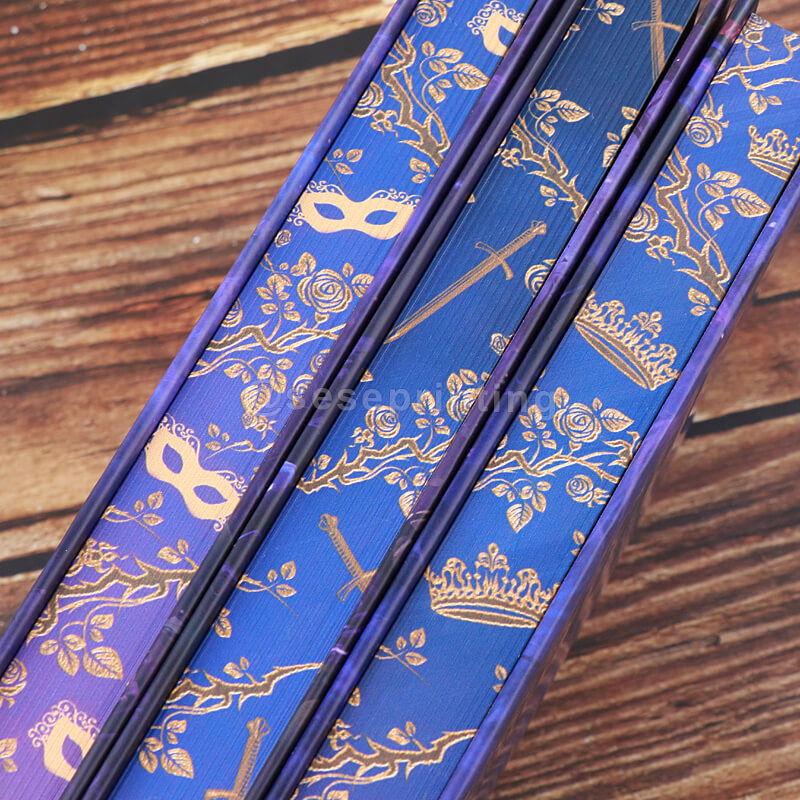
Sprayed Edges: This decorative technique applies colored ink to the edges of the pages, creating a luxurious and unique look. Sprayed edges are a hallmark of special edition books and can be done in a solid color, gradient, or metallic finish.
-
Heatset Printing: Heatset printing is a technique commonly used in offset printing, where ink is applied to the paper and then dried using heat. This method is perfect for full-color printing as it ensures vibrant colors and sharp, smudge-free images. Heatset printing is often used for art books, illustrated editions, and other full-color custom projects, making it ideal for special edition books with intricate graphics or detailed artwork.
-
Holographic Printing: It uses special foil or ink that creates a 3D effect when viewed from different angles. This effect is especially popular in high-end, luxury editions of books, where the cover design or specific details, such as titles or illustrations, are enhanced with a shimmering, light-reflecting finish.
-
Silk Screen Printing (Silk Print): Also known as screen printing, is a technique in which ink is pressed through a mesh screen onto the paper. This method is typically used for bold, solid-color designs, logos, or intricate patterns. Silk printing is perfect for custom illustrations, titles, and artwork on the cover, offering vibrant colors and sharp lines.
-
Sparkle Lamination: Sparkle lamination adds a layer of shimmering, glitter-like finish to the cover of a book. This effect is perfect for books that want to give off an elegant, celebratory vibe. The sparkling lamination creates a unique tactile and visual experience, making the book stand out on any shelf.
-
Glow-in-the-Dark Ink: For a truly unique and fun twist, glow-in-the-dark ink can be applied to certain elements of the cover or pages. This is a fun and striking way to add a hidden feature to your book that only becomes visible in low light, adding a sense of mystery and novelty to your special edition.
4. Designing the Layout and Artwork
The design and artwork of your special edition series should complement its exclusive nature. Custom-designed elements add an artistic touch and enhance the reading experience.
-
Cover Design: The cover is the first thing readers will see, so it must be visually striking. Consider including unique elements like illustrations, custom typography, or a high-quality photograph.
-
Illustrations and Artwork: Special edition books often feature original artwork or illustrations. Commissioning artists to create illustrations that match the book’s themes or provide unique visual elements can make your edition even more desirable.
-
Interior Layout: The interior pages should be designed with care, using custom fonts, layouts, and spacing to reflect the book’s premium nature. This can include bespoke chapter headings, borders, and decorative elements.
-
Designing your book's layout and artwork should ensure that every detail—from the cover to the interior—is visually cohesive and reflects the special edition’s exclusivity.
5. Limited Edition Features
To make your book truly “special,” include features that emphasize its limited nature and elevate its value. Here are some ideas for creating a standout limited edition:
-
Numbered Editions: Numbering each copy (e.g., “47 of 500”) can create a sense of exclusivity. This is a common feature in collector’s items, making each copy feel unique.
-
Author Signatures: Offering signed editions or including a signed certificate of authenticity adds personal value to the book.
-
Exclusive Content: Special editions often contain additional content not available in regular editions, such as a personalized foreword, behind-the-scenes notes, illustrations, or even a letter from the author.
-
Custom Packaging: To complement the book, consider creating custom packaging such as a slipcase or box that protects and enhances the book’s presentation.
These features add value and appeal, making the book a collectible item for readers.
6. Printing and Production Process
Once the design and materials are selected, the production process begins. This typically involves:
-
Proofing and Approval: A digital or physical proof is created to check the design, layout, and print quality. It’s important to review every detail before moving forward with the full print run.
-
Printing: Depending on the number of copies, the printing method will vary. For smaller runs, digital printing is often used. For larger editions, offset printing is the most common choice. Both methods have their advantages depending on the edition size and complexity of the design.
-
Binding and Finishing: After printing, the books are bound, and custom finishes like foil stamping, embossing, or spot UV coating are applied.
The printing and production phase is where the vision comes to life, with high-quality results expected at every step.
7. Quality Control and Final Inspection
Each unit must be scrutinized. This goes beyond checking for print smudges. Inspect the alignment of the cover stamping, the consistency of color, the quality of the sewing, the glue application on endpapers, and the sharpness of the trim. Every detail, from the sprayed edges to the placement of the ribbon marker, must meet the highest standard before being approved for packaging.
8. Packaging and Distribution
Packaging plays a key role in delivering a special edition book that feels exclusive and carefully curated. High-end packaging can include protective slipcases, decorative boxes, or custom wraps. Once packaged, the books are carefully distributed to customers, either through direct sales channels, bookstores, or exclusive events.
Conclusion
Creating a special edition book series is a profound endeavor that blends art with precision engineering. It requires a partner who understands both the passion behind the project and the exacting standards required to execute it flawlessly.
Sese Printing is that partner. With our extensive expertise in offset and silk screen printing, mastery of foil stamping and custom binding, and unwavering commitment to quality control, we provide the end-to-end capability and guidance needed to realize your most ambitious publishing vision. From the initial selection of exquisite materials to the final hand-packaging, we ensure your special edition series is not just printed, but masterfully crafted.
Contact Sese Printing today to begin the conversation. Let us collaborate to transform your concept into a legacy edition that will stand the test of time.
 Eco-Conscious Publishing: The Guide to Sustainable Paper and Inks Printing
 You May Also Like


 Tel
Tel
 Email
Email
 Address
702 No. 21 Huizhong Road, Shiqiao St, Panyu District. Guangzhou city, Guangdong Province. China

Joy
 Whatsapp