



 Home
HomeThe Complete Glossary of Book Printing Terms
 Jan 30,2026

 SESE
SESE
The Complete Glossary of Book Printing Terms
1. Introduction
Navigating the world of book printing can feel like learning a new language. Whether you’re a first-time author, a seasoned publisher, or a designer bringing a vision to life, understanding the key terminology is essential for clear communication and a successful final product. This glossary demystifies the most common and important terms used in the book printing industry, from basic dimensions to advanced finishing techniques. By mastering this vocabulary, you’ll be empowered to make informed decisions, accurately convey your specifications, and ensure your book is produced exactly as you envision it.
At Sese Printing, we believe that an informed client is our best partner. With over 15 years of experience as a comprehensive book printing factory in Guangzhou, China, we specialize in guiding our international clients through every technical detail—from initial quote to final shipment—ensuring a seamless and professional publishing journey.
2. Trim Size
Trim size refers to the final dimensions of the book after it has been printed and trimmed. It is the exact size of the book's pages, which can vary depending on the project. For custom and special edition books, trim sizes are often tailored to enhance the book's aesthetic appeal, such as choosing a non-standard size for a unique visual effect. Common trade fiction trim sizes in the US are 5.5" x 8.5" or 6" x 9", while art books or textbooks may be larger.
3. Book Binding
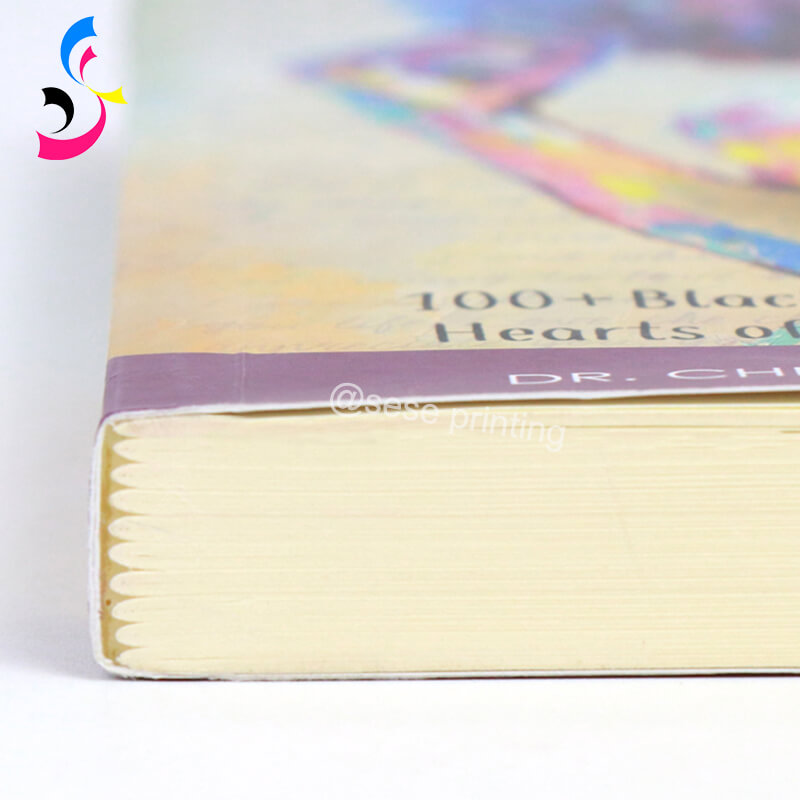
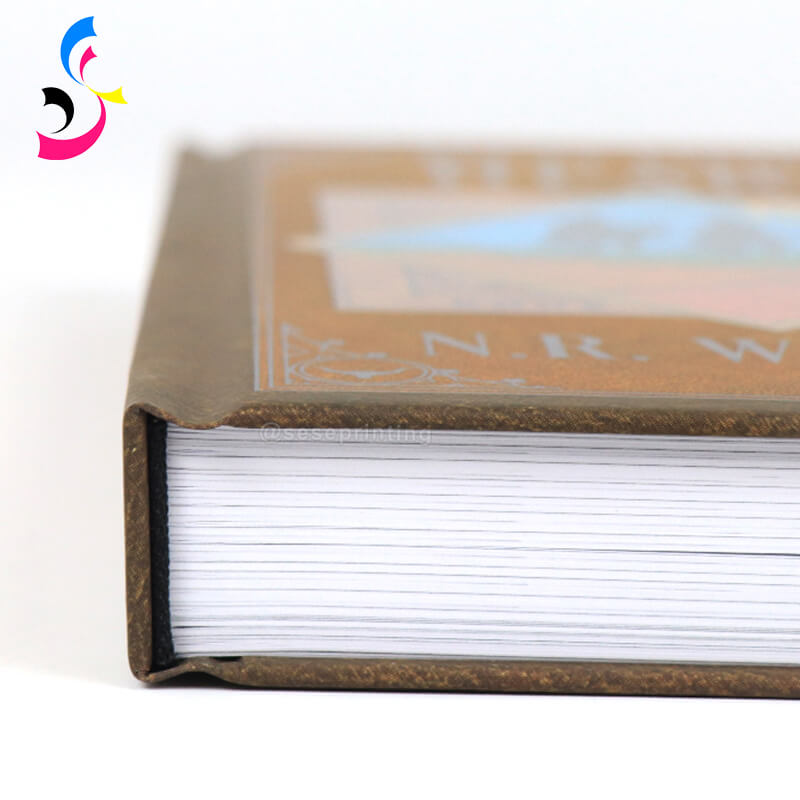
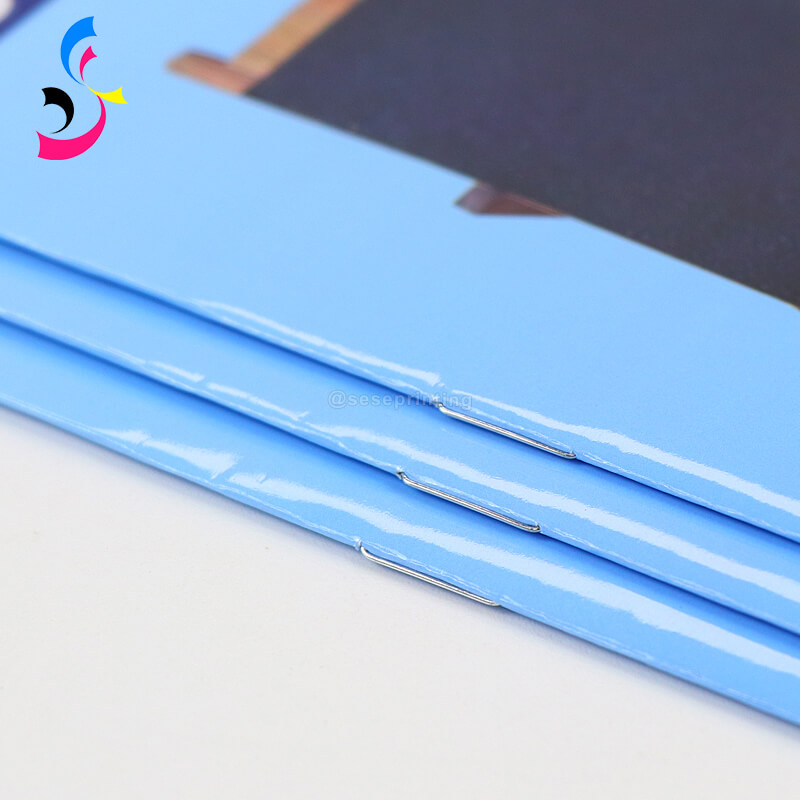
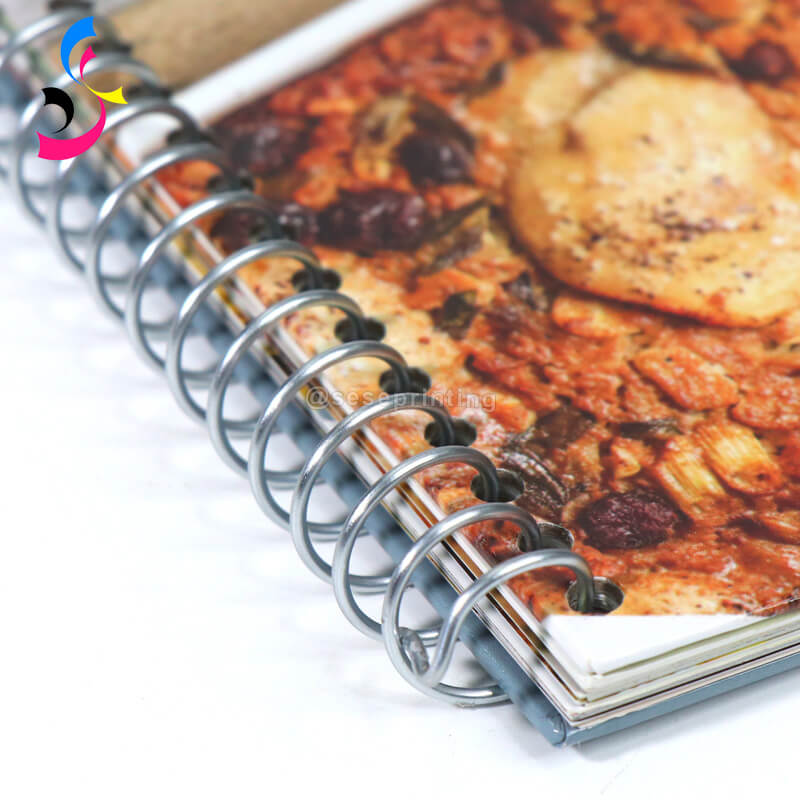
Book binding is the process of assembling the pages and attaching them to the cover. There are several binding types, each suited for different types of books. Common binding methods include perfect binding (glued binding), saddle stitching (stapled binding), and hardcover binding (case binding). Each binding method offers unique aesthetic and durability benefits, especially for custom and special edition books.
-
Perfect Binding: Common for paperbacks and many hardcovers; pages are glued directly to the spine of the cover. Cost-effective and clean-looking.
-
Case Binding: The standard for hardcover books. The book block is sewn or glued into signatures, then attached to a rigid cover case. Known for durability and prestige.
-
Saddle Stitching: Pages are folded, stapled through the spine along the crease. Used for booklets, magazines, and thin publications.
-
Spiral/Wire-O Binding: Metal or plastic coil is threaded through holes punched along the edge. Allows the book to lay perfectly flat.
|
|
|
|
|
Perfect Binding |
Case Binding |
Saddle Stitching Binding |
Spiral Binding |
4. Book Block
The book block refers to the collection of pages that are bound together before they are attached to the cover. The book block can be sewn or glued together, and it’s what forms the main content of the book. High-quality book blocks are key to creating durable, premium books, especially for special editions or luxury books.
5. Cover Stock
|
|
|
|
Paper Board Wrapped |
Cloth |
Leather |
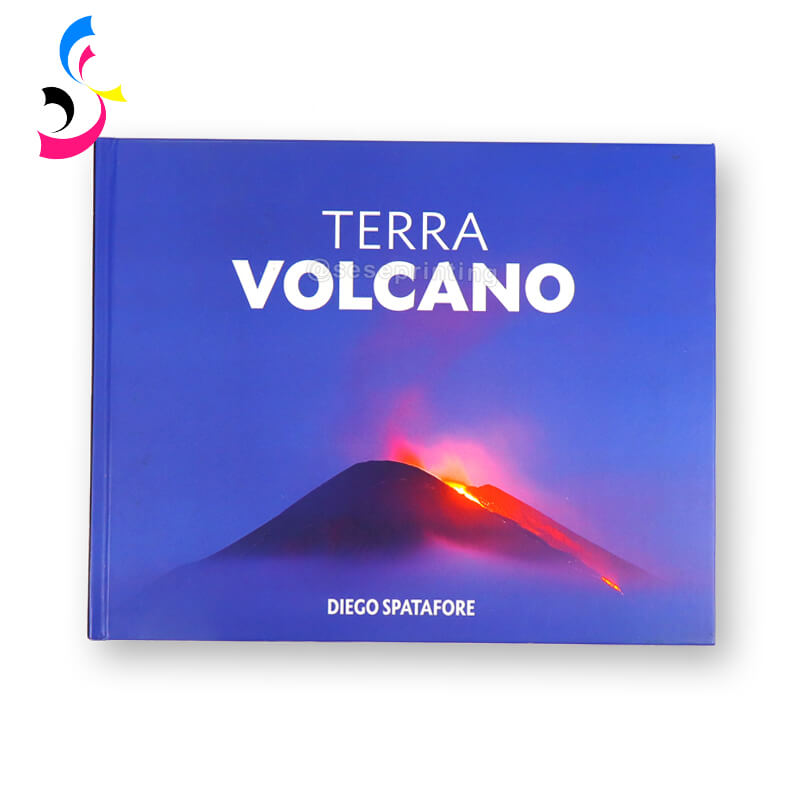
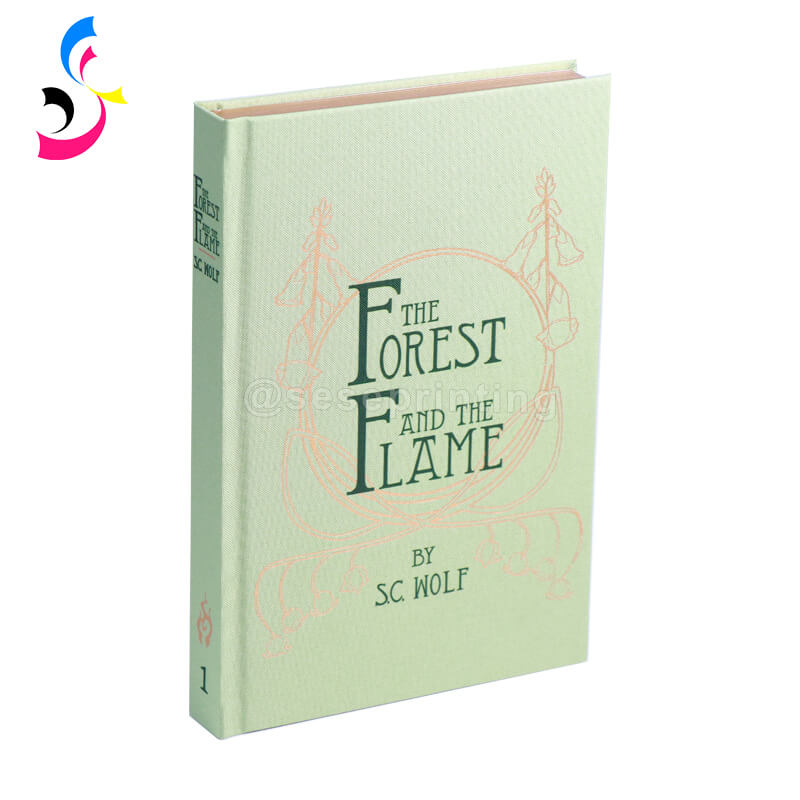
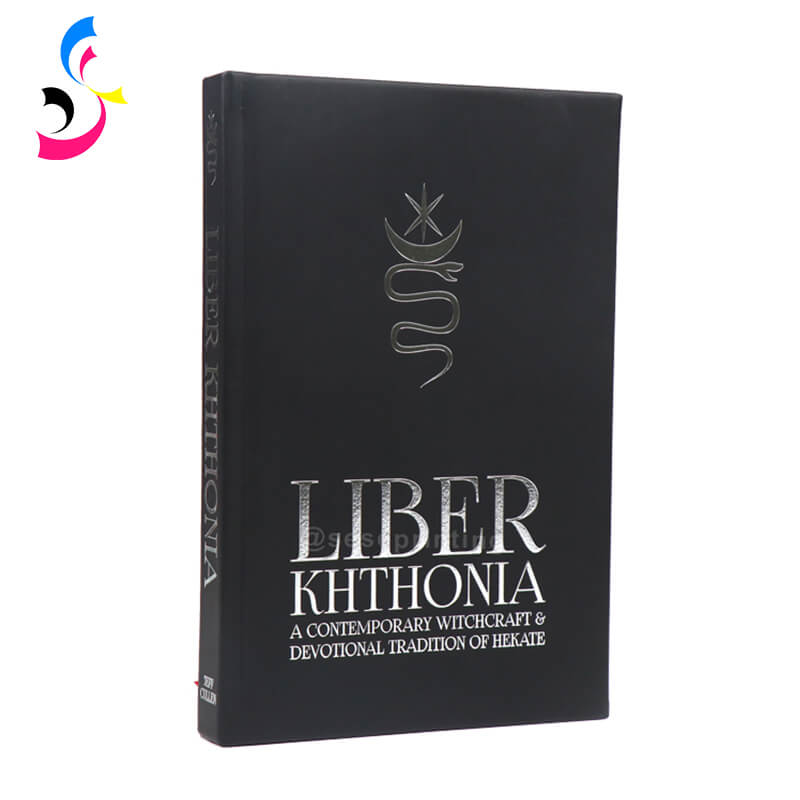
This is the material used for the exterior cover of your book. It varies greatly in weight, texture, and finish to create different impressions. Paperback covers use a thicker, more durable paper stock, while hardcovers are made from sturdy board wrapped in paper, cloth, or leather. Choosing the right cover stock is crucial for both protection and creating the desired tactile feel.
6. Lamination
|
|
|
Matte Lamination |
Gloss Lamination |
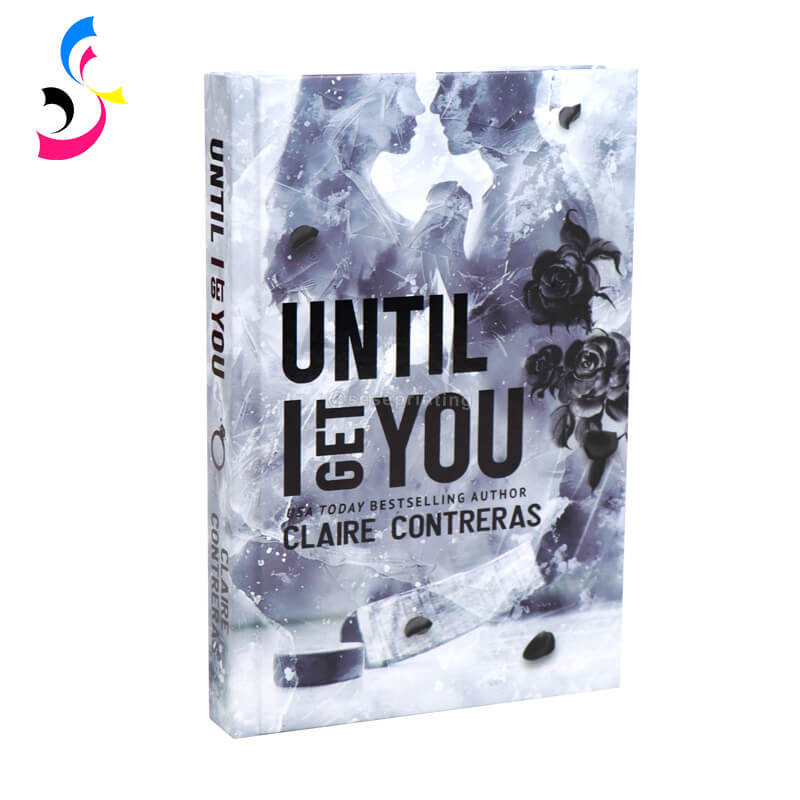
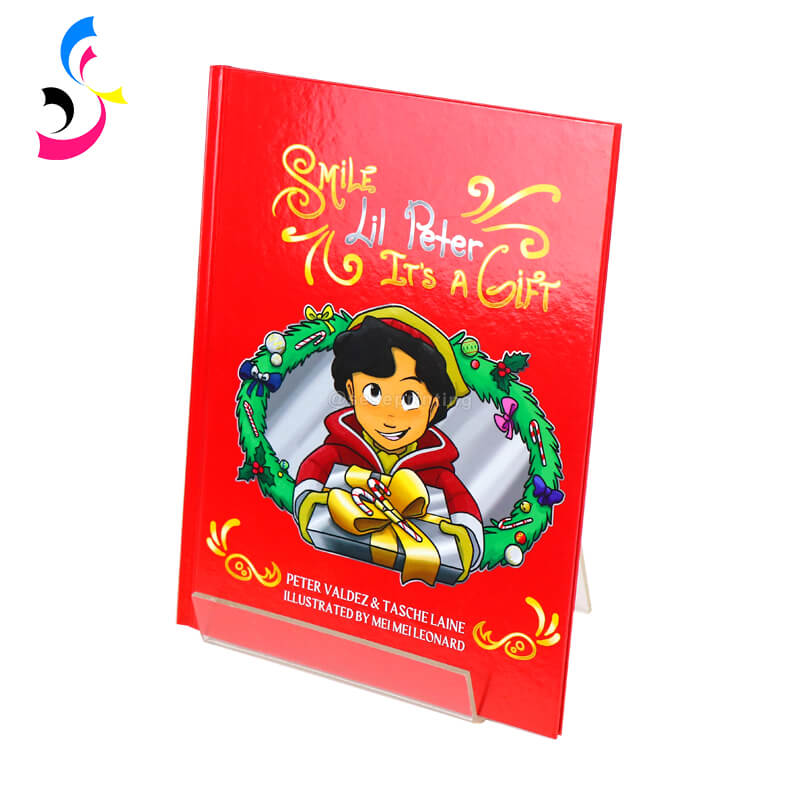
A thin, transparent plastic film applied to the cover to protect it from scratches, moisture, and general wear. It also enhances the visual appeal by adding a specific finish. The two most common types are:
-
Matte Lamination: Provides a smooth, non-reflective, sophisticated look.
-
Gloss Lamination: Creates a shiny, reflective surface that makes colors pop.
7. Dust Jacket
|
|
|
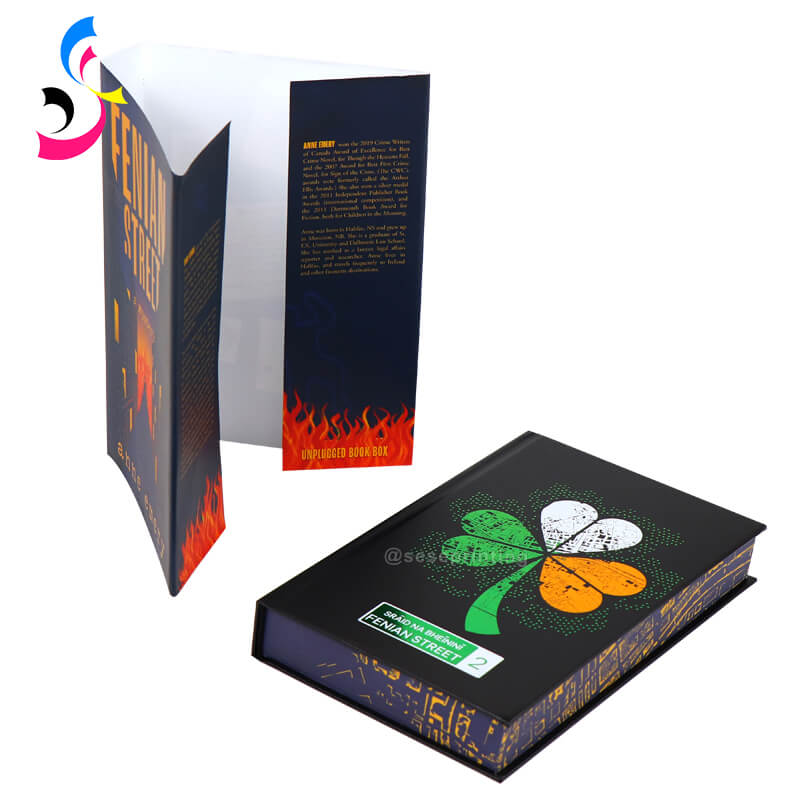
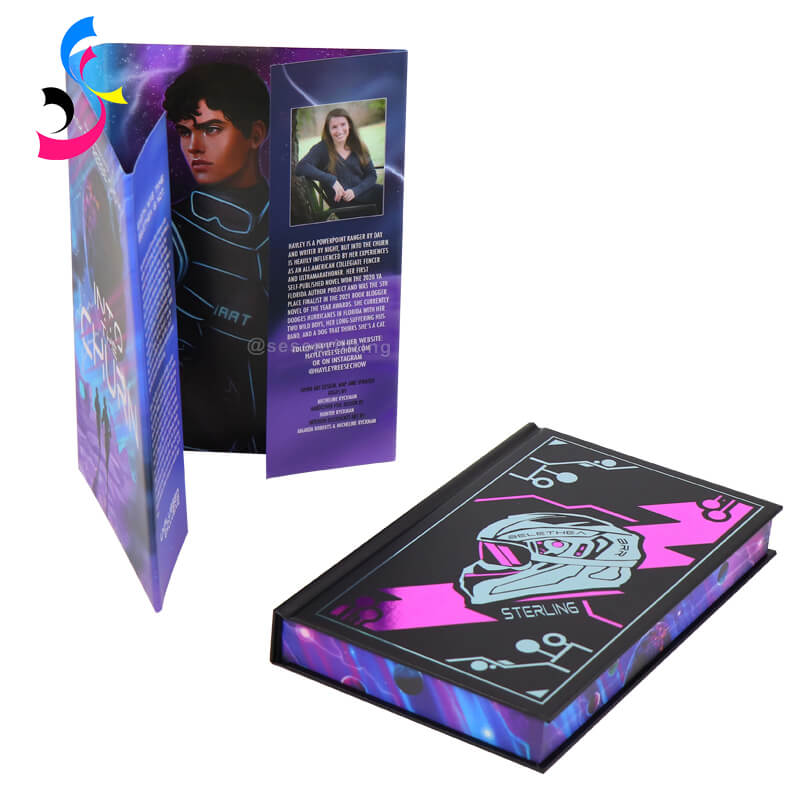
Also known as a book jacket, this is the removable paper wrapper found on most hardcover books. It serves both a protective and decorative function, offering an extra layer of durability while showcasing artwork, author information, and promotional text. Dust jackets are commonly used for special editions or luxury books, often incorporating techniques like foil stamping or spot UV coating to enhance their visual appeal.
8. French Flaps
|
|
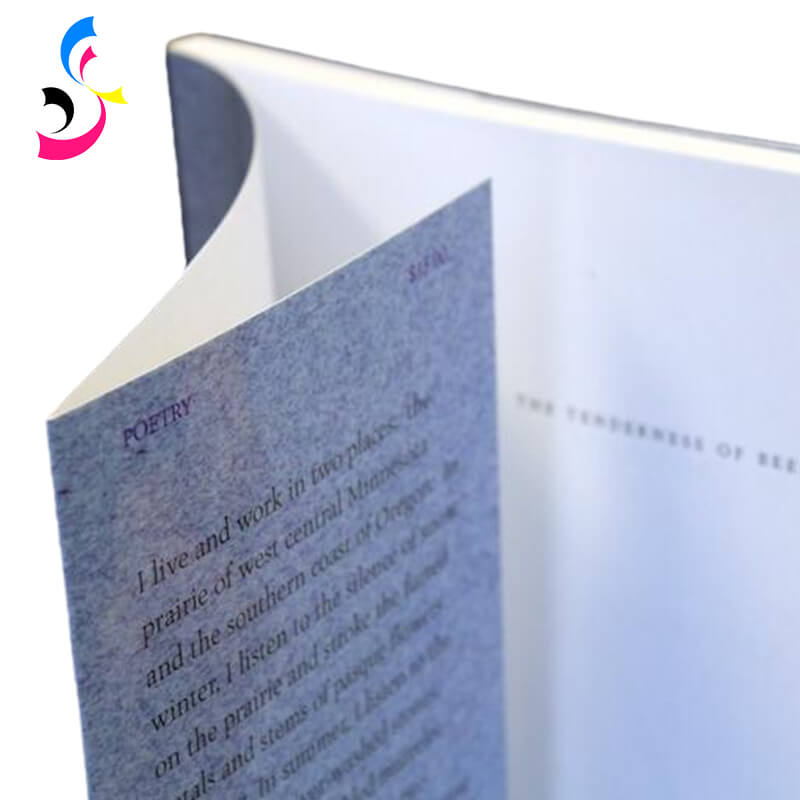
French flaps are folds in the cover of a book, typically used in paperback editions. The edges of the cover are folded inward to create flaps, which give the book a more polished, elegant look. French flaps are often used in higher-end paperback editions or limited runs to provide extra space for blurbs, author information, or a summary without increasing the trim size. |
9. Endpapers (Endsheets)
|
|
Endpapers, or endsheets, are heavy sheets of paper that are glued to the inside front and back covers of hardcover books. They help bind the book block to the cover and can also add a decorative element. In special edition books, endpapers may be customized with designs, patterns, or special prints, making them an important aspect of the overall book design. |
10. Sprayed Edges
|
|
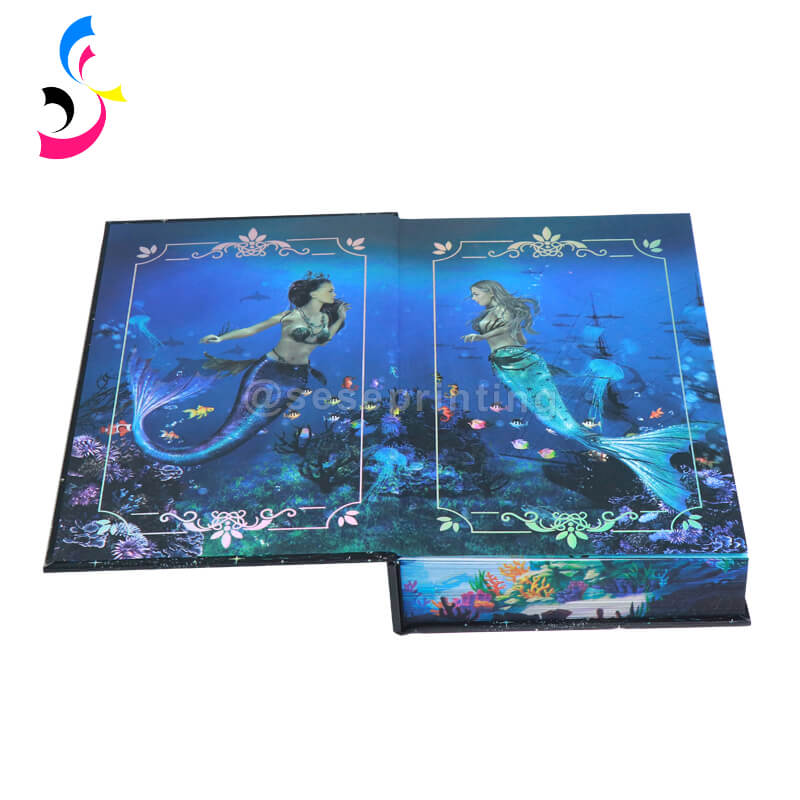
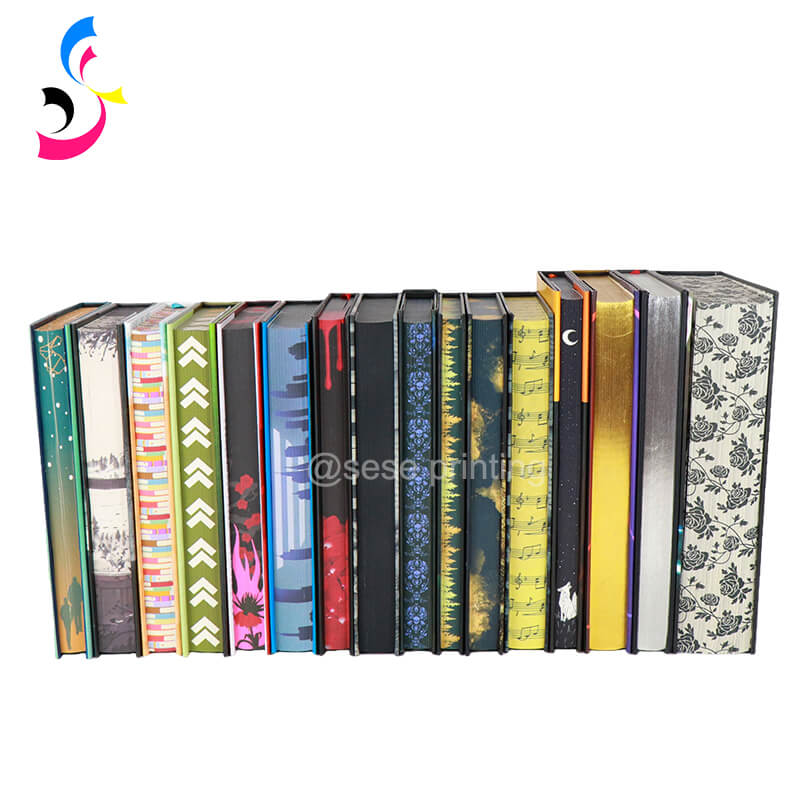
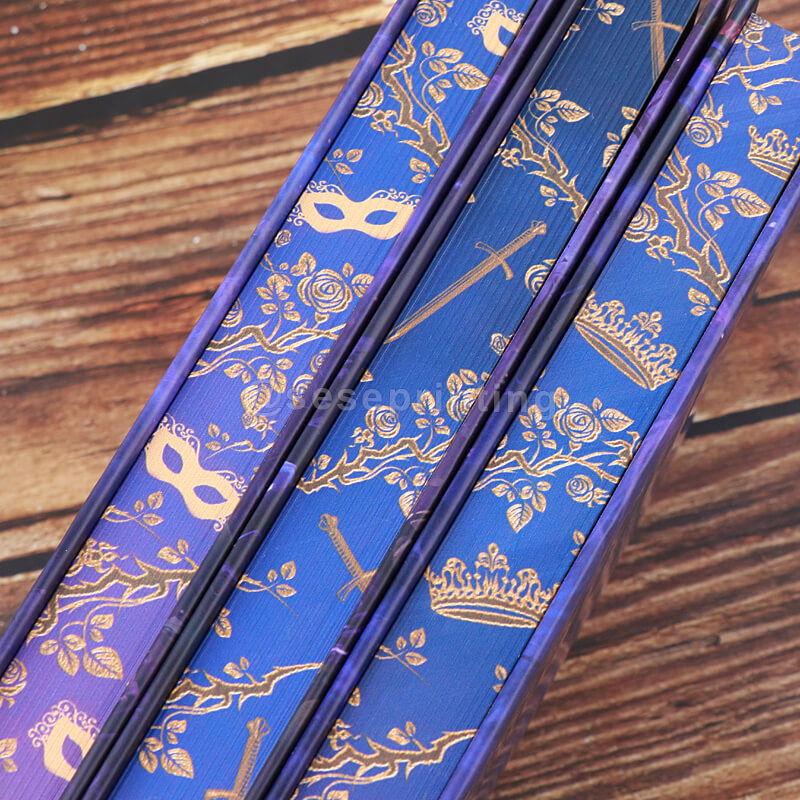
Sprayed edges refer to the application of a colored or patterned coating to the outer edges of a book’s pages. This technique is performed after the book block (the collection of pages) is bound, but before the cover is applied. The sprayed edges can be a single color or have a gradient effect, depending on the design choice. The edges can also be sprayed with a metallic, neon, or even a marble-like finish for added impact. |
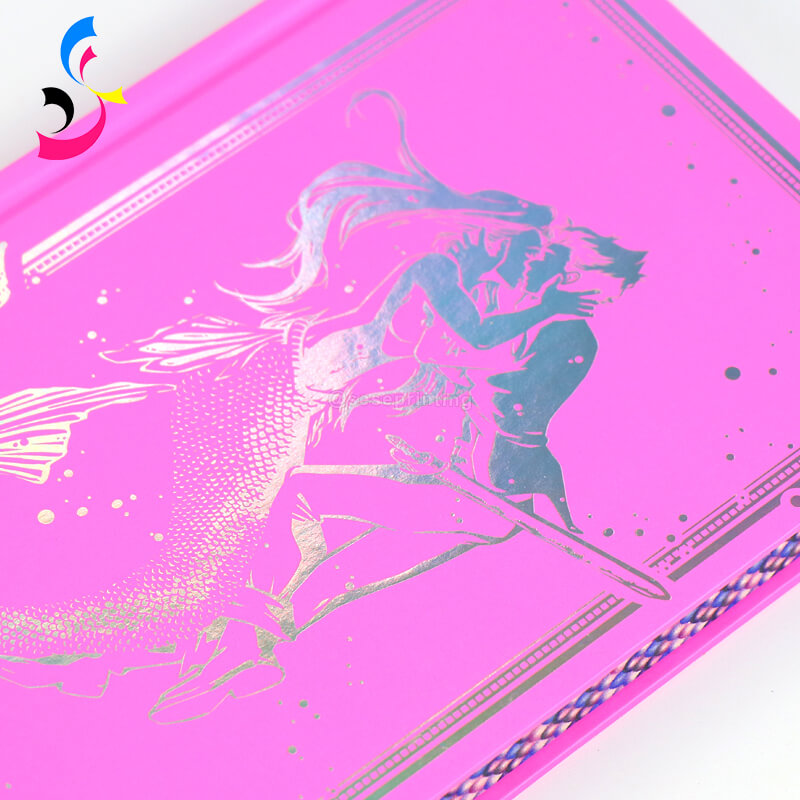
11. Foil Stamping
|
|
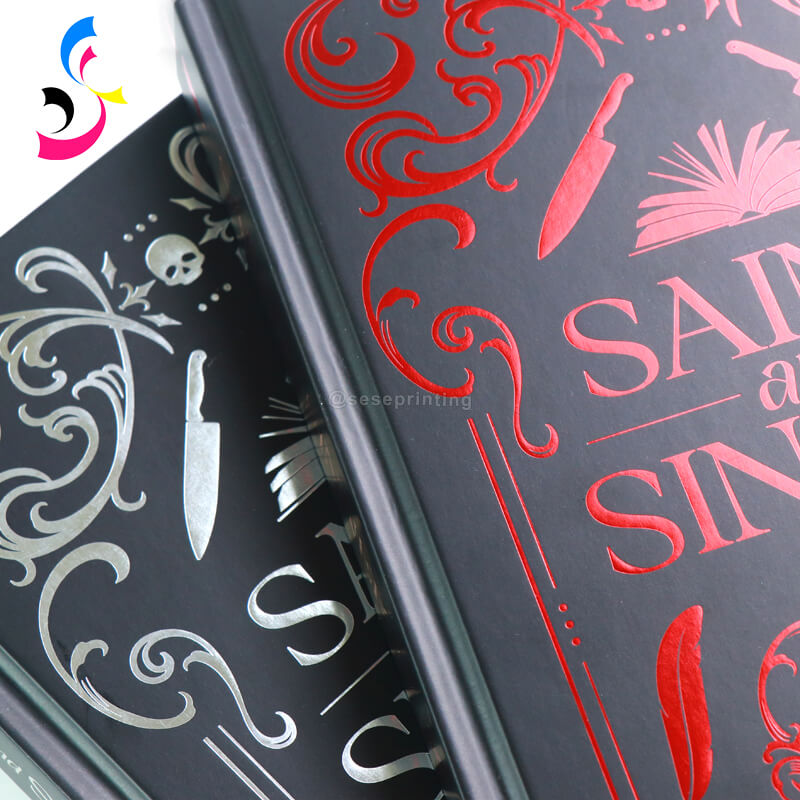
Foil stamping is a technique where metallic or holographic foil is applied to a book cover using heat and pressure. This results in shiny, reflective designs or text, often used for special editions, luxury books, or hardcover releases. Foil stamping can be applied to logos, titles, and other design elements to create a high-impact, attention-grabbing effect. |
12. Spot UV Coating
|
|
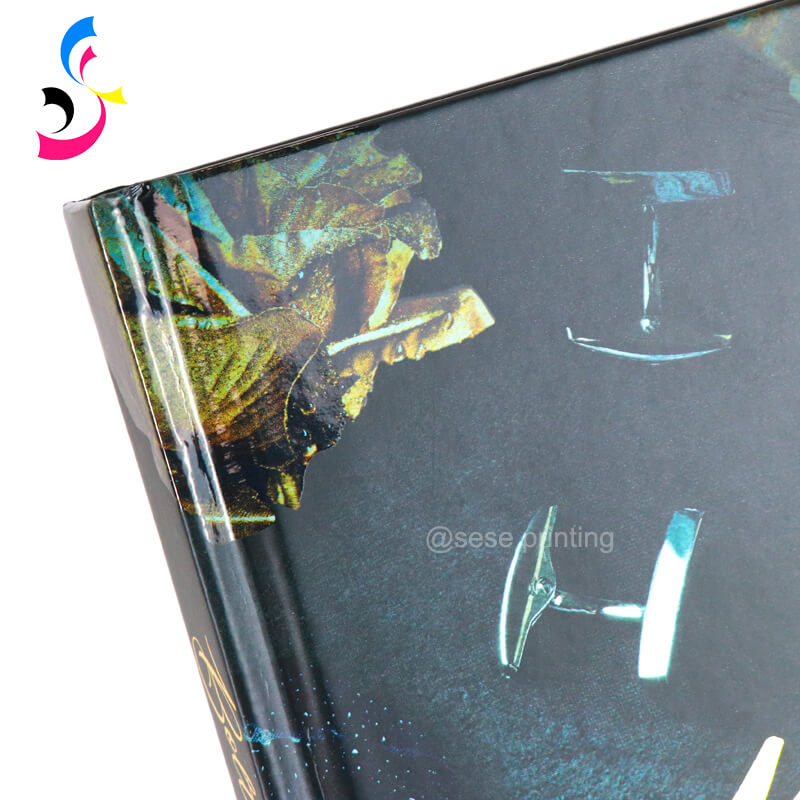
Spot UV coating is a selective varnishing technique that applies a high-gloss finish to specific areas of the book cover or pages. This process highlights particular design elements, such as a logo, title, or image, providing a contrast between the glossy coated areas and the rest of the matte finish. Spot UV coating is often used for premium books, adding texture and dimension to the cover. |
13. Heatset Printing
Heatset printing is a printing process that uses heat to dry ink as it is applied to the paper. This method is particularly effective for producing high-quality, full-color images on coated paper, making it ideal for illustrated books, art books, and special editions. The heatset process ensures that the ink dries quickly, preventing smudging and ensuring vibrant, sharp prints.
14. Holographic Printing
|
|
Holographic printing involves the use of holograms or holographic foil to create a three-dimensional effect on the surface of the book. This technique is often used for luxury or special edition books to create visually stunning covers that stand out. Holographic printing can be used for logos, text, or artwork, adding a futuristic and premium feel to the book. |
15. Offset Printing
Offset printing is a traditional printing method where ink is transferred from a metal plate to a rubber blanket and then to the paper. This process allows for high-quality printing with sharp detail and vibrant color. Offset printing is commonly used for large print runs of books, including custom books and special editions, due to its efficiency and ability to produce consistent results.
16. Silk Print (Silk Screen Printing)
Silk screen printing, or silk printing, is a process where ink is pushed through a mesh screen to create a design. This technique is often used for printing designs on book covers, dust jackets, or even custom patterns on the book’s surface. It’s popular for its ability to produce bold, solid colors and intricate designs, especially for premium or custom books.
17. Bleed
Bleed refers to the area of a printed image or design that extends beyond the final trim size of the page. This ensures that there is no unprinted space around the edges of the book after trimming. In custom printing projects, bleed is crucial for maintaining the integrity of the design, especially for full-bleed images or background colors that cover the entire page.
18. Spine Width
The spine width of a book refers to the thickness of the book's spine. This is determined by the number of pages in the book and the type of paper used. Knowing the spine width is essential when designing a custom hardcover or paperback book cover, as it ensures that the cover wraps around the spine properly without compromising the aesthetics.
19. Text Weight
This refers to the weight, thickness, and opacity of the paper used for the interior pages of the book (the "text" pages). It is usually measured in grams per square meter (gsm). A higher gsm indicates thicker, more opaque paper. For example, a novel might use a 70-80gsm paper, while an art book would require a much heavier 150gsm+ paper to prevent image show-through.
20. Conclusion
Understanding the various terms related to book printing is essential for authors, publishers, and businesses involved in the creation of custom and special edition books. By familiarizing yourself with these terms, you can make more informed decisions about paper types, binding methods, and decorative finishes that will best represent your project. Whether you're looking to produce a high-end, premium book or a simple paperback, knowing the lingo ensures that your vision is executed with precision and quality.
At SESE Printing, we specialize in providing exceptional custom printing services that bring your book to life, offering personalized solutions for every step of the production process. Whether it’s foil stamping, sprayed edges, or a unique binding style, we are committed to helping you create the perfect printed product. Contact us today for a consultation, and let's start the journey of bringing your complete book vision to life.
 Printing a Special Edition Book Series: A Step-by-Step Guide
 You May Also Like


 Tel
Tel
 Email
Email
 Address
702 No. 21 Huizhong Road, Shiqiao St, Panyu District. Guangzhou city, Guangdong Province. China

Joy
 Whatsapp