



 Home
HomeEdge Painting vs. Gilded Edges: Which Finishing Is Right for Your Luxury Edition?
 Apr 08,2026

 SESE
SESE
Edge Painting vs. Gilded Edges: Which Finishing Is Right for Your Luxury Edition?
When it comes to creating a luxury edition book, every detail counts. Among the many finishing options available to elevate your book’s visual appeal and tactile experience, edge treatments are an essential choice that can set your project apart. Two popular techniques often considered for premium editions are edge painting (sprayed edges) and gilded edges. Both of these finishes add a touch of elegance and sophistication, but which one is right for your project?
In this article, we will explore the differences between edge painting and gilded edges, examining their unique features, pros, cons, and help you determine which finishing technique is best for your luxury edition book.
1. Sprayed Edges (Edge Painting)
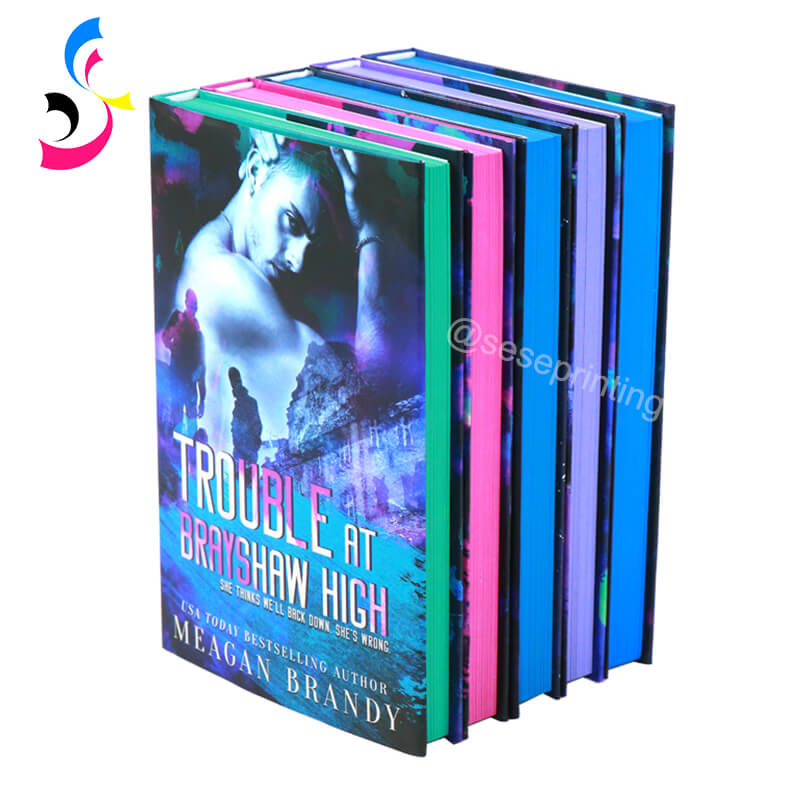
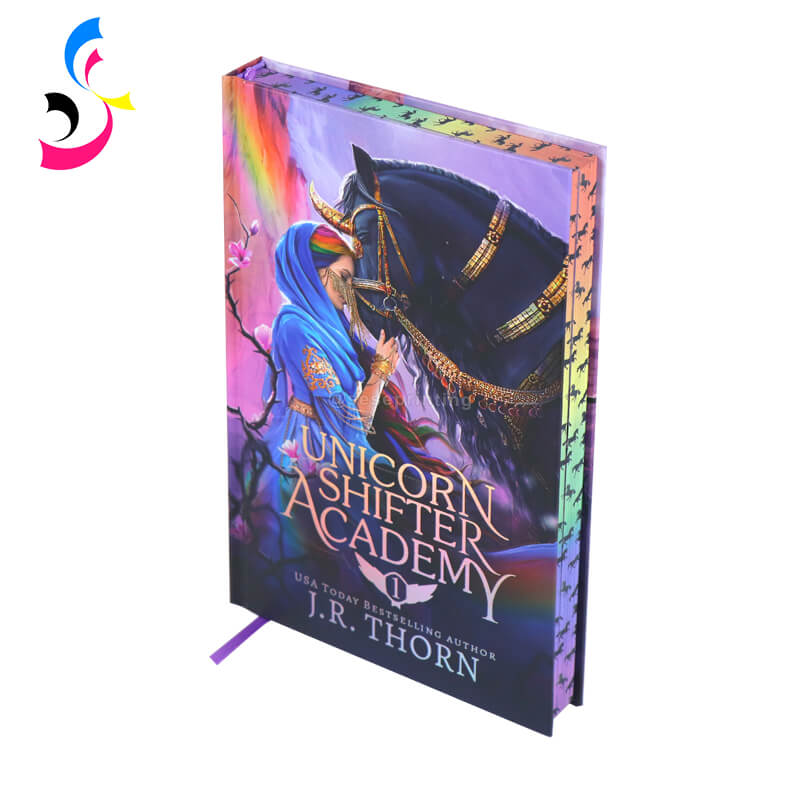
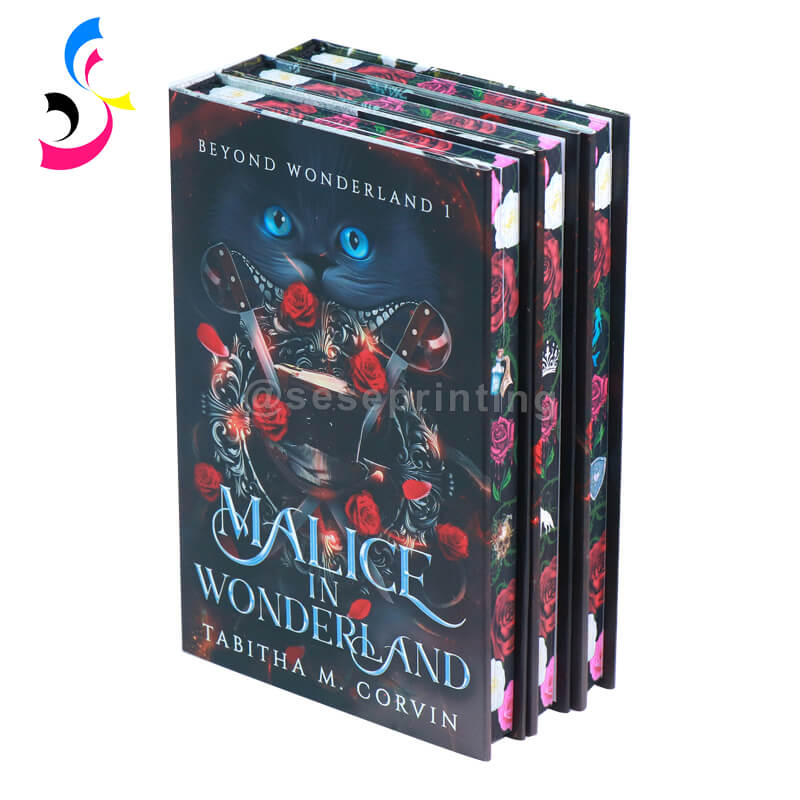
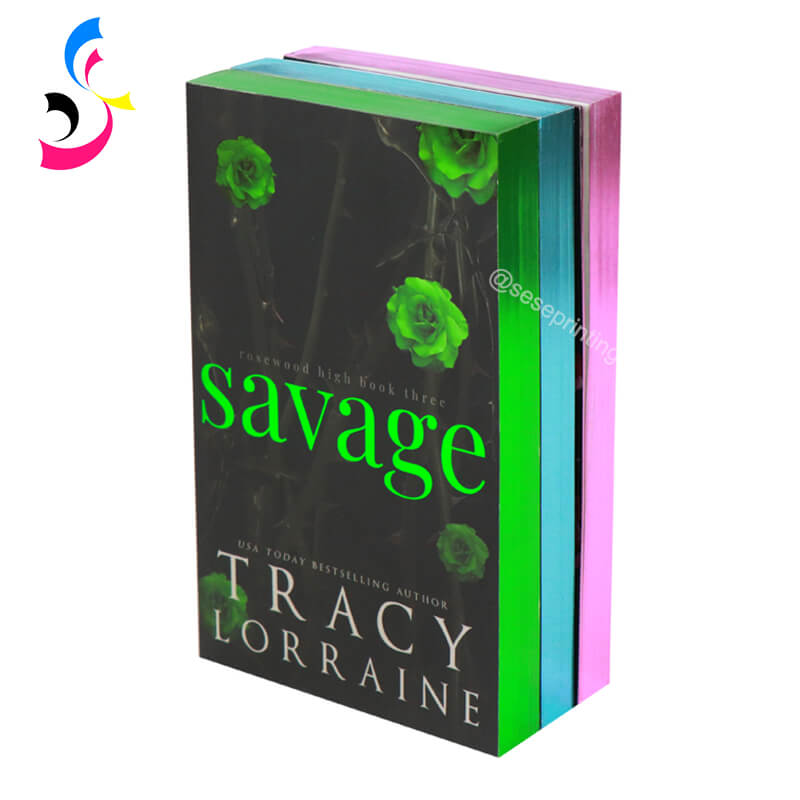
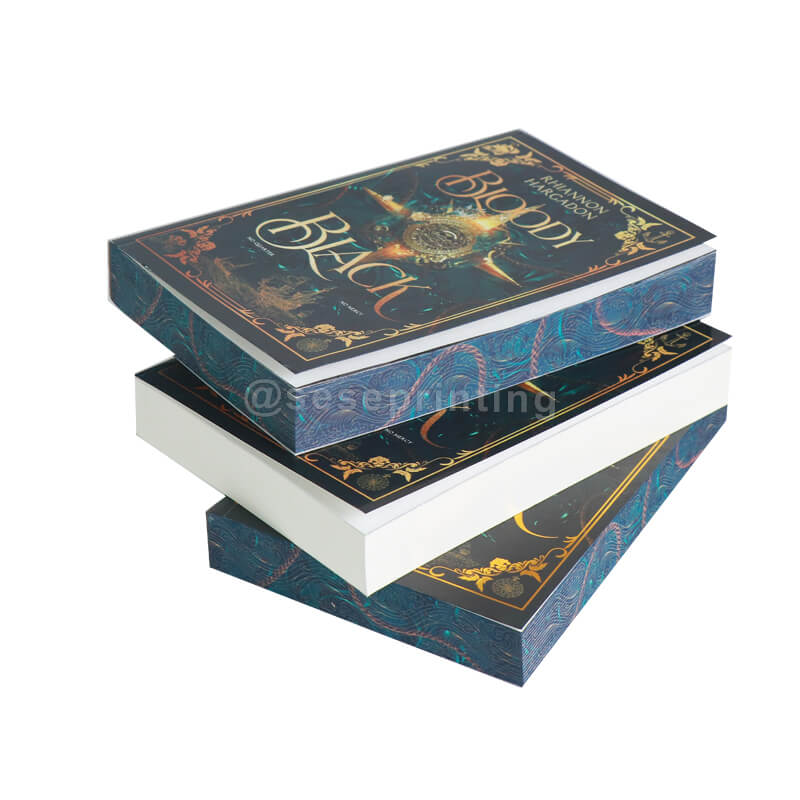
Sprayed edges, also known as edge painting, are a popular choice for luxury books, especially for special edition and collector’s items. This technique involves spraying color onto the edges of the pages, creating a unique border that can complement the design and tone of the book. The color can be uniform or gradient, and it can be matched to the cover design, interior artwork, or even the book’s theme.
Sprayed edges can be customized in a variety of ways:
|
|
|
|
Solid Color |
Gradient Color |
Custom Patterns |
-
Solid color: A consistent hue is applied to the edges of the pages, creating a clean, modern look. This option is often used to match the cover or interior design of the book.
-
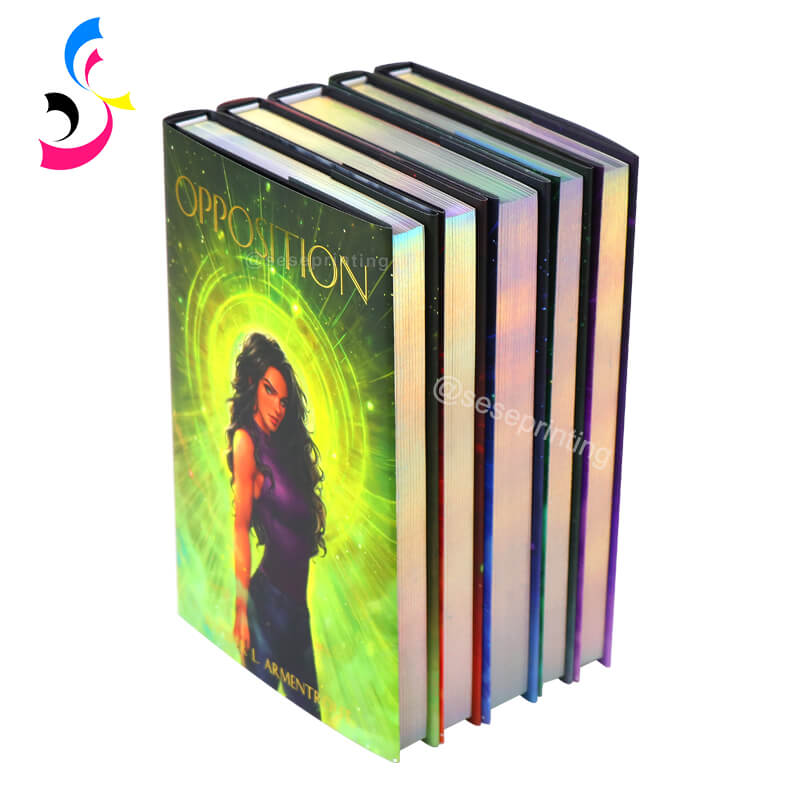
Gradient color: A smooth fade of color from one edge of the book to the other, offering a striking, artistic effect. This can be particularly appealing for fiction or art books that require a vibrant, personalized touch.
-
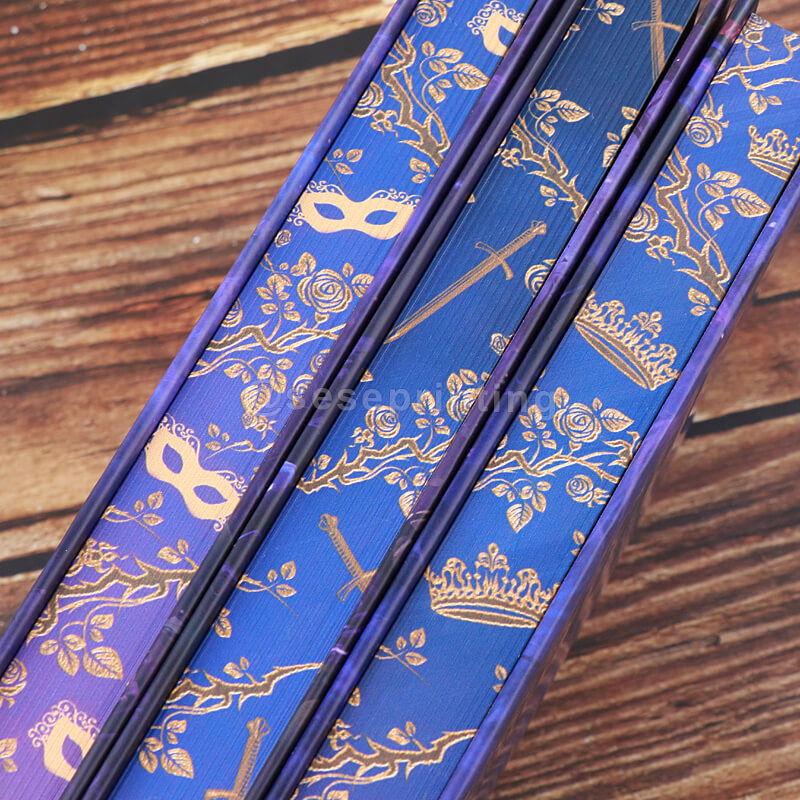
Custom patterns: In some cases, designers might incorporate patterned edges, which could reflect a theme or motif from the book, adding further uniqueness to the final product.
Sprayed edges offer a sleek, modern look and are often paired with other custom features, such as embossed covers, foil stamping, or custom endpapers. They work well for books in various genres, from romantic novels and art books to children's books.
2. Gilded Edges (Forced Edges)
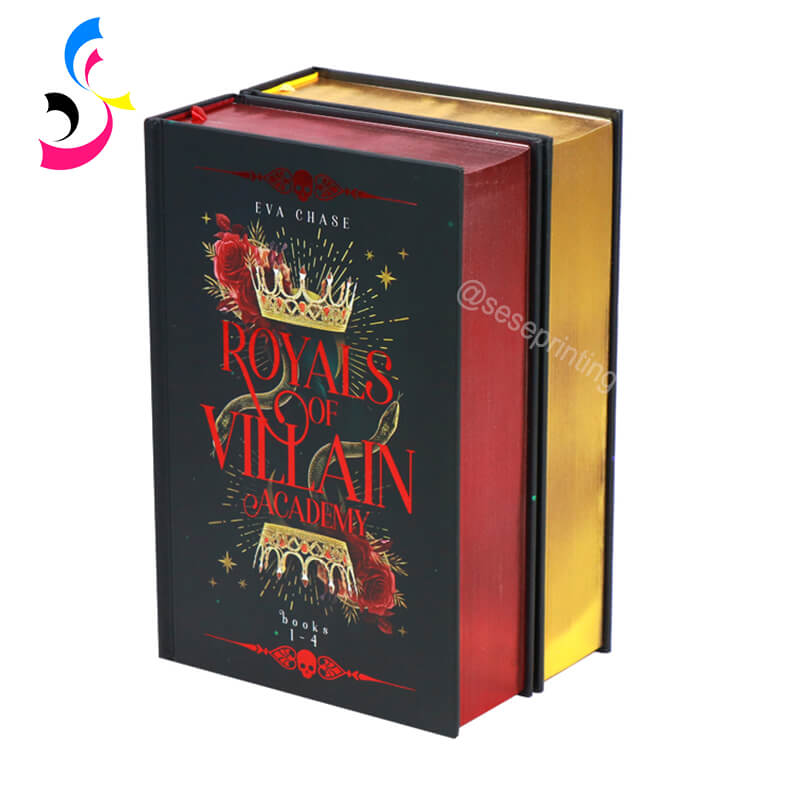
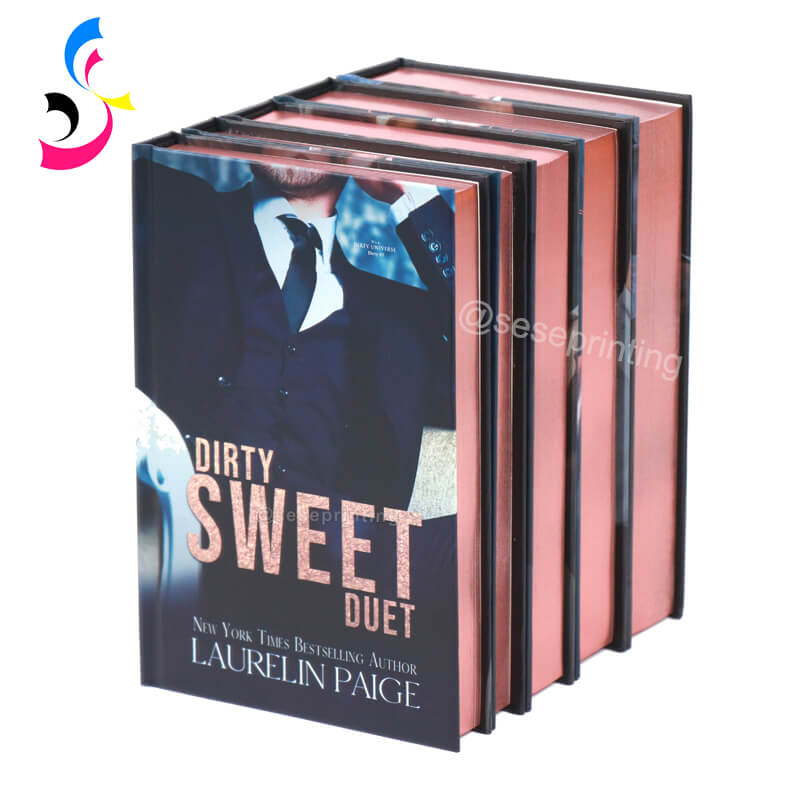
Gilded edges—often referred to as forced edges—represent the epitome of luxury finishing in bookbinding. This technique involves the application of a thin layer of metallic foil (typically gold, silver, or copper) to the edges of a book's pages, resulting in a shiny, reflective finish that exudes elegance and sophistication.
The gilding process involves applying heat and pressure to transfer the metallic foil to the book's edges. The foil bonds to the edges of the paper, creating a luxurious metallic sheen. This effect is not only visually striking but also adds an element of tactile pleasure, as the smooth, glossy finish of gilded edges enhances the overall tactile experience of handling the book.
The Gilding Process:
|
|
|
|
|
-
Foil Application: The metallic foil is applied to the edges using a technique called hot foil stamping or forced edge gilding. The process uses heat and pressure to fuse the foil to the book edges.
-
Color Options: The most common colors for gilding are gold, silver, and copper. However, other metallic shades such as rose gold and pewter are also available, depending on the desired effect.
-
Glossy Finish: The metallic sheen of the gilded edges reflects light and creates a striking contrast against the book's cover and pages, elevating the perceived value of the book.
Gilded edges are often seen in high-end books, such as collector's editions, limited edition books, and premium hardcovers. The technique is typically used for works that are meant to make a lasting impression and stand the test of time, such as luxury coffee table books, fine art books, and special editions.
3. Key Differences Between Edge Painting and Gilded Edges
Feature |
Sprayed Edges (Edge Painting) |
Gilded Edges (Forced Edges) |
Appearance |
Colorful or gradient effect, soft look |
Reflective metallic sheen, bold look |
Finish Type |
Matte, glossy, or satin |
Glossy, metallic |
Customization |
Highly customizable with colors |
Limited to gold, silver, or copper |
Cost Typically |
Typically more affordable |
Generally more expensive |
Durability |
Less durable compared to gilding |
More durable, resistant to wear |
Best for |
Modern, artistic designs |
Luxury, classic, and premium editions |
4. Pros & Cons
When considering whether to choose sprayed edges (edge painting) or gilded edges (forced edges) for your luxury edition book, it's important to weigh the advantages and disadvantages of each technique. Both finishes can enhance the look and feel of your book, but they come with their own sets of benefits and limitations. Here's a breakdown:
Sprayed Edges (Edge Painting) |
Pros:
|
Cons:
|
Gilded Edges (Forced Edges) |
Pros:
|
Cons:
|
5. Which Should You Choose?
Choosing between sprayed edges (edge painting) and gilded edges (forced edges) depends on several key factors, including the book’s purpose, target audience, design concept, and budget. Both finishes bring a unique appeal to your book, but selecting the right one for your specific project will ensure the final product meets your vision and expectations.
Consider Your Budget
-
Sprayed Edges are generally more affordable than gilded edges. If you are working with a limited budget or need to produce a high-volume print run, sprayed edges are an excellent choice. The customization options available with sprayed edges also allow you to create visually impactful designs without breaking the bank.
-
Gilded Edges, on the other hand, involve a more complex and expensive process due to the use of metallic foil and the labor-intensive gilding technique. If your project is a high-end luxury edition or low-volume print, and you have the budget for it, gilding is worth the investment for its luxurious finish and timeless appeal.
Aesthetic and Theme
-
Sprayed Edges are ideal if you want a bold, modern, or artistic effect. The ability to choose from a wide range of colors, gradient effects, and patterns allows for a lot of creativity. If your book is aimed at a younger audience, a contemporary design, or needs to reflect a vibrant theme, sprayed edges provide the versatility to bring your vision to life. This finish works especially well for fiction novels, children’s books, and art books that benefit from a colorful and dynamic design.
-
Gilded Edges, however, are perfect for a classic, elegant look. The reflective metallic sheen of gilding conveys luxury, sophistication, and timelessness. Gilded edges are well-suited for books that need to make a prestigious statement, such as collector’s editions, anniversary editions, fine art books, and other premium products. If the theme of your book leans toward heritage, history, or classic storytelling, gilding complements that with its traditional and upscale aesthetic.
Durability and Longevity
-
If durability is a key factor in your project, gilded edges are the superior choice. The metallic foil is not only more resistant to wear and tear but also holds up better over time compared to sprayed edges. If you expect the book to be handled frequently or if it’s meant to become a timeless keepsake, gilded edges offer a more lasting, premium appearance that can stand the test of time.
-
Sprayed edges are less durable and more prone to fading, especially if the book is handled a lot. They may begin to show signs of wear over time, so if longevity and maintenance are a concern, gilded edges are the more resilient option.
Target Audience and Purpose
-
Sprayed Edges are particularly well-suited for limited edition releases, special projects, or books with a younger, more creative audience. They work well for books that need a fun, fresh, or experimental look. Sprayed edges are often found on novels, art books, or young adult fiction, where color and creativity play a central role in the appeal.
-
Gilded Edges are aimed at an audience that values luxury and prestige. These are the ideal choice for collector's editions, high-end art books, and limited-run publications where quality and exclusivity are paramount. If your book is designed as a collector’s item or a luxury gift, gilded edges will significantly enhance its perceived value and make it feel more exclusive.
Visual Impact
-
Sprayed Edges deliver a bold visual impact, offering vibrant color, dynamic effects, and creative freedom. They can complement a book's design with visually exciting borders that demand attention, but without the reflective metallic quality of gilded edges. If your goal is to create a book with a striking appearance, sprayed edges are the go-to option for making a statement.
-
Gilded Edges, by contrast, have a more subtle, sophisticated impact. The reflective nature of the metallic finish catches the light, making the book shimmer and shine. This creates a visually stunning effect, especially when paired with a classic or elegant design. If the visual focus of your book is more about elegance and luxury, gilding will make the edges gleam with opulence, elevating the book to a whole new level of prestige.
6. Conclusion
Both sprayed edges and gilded edges bring a unique, luxurious touch to any book, but each offers distinct advantages and considerations. Whether you choose the colorful versatility of edge painting or the timeless elegance of gilded edges, it’s essential to consider your book’s overall design, purpose, and budget when making this decision.
At SESE Printing, we specialize in creating stunning special edition books with a wide range of custom finishes, including both sprayed edges and gilded edges. Our team works closely with you to ensure that every detail of your book is perfectly crafted, resulting in a premium product that captures your vision and exceeds expectations.
If you’re ready to bring your luxury edition project to life, SESE Printing is here to help you choose the right finish and create a book that will stand the test of time.
 Custom Printing Solutions for Independent Book Publishers
 You May Also Like


 Tel
Tel
 Email
Email
 Address
702 No. 21 Huizhong Road, Shiqiao St, Panyu District. Guangzhou city, Guangdong Province. China

Joy
 Whatsapp