



 Home
HomeHardcover vs Paperback: Which Book Format Is Better?
 Sep 28,2026

 SESE
SESE
Hardcover vs Paperback: Which Book Format Is Better?
When planning a custom book printing project, one of the first decisions publishers, authors, brands, and content creators need to make is whether to choose a hardcover or paperback format. While hardcover books are often associated with durability and premium presentation, paperback books offer flexibility, lighter weight, and cost efficiency.
However, the best format depends on more than the cover structure. Book size, page count, paper selection, printing quantity, binding, finishing, packaging, target audience, and budget can all influence the final choice.
With custom book printing, both hardcover and paperback formats can be tailored with specialized materials and finishing techniques. From foil stamping and embossing to custom endpapers and sprayed edges, the right combination can transform a standard printed book into a distinctive product.
This guide compares hardcover and paperback books and explains how to choose the right format and customization options for your project.
1. Hardcover vs Paperback: What Is the Difference?
The most obvious difference between hardcover and paperback books is the construction of the cover.
A hardcover book uses rigid boards that provide a firm and durable structure. The boards can be wrapped with printed paper, specialty paper, cloth, or other materials. Depending on the project, hardcover books can also include dust jackets, printed endpapers, ribbon bookmarks, headbands, and other premium features.
A paperback book, also known as a softcover book, uses a flexible paper-based cover. It is generally lighter and easier to handle, making it a popular option for novels, educational publications, workbooks, and books intended for larger print runs.
Feature Hardcover Paperback
Cover structure Rigid board Flexible paper cover
Durability High Moderate
Weight Heavier Lighter
Shipping Generally higher weight Easier to ship
Premium appearance Excellent Flexible
Custom finishing Extensive Extensive
Typical applications Special editions, gift books, collector books Novels, educational books, commercial publications
Production cost Generally higher Generally more economical
Neither format is universally better. The right choice depends on what you want the finished book to achieve.
2. Why Choose Custom Hardcover Book Printing?
Custom hardcover printing transforms a book into something enduring. Here’s why it’s worth the investment:
Durability That Lasts Decades. A well-made hardcover withstands multiple readings, handling, and shelf life. Smyth-sewn binding allows the book to lay flat and resist spine breakage—ideal for reference books, cookbooks, and treasured novels.
Premium Aesthetics and Perceived Value. Custom hardcovers command higher retail prices and are perceived as more valuable. With options like foil stamping, embossing, debossing, and spot UV coating, your cover becomes a work of art. Cloth, leatherette, or printed paper wraps add tactile sophistication.
Collector Appeal. Limited editions with custom finishes—sprayed edges, headbands, slipcases, and ribbon markers—turn books into collectibles that enthusiasts seek out. In 2026, hardcover sales showed a notable 9.1% year-over-year increase, driven by collector editions and visually rich titles.
Professionalism and Trust. Textbooks, portfolios, corporate publications, and academic works often choose hardcover to convey authority and permanence.
3. Why Choose Custom Paperback Book Printing?
Paperbacks aren’t just the cheaper option—they’re strategically smart for many projects.
Affordability and Accessibility. Lower production costs mean lower retail prices, making your book more accessible to a broader audience. Readers are more likely to take a chance on an unfamiliar author at a $13.95 price point than at $22.
Portability and Comfort. Lightweight and flexible, paperbacks fit in bags and hands with ease. They’re the go-to format for travel reading, book clubs, and everyday enjoyment.
Customization That Competes with Hardcovers. Today’s custom paperback printing offers options once reserved for hardcovers:
- Heavyweight cover stocks (300–350gsm) for a sturdy feel
- Soft-touch lamination for a velvet-like surface
- Foil stamping for metallic title highlights
- Sprayed or printed edges for a premium look
- French flaps that extend the cover, providing space for author bios, maps, and added structural rigidity
- Spot UV, embossing, and debossing for tactile and visual impact
Speed to Market. Paperbacks can be produced faster and in smaller runs, allowing you to test the market before committing to a larger order.
4. Hardcover vs Paperback: Which Is Better for Your Book?
The answer depends on your project's priorities.
Choose hardcover when you prioritize:
- Long-term durability
- Premium presentation
- Collector appeal
- Giftability
- Special edition positioning
- Extensive customization
- Luxury packaging
Choose paperback when you prioritize:
- Cost efficiency
- Lightweight construction
- Easy handling
- Shipping efficiency
- Larger print quantities
- Flexible commercial distribution
For example, a publisher launching a limited-edition fantasy novel may select a hardcover with foil, sprayed edges, and custom endpapers. The same title may also be produced as a paperback for broader distribution.
This means hardcover and paperback do not necessarily have to compete with each other. They can serve different roles within the same publishing strategy.
A premium hardcover can target collectors and special-edition buyers, while a paperback can provide a more accessible option for everyday readers.
5. Customization Options for Hardcover and Paperback Books
Cover Finishing
Both hardcover and paperback books can incorporate a variety of cover effects, depending on the selected materials and production specifications.
Popular options include:
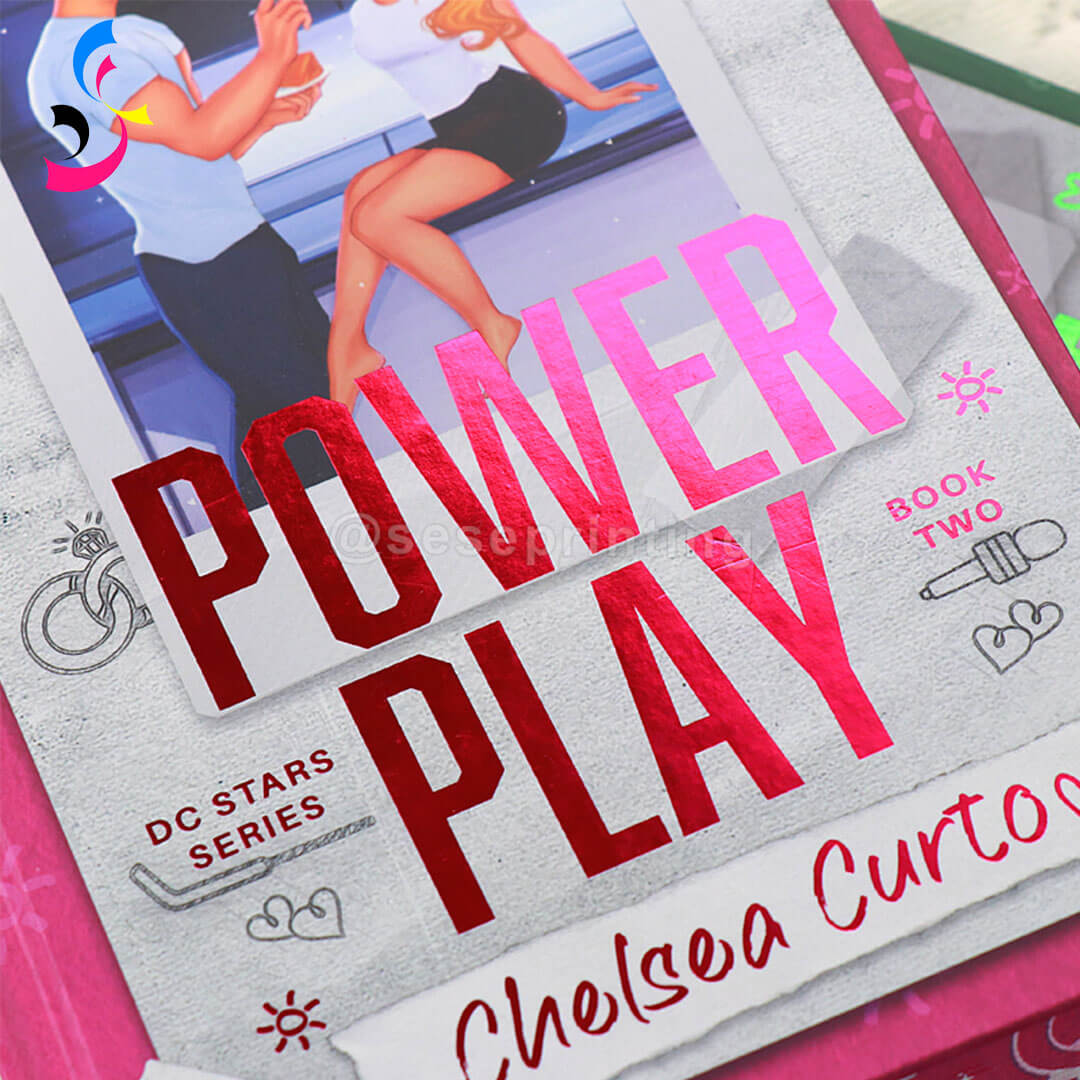
Foil Stamping
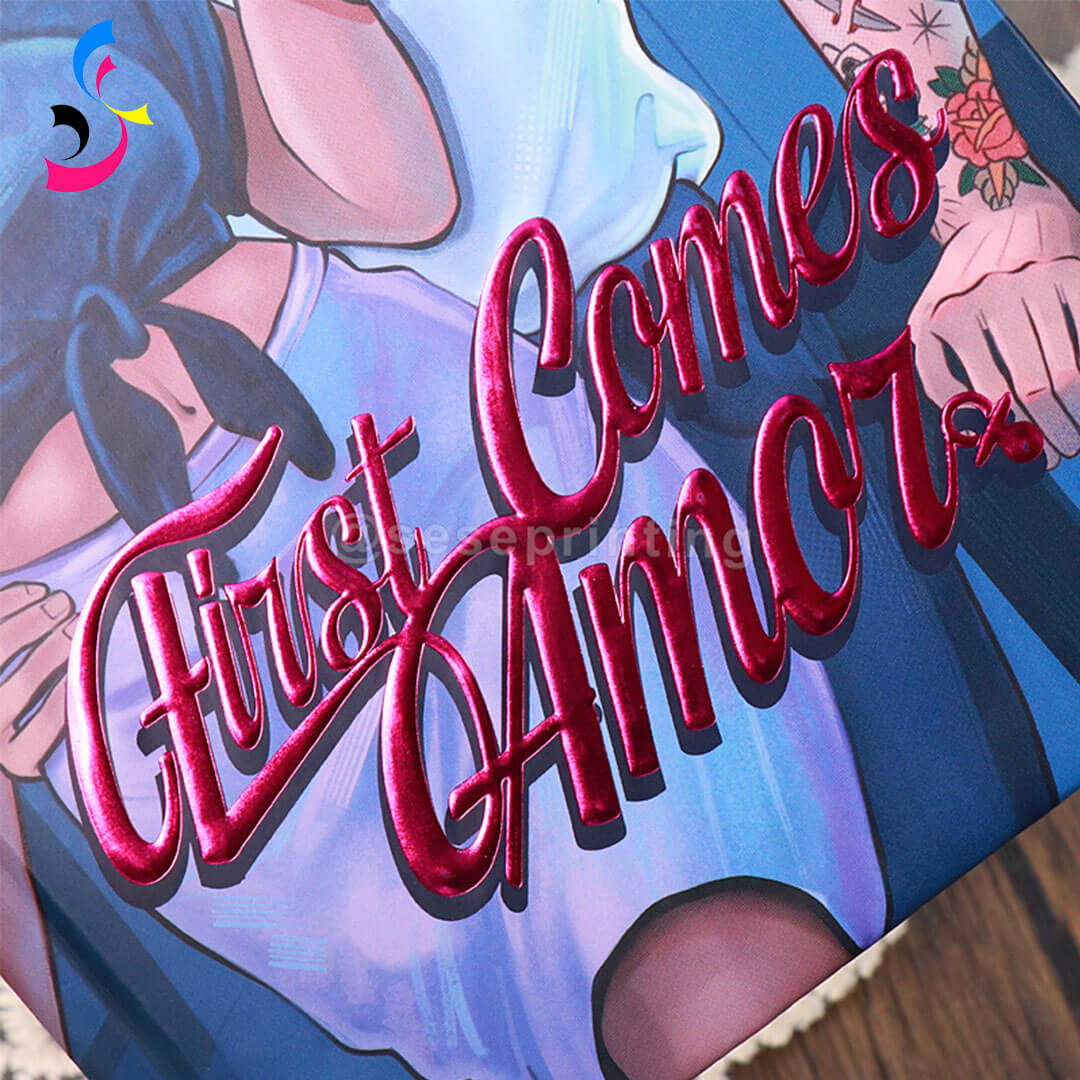
Embossing
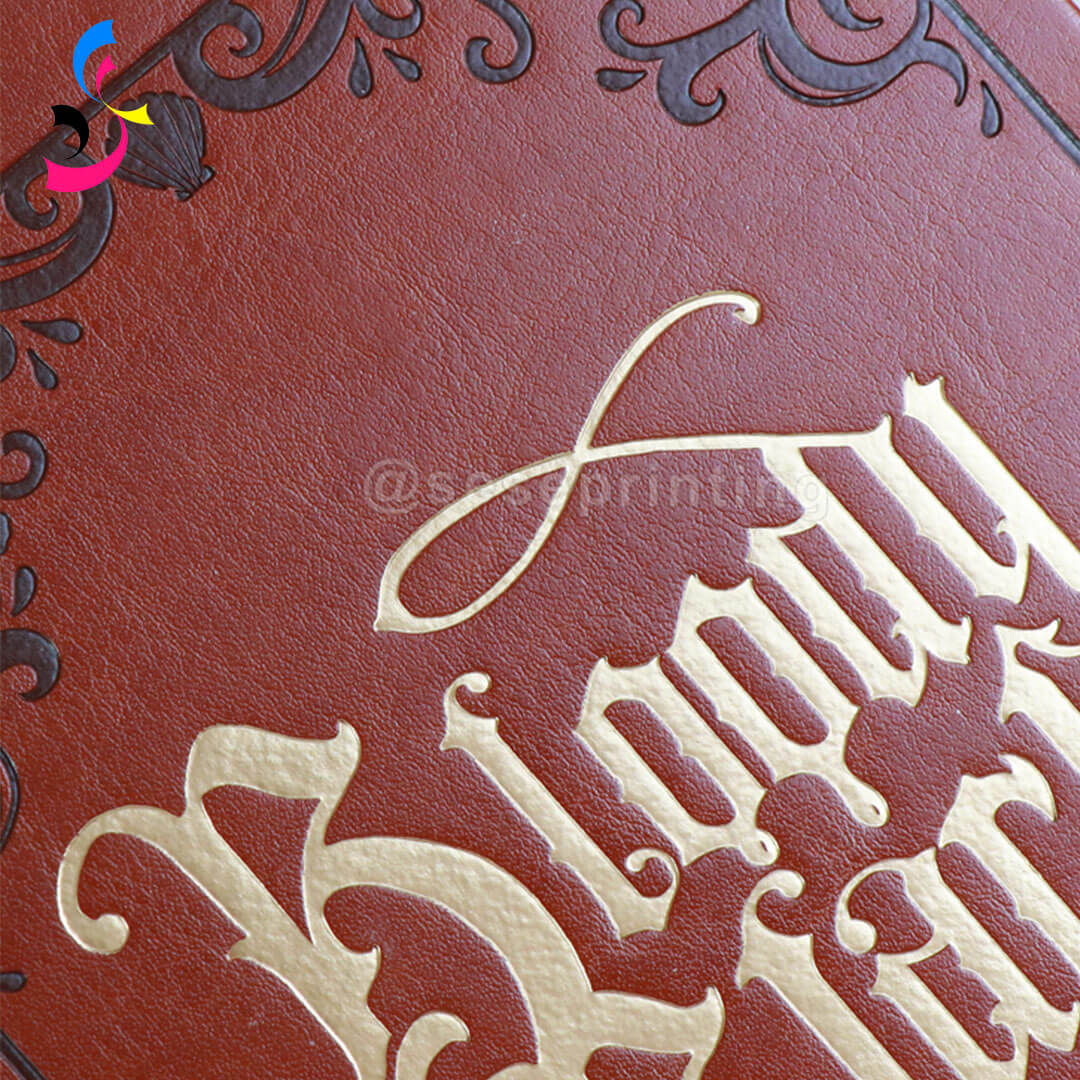
Debossing
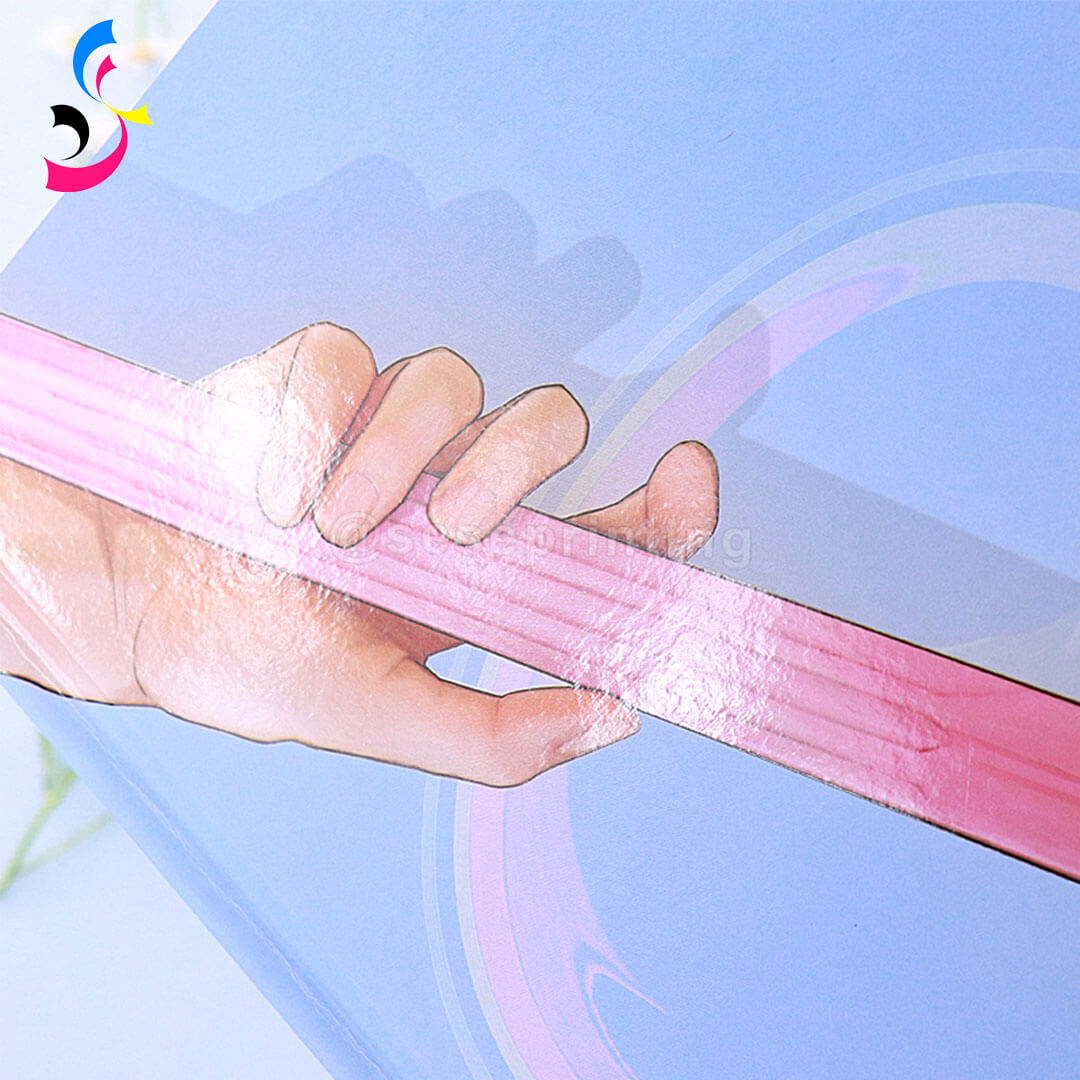
Spot UV
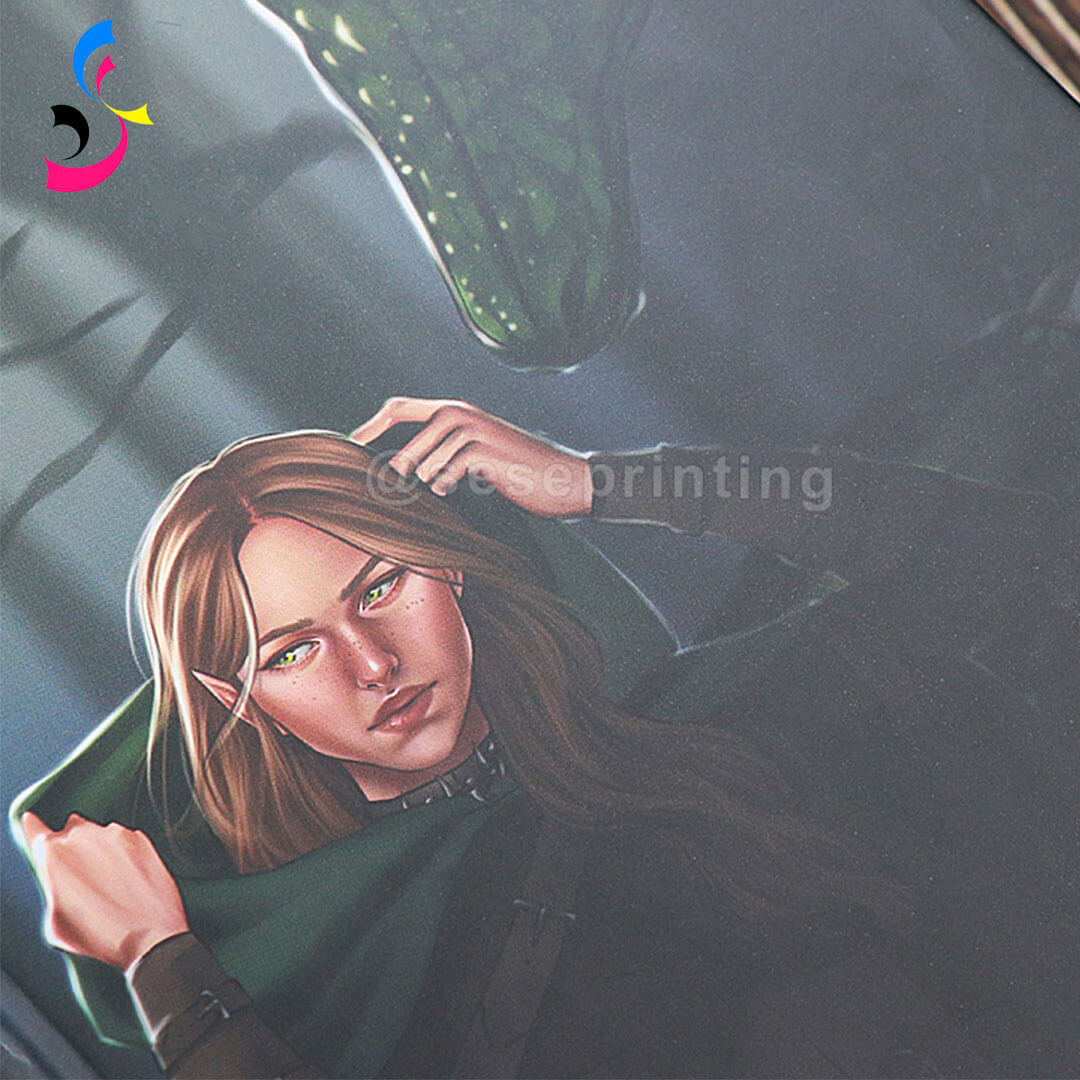
Matte Laminated
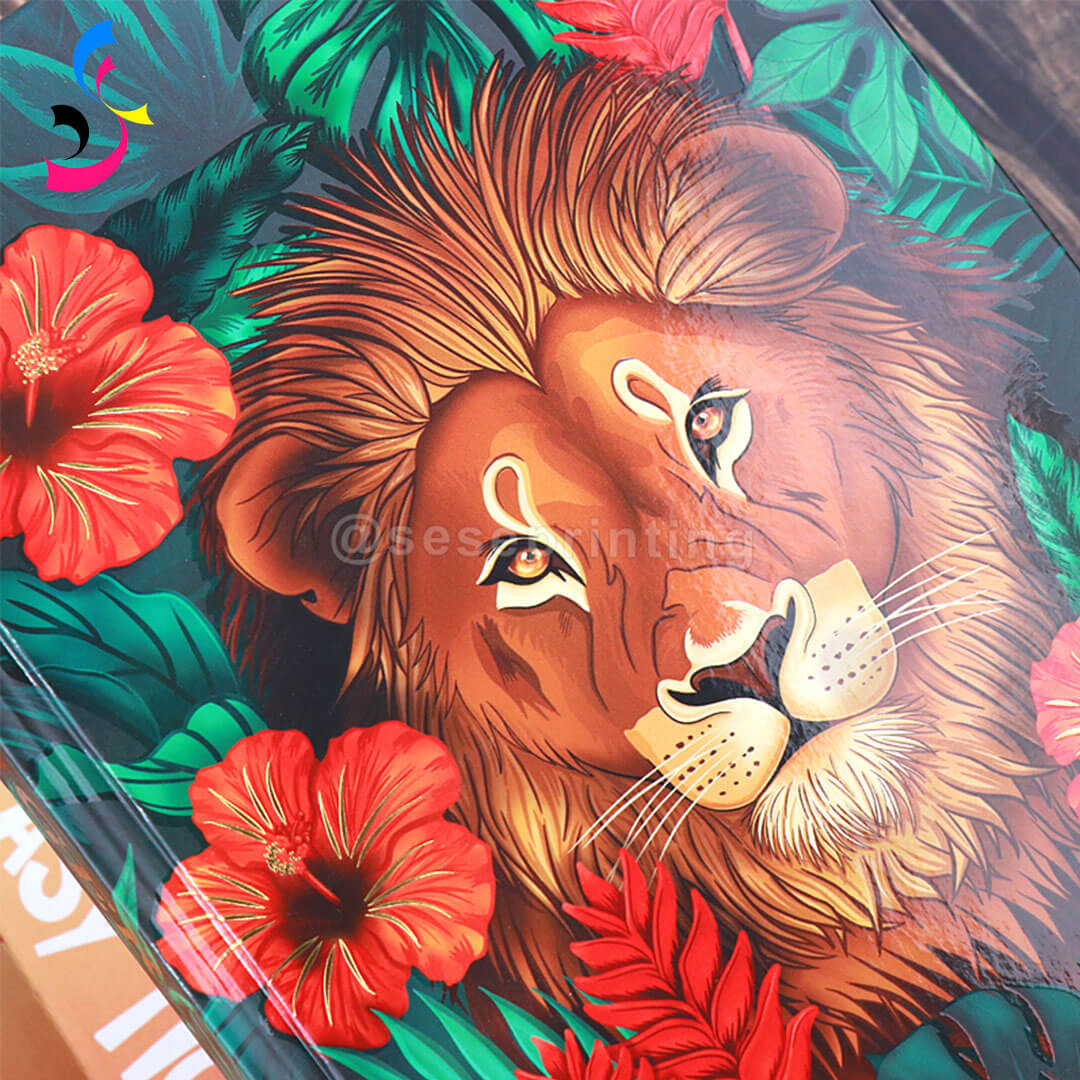
Glossy Laminated
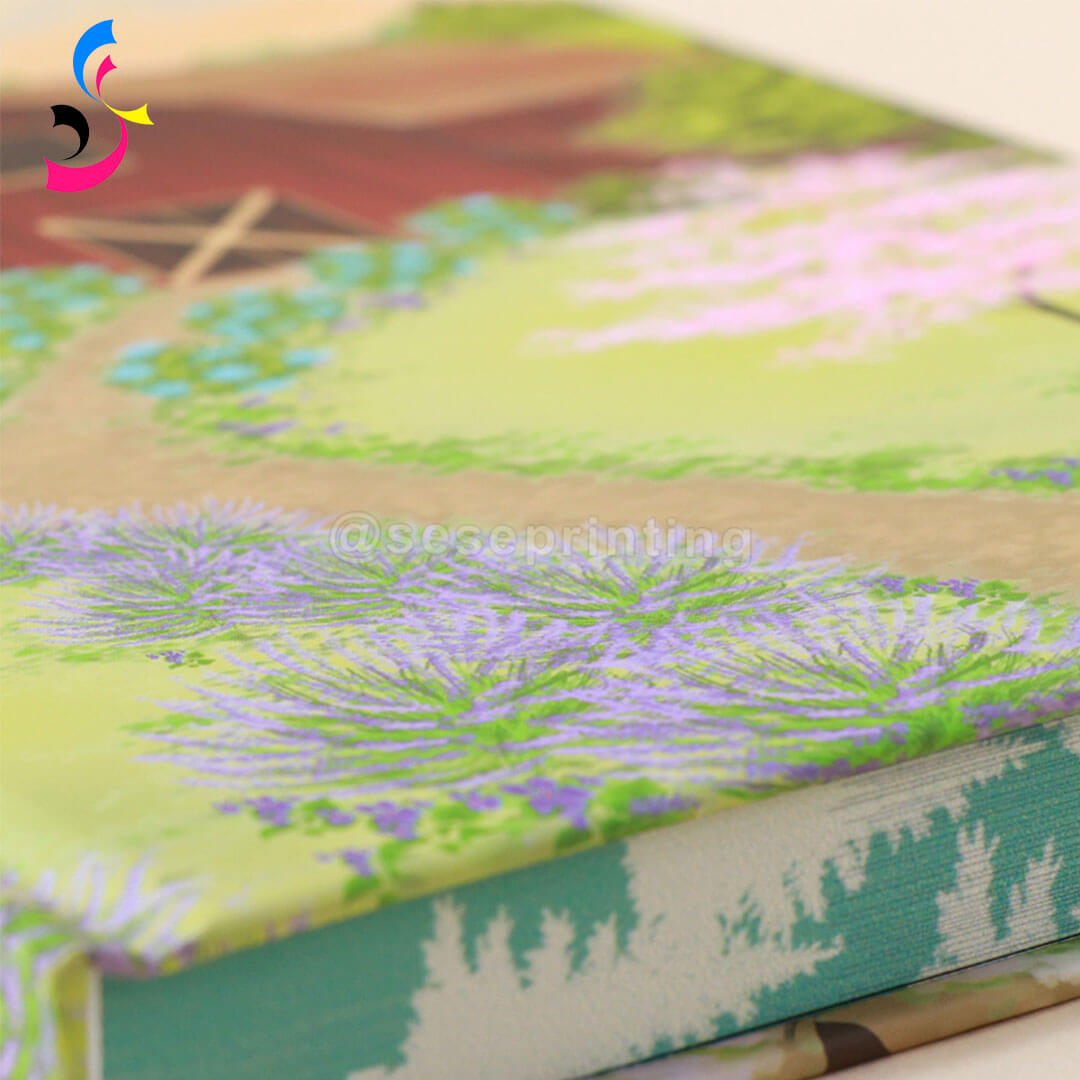
Soft-touch Laminated
- Foil Stamping: Gold, silver, holographic, and other foil effects can add highlights to typography, illustrations, logos, or decorative elements.
- Embossing and Debossing: These techniques create raised or recessed details, adding a tactile dimension to the cover.
- Spot UV: Spot UV can create contrast between glossy and matte areas, helping selected design elements stand out.
- Lamination: Matte, gloss, and soft-touch finishes can change both the appearance and tactile experience of the cover.
Interior Customization
The interior can also be customized through:
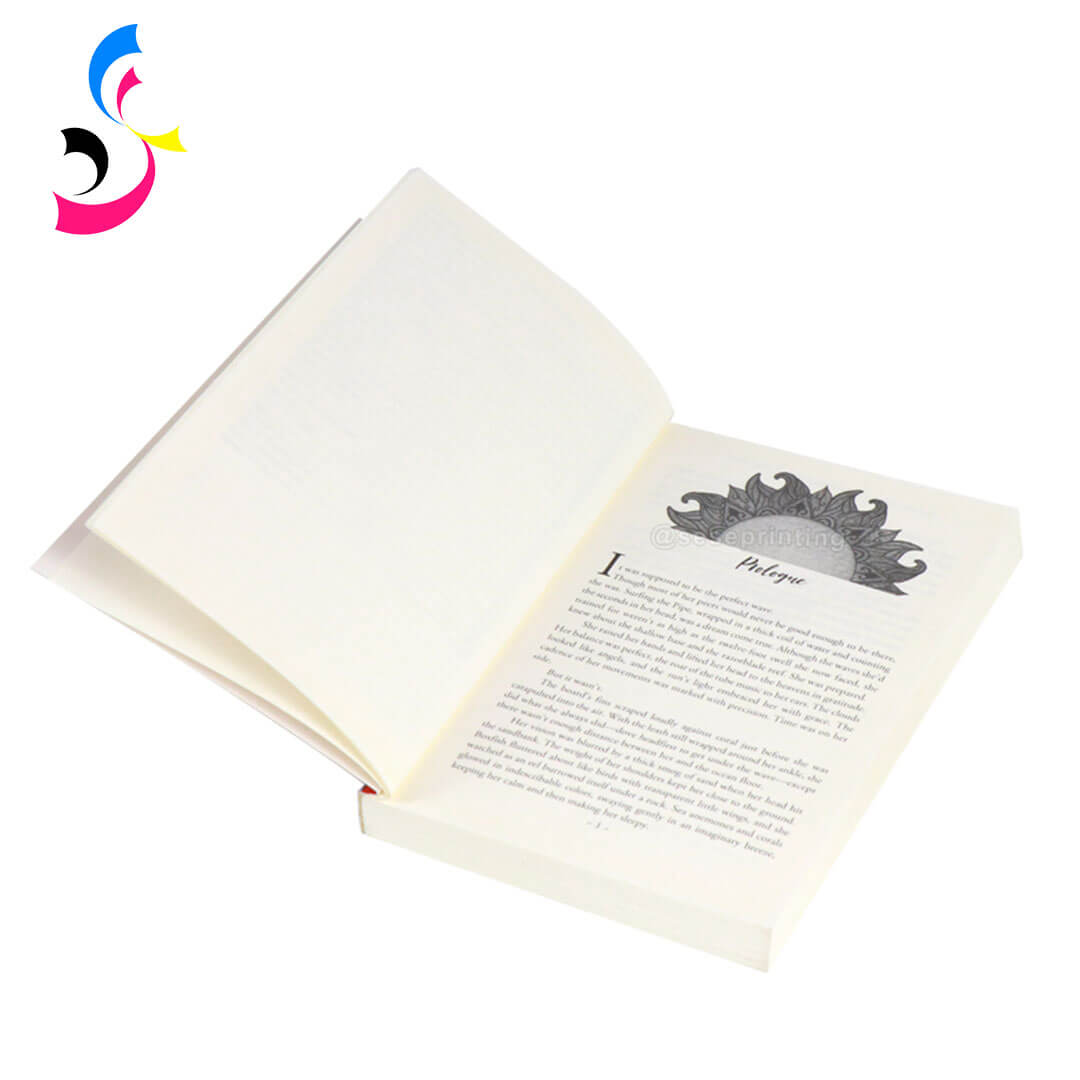
Black and White Printing
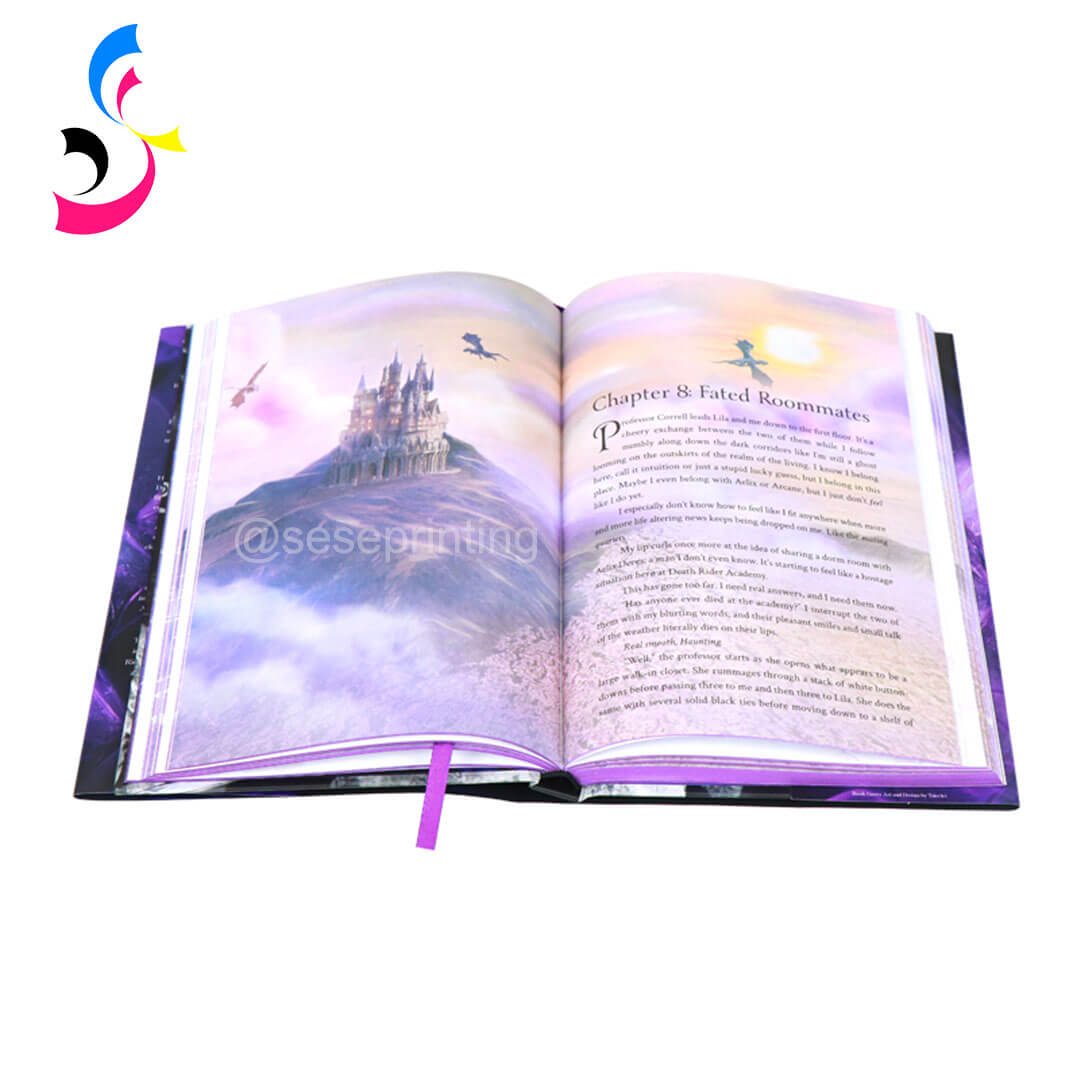
Full Color Printing
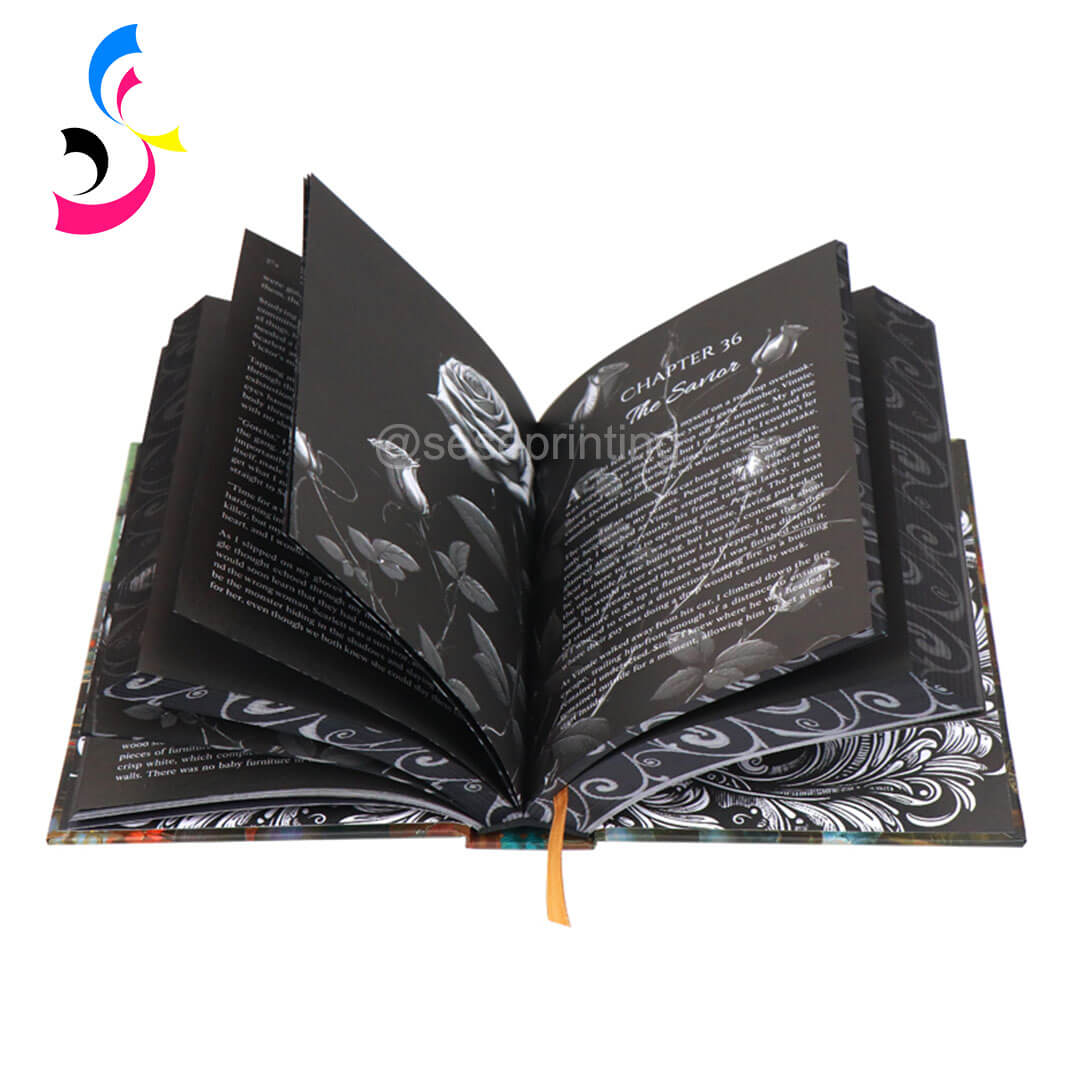
Black Pages with White Ink
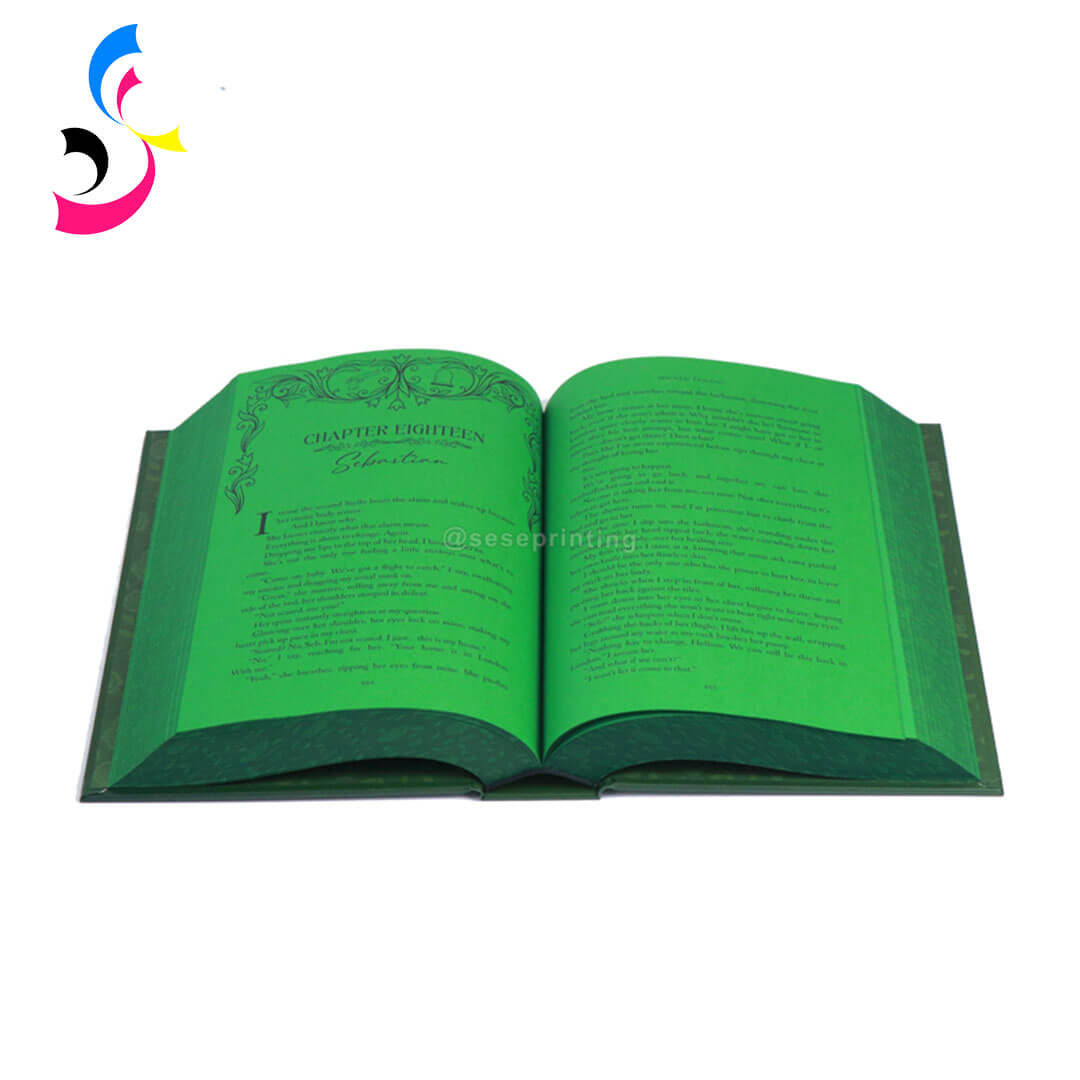
Colored Interior Pages
- Different paper stocks
- Black-and-white or full-color printing
- Custom endpapers
- Colored interior pages
- Special section pages
Additional Features
For premium hardcover and special-edition projects, additional features can include:
- Dust jackets
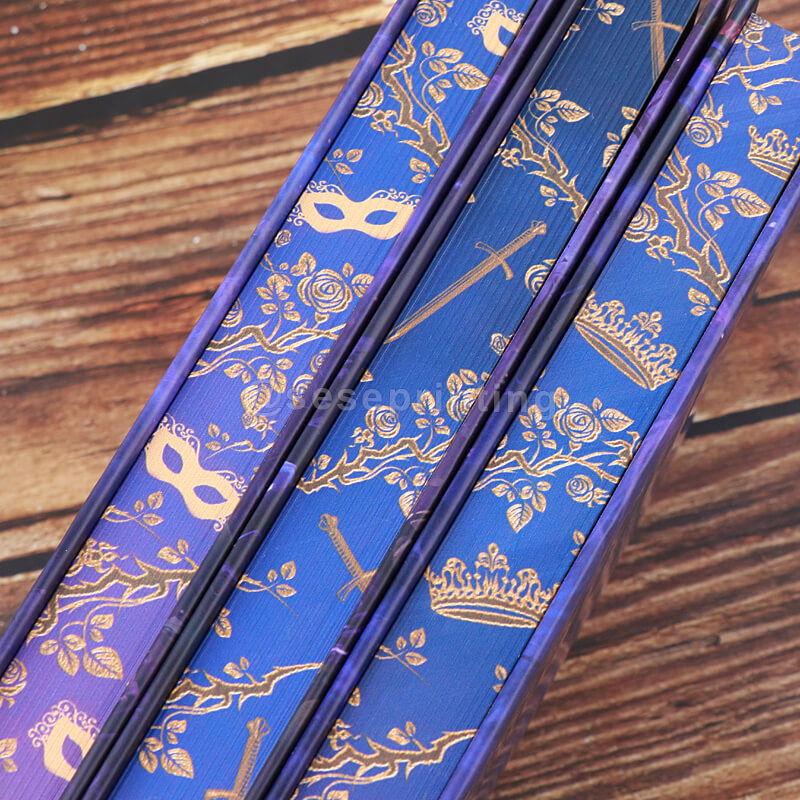
- Sprayed edges
- Ribbon bookmarks
- Headbands and tailbands
- Slipcases
- Custom book boxes
The key is not simply adding as many effects as possible. A successful custom book uses materials and finishes that support the book's genre, audience, positioning, and visual identity.
6. How Printing Quantity and Budget Affect Your Choice
Budget is an important factor when choosing between hardcover and paperback, but it should not be considered in isolation.
The final printing cost can be influenced by:
- Book format
- Trim size
- Page count
- Paper type and weight
- Printing method
- Binding method
- Cover materials
- Finishing techniques
- Printing quantity
- Packaging requirements
Hardcover generally requires more materials and additional production steps, so it is often more expensive than paperback. However, the additional investment can make sense for a premium product or limited-edition release.
Paperback can be a more economical choice when producing books for wider distribution or larger quantities.
Printing quantity can also affect the economics of a project. Instead of selecting a format based solely on the lowest unit cost, consider the overall value of the finished product and its intended market position.
For custom projects, requesting a detailed quotation based on the actual specifications is the best way to compare the two formats accurately.
7. How to Make a Paperback Look More Premium
A paperback doesn’t have to feel cheap. Here are proven upgrades:
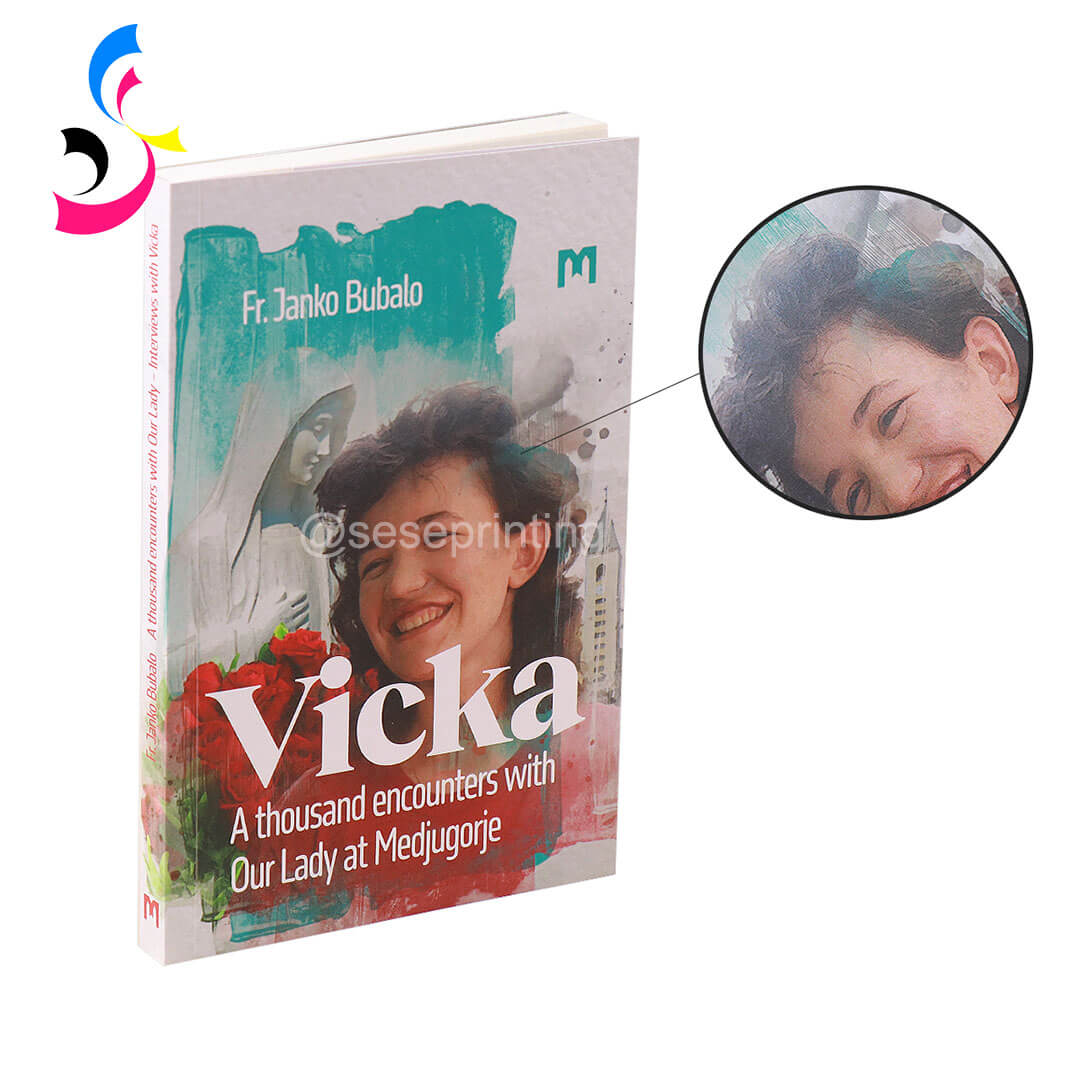
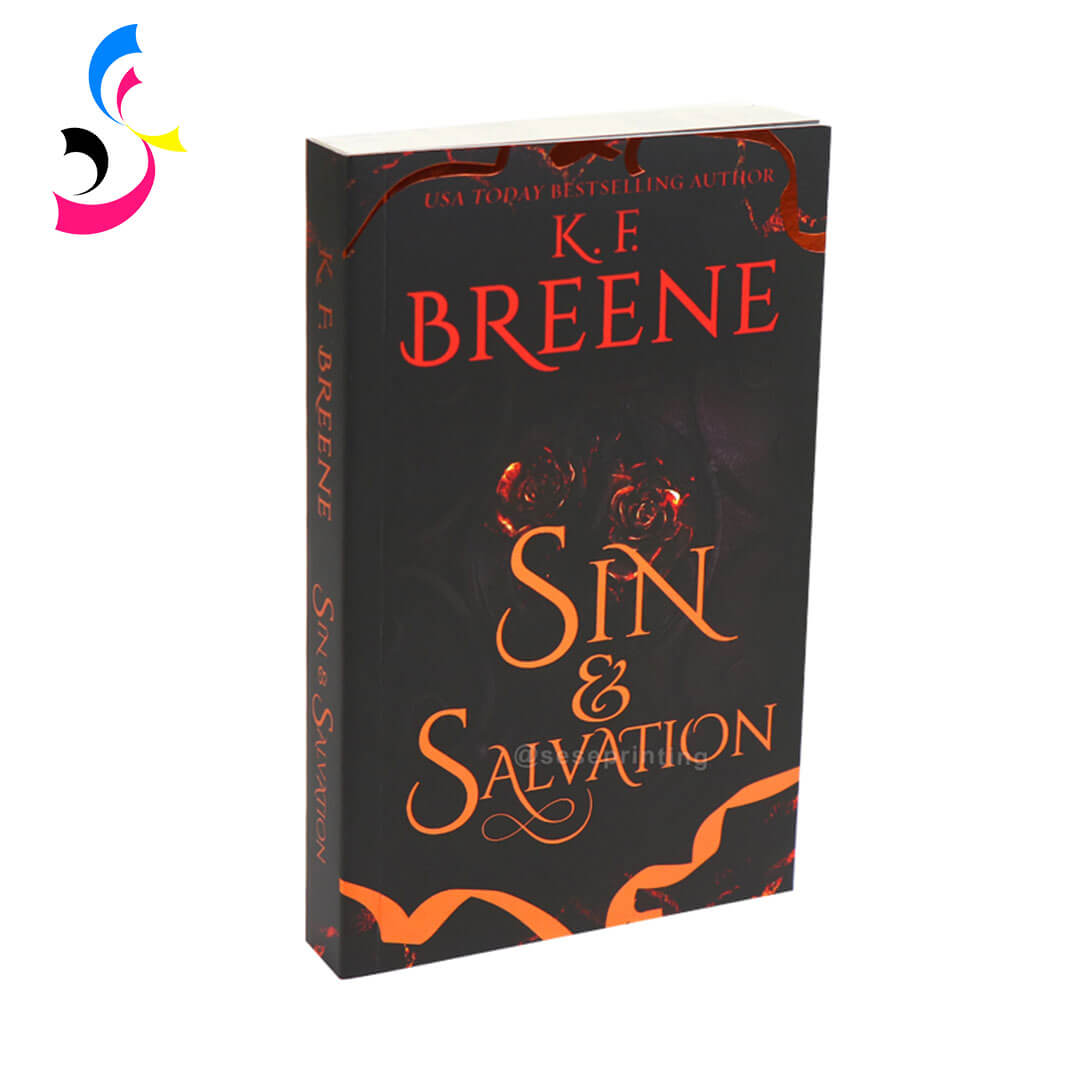
Soft-touch Lamination
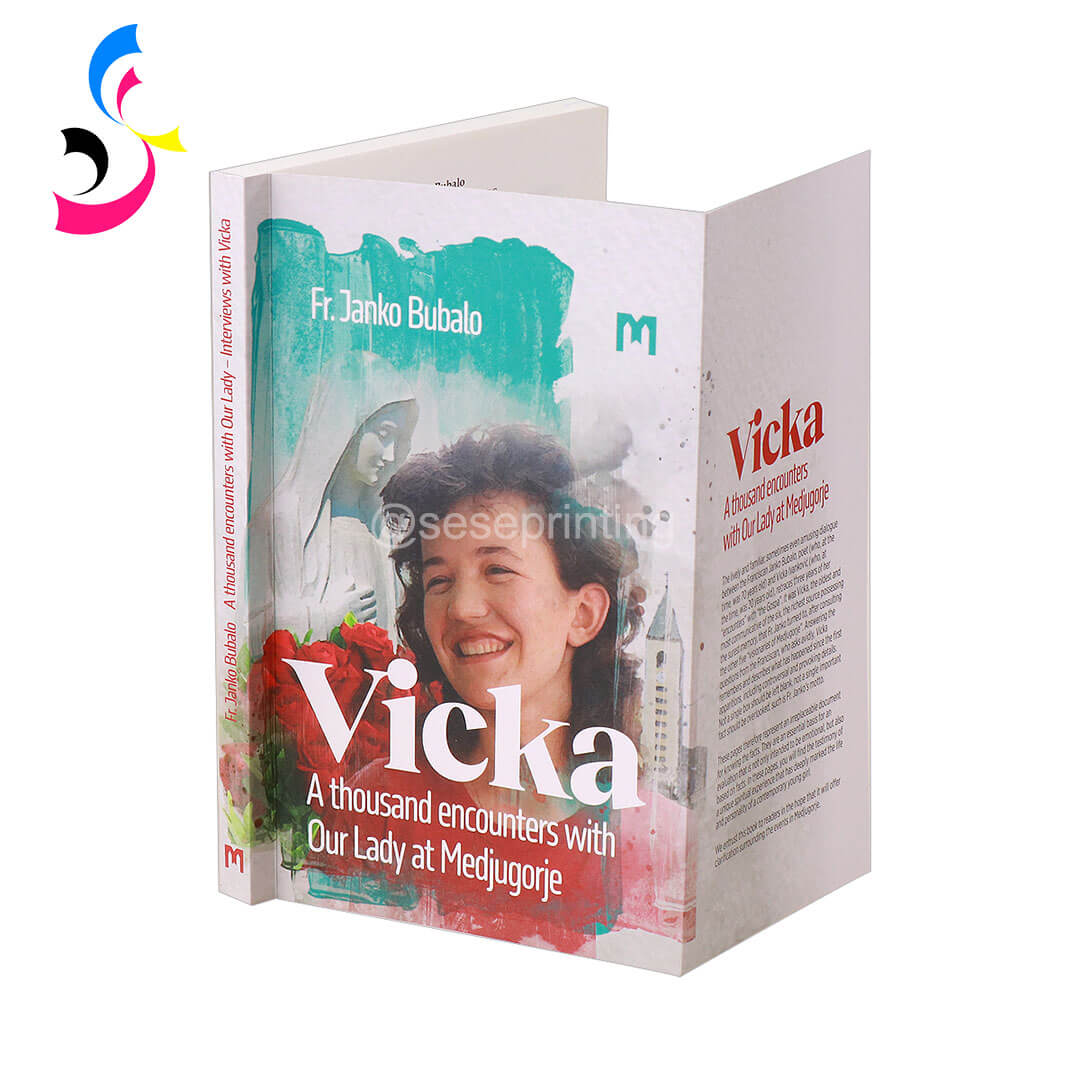
Foil Stamping
French Flaps
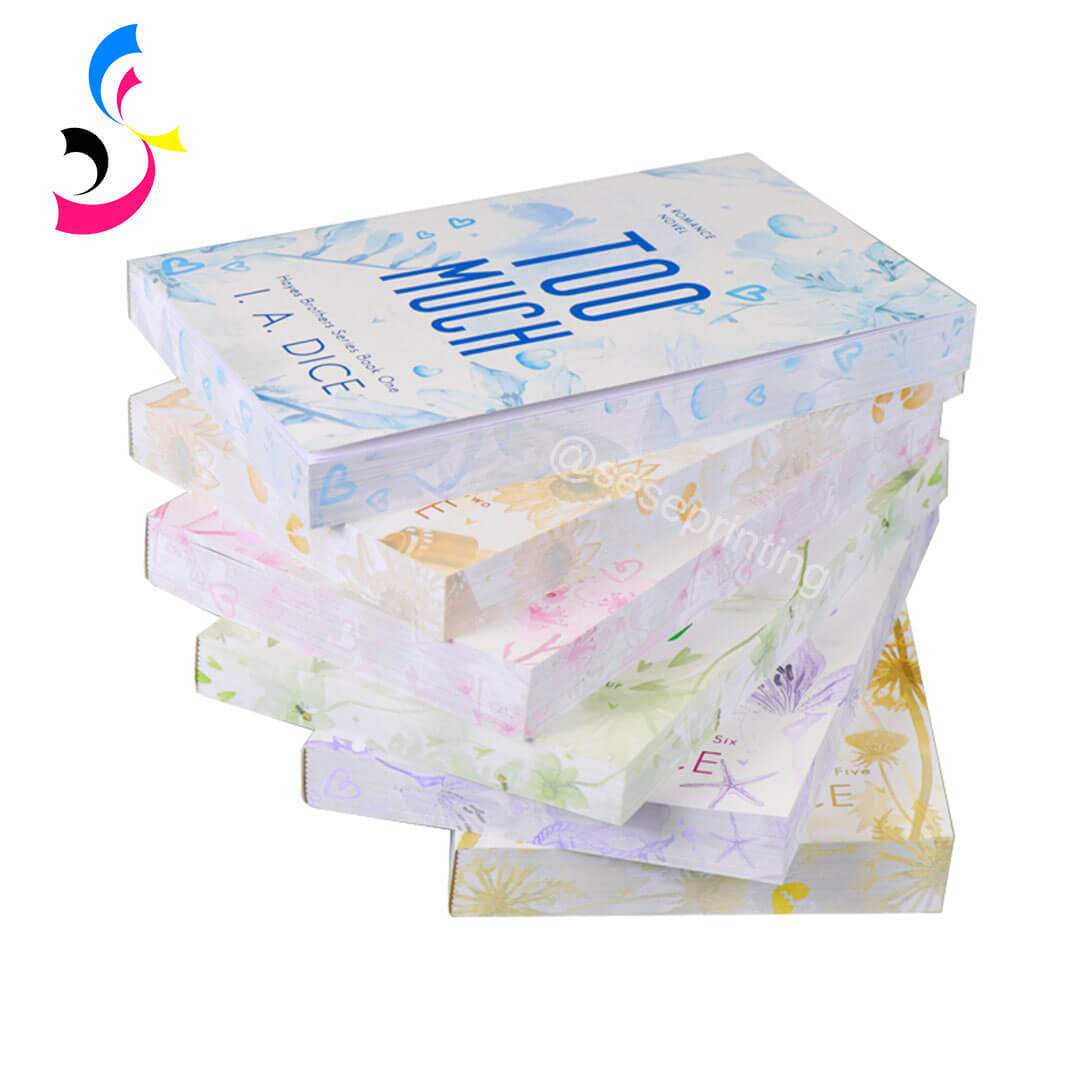
Sprayed Edges
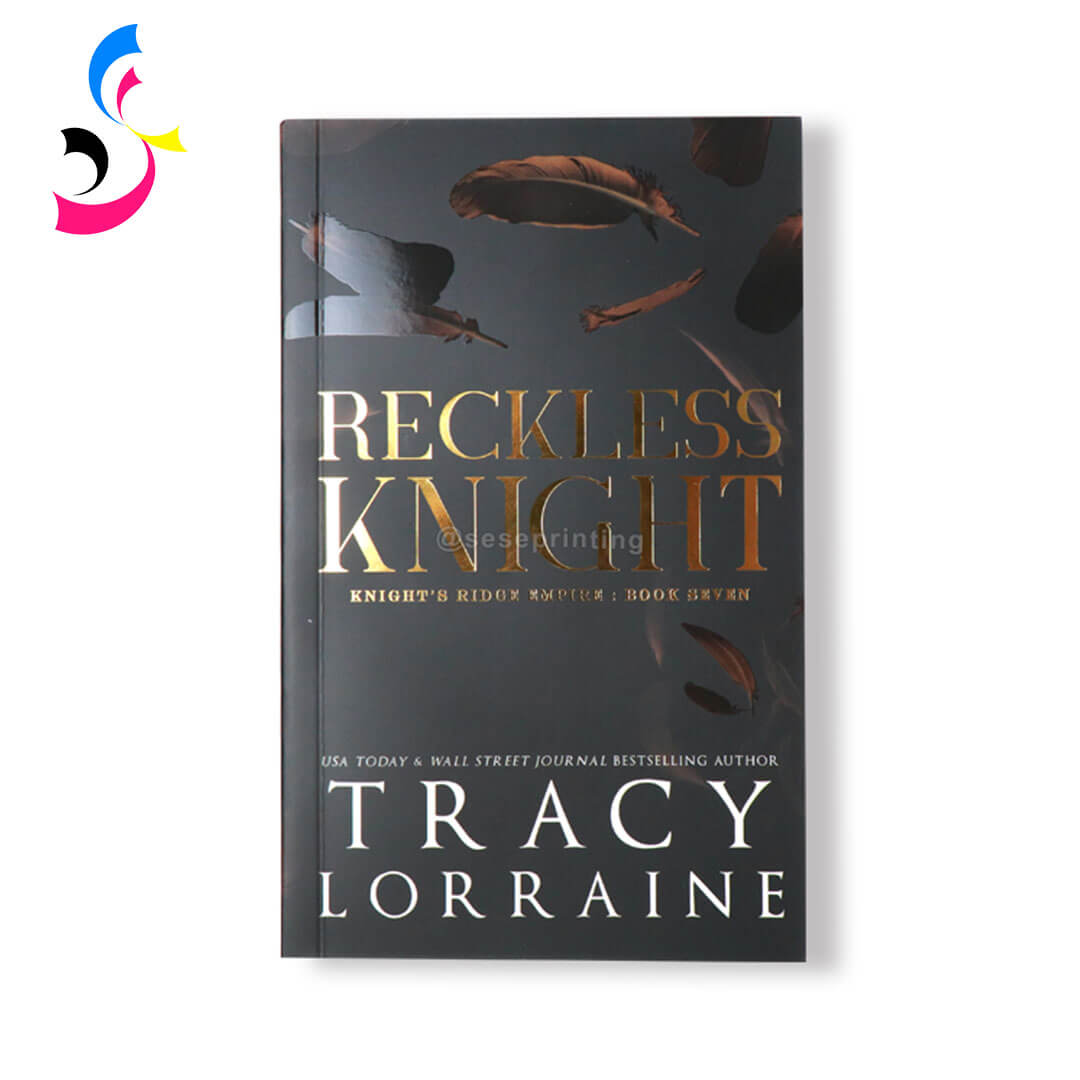
Spot UV
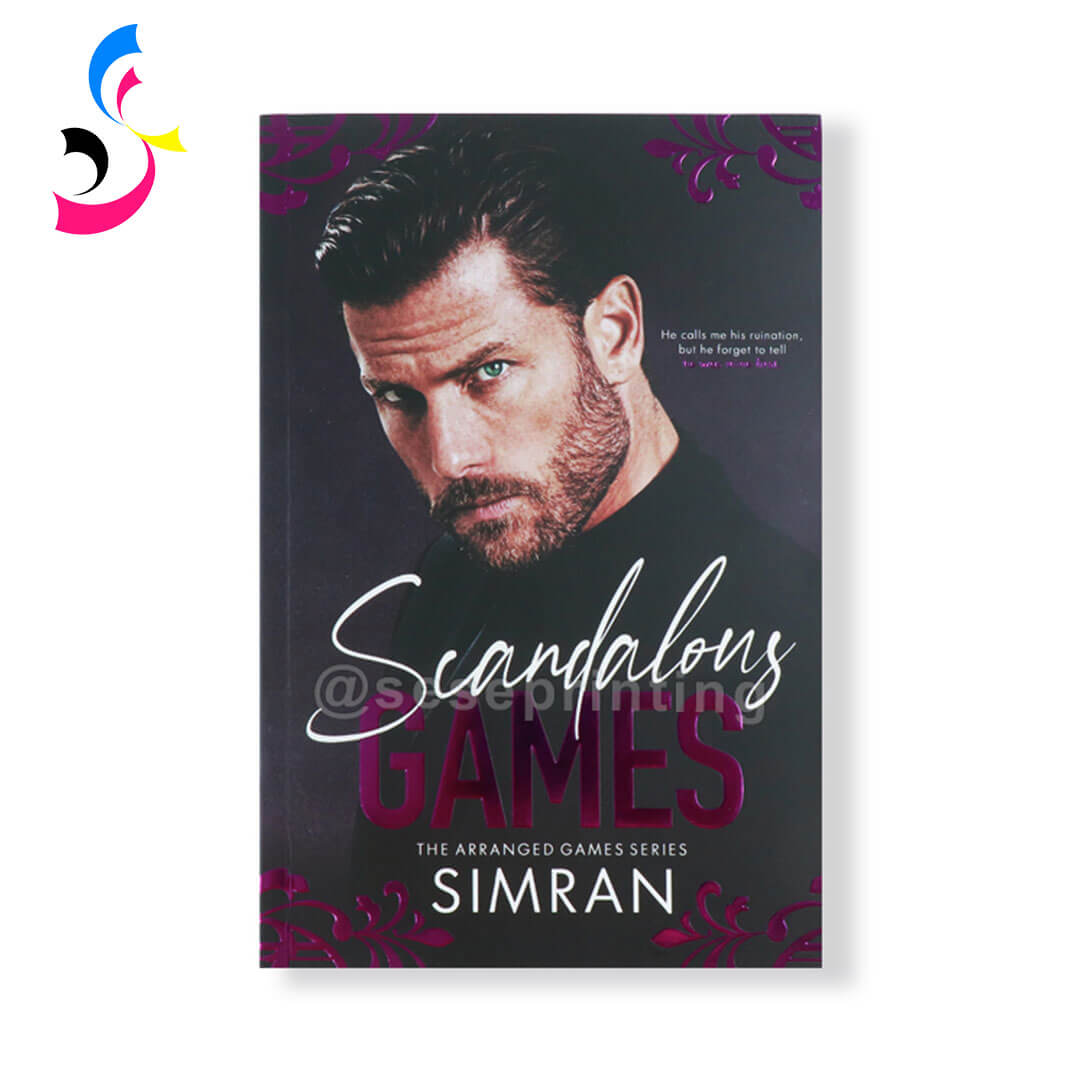
Embossing
Upgrade the Cover Stock: Standard paperbacks use 200–250gsm covers. Premium paperbacks use 300–350gsm art board that resists curling and feels substantial.
Choose Soft-Touch Lamination: This velvet-like finish adds a luxurious tactile experience and resists fingerprints.
Add Foil Stamping: A gold or silver foil title on a matte background creates striking contrast and signals quality.
Include French Flaps: Extended flaps wrap inside the book, adding rigidity and extra space for author bios, maps, or series information.
Consider Sprayed or Printed Edges: Decorative edge designs transform a standard paperback into a visual statement—a feature increasingly popular in limited editions.
Use Premium Interior Paper: Cream or ivory wood-free paper (80–100gsm) feels more sophisticated than standard white and is easier on the eyes.
Add Spot UV Highlights: Glossy accents on titles or design elements draw the eye and add dimension.
Apply Embossing: Embossing raises specific design elements—such as the title, author name, or a key graphic—above the cover surface, creating a three-dimensional tactile effect. When combined with foil stamping, the raised metallic text becomes both visually striking and physically engaging.
8. How to Make a Hardcover More Collectible
Hardcovers already feel premium. Here’s how to push them into collector territory:
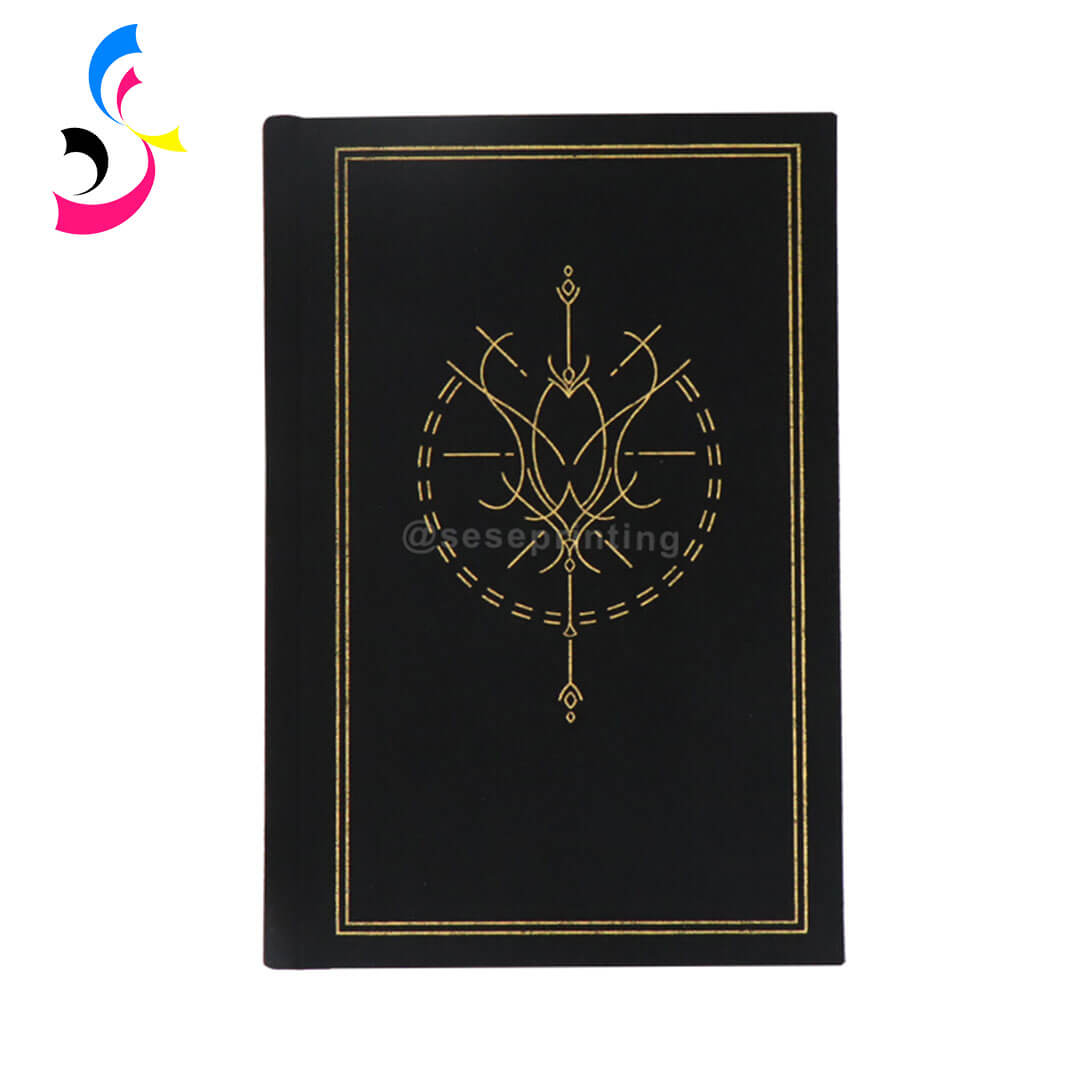
Cloth Cover
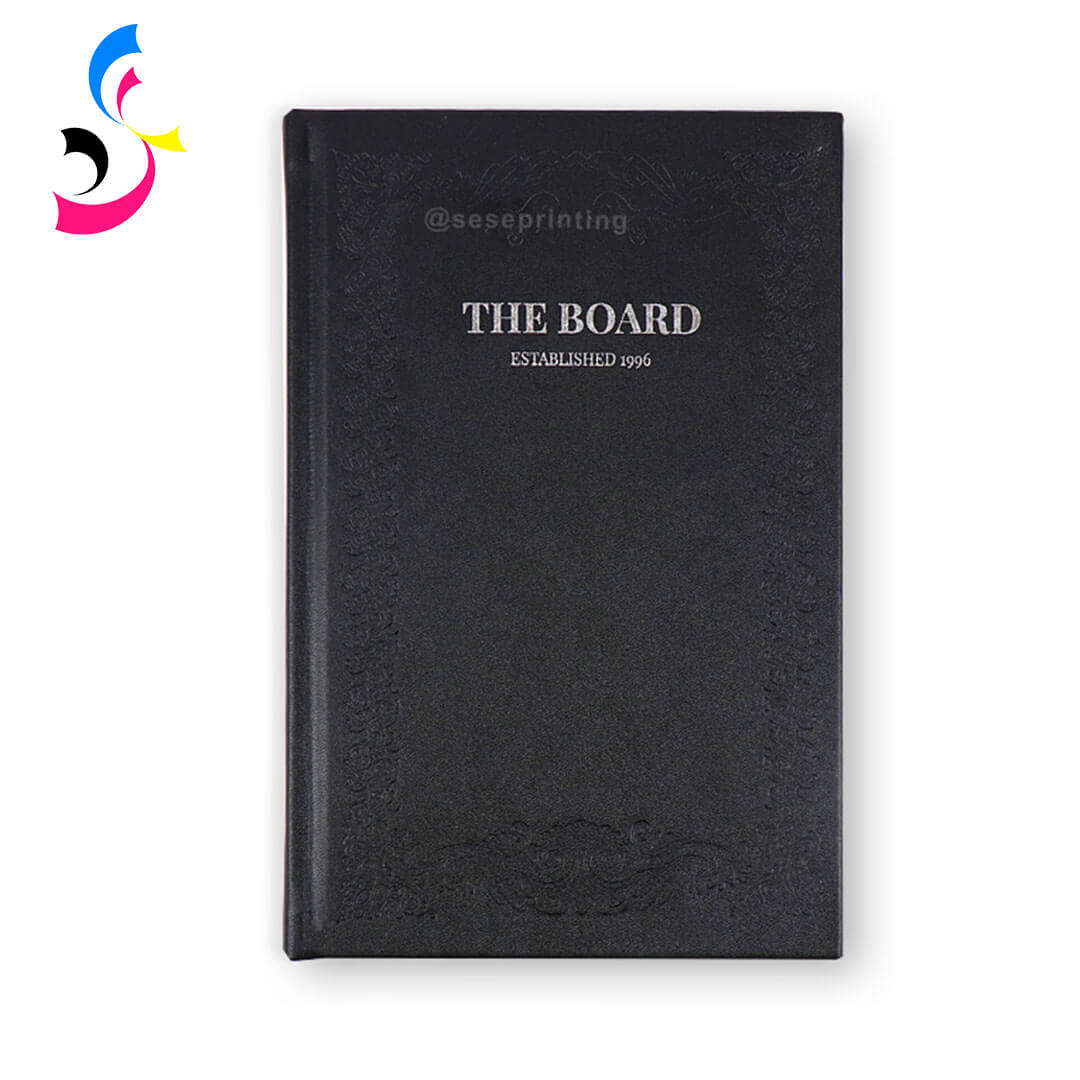
Leatherette Cover
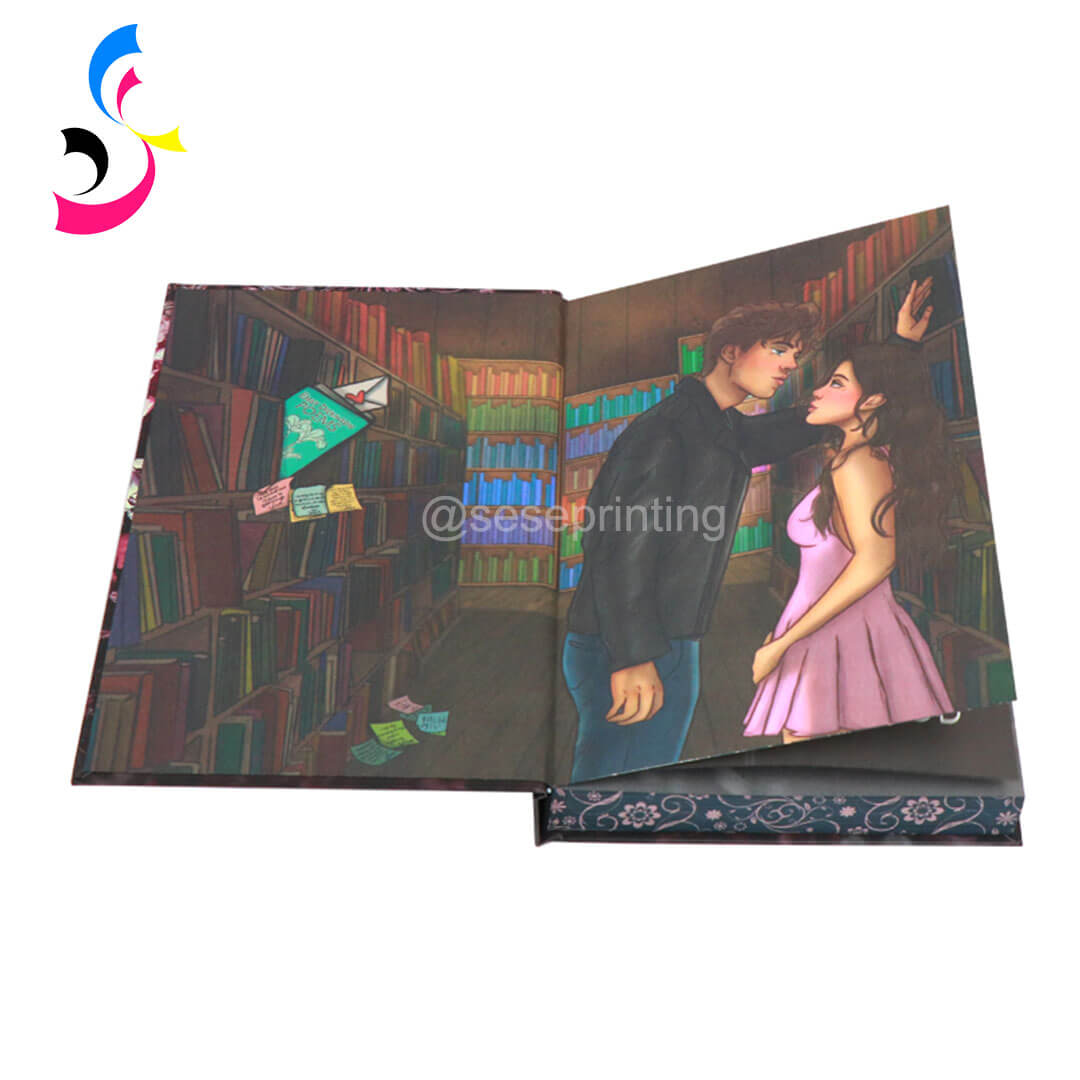
Illustrated Endpapers
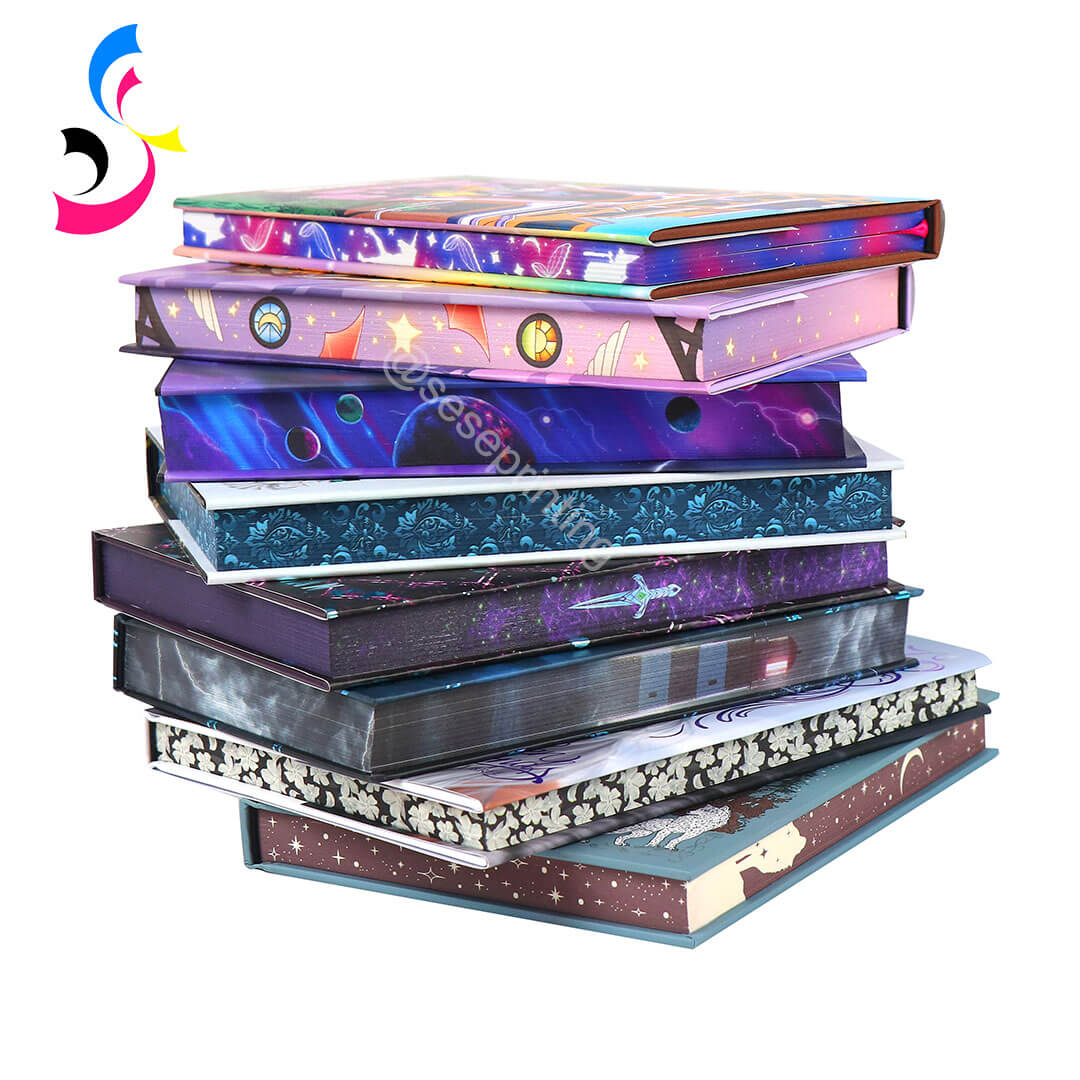
Sprayed Edges
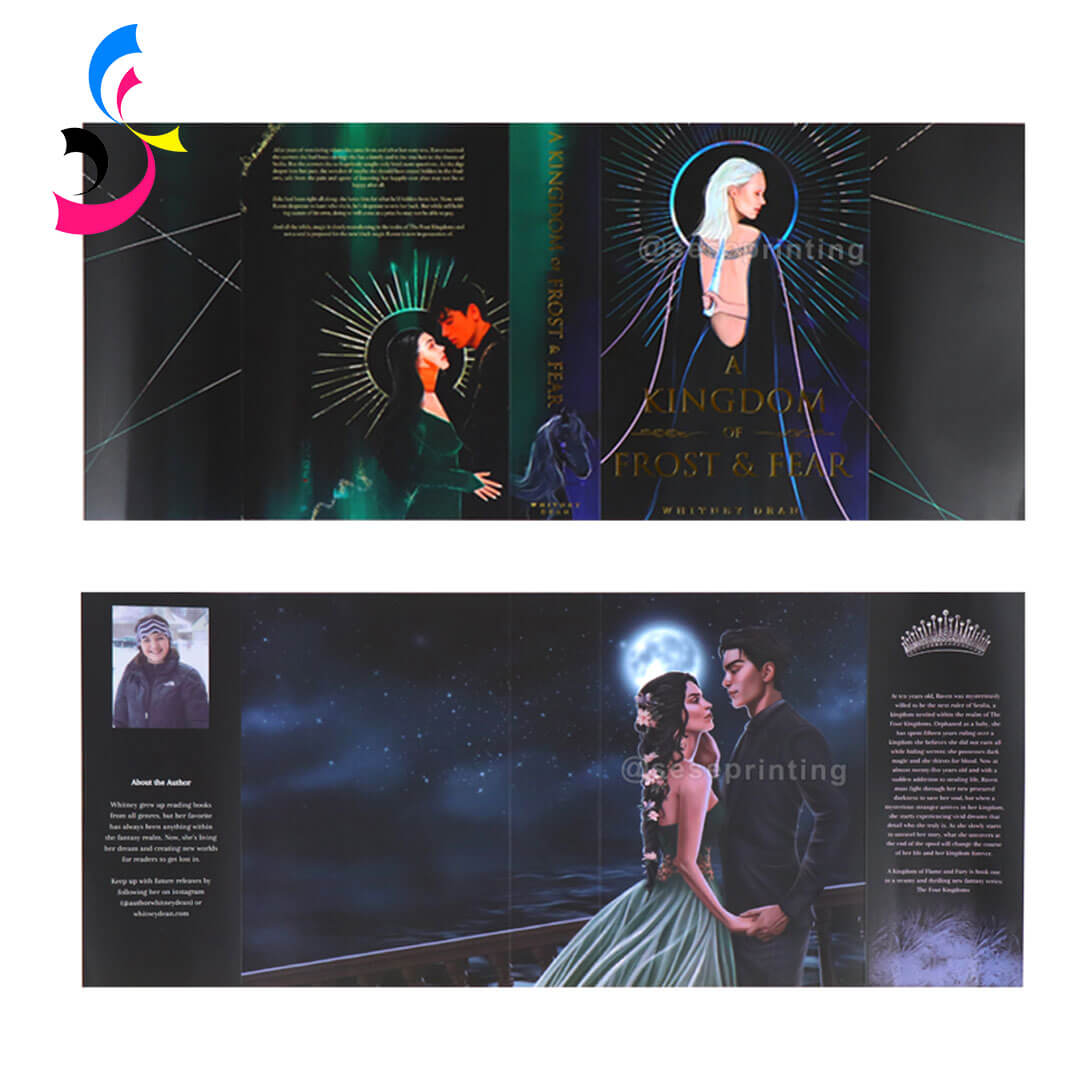
Dust Jacket with Foil
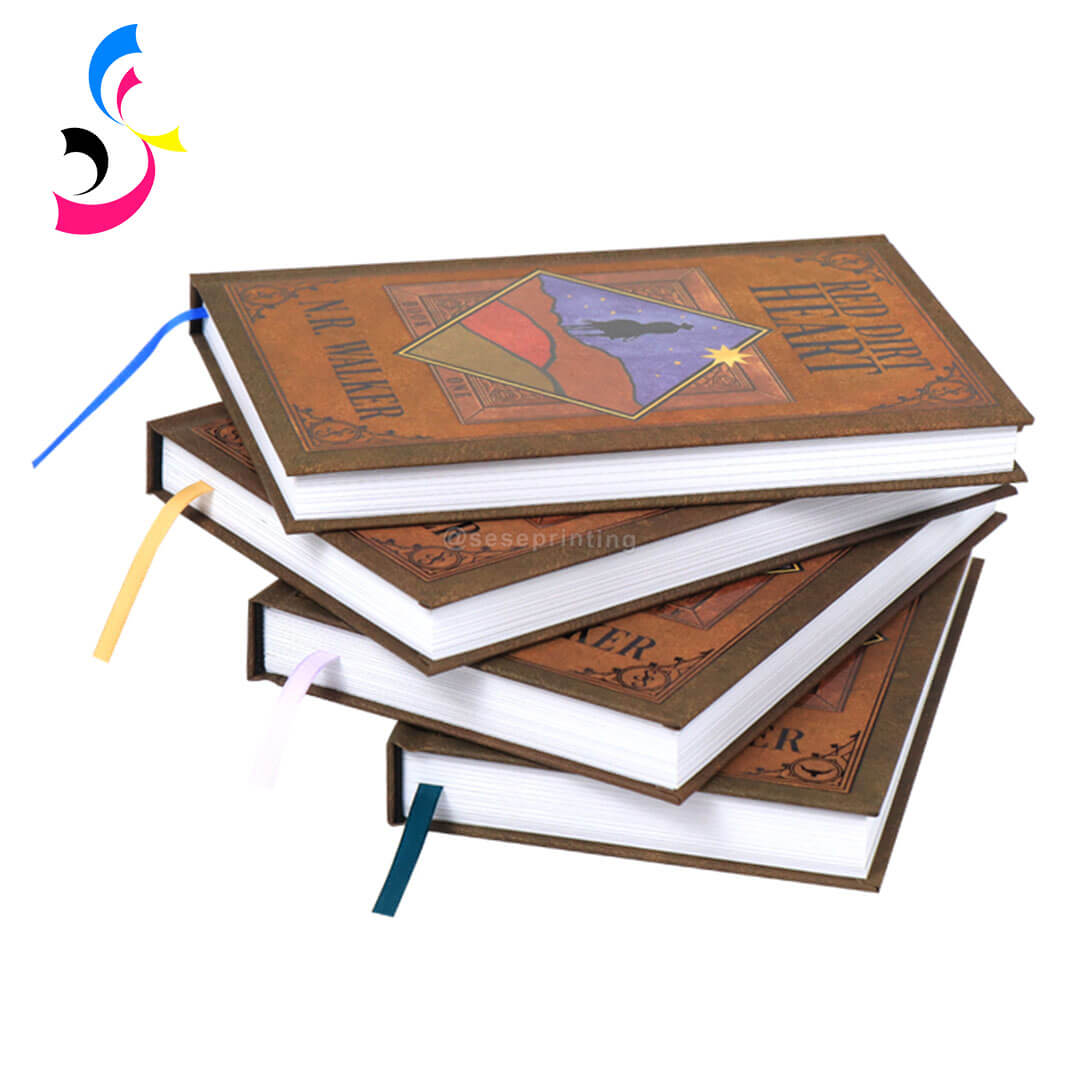
Headbands and Ribbon Markers
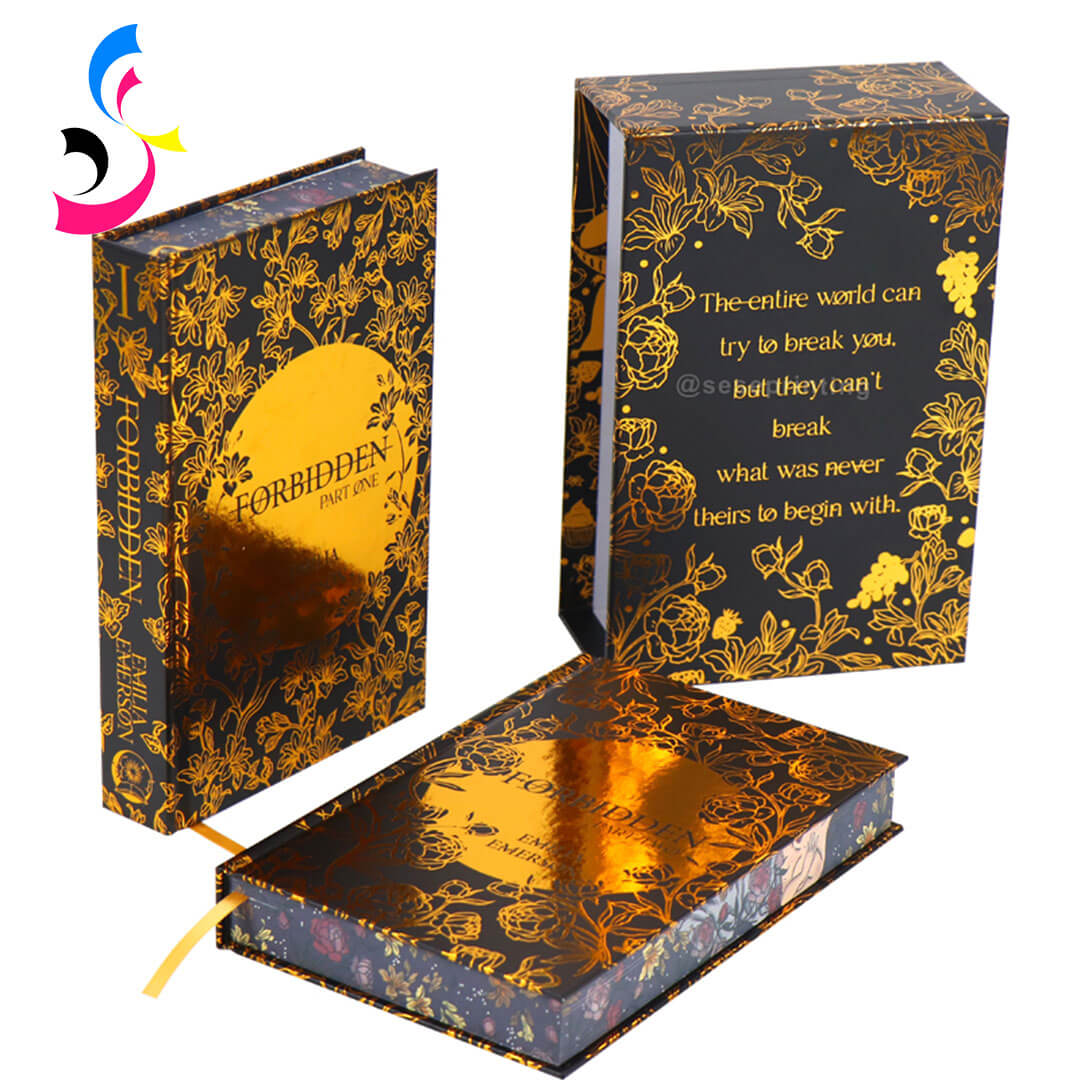
Slipcase
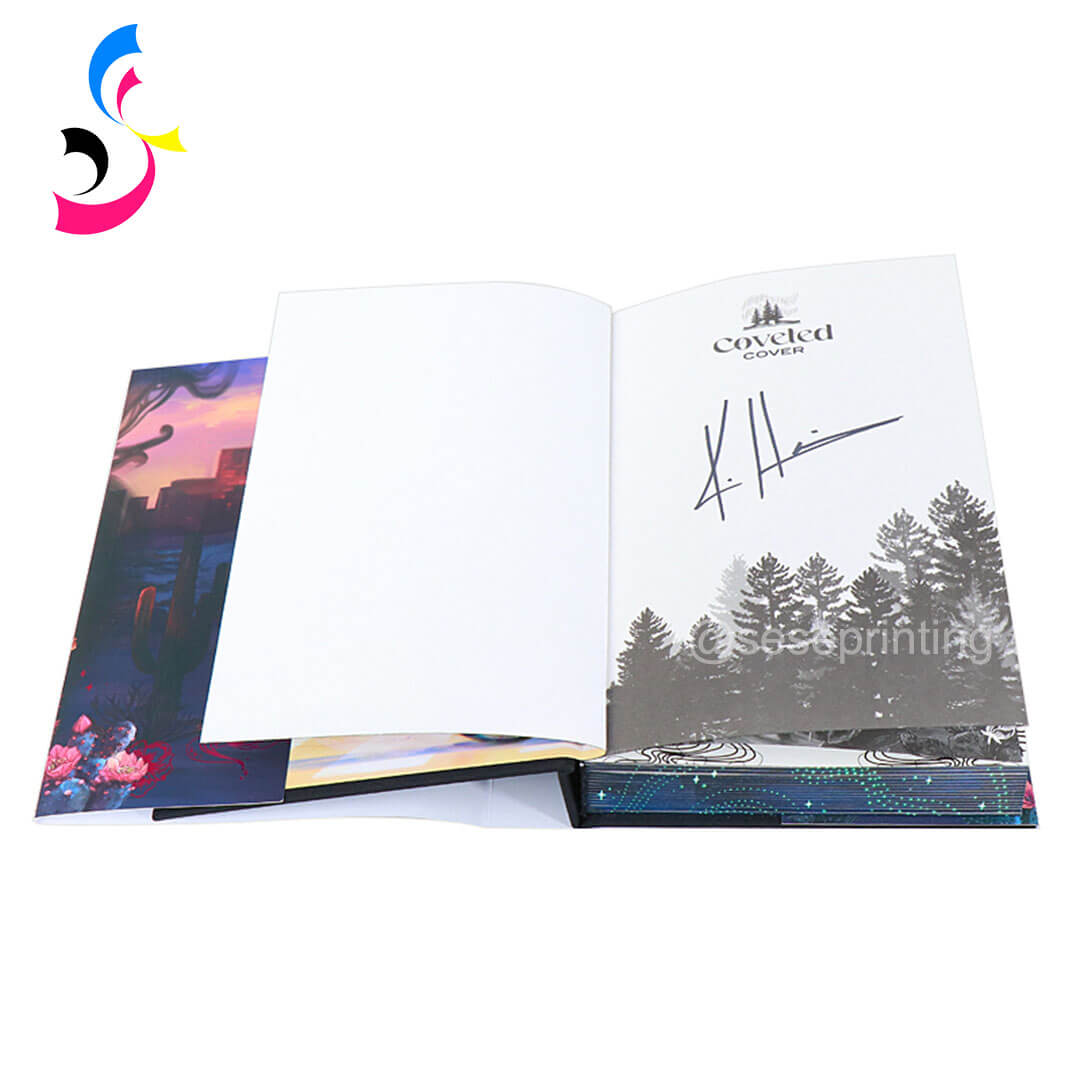
Signed Tip-in Page
Smyth-Sewn Binding: Pages lie flat and the spine doesn’t crack—essential for books that will be read and reread.
Cloth or Leatherette Cover: Move beyond printed paper. Cloth wraps with foil-stamped titles evoke classic heritage editions.
Illustrated Endpapers: Custom artwork on the inside covers—maps, character art, or thematic patterns—immerses readers from the moment they open the book.
Sprayed Edges: Patterns, Metallic, gradient, or hidden designs on the book’s cut edges create exclusivity.
Dust Jacket with Spot UV and Foil: A well-designed dust jacket protects and sells the book. Add foil stamping or spot UV for extra polish.
Headbands and Ribbon Markers: These small details signal craftsmanship and care.
Slipcase: A rigid box that houses the book adds a museum-quality feel—perfect for limited editions, anniversary releases, or gift sets.
Signed and Numbered Edition: Limit the print run and hand-number each copy. Add a signed tip-in page or bookplate. Collectors pay premium prices for scarcity.
9. Hardcover vs Paperback for Different Book Genres
Different genres and applications can benefit from different book formats.
Fantasy and Romance
- Hardcover is a popular choice for special editions because these genres often benefit from decorative finishing.
- Potential combination: Foil + Embossing + Sprayed Edges + Custom Endpapers
- Paperback can also work well for standard editions and wider distribution.
Children's Books
- Hardcover is often suitable for children's picture books where durability and repeated handling are important.
- Full-color printing, durable paper, and carefully selected binding specifications can help create an attractive and functional children's book.
Educational Books
Paperback can be a practical choice for educational publications, workbooks, and instructional materials where lightweight construction and production efficiency are important.
Journals and Planners
Hardcover can give journals and planners a more substantial, premium feel. Foil stamping, debossing, cloth materials, and ribbon bookmarks can further enhance the product.
Art and Photography Books
Hardcover is often suitable for premium visual publications where high-quality full-color printing, premium paper, and presentation are priorities.
Collector and Special Editions
Hardcover is particularly well suited to collector-focused projects.
Features such as sprayed edges, foil stamping, custom endpapers, dust jackets, slipcases, and custom book boxes can be combined to create a complete special-edition experience.
10. How to Choose a Custom Book Printing Partner
Choosing the right printing partner is just as important as choosing between hardcover and paperback.
A capable custom book printer should be able to help you evaluate the relationship between format, materials, printing, binding, finishing, quantity, and packaging.
When comparing potential suppliers, consider:
Printing and Binding Capabilities: Check whether the printer has experience with the specific format and binding style required for your project, including hardcover, paperback, and special-edition production.
Finishing Capabilities: If your project requires foil, embossing, debossing, spot UV, sprayed edges, custom endpapers, or dust jackets, make sure the printer can provide the required finishing processes.
Material Selection: Paper, board, cover materials, and finishing materials can significantly affect the final appearance and feel of a book. A professional printer should be able to provide suitable material options based on your specifications.
Production Experience: Complex books require careful coordination between printing, binding, finishing, and quality control. Experience with customized book projects can help reduce production issues.
One-Stop Production: Working with a printing partner that can coordinate material selection, printing, binding, finishing, and packaging can simplify the production process and improve consistency.
Why Choose SESE Printing?
SESE Printing specializes in custom book printing for publishers, authors, brands, and content creators. The company provides customized hardcover and paperback printing solutions, with options for premium finishes and special-edition production.
From hardcover books and paperback books to special editions with foil, embossing, custom endpapers, sprayed edges, dust jackets, and custom packaging, SESE Printing can support projects that require more than standard book production.
The focus is on matching the book format, materials, printing specifications, finishing, and packaging to the project's intended result.
For projects where the physical book is part of the product experience, choosing the right printing partner can make a significant difference in the final quality and consistency.
Conclusion: Hardcover or Paperback?
So, which book format is better?
There is no universal answer.
Hardcover is a strong choice for premium, durable, giftable, and collectible books. It provides an excellent foundation for special finishes and luxury presentation.
Paperback is ideal when flexibility, lightweight construction, cost efficiency, and wider distribution are important. With the right materials and finishing techniques, it can also achieve a highly premium appearance.
Ultimately, the best format depends on your book's purpose, audience, budget, quantity, and desired level of customization. Consider multiple editions. A paperback for accessibility, a hardcover for collectibility, and a custom special edition for superfans.
Whether you choose a premium hardcover or a sophisticated paperback, custom printing gives you the flexibility to create a book that is not only functional but also visually distinctive and memorable.
 Book Box Packaging Ideas for Special Edition Books
 You May Also Like


 Tel
Tel
 Email
Email
 Address
702 No. 21 Huizhong Road, Shiqiao St, Panyu District. Guangzhou city, Guangdong Province. China

Joy
 Whatsapp