



 Home
HomeHow to Get a Quote for Your Custom Book Printing Project?
 Mar 26,2026

 SESE
SESE
How to Get a Quote for Your Custom Book Printing Project?
Creating your own custom book, whether for a special edition, limited print run, or personal project, is an exciting way to bring your creative vision to life. However, obtaining an accurate quote is crucial to ensuring you stay within your budget while meeting your expectations for the final product. Custom book printing offers a high-quality, personalized solution, but pricing can vary significantly based on several factors. Understanding these variables is essential for getting an accurate quote and making informed decisions when selecting a printing partner like SESE Printing. With the right information, you can secure the best value for your investment without compromising on quality.
1. Understand the Factors that Affect Book Printing Costs
The cost of printing a custom book can vary widely depending on several key factors. By understanding these elements, you can ensure that your quote accurately reflects the unique features of your project and avoid any unexpected costs.
-
Book Specifications: The size of your book, the number of pages, and the type of paper used are all crucial factors in determining the cost. Larger books or those with more pages require more materials and time to produce, which increases the price. The choice of paper, whether it’s standard or premium, will also impact the overall cost.
-
Binding Type: Different binding methods come with varying costs. For example, hardcover books (case binding) are more expensive to produce than softcover books (perfect binding). Other specialty bindings, such as spiral or saddle stitching, can also affect the price.
-
Quantity: The number of books you want to print plays a significant role in cost. Generally, printing larger quantities lowers the price per unit due to economies of scale. Conversely, smaller print runs will cost more per book as the setup costs are spread over fewer units.
-
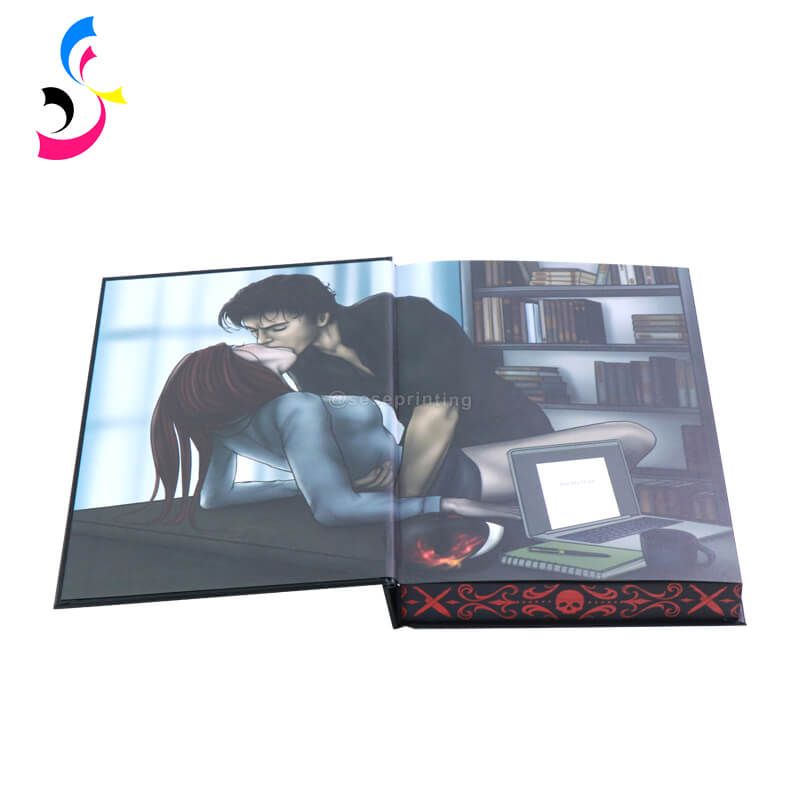
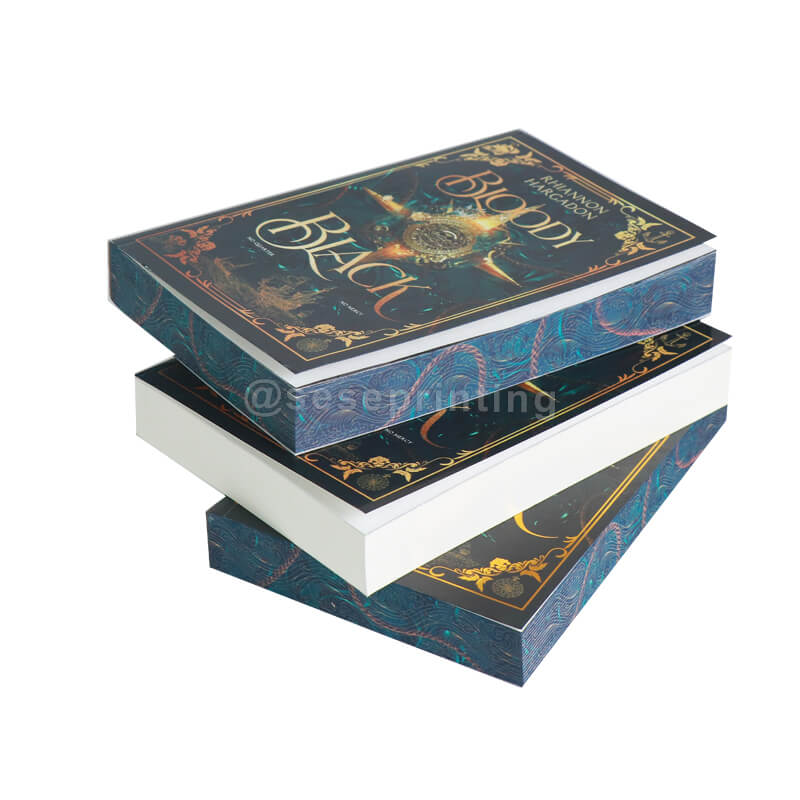
Custom Features: Special features like foil stamping, embossing, holographic foiling, custom endpapers, sprayed edges, and full-color illustrations add a layer of complexity to the printing process. These features require specialized equipment, skilled labor, and more time, which results in higher costs.
-
Artwork and Design: If you’re including custom artwork or illustrations, the quality and complexity of the designs will affect the quote. High-resolution graphics, intricate details, or multiple color designs may require additional setup or adjustments, which can increase production costs.
2. Choose Your Custom Features
One of the most exciting aspects of custom book printing is the ability to personalize your project with unique and eye-catching features. These custom elements not only enhance the aesthetic appeal of your book but can also elevate the overall quality and craftsmanship. However, it’s important to note that the more custom features you choose, the higher the cost may be. Here are some popular options to consider:
Cover Customization:
|
|
|
|
|
|
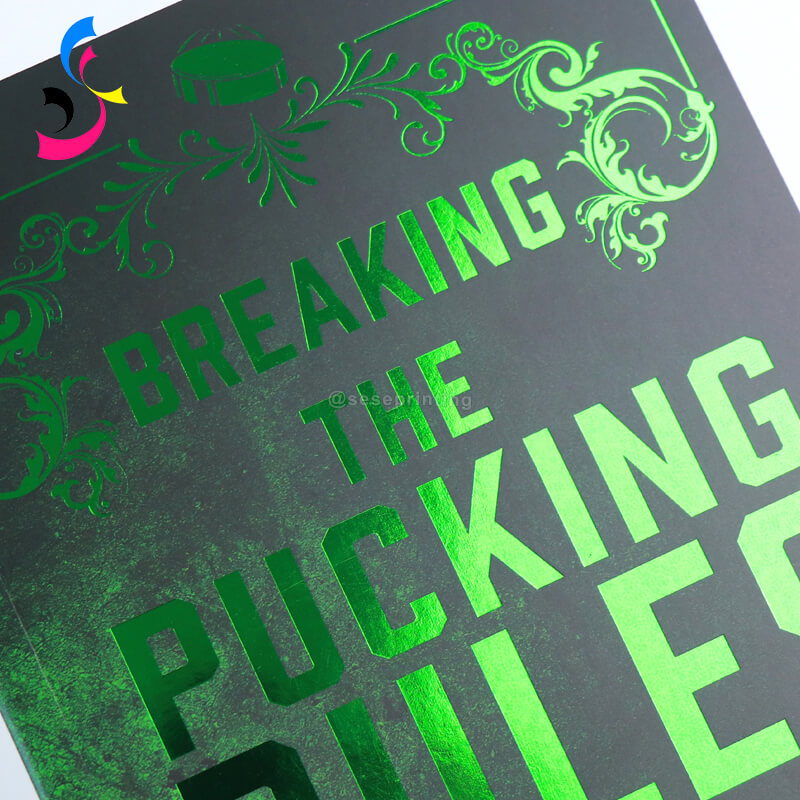
Foil Stamping |
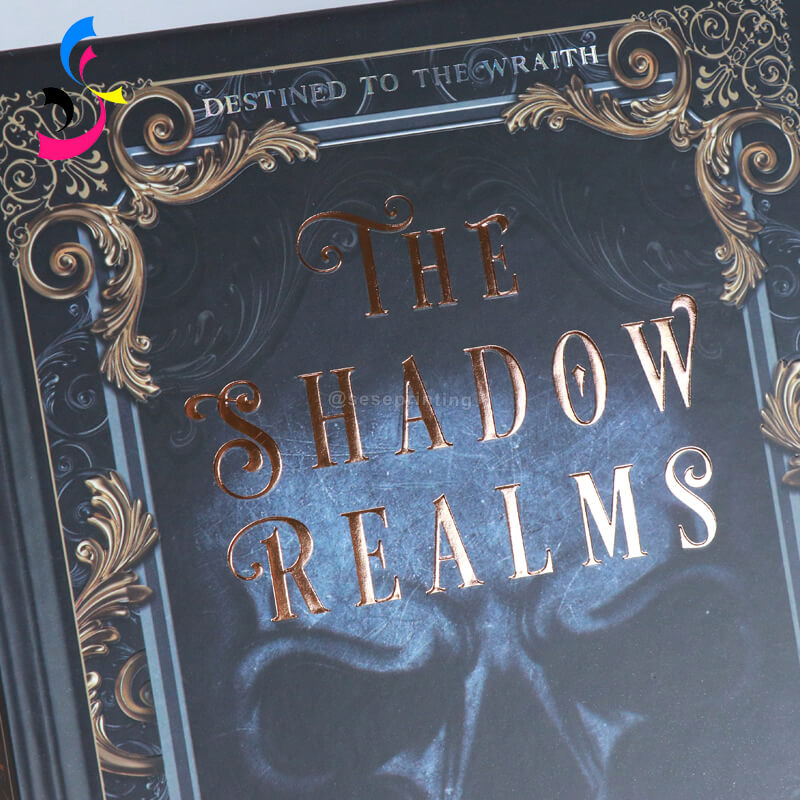
Embossing |
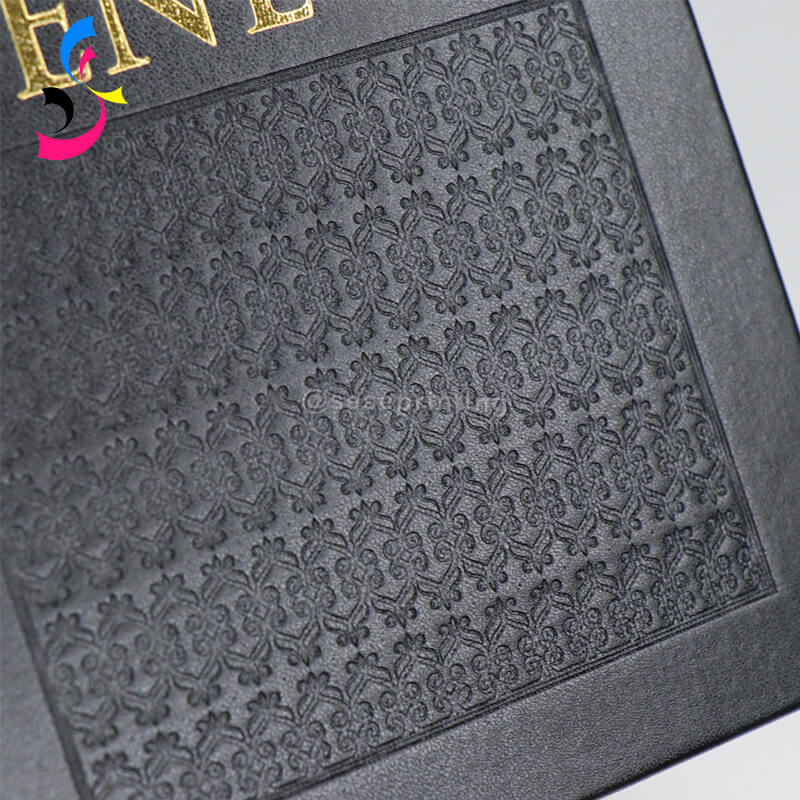
Debossing |
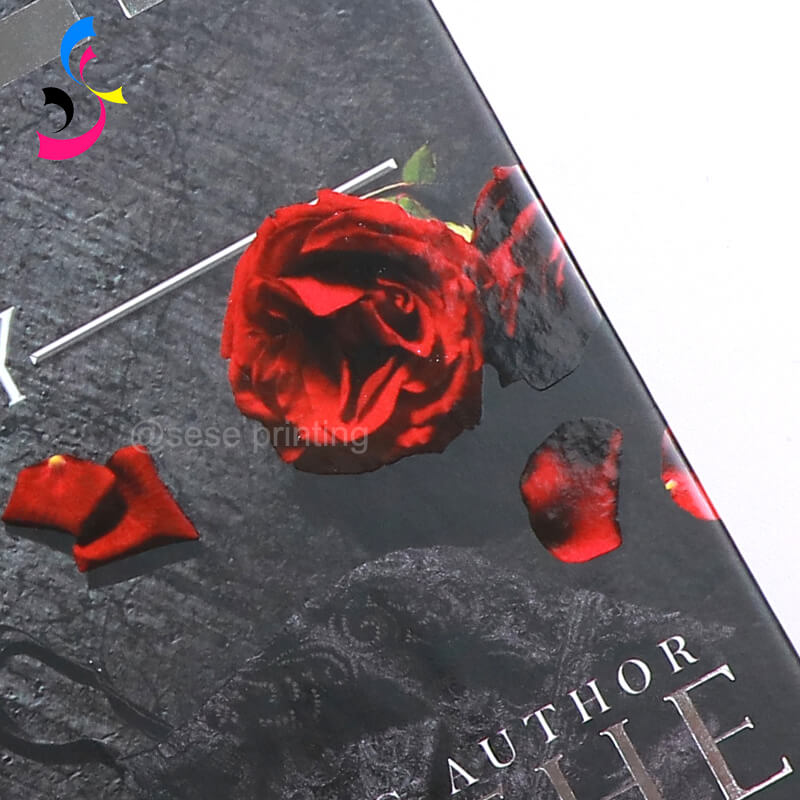
Spot UV Coating |
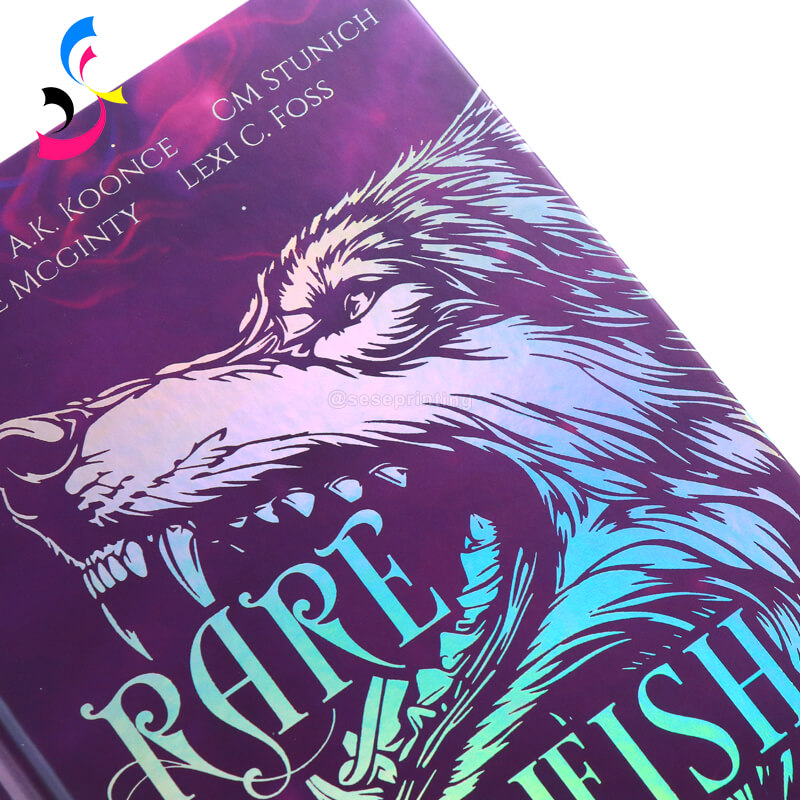
Holographic Foiling |
-
Foil Stamping: Adding metallic foil in gold, silver, or other colors to your book cover provides a luxurious, polished finish. It’s often used for titles, logos, or intricate designs.
-
Embossing & Debossing: This technique creates a raised or recessed design on the cover, giving your book a tactile, high-end feel. It's particularly popular for luxury or collector’s editions.
-
Spot UV Coating: Spot UV adds a glossy, contrasting finish to specific areas of the cover, like a title or logo, creating a sleek, eye-catching effect.
-
Holographic Foiling: This special effect adds a futuristic touch by using iridescent foil, often seen in high-end or limited-edition books.
Binding Styles:
|
|
|
|
Case Binding |
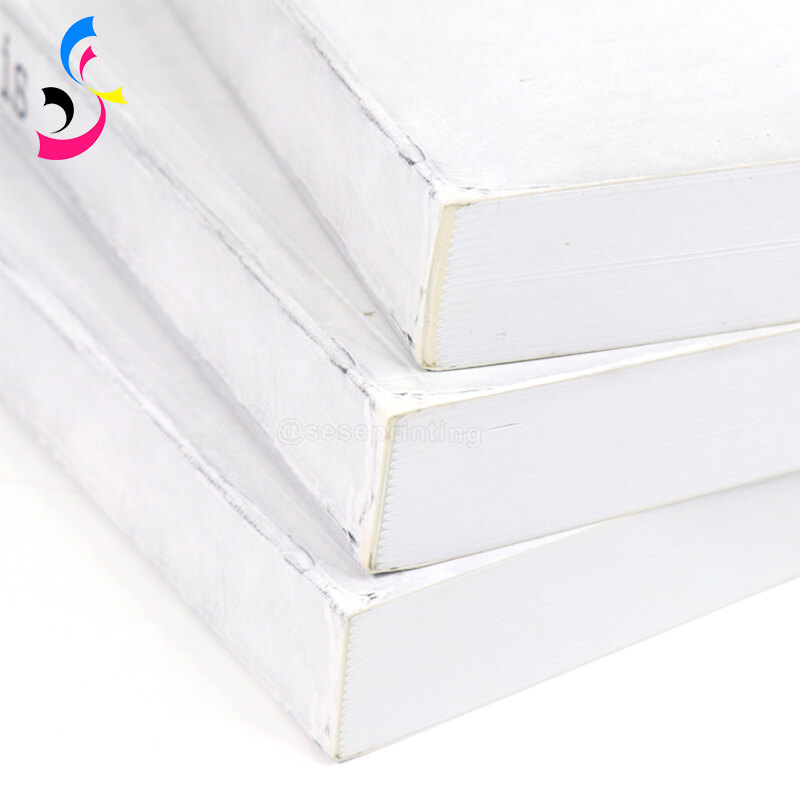
Perfect Binding |
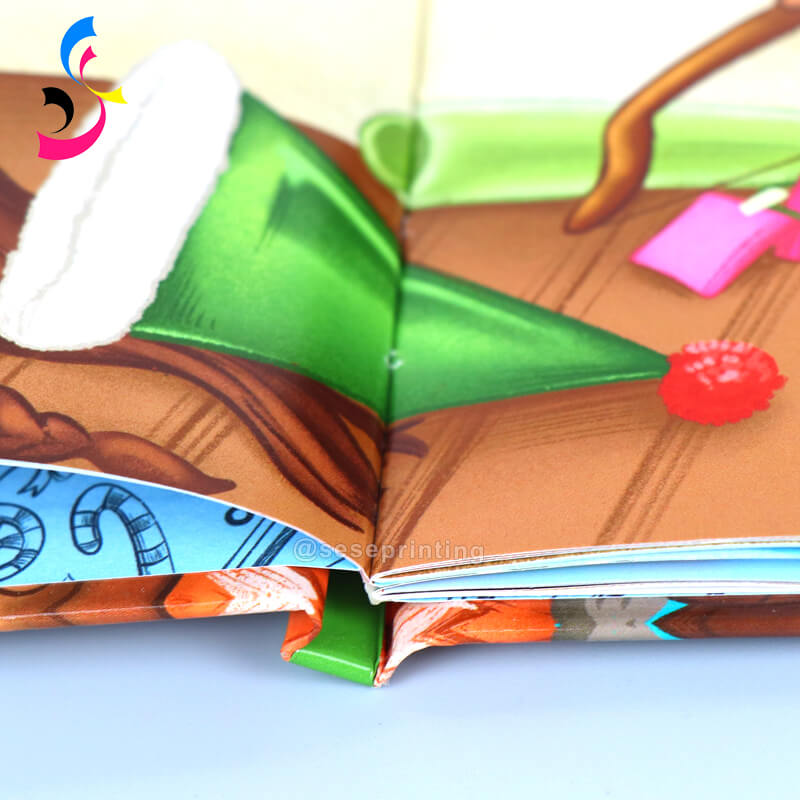
Lay-flat Binding |

-
Hardcover (Case Binding): Offers a premium, sturdy feel and is ideal for high-quality, long-lasting books. Hardcovers are perfect for special edition books or collector’s items.
-
Softcover (Perfect Binding): More affordable and lightweight, this option is great for books like novels, guides, or textbooks. However, it may not offer the same premium look as hardcover.
-
Lay-flat Binding: If you’re creating a photo book, cookbook, or any project with large images, lay-flat binding ensures that your book opens fully without the spine hindering the content.
Custom Edges:
|
|
|
|
|
|
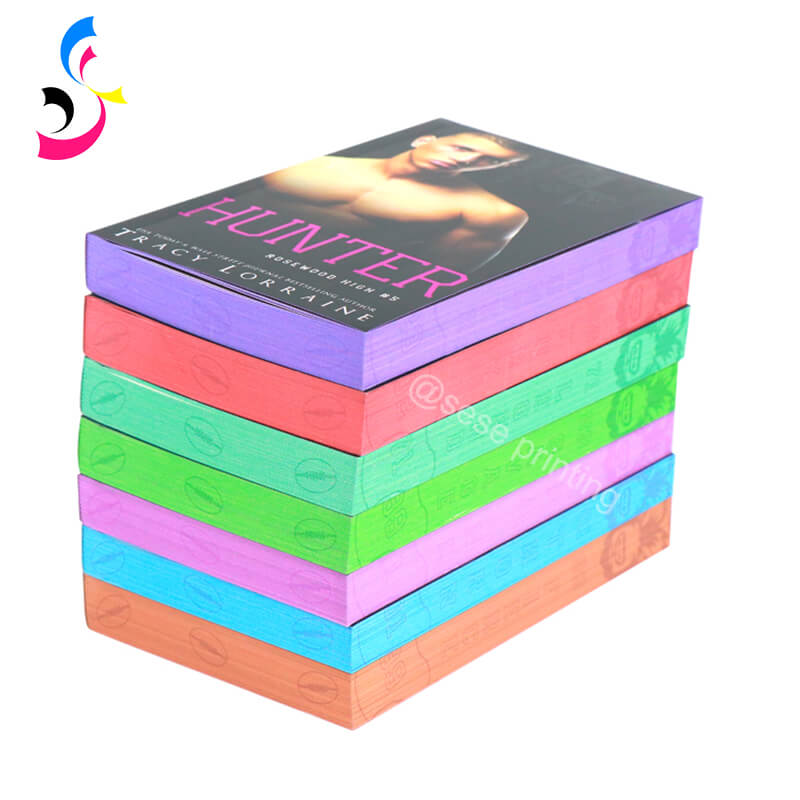
Solid Color Edges |
Metallic Sprayed Edges |
Gradient Sprayed Edges |
Patterned Edges |
Hidden Sprayed Edges |

-
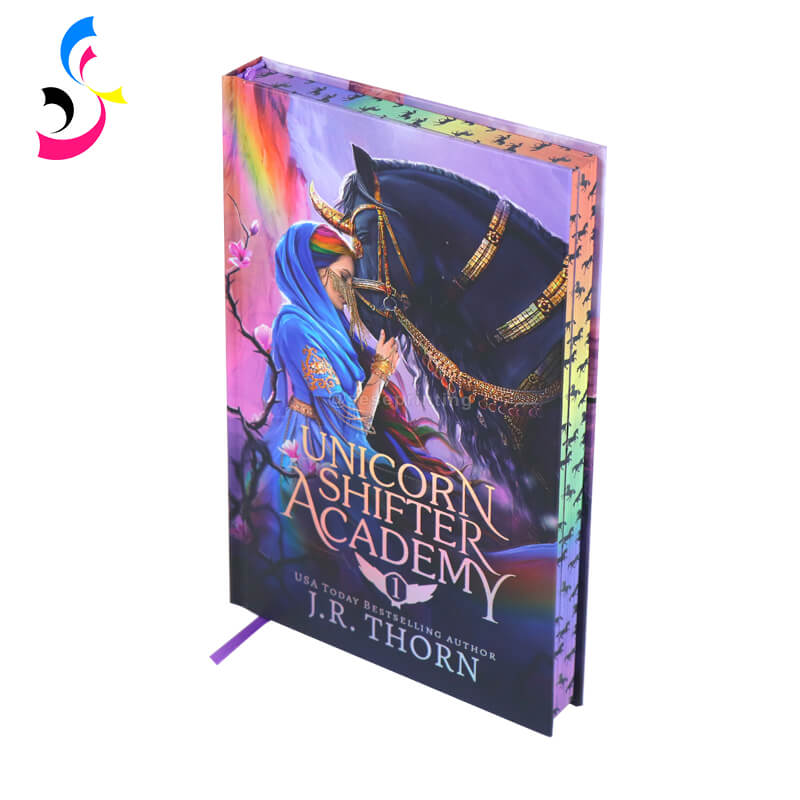
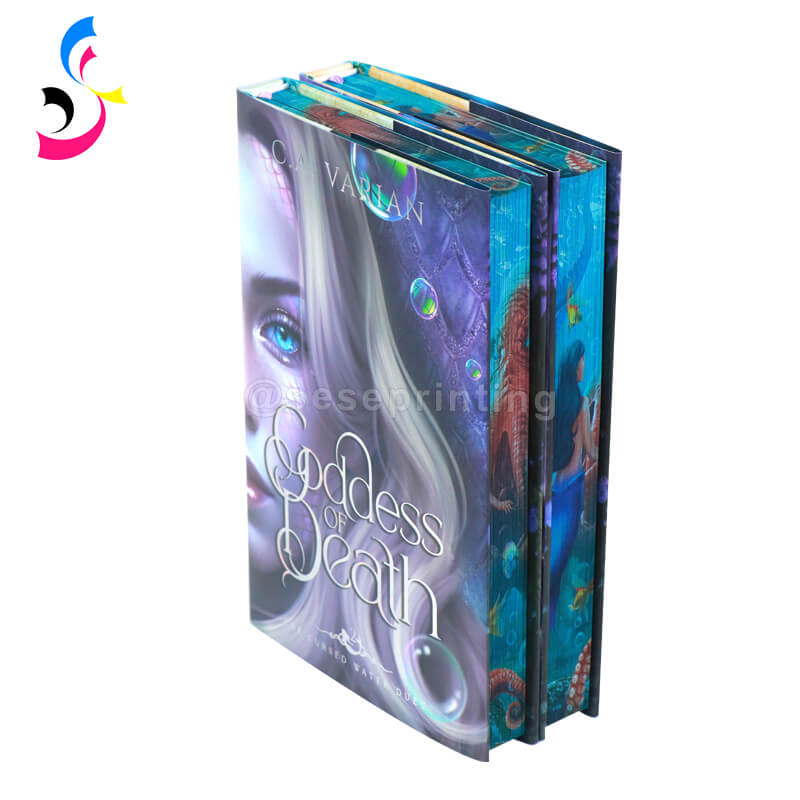
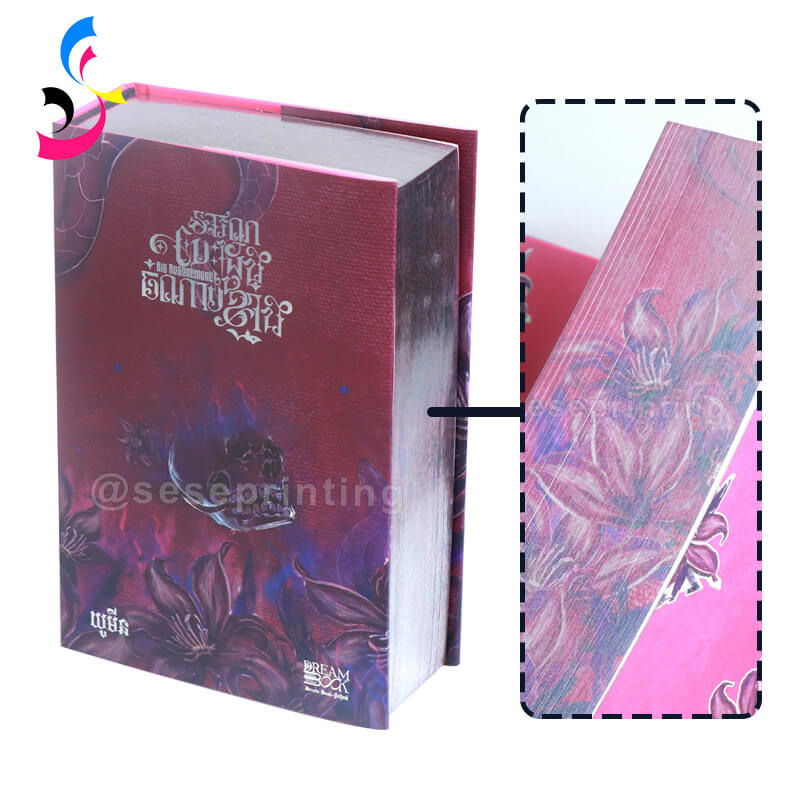
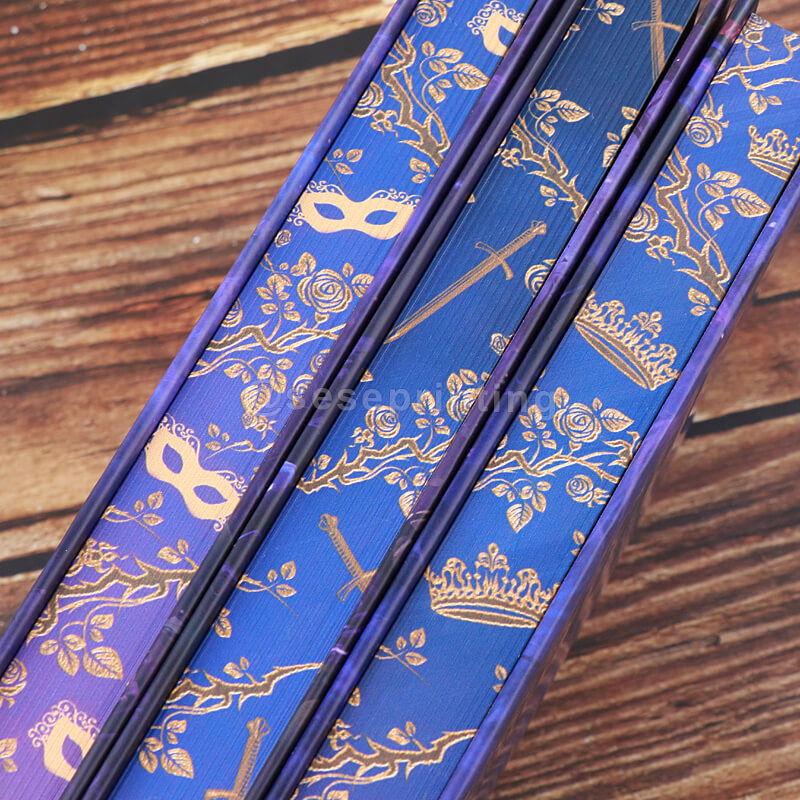
Sprayed Edges: Sprayed edges are a stunning way to add a pop of color or metallic finish to your book. Options include solid colors, metallic finishes, or even gradient effects.
-
Patterned Edges: Unique patterns like marbled or custom-designed edges can provide a distinctive touch to your book, making it more visually appealing.
Endpapers:
|
|
|
|
-
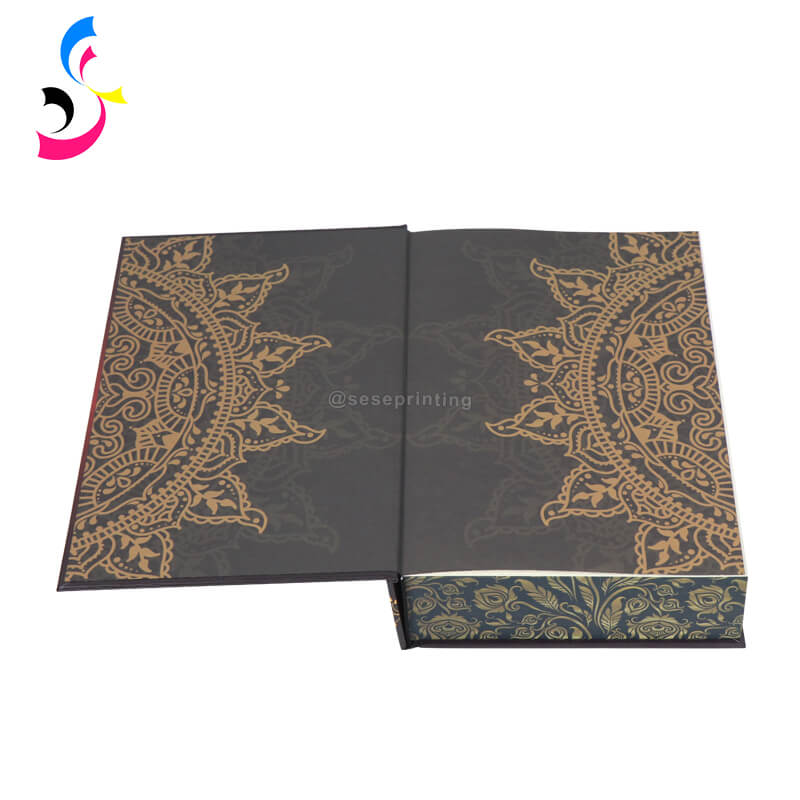
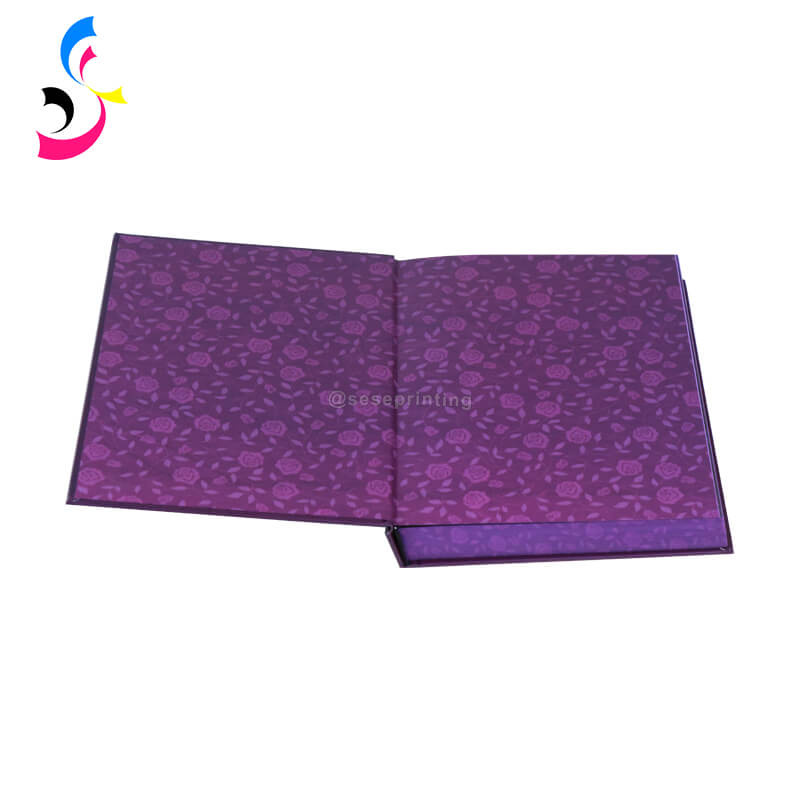
Custom-Printed Endpapers: These can feature illustrations, designs, or patterns that match the theme of your book.
-
Premium Paper Options: Opting for textured or specialty paper for the endpapers can add a touch of elegance and quality to your book’s overall look.
Ribbon Markers:
Adding a ribbon marker (a small, decorative fabric ribbon sewn into the spine) is a great way to give your book a luxurious feel. It also offers a practical benefit, allowing readers to easily mark their place.
Slipcases & Boxes:
|
|
|
|
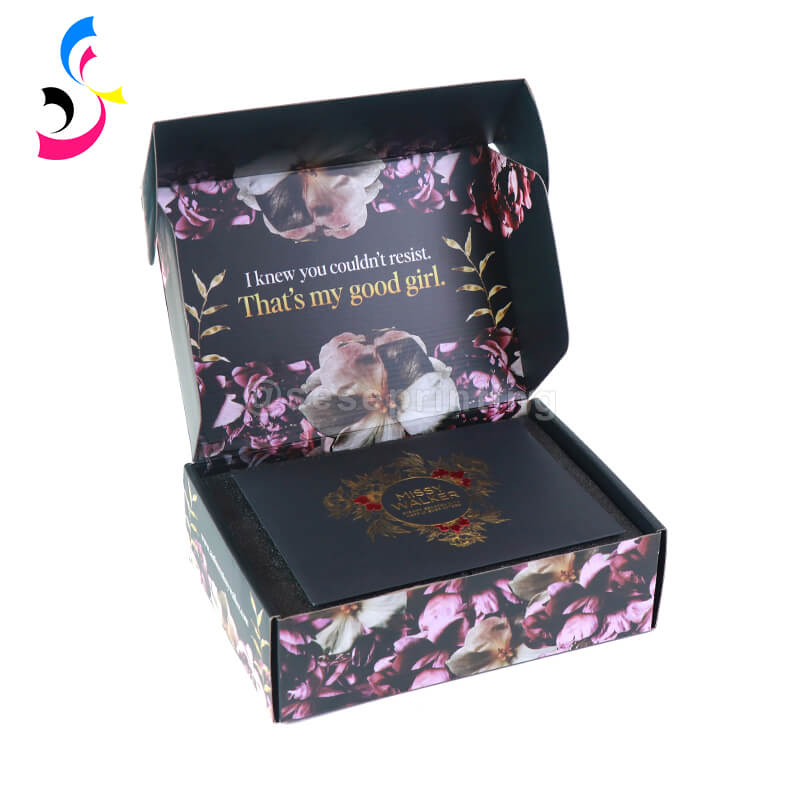
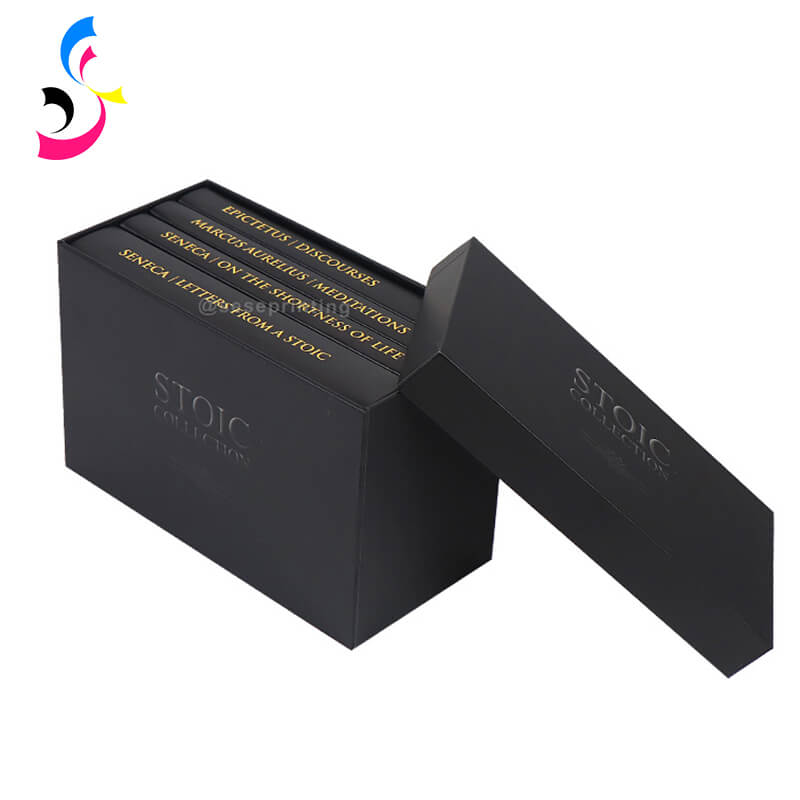
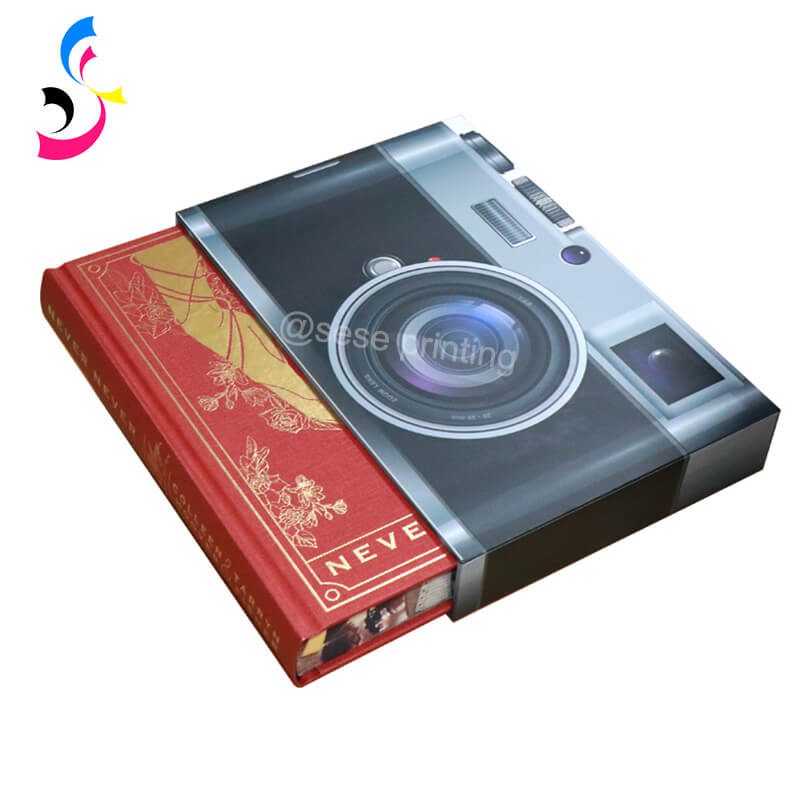
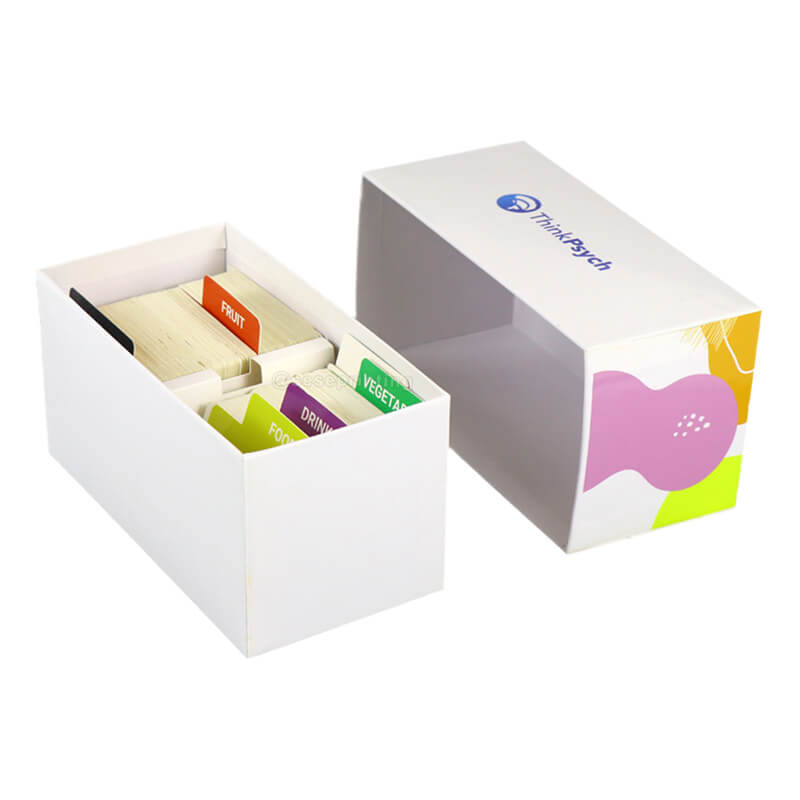
For a truly premium feel, consider custom slipcases or boxes. These provide additional protection for your book while also making it more collectible and elegant, especially for limited-edition releases.
Special Features:
If your book includes interactive or multimedia elements, such as pop-ups, die-cut shapes, or even QR codes that link to digital content, these features will add complexity to the printing process, and thus affect the cost.
Each of these custom features can make your book unique, but it’s important to balance your creative vision with your budget. Choosing the right combination of customization will ensure that your book stands out while remaining cost-effective for your project.
3. Request a Quote from a Reputable Printing Company
Once you’ve determined your book’s specifications and chosen your custom features, the next step is to request a quote from a reputable printing company. Partnering with an experienced and trusted company like SESE Printing ensures that you receive high-quality results, transparent pricing, and excellent customer support throughout the process. Here's how to effectively request a quote:
Gather Your Book Details: To get an accurate quote, make sure you have all the necessary information about your project. This includes:
-
Book Size: Specify the dimensions (e.g., 6x9 inches, 8x10 inches, custom size).
-
Page Count: Include the total number of pages, as longer books will generally cost more to print.
-
Binding Type: Clearly state whether you want hardcover, softcover, or any other binding style.
-
Paper Type: Choose the paper stock (e.g., matte, glossy, premium, textured), as paper quality affects both the appearance and cost.
-
Custom Features: Mention any custom options you’re considering, such as foil stamping, embossing, sprayed edges, ribbon markers, or custom endpapers.
-
Specify Quantity: The number of copies you plan to print plays a key role in determining the per-unit cost. Typically, larger orders reduce the cost per unit, but smaller print runs may have higher per-book costs due to setup and production time.
-
Provide Artwork and Design Files: Many printing companies, including SESE Printing, will require high-resolution files for artwork and design elements. This includes cover artwork, interior layouts, fonts, and images. Ensure that your files meet the required specifications (e.g., resolution of 300 DPI for print quality).
-
Ask for a Detailed Breakdown: A reputable printing company will provide a clear and detailed quote that breaks down the costs of each component, including printing, custom features, binding, and any additional services (such as packaging or shipping). This transparency will help you understand where your money is going and avoid hidden fees.
-
Consult About Optional Services: If you need additional services, such as proofing, revisions, or project management, inquire about the availability and cost of these options. SESE Printing, for instance, offers professional guidance to ensure that your vision comes to life seamlessly.
-
Inquire About Turnaround Time: Make sure to ask about the production and delivery timeline. Custom printing often takes longer than standard printing due to the specialized work involved. Ask about proofs, production times, and expected delivery dates so you can plan accordingly.
By providing all the necessary details and working with a trusted printing partner like SESE Printing, you can receive an accurate and transparent quote that reflects the quality and customization you’re seeking for your book.
4. Request a Sample Before Committing
Before placing a large order, it's wise to request a sample or proof of your custom book. A physical sample ensures that the final product matches your vision in terms of quality, design, and feel. It also allows you to verify the printing and binding quality before committing to a full production run.
Many companies, including SESE Printing, offer sample services to help you confirm the colors, paper choices, and finishes, so you know exactly what you’ll be getting.
5. Understand the Timeline and Additional Costs
Timeline Considerations
Custom book printing is more intricate than standard printing, especially when custom features such as foil stamping, embossing, or unique binding styles are involved. It’s important to have realistic expectations about the time required for your project.
-
Proofing Process: Before the full print run begins, most reputable printing companies will provide a proof or sample of your book. This step allows you to check the design, layout, and quality of the materials. The proofing process typically takes 3-5 business days, depending on the complexity of your project. It’s important to review the proof carefully and request any revisions before moving forward.
-
Production Time: After approval of the proof, the printing and finishing process can take several weeks. On average, the production of a custom book can take 2 to 4 weeks, depending on the size of the print run, the custom features selected, and the overall complexity of the project.
-
Shipping and Delivery: Shipping times will vary based on the quantity of books, destination, and shipping method. Be sure to factor in any extra time needed for shipping, especially if you have a deadline to meet. Depending on the shipping option you choose, delivery can take 5-7 days for domestic shipments and 5-7 weeks for international deliveries.
Additional Costs
In addition to the base cost of printing, there are several other factors that could add to the overall price of your project. Understanding these potential costs upfront will help you avoid surprises later.
-
Proofing and Samples: Many printing companies, like SESE Printing, may charge for physical proofs or sample copies. While some companies offer free digital proofs, physical samples typically incur a small fee to cover production costs.
-
Rush Fees: If you need your books printed and delivered in a shorter-than-usual timeframe, many companies offer rush printing options. This service comes with an additional charge, often 25-50% more than the standard production price, to expedite the process.
-
Shipping Costs: Shipping can add a significant cost to your project, especially if you are printing a large number of books. Be sure to inquire about shipping fees, both for domestic and international deliveries. Some companies offer bulk shipping discounts, while others charge based on weight and destination.
-
Packaging Costs: If you require custom packaging or additional services like shrink-wrapping or box sets, these will be an extra charge. Some companies, like SESE Printing, offer specialized packaging options that can give your book a premium look, but it's important to account for these additional costs.
Knowing the complete timeline and any potential additional costs upfront will allow you to manage your project more efficiently, ensuring your custom book is delivered on time and within budget.
6. Conclusion
Getting a custom book printed is an exciting and creative process that allows you to turn your vision into a tangible product. However, to ensure that your project runs smoothly and stays within budget, it’s essential to have a clear understanding of the key factors involved, including the cost, custom features, timeline, and additional charges.
By carefully selecting your book specifications, choosing the right custom features, and working with a reputable printing company like SESE Printing, you can confidently request an accurate quote that aligns with your needs.
 What You Need to Prepare Before Contacting SESE Printing?
 You May Also Like


 Tel
Tel
 Email
Email
 Address
702 No. 21 Huizhong Road, Shiqiao St, Panyu District. Guangzhou city, Guangdong Province. China

Joy
 Whatsapp