



 Home
HomeCustom Book Printing Trends: Sprayed Edges, Holographic Foils & Eco-Friendly Hardcovers
 Aug 14,2026

 SESE
SESE
Custom Book Printing Trends: Sprayed Edges, Holographic Foils & Eco-Friendly Hardcovers
The book printing industry is constantly evolving as publishers, authors, and brands look for new ways to create memorable reading experiences. Today, books are no longer viewed only as containers of information—they have become collectible products, artistic expressions, and valuable brand assets.
With the growth of special editions, limited releases, and premium publishing projects, custom book printing has become an important solution for creating unique and high-quality books. Advanced finishing techniques such as custom sprayed edges, holographic foils, and eco-friendly hardcover materials are transforming traditional book production and helping publishers create products that stand out in a competitive market.
From fantasy collector editions and luxury novels to children’s books and branded publications, customized printing options allow every detail of a book to reflect creativity, quality, and brand identity. This article explores these trends in depth and demonstrates why professional manufacturing partnerships are essential to bringing these visions to life.
1. The Growing Demand for Custom Book Printing
The demand for custom book printing has increased significantly as readers expect more personalized and visually appealing products. Standard book formats are no longer enough for many publishers who want to create a stronger connection with their audiences.
Custom printing provides greater flexibility in designing books with unique features, including:
-
Customized book sizes and formats
-
Premium cover materials
-
Special binding options
-
Decorative finishing techniques
-
Personalized endpapers
-
Custom page edge designs
-
Unique packaging solutions
Today, custom printed books are widely used for:
-
Special edition novels
-
Collector’s editions
-
Independent publishing projects
-
Children’s picture books
-
Art and photography books
-
Corporate publications
-
Subscription book boxes
-
Promotional and branded books
For publishers, investing in premium customization can increase the perceived value of a book, improve customer engagement, and create stronger market differentiation.
2. Sprayed Edges: Turning Book Edges into a Design Feature
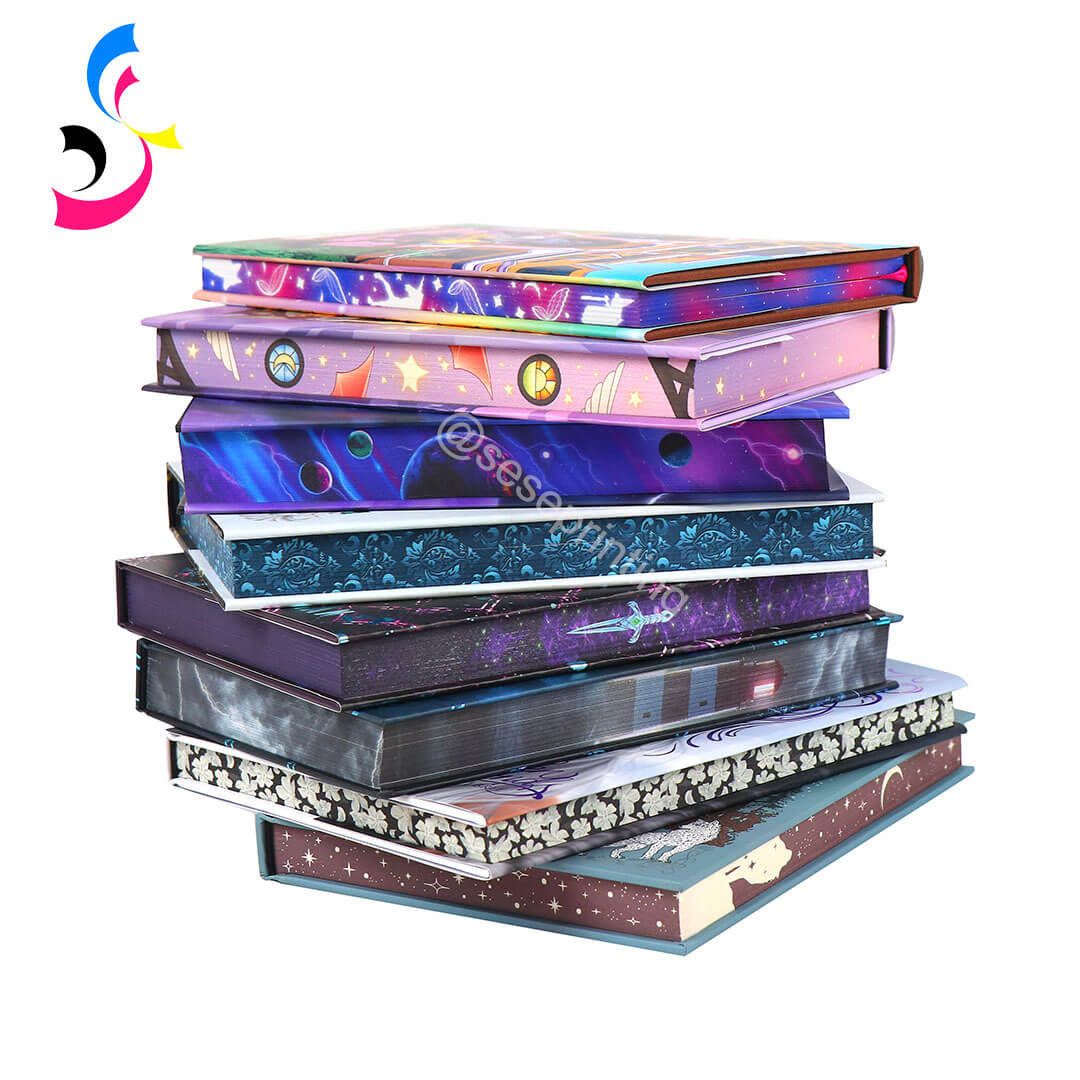
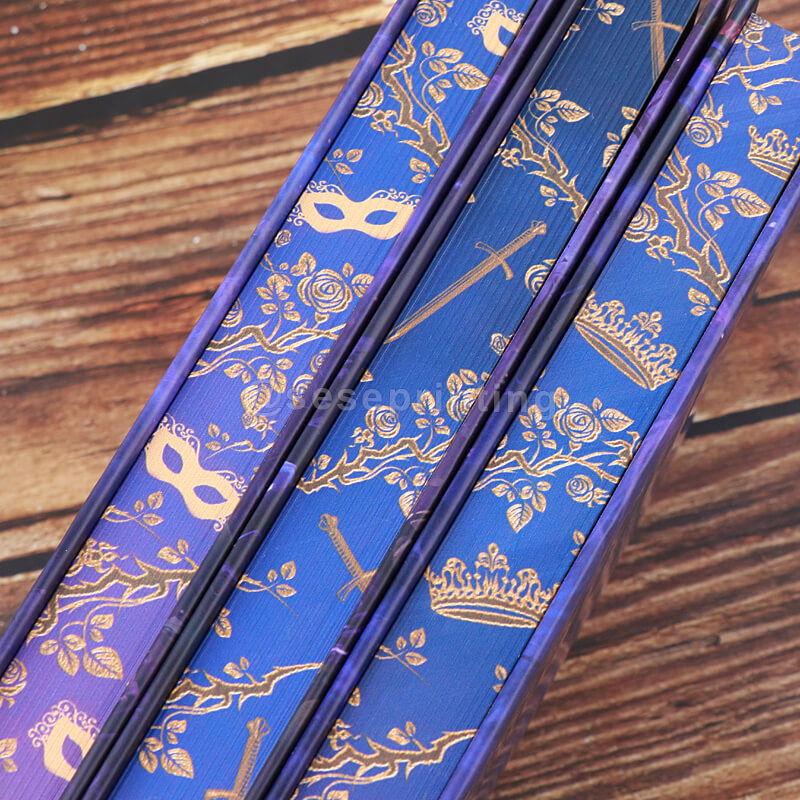
Traditionally, book edges were often overlooked and treated as a functional part of book production. However, custom sprayed edges have transformed the side of a book into an important design element.
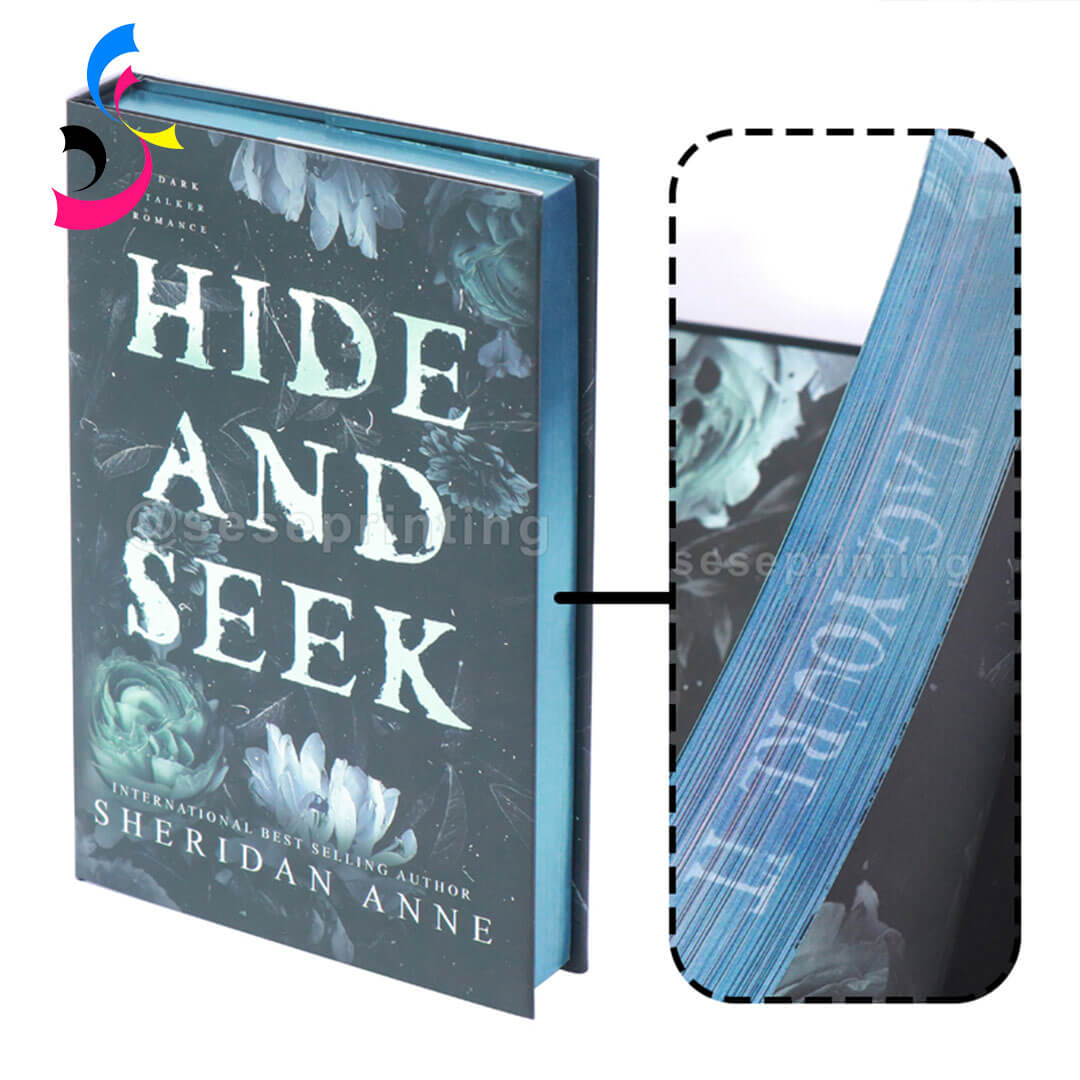
Sprayed edges allow artwork, colors, and patterns to extend beyond the cover, creating a complete visual experience when the book is displayed on shelves.
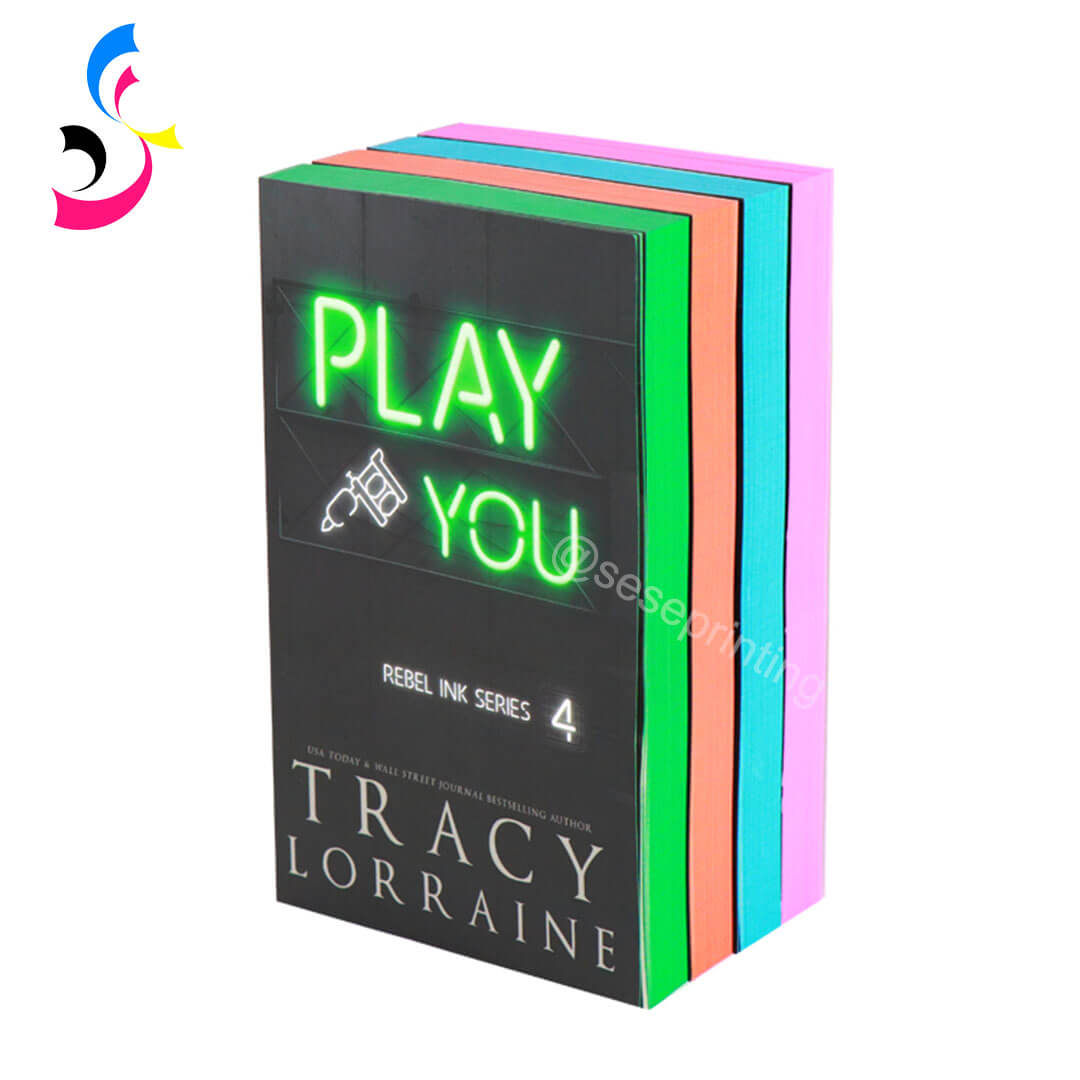
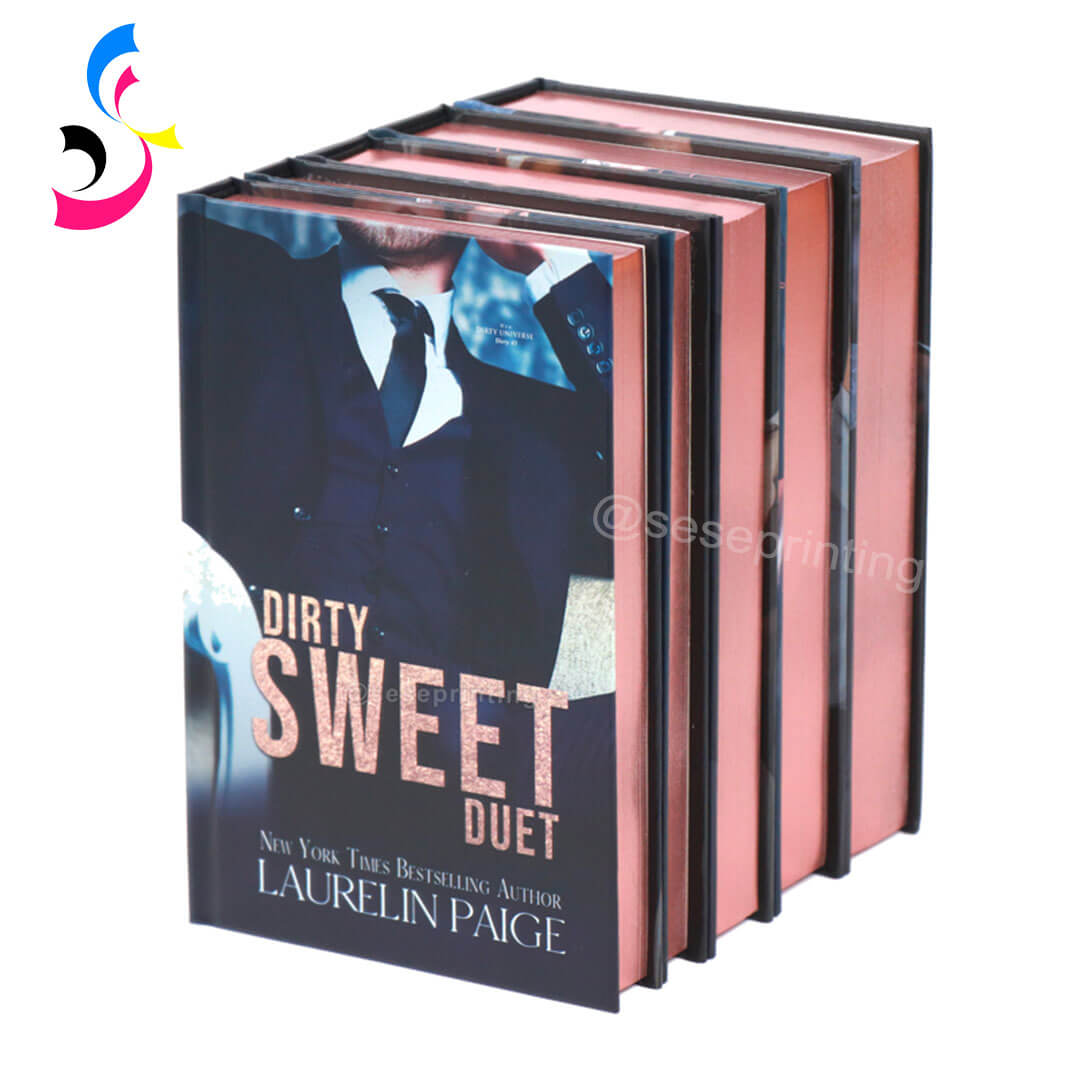
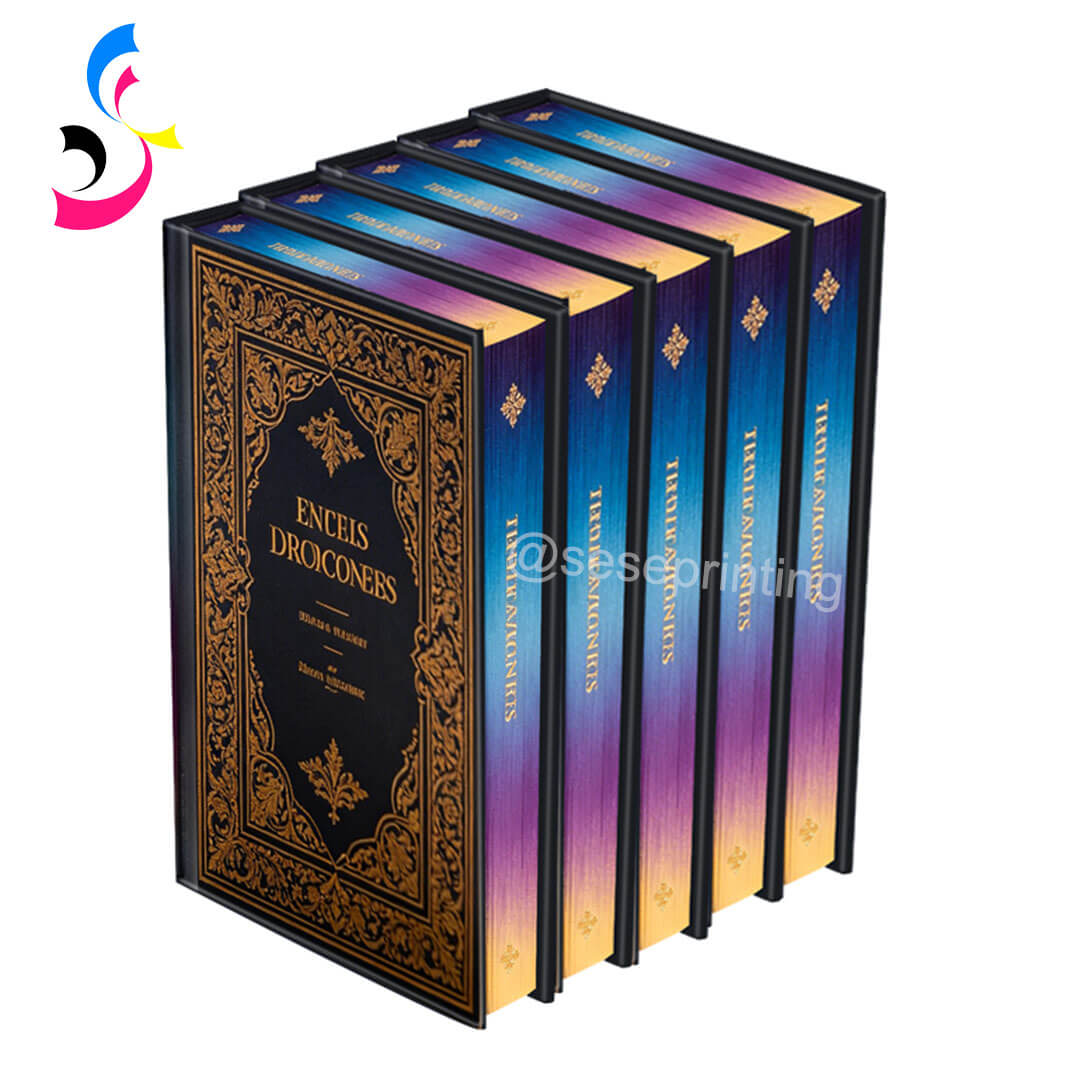
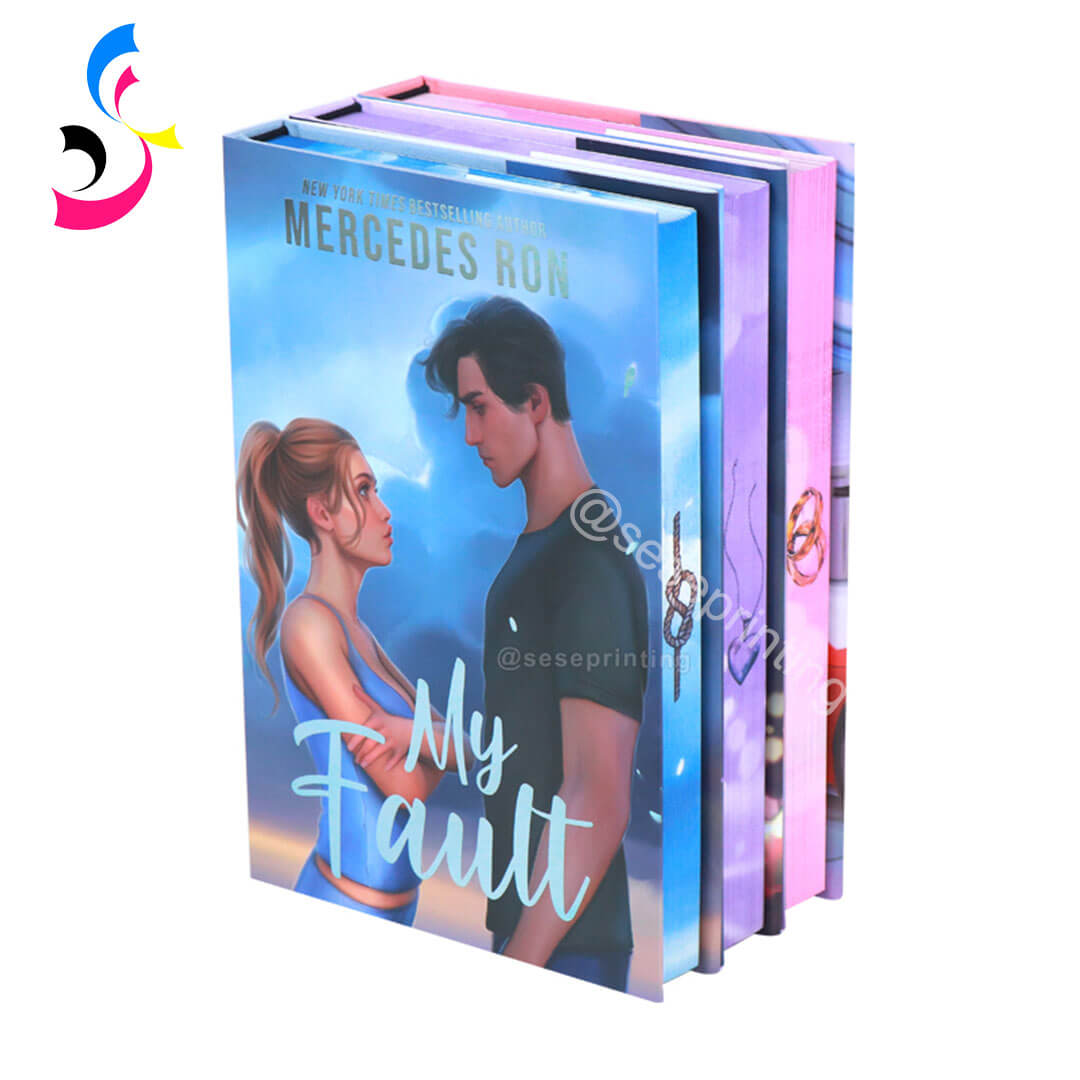
Popular sprayed edge options include:
|
|
|
|
|
|
Solid Color Sprayed Edges |
Metallic Sprayed Edges |
Gradient Sprayed Edges |
Patterned Sprayed Edges |
Hidden Sprayed Edges |
-
Solid Color Sprayed Edges: Single-color sprayed edges provide a clean and elegant appearance. They are commonly used for modern hardcover editions, journals, and premium publications.
-
Metallic Sprayed Edges: Gold, silver, and other metallic effects add a luxurious appearance, making books feel more exclusive and collectible.
-
Gradient Sprayed Edges: Gradient colors create smooth transitions and artistic effects, offering a contemporary style for special editions.
-
Patterned and Illustrated Sprayed Edges: Custom images, illustrations, symbols, or decorative patterns can be printed on page edges. This technique is especially popular for fantasy, romance, and collector edition books.
-
Special Effect Sprayed Edges: Advanced printing technologies allow unique effects such as UV-reactive designs, hidden artwork, or interactive visual experiences.
By combining sprayed edges with premium covers, printed endpapers, and customized packaging, publishers can create books that attract attention before readers even open the first page.
3. Holographic Foils: Creating Eye-Catching Hardcover Designs
Cover design plays a major role in a book’s first impression. Among modern finishing techniques, holographic foil stamping has become a popular choice for creating premium hardcover designs.
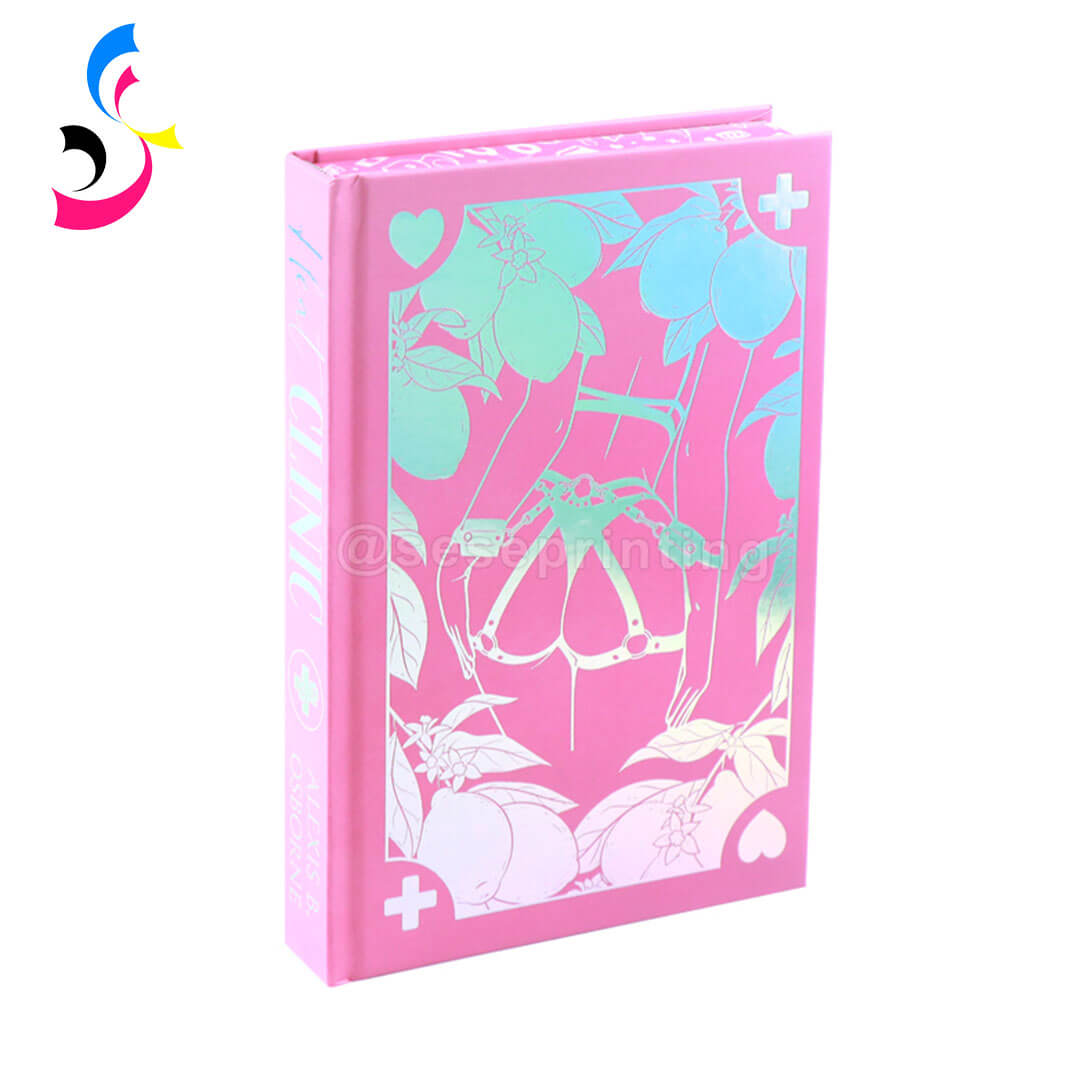
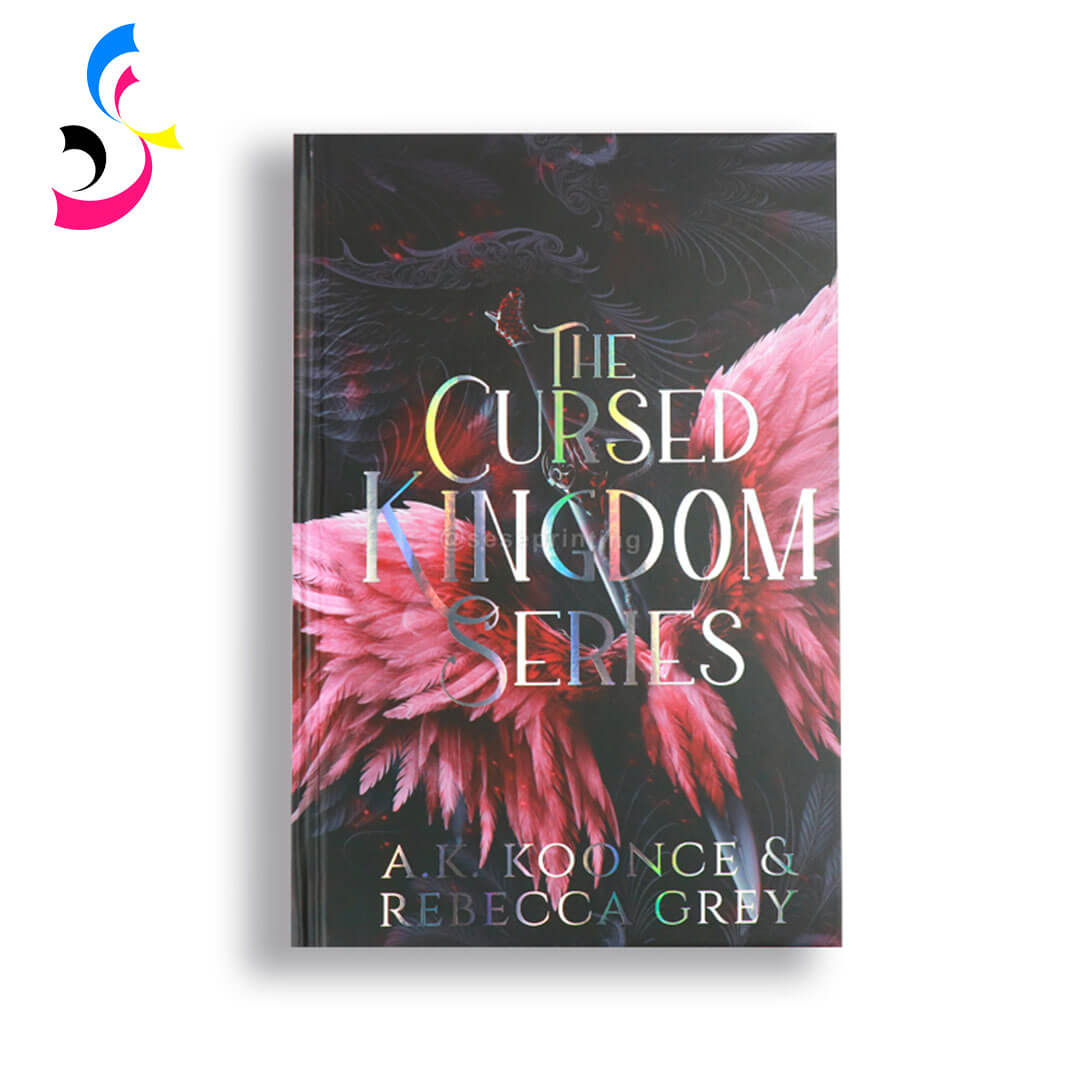
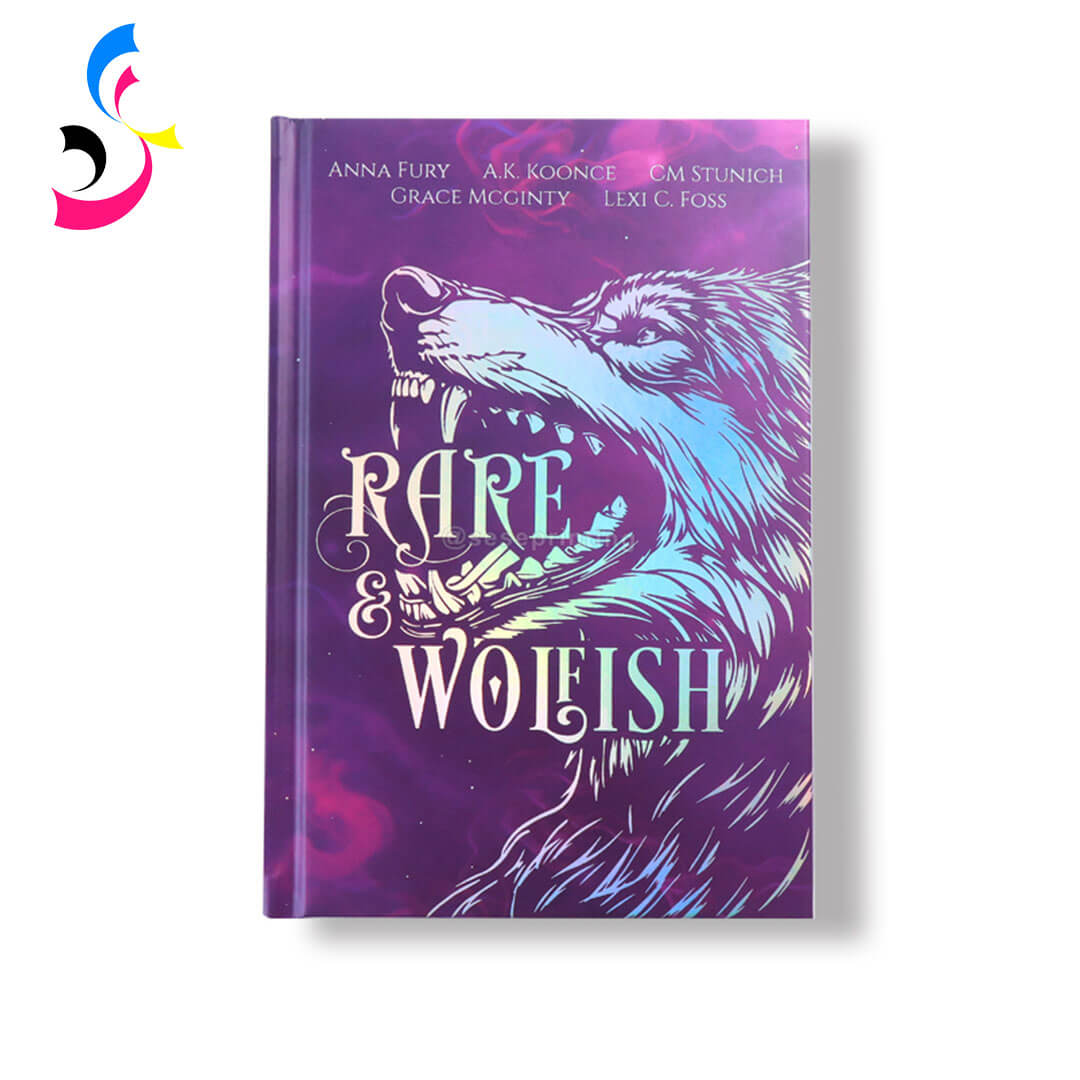
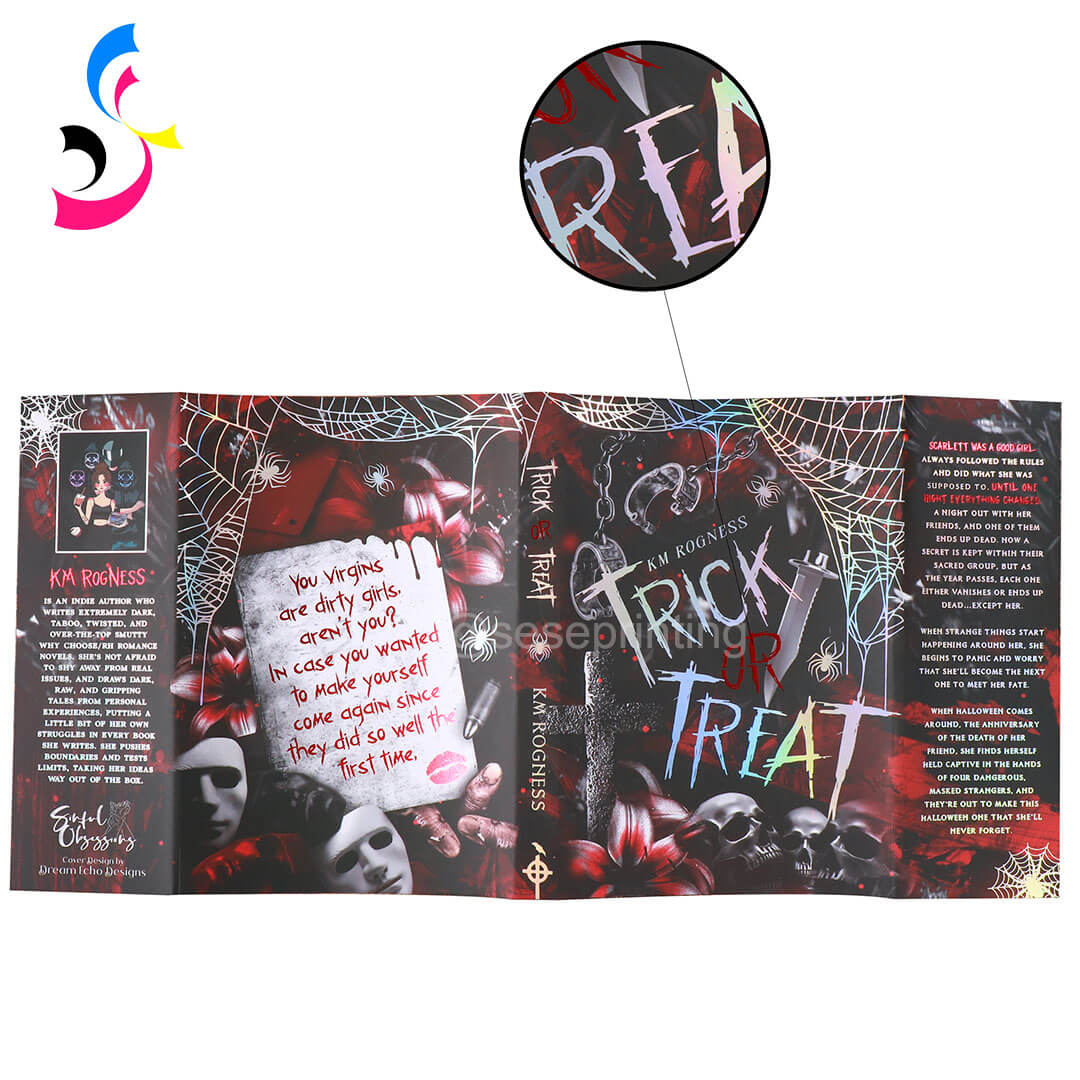
Unlike traditional foil stamping, holographic foils reflect light from different angles, producing dynamic colors and eye-catching visual effects.
Common applications include:
|
|
|
|
|
Holographic Foil Cover |
Foil Stamped Titles |
Decorative Foil Patterns |
Holographic Dust Jackets |
-
Holographic foil cover designs
-
Foil stamped titles and logos
-
Decorative foil patterns
-
Foil combined with embossing
-
Holographic dust jackets
Holographic foil is especially suitable for:
-
Fantasy novels
-
Young adult fiction
-
Special edition releases
-
Luxury gift books
-
Limited collector editions
This finishing technique enhances the book’s appearance while increasing its perceived value. When combined with other processes such as embossing, debossing, spot UV coating, or matte lamination, holographic foils can create a sophisticated and premium hardcover experience.
4. Eco-Friendly Hardcover Books: Sustainability Meets Quality
Sustainability has become an important consideration in modern publishing. More publishers and brands are looking for ways to reduce environmental impact while maintaining excellent print quality.
Eco-friendly hardcover book printing combines responsible material choices with professional manufacturing techniques.
Common sustainable options include:
-
FSC-Certified Paper: FSC-certified paper supports responsible forest management and provides a more sustainable choice for book production.
-
Recycled Paper Materials: Recycled paper options can be used for book interiors, packaging, and promotional materials.
-
Environmentally Friendly Inks: Soy-based and low-impact inks help reduce the environmental footprint of printing.
-
Sustainable Packaging Solutions: Publishers can choose recyclable paper packaging, eco-friendly boxes, and reduced-plastic solutions.
Sustainability is no longer a niche concern—it is a mainstream expectation. Modern consumers and corporations are actively seeking products that minimize environmental harm. Eco-friendly hardcovers are answering this call without compromising on luxury or durability.
Eco-friendly hardcover books are increasingly popular for:
-
Children’s books
-
Educational publications
-
Lifestyle books
-
Brand storytelling projects
-
Corporate sustainability publications
5. Combining Trends: Creating Premium Collector Editions
The most exciting trend in custom book printing is the combination of multiple premium features to create unforgettable collector editions.
|
|
|
|
|
Holographic Foil Stamping |
Embossed Cover |
Debossed Cover |
Custom Sprayed Edges |
|
|
|
|
|
Printed Endpapers |
Ribbon Bookmarks |
Dust Jackets |
Custom Slipcases |
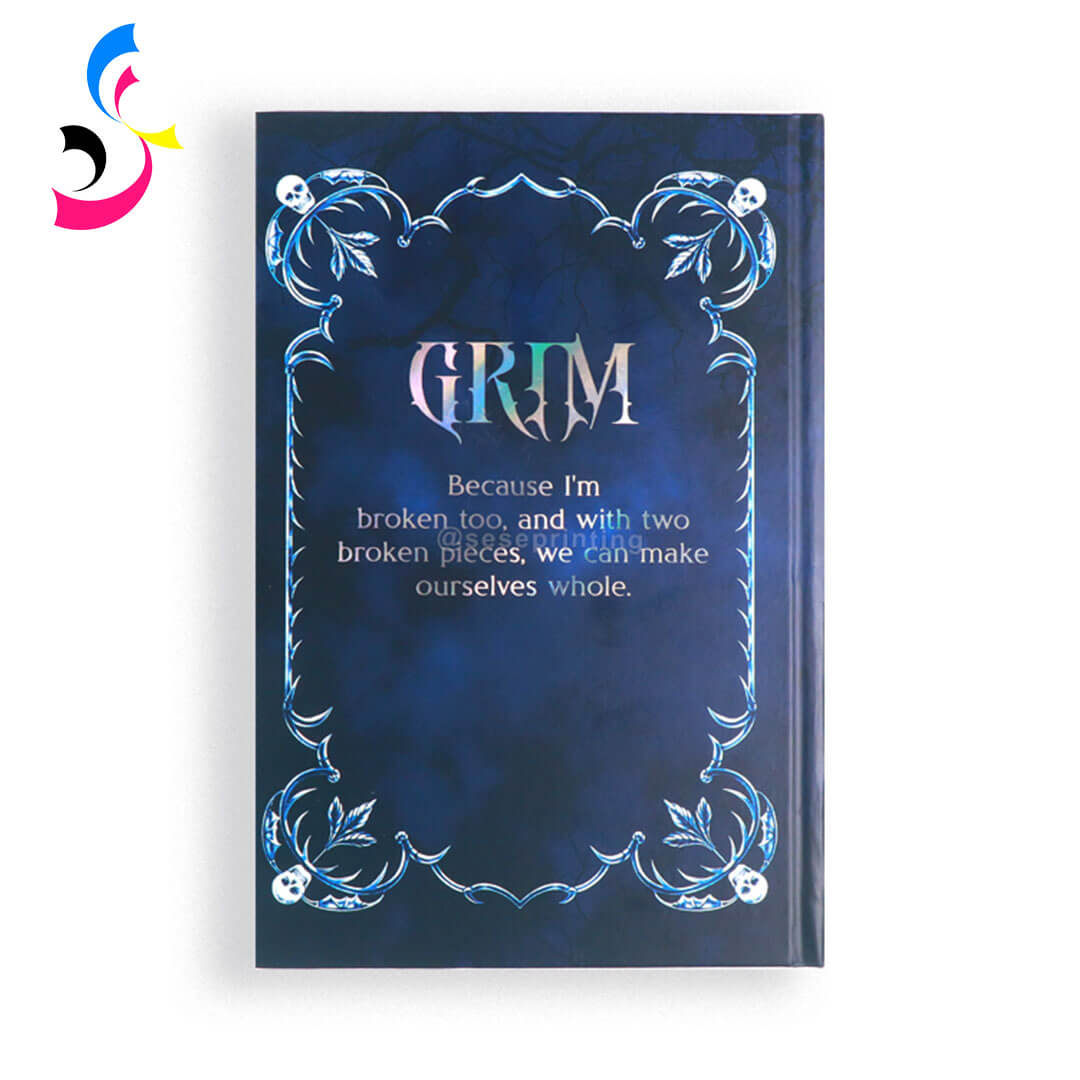
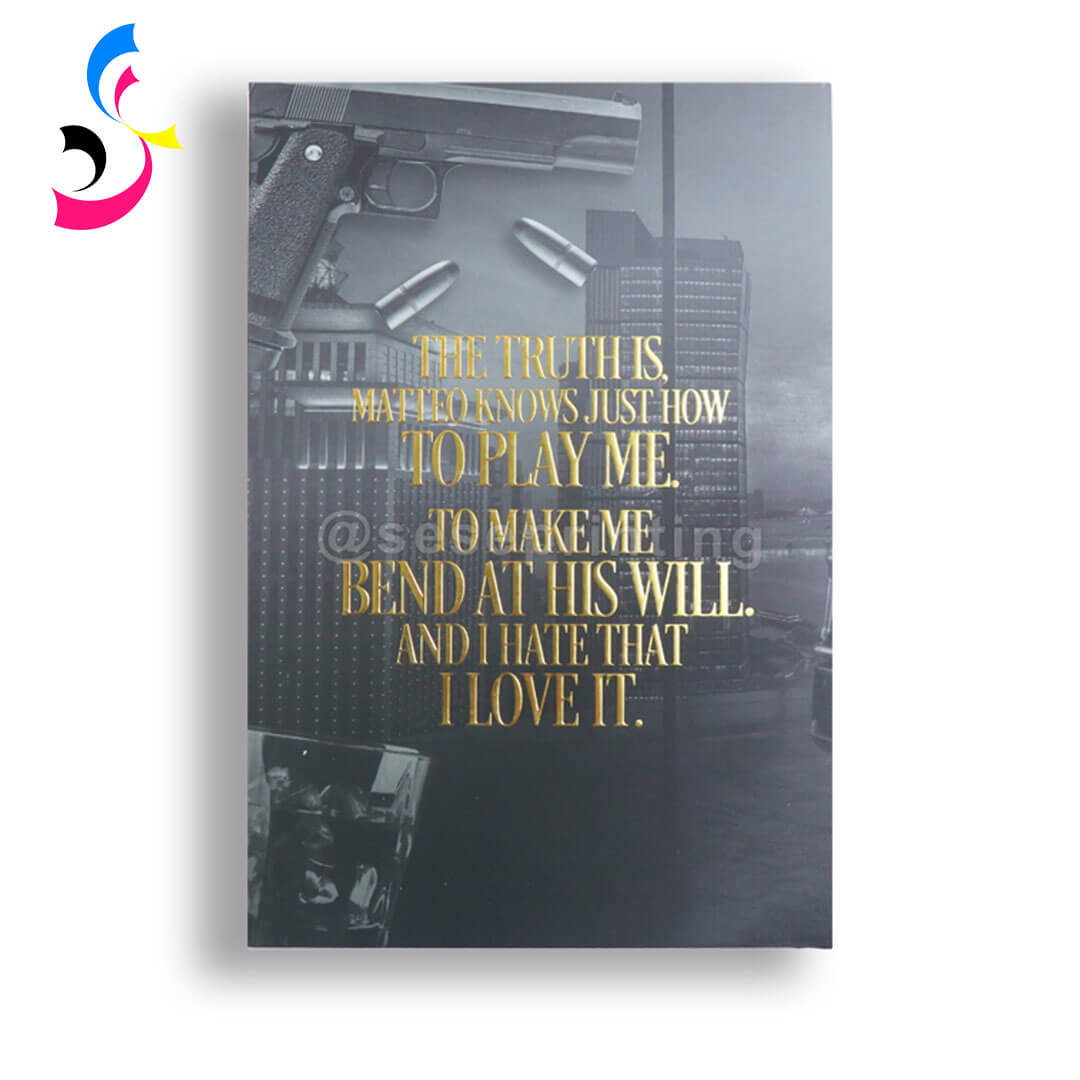
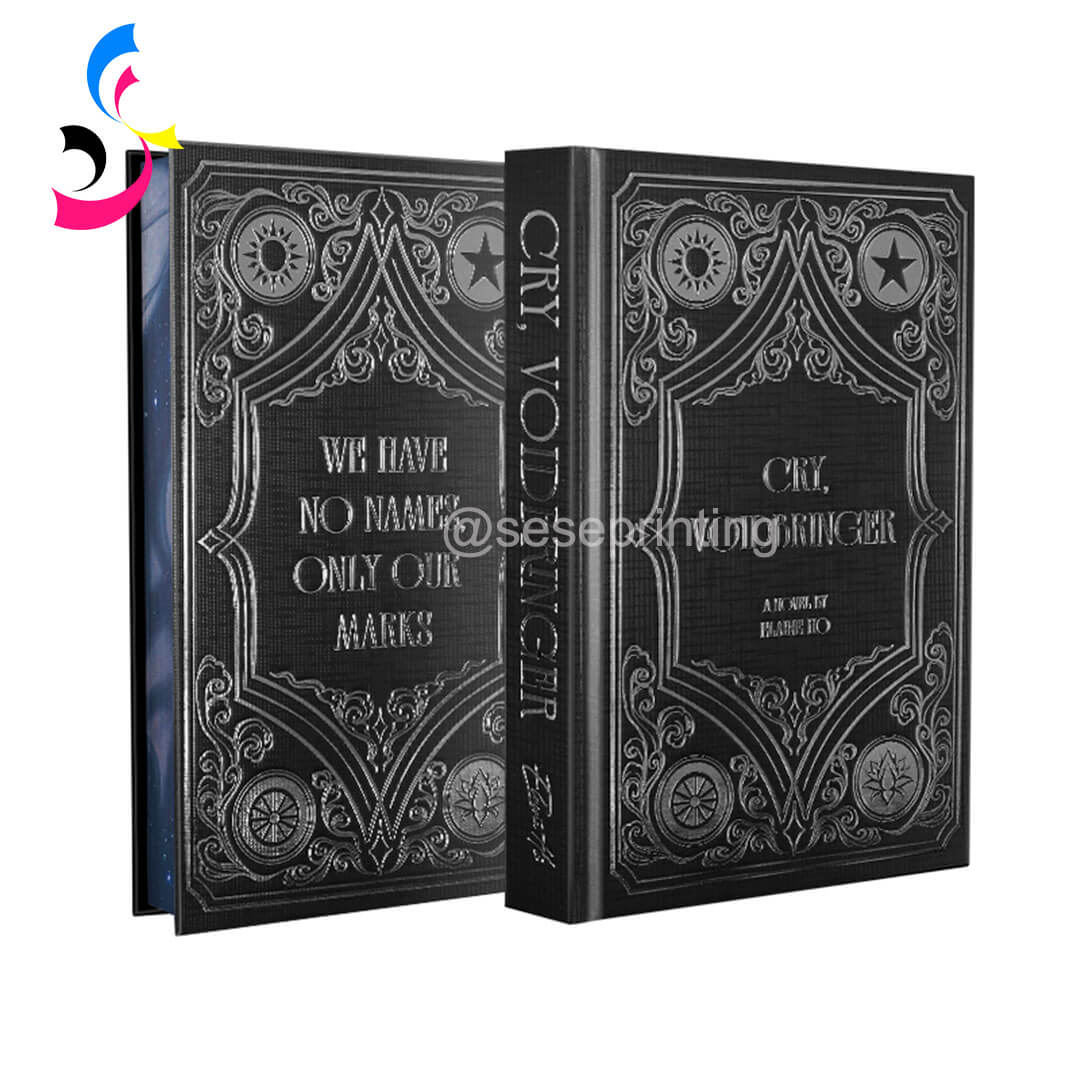
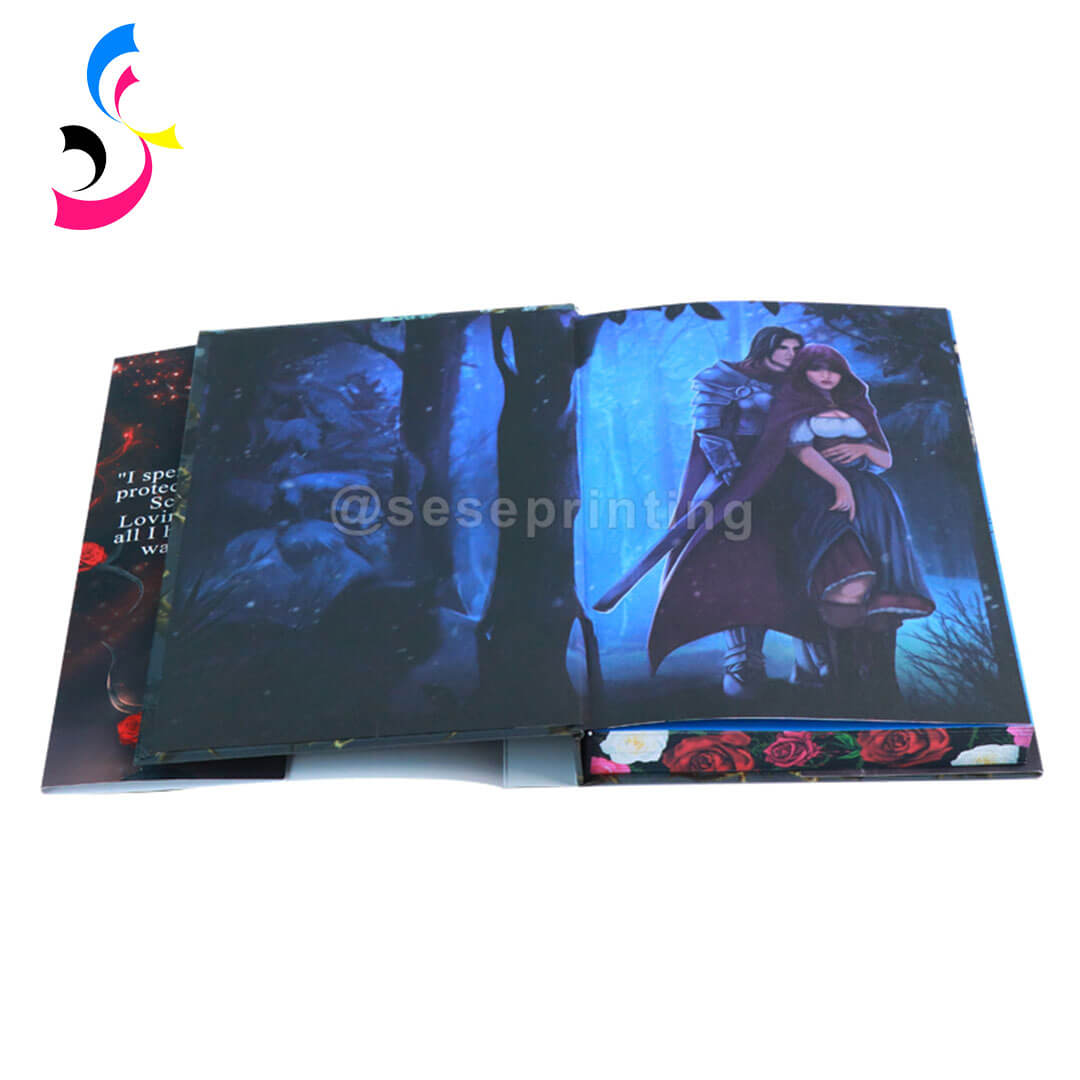
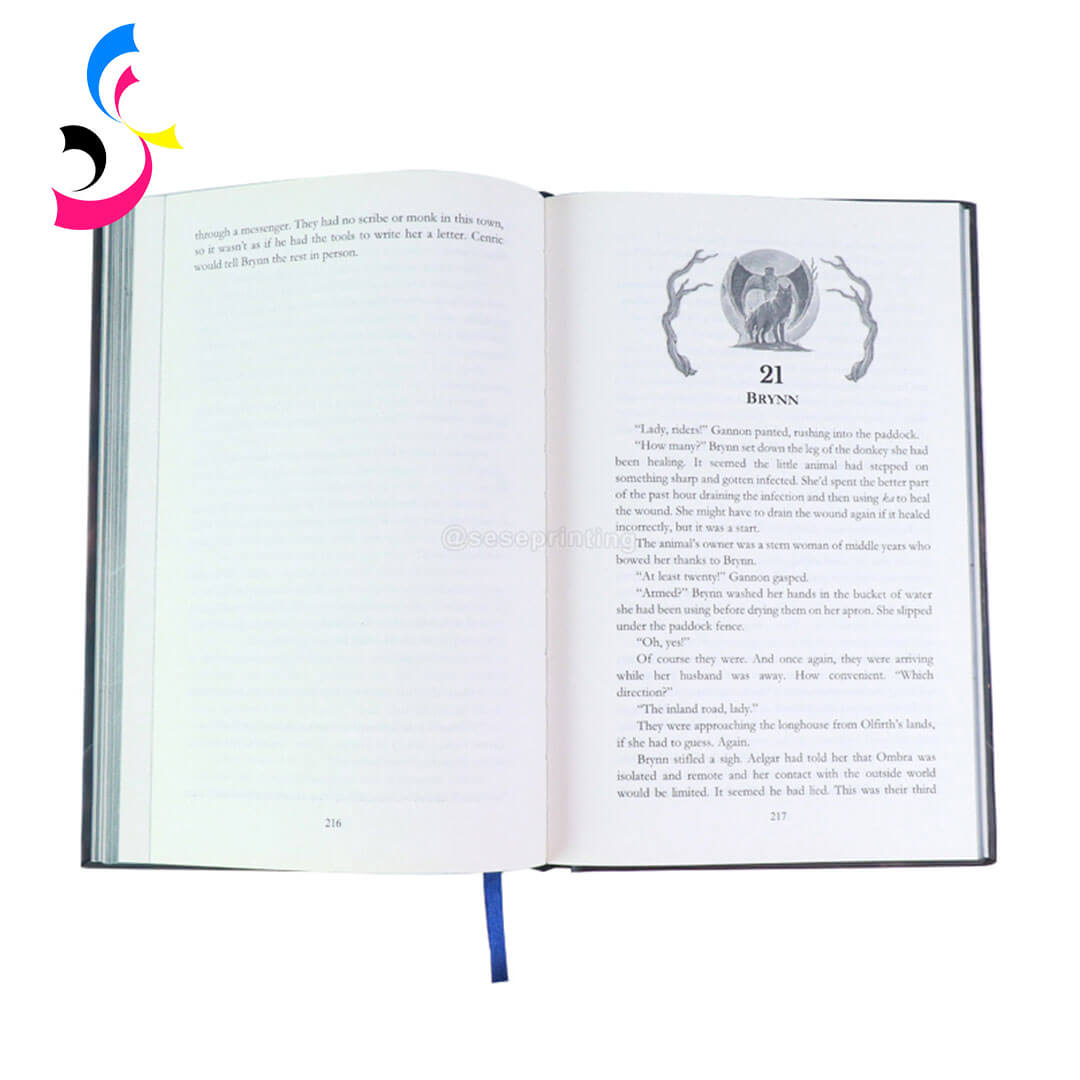
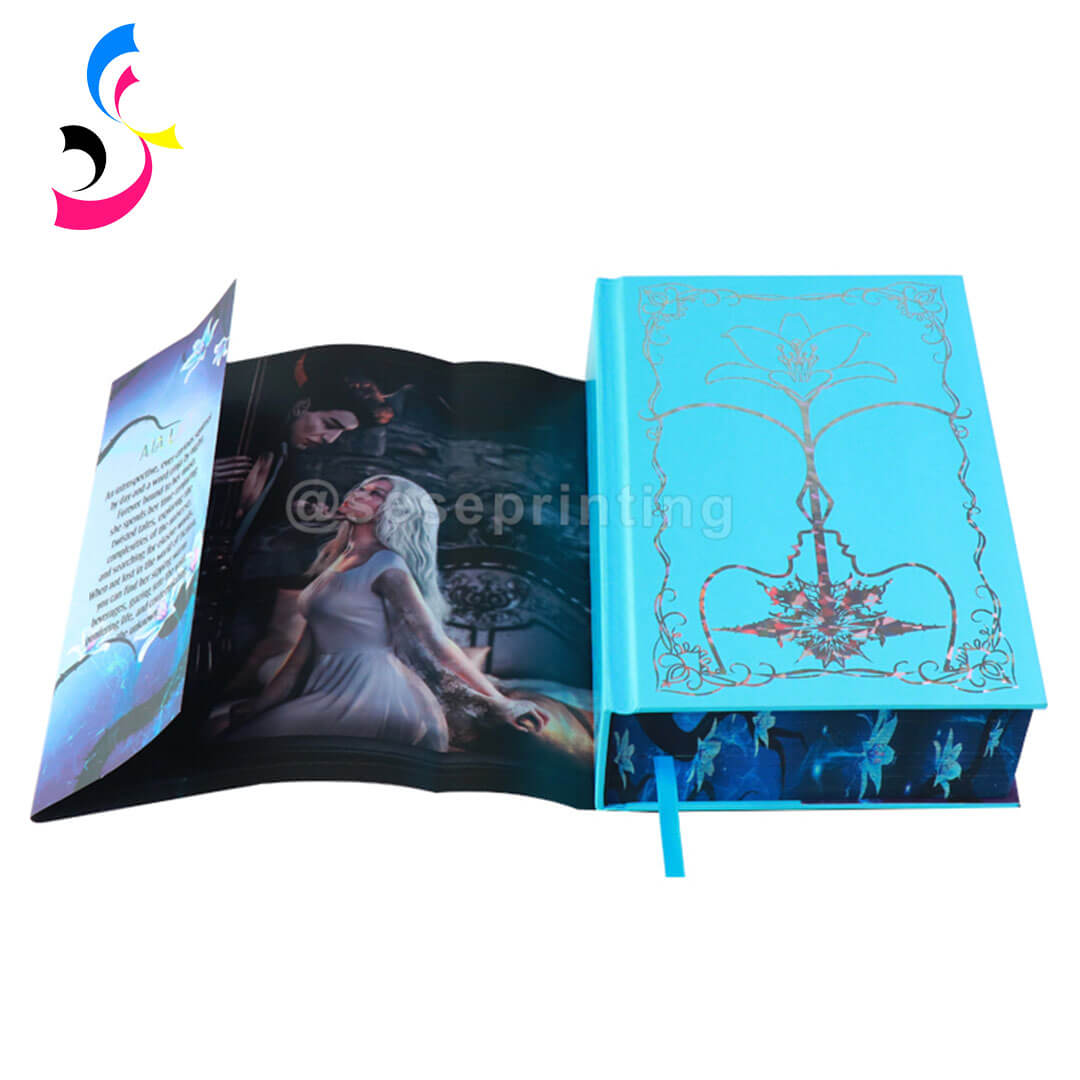
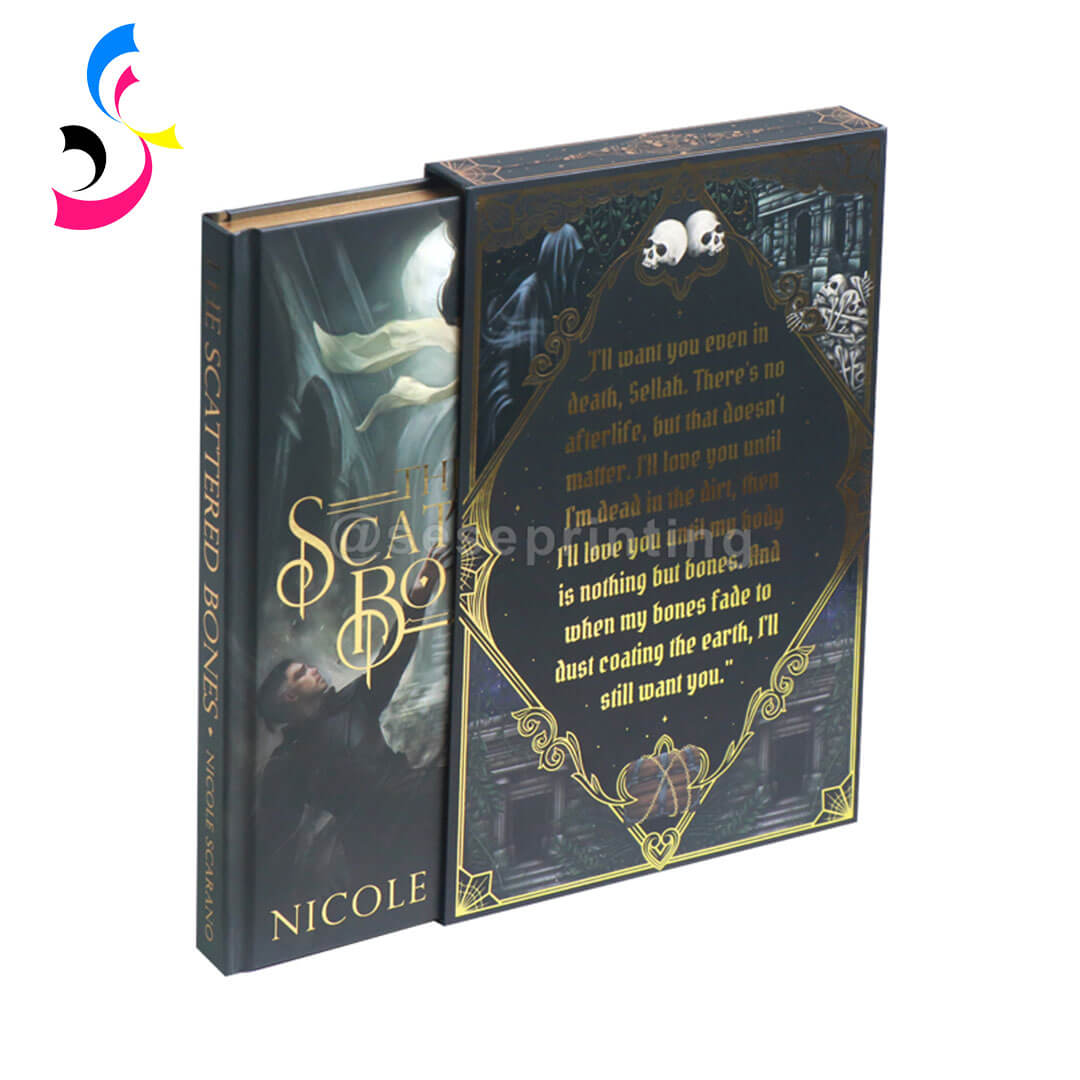
A high-end special edition book may include:
-
Hardcover binding with matte or textured finishes
-
Holographic foil stamping
-
Embossed or debossed cover details
-
Custom sprayed edges
-
Printed endpapers
-
Ribbon bookmarks
-
Dust jackets
-
Custom slipcases or rigid boxes
These elements work together to create a complete product experience.
By combining different printing techniques, publishers can turn ordinary books into collectible products that readers want to display, share, and preserve.
6. How Professional Book Printing Manufacturers Support Custom Projects
Choosing the right printing partner is essential for achieving consistent quality in custom book projects.
A professional book printing manufacturer provides support throughout the production process, including:
Material Selection: Experienced manufacturers can recommend suitable paper types, cover materials, and finishing options based on the project’s requirements.
Printing and Binding Solutions
Professional printers offer various production capabilities, including:
-
Hardcover book printing
-
Paperback book printing
-
Case binding
-
Sewn binding
-
Board book production
-
Custom packaging
-
Advanced Finishing Capabilities
Manufacturers with specialized equipment can provide:
-
Foil stamping
-
Embossing and debossing
-
Spot UV coating
-
Sprayed edges
-
Custom endpapers
-
Special printing effects
-
Quality Control
Reliable manufacturers maintain strict quality checks throughout production, from prepress preparation to final packaging.
Working with an experienced printing manufacturer helps publishers reduce production risks and achieve their creative vision efficiently.
7. Future Trends in Custom Book Printing
More Personalized Book Designs: Publishers will increasingly explore customized covers, edge designs, and packaging to create unique products for specific audiences.
-
Innovative Printing Effects: New technologies such as specialty inks, interactive finishes, and advanced decorative techniques will provide more opportunities for creative book design.
-
Sustainable Manufacturing: Eco-friendly materials, responsible sourcing, and greener production methods will become standard expectations in the publishing industry.
-
Premium Reading Experiences: Books will continue evolving from simple printed products into collectible experiences that combine storytelling, design, and craftsmanship.
-
AI-Assisted Design: Generative AI tools are allowing buyers to input text prompts and receive dozens of cover design options, which can then be refined and produced with sprayed edges and foils.
As competition in publishing increases, unique physical features will become a powerful way for books to attract readers and build long-term value.
8. Practical Tips for Buyers
Before starting a custom book printing project, careful preparation can help ensure smoother production and better results.
File Preparation
-
Separate Artwork Layers: Provide your designer with files that clearly separate the CMYK cover art, the foil stamp layer (usually in black/white), and the sprayed edge mask. This prevents manufacturing confusion.
-
Resolution & Bleed: Ensure all images are at least 300 DPI and that bleed areas (typically 3mm) are included for trimming.
-
Spot Color Definitions: For sprayed edges, specify exact Pantone colors or provide physical color swatches to avoid misinterpretation.
Proofing
-
Always Order a Physical Proof: Digital proofs cannot show holographic iridescence or the true opacity of sprayed edge pigments. A physical dummy sample is non-negotiable for critical projects.
-
Test Different Lighting: Examine the proof under natural daylight, warm indoor light, and cool LED light to see how holographic foils behave in varying environments.
-
Check Edge Saturation: Ensure the spray coverage is even and reaches deep into the page block without bleeding onto the cover.
Partner Selection
-
Check In-House Capabilities: Choose a printer that owns its edge-spraying and foiling equipment—this ensures better quality control and shorter lead times than outsourced finishing.
-
Ask for References: Request samples of previous custom projects similar to yours.
-
Verify Sustainability Credentials: Look for FSC, PEFC, or SFI certification, and ask for a breakdown of their waste-reduction practices.
-
Evaluate Communication: The best manufacturers guide you through technical decisions patiently, not just taking orders but offering creative solutions.
Conclusion: Create Premium Custom Books with SESE Printing
Custom book printing has entered a new era where design, craftsmanship, and sustainability come together. Trends such as sprayed edges, holographic foils, and eco-friendly hardcover materials are helping publishers create books that are not only enjoyable to read but also valuable as collectible products.
At SESE Printing, we specialize in providing high-quality custom book printing solutions for publishers, brands, and creative projects worldwide. With over 10 years of printing experience, advanced production equipment, and professional finishing capabilities, we help customers transform creative concepts into premium printed books.
From custom hardcover books and special edition releases to children’s books, sprayed edge books, and customized packaging, SESE Printing provides one-stop printing solutions tailored to each project.
Ready to create your own premium edition? Contact Sese Printing today. By combining craftsmanship, innovation, and reliable manufacturing, we helps bring unique book ideas to life and create memorable reading experiences for audiences around the world.
 Self-Published Children’s Books: Custom, Safe & Engaging Printing Solutions
 You May Also Like


 Tel
Tel
 Email
Email
 Address
702 No. 21 Huizhong Road, Shiqiao St, Panyu District. Guangzhou city, Guangdong Province. China

Joy
 Whatsapp