



 Home
HomeSelf-Published Children’s Books: Custom, Safe & Engaging Printing Solutions
 Aug 21,2026

 SESE
SESE
Self-Published Children’s Books: Custom, Safe & Engaging Printing Solutions
Self-publishing has given authors, illustrators, educators, and independent publishers more freedom to bring their children's stories to life. Instead of relying entirely on traditional publishing houses, creators can control their manuscripts, artwork, book formats, and production decisions from beginning to end.
However, creating a successful children's book involves more than writing an engaging story. Printing quality, material selection, binding durability, color reproduction, and age-appropriate design all influence the final reading experience.
For self-published authors, custom printing provides the flexibility to create a book around the story rather than adapting the story to a standard production template. From colorful hardcover picture books and durable board books to interactive educational titles, the right printing solution can turn digital artwork into a professional physical product.
Safety and durability are equally important. Children's books may be handled frequently, so paper, inks, coatings, binding methods, and finishing processes should be selected carefully and, where applicable, evaluated against the requirements of the intended market.
This guide explores how self-published authors can choose the right format, materials, printing techniques, and production partner to create custom, safe, durable, and engaging children's books.
1. Why Custom Printing Matters for Self-Published Children's Books
In a crowded marketplace, customization is the key differentiator for self-published children's books. Unlike mass-produced titles that follow generic templates, custom printing allows authors to create products that reflect their unique vision and stand out on shelves.
Differentiation in a Competitive Market
Custom printing enables authors to choose trim sizes, paper stocks, cover finishes, and special effects that align with their story's mood and target audience.
A unique, high-quality physical product signals professionalism and builds trust with parents, educators, and gift-givers.
Tailoring to Age Groups
Children's books serve vastly different age ranges, from infants to pre-teens. Custom printing allows authors to tailor every aspect—from board thickness for toddlers to larger page counts for chapter books—to their specific readership.
Brand Building
For authors planning a series, custom printing establishes a consistent visual brand. Repeated design elements, signature finishes, and recognizable formats help build reader loyalty.
Emotional Connection
A beautifully printed book creates an emotional connection. Parents are more likely to purchase and recommend books that feel special, durable, and thoughtfully produced.
In short, custom printing transforms a manuscript into a product that competes not just on story, but on quality, aesthetics, and the overall reading experience.
2. Choosing the Right Format for Children's Books
Selecting the right format is one of the first decisions during production. Different age groups require different types of books, and the format should support the reading experience.
|
|
|
|
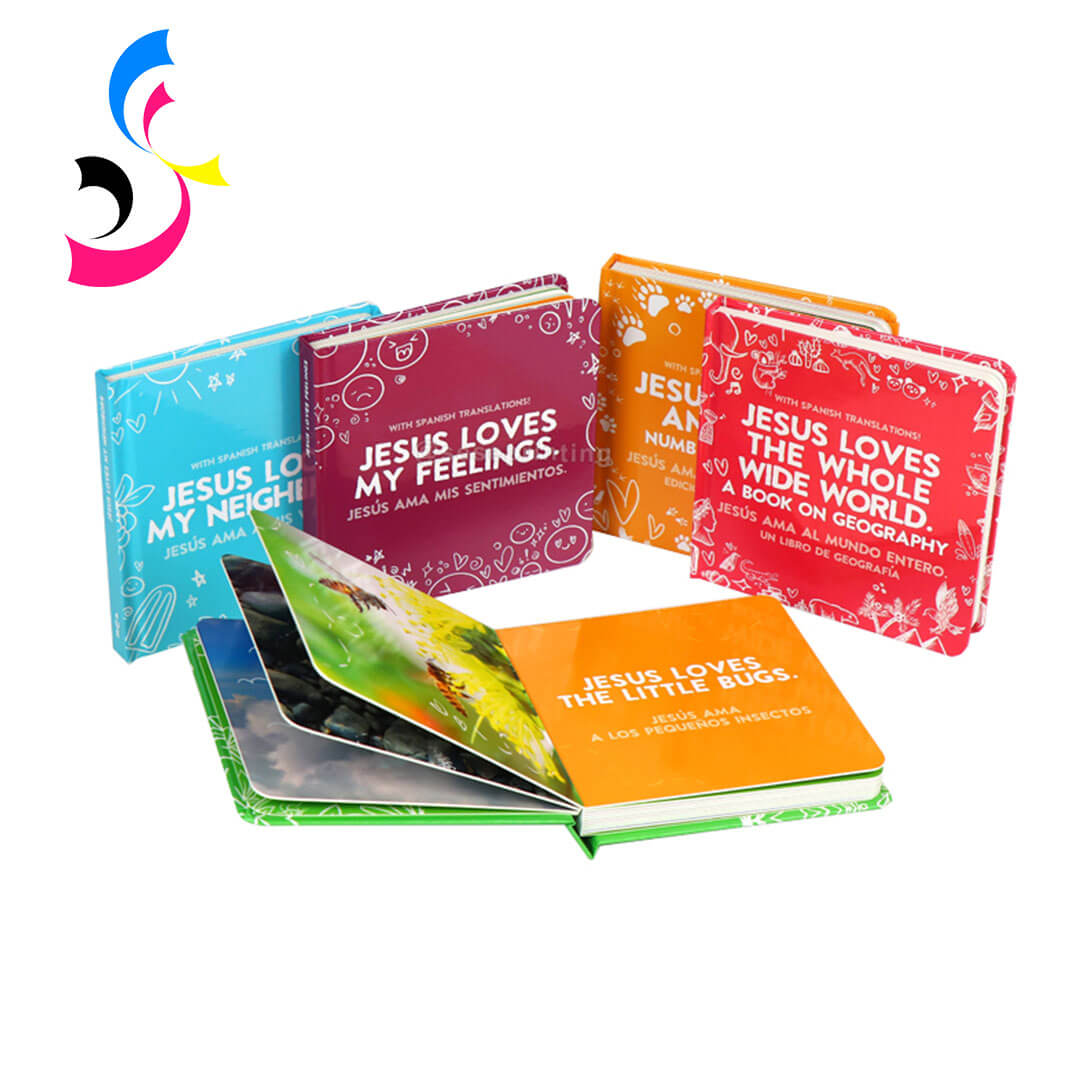
Board Books |
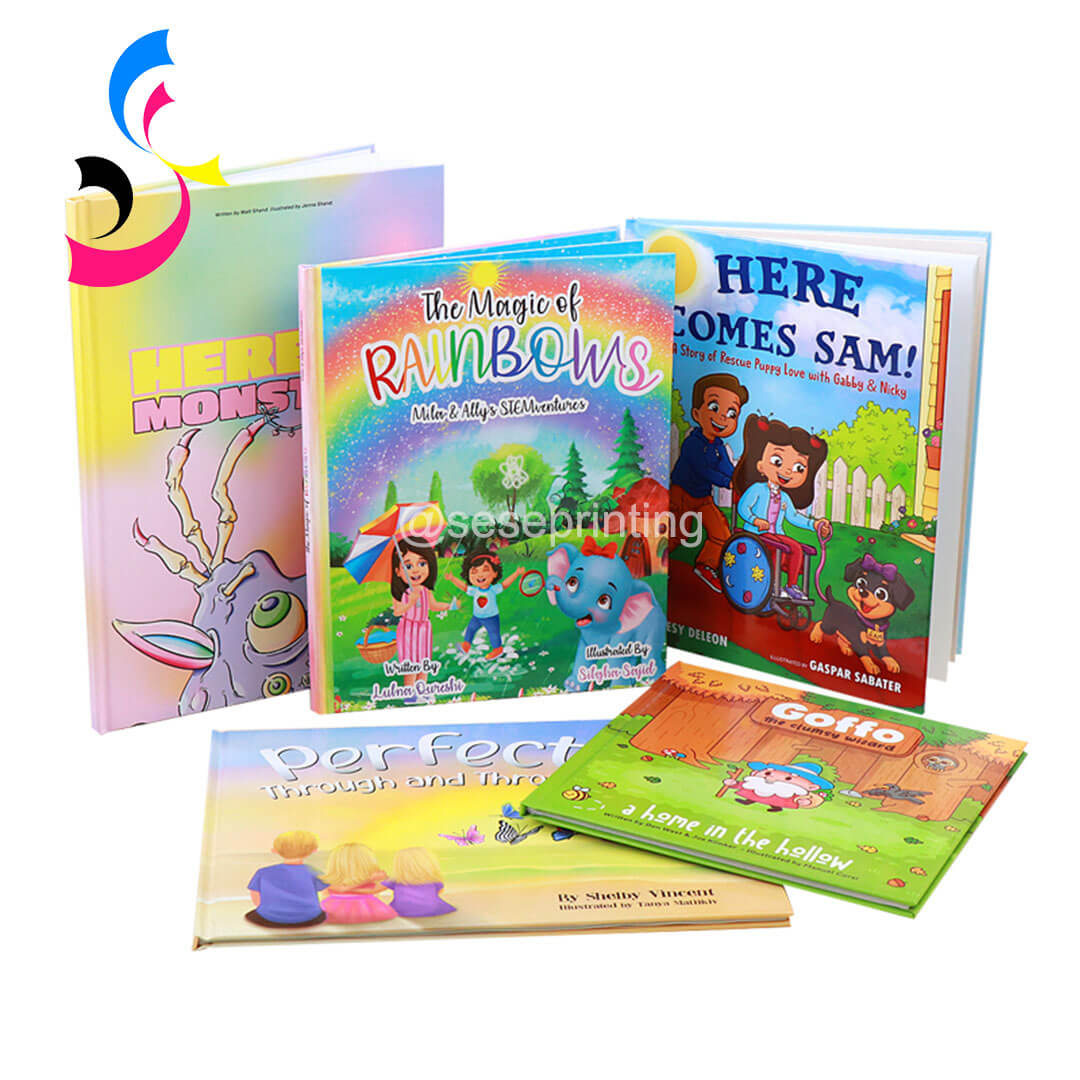
Hardcover Picture Books |
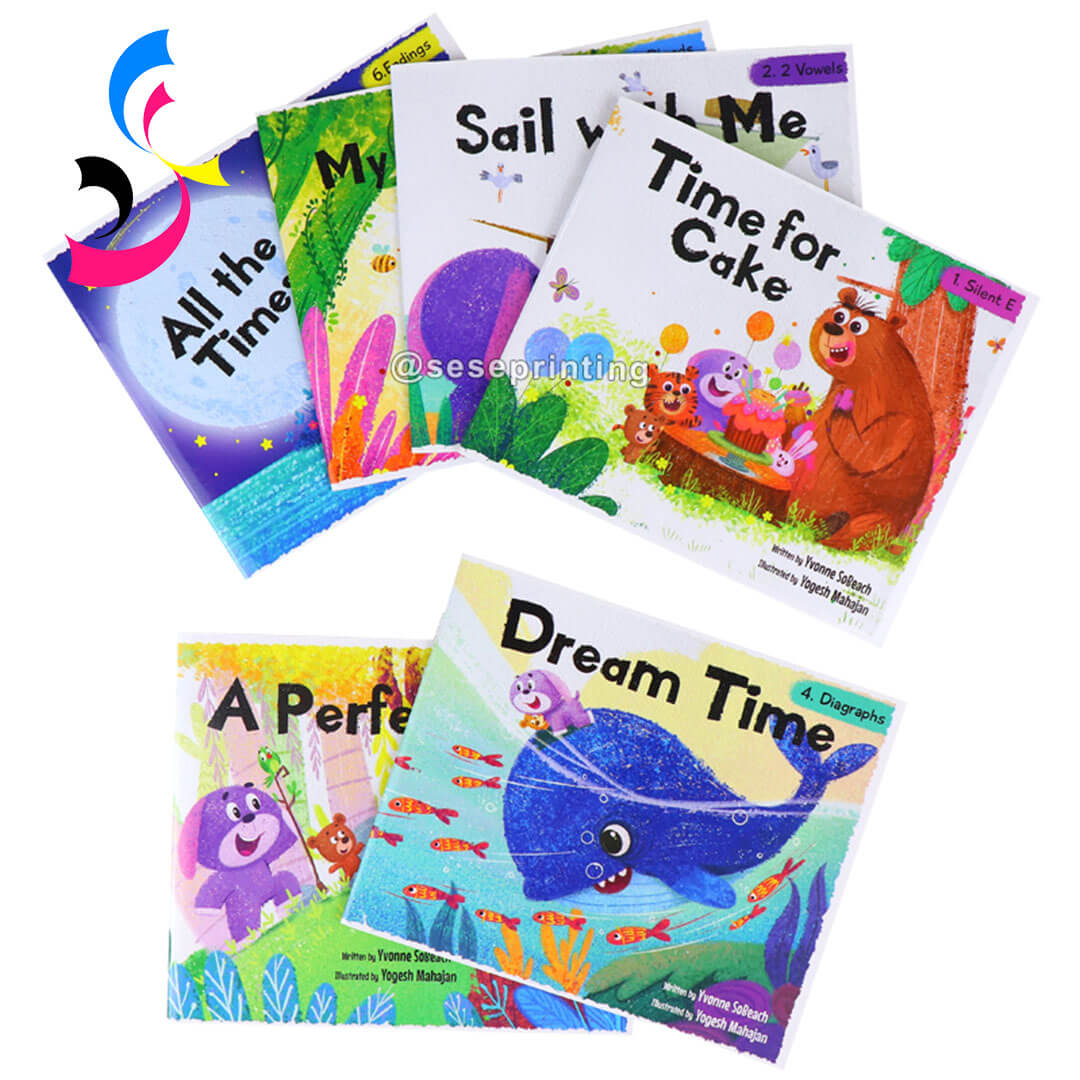
Paperback Books |
-
Board Books are ideal for babies and toddlers because thick pages are durable, easy to hold, and resistant to frequent handling. Rounded corners and sturdy construction also make them suitable for younger readers.
-
Hardcover Picture Books are popular for storybooks, educational titles, and gift editions. Their strong case binding protects the pages while giving the book a premium appearance that families often keep for years.
-
Paperback Books are a practical choice for classroom reading, activity books, and large distribution projects. They are lightweight, cost-effective, and easy to transport.
The ideal format depends on the intended audience, budget, and how the book will be used in everyday reading.
3. Safety First: Materials, Inks, and Binding Standards
Safety is one of the most important considerations when printing children's books. Young readers frequently touch, bend, and carry their books, making durable and reliable materials essential.
High-quality paper should provide sufficient strength while maintaining a smooth surface for vibrant illustrations. Paper selection should also consider the age group, page thickness, and intended frequency of use.
Printing inks should comply with the safety requirements of the target market. Working with experienced manufacturers that use certified materials helps ensure the finished books meet applicable quality and environmental standards.
Binding quality is equally important. Strong sewn or case-bound construction helps pages remain secure after repeated use, while careful finishing reduces the risk of damaged corners or loose pages.
By combining appropriate materials with strict quality control, publishers can produce children's books that are both safe and long-lasting.
4. Creating Engaging Full-Color Children's Books
Color is the heart of children's book illustration. A well-printed full-color book captivates young readers, supports storytelling, and creates a memorable visual experience.
Color Management for Illustrations
-
CMYK vs. RGB: All illustrations must be converted to CMYK (cyan, magenta, yellow, black) for printing. RGB colors from digital screens often appear duller in print—professional printers provide color proofing to ensure accuracy.
-
Spot Colors: For consistent branding (e.g., a specific shade of red used throughout), Pantone spot colors can be used alongside CMYK.
Paper Choice and Color Rendering
-
Glossy Paper: Enhances color saturation and sharpness, ideal for bright, vibrant illustrations.
-
Matte/Uncoated Paper: Produces softer, more natural tones, ideal for watercolor or pastel artwork.
-
Silk/Satin Paper: A mid-gloss option that balances vibrancy with reduced glare.
Design Tips for Full-Color Books
-
Spread Composition: Children's picture books are often designed as double-page spreads. Ensure illustrations flow seamlessly across the gutter (the center fold).
-
Text Legibility: Place text on lighter areas of the illustration or use text boxes with transparent backgrounds. Avoid placing text over complex, dark patterns.
-
Font Choices: Use clear, readable fonts (sans-serif for younger children, serif for older readers). Custom fonts should be embedded or converted to outlines to prevent substitution.
Proofing for Color Accuracy
Always order a physical color proof before full production. Digital proofs cannot accurately represent paper texture, coating gloss, or how colors interact under different lighting conditions.
Review the proof under natural daylight, warm indoor light, and cool LED light to ensure consistent appearance.
5. Customization Options for Self-Published Children's Books
One of the biggest advantages of custom children's book printing is the freedom to tailor the book to its story, illustrations, target age, and publishing goals. From the physical format to decorative finishing, each element can be customized to create a distinctive finished product.
-
Custom Sizes – Square, portrait, landscape, and other custom dimensions can be selected to complement different illustration styles and storytelling formats.
-
Custom Covers – Hardcover, paperback, and board covers can be combined with matte or gloss lamination, soft-touch finishes, or other protective treatments to achieve the desired appearance and durability.
-
Full-Color Interior Printing – High-quality full-color printing helps reproduce colorful illustrations, characters, and educational graphics with sharp details and consistent colors throughout the book.
-
Custom Paper Selection – Different paper weights, textures, and finishes can be selected according to the book format, artwork, reading experience, and intended age group.
-
Printed Endpapers – Custom-printed endpapers can extend the visual theme of the story and provide an additional design element at the beginning and end of a hardcover book.
-
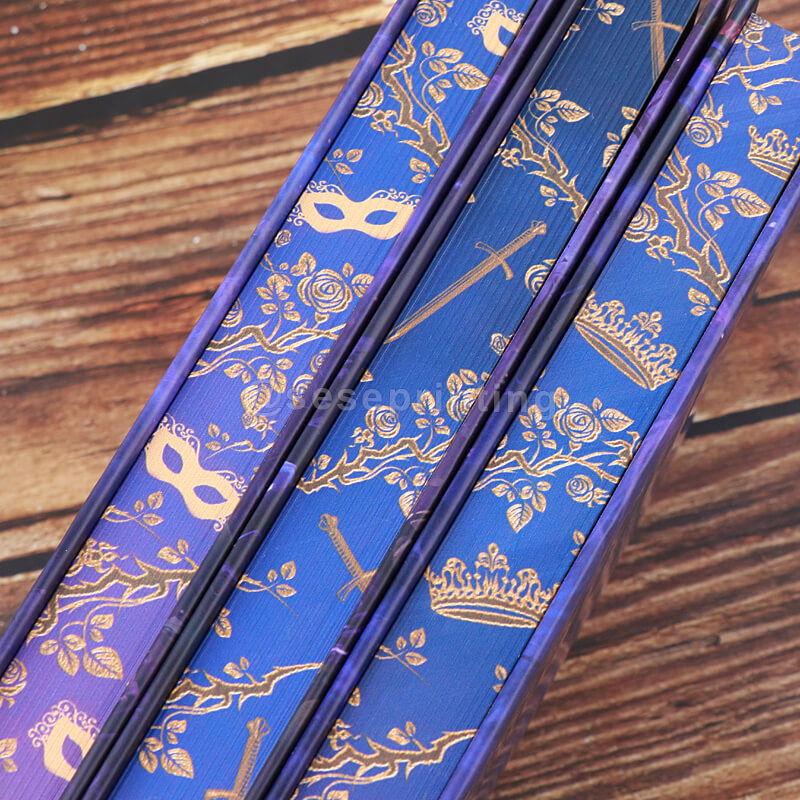
Special Finishes – Foil stamping, embossing, debossing, Spot UV, and die-cutting can add visual and tactile details to premium children's books and special editions.
-
Custom Binding – Case binding, sewn binding, board book binding, and other options can be selected according to the book's intended use, durability requirements, and budget.
-
Custom Packaging – Slipcases, rigid boxes, belly bands, and other packaging solutions can turn a children's book into a premium gift set or collector's edition.
By combining these options, self-published authors can create custom children's books that are visually engaging, durable, and closely aligned with their original creative vision.
6. Making Children's Books More Interactive
Interactive elements can turn a children's book from a simple reading product into an engaging hands-on experience. By combining thoughtful storytelling with customized printing techniques, authors can encourage children to explore, touch, discover, and participate throughout the book.
|
|
|
|
Die-Cut Pages |
Lift-the-Flap Designs |
Pop-Up Elements |
|
|
|
|
Touch-and-Feel Features |
Puzzles Activity Elements |
Special Shapes |
-
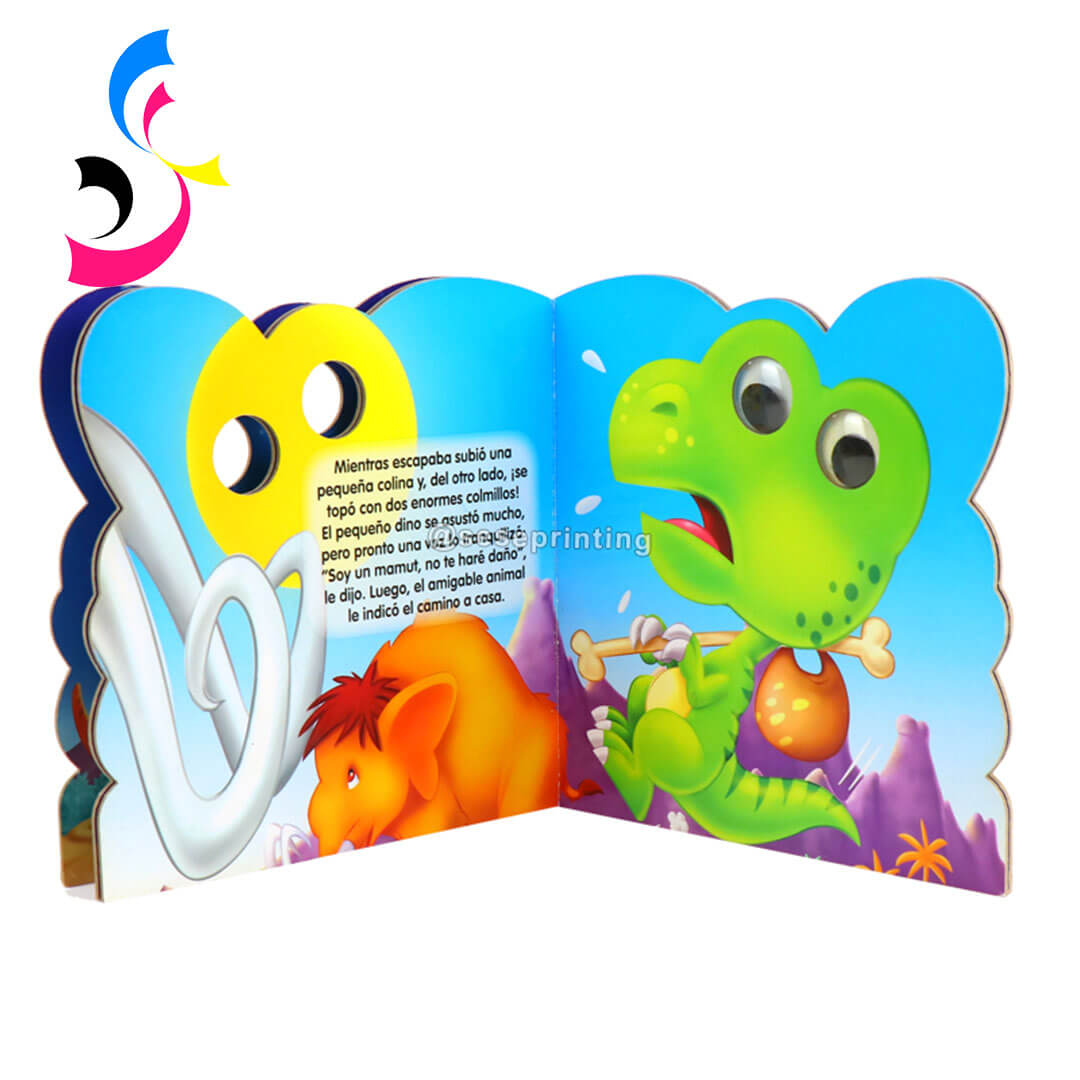
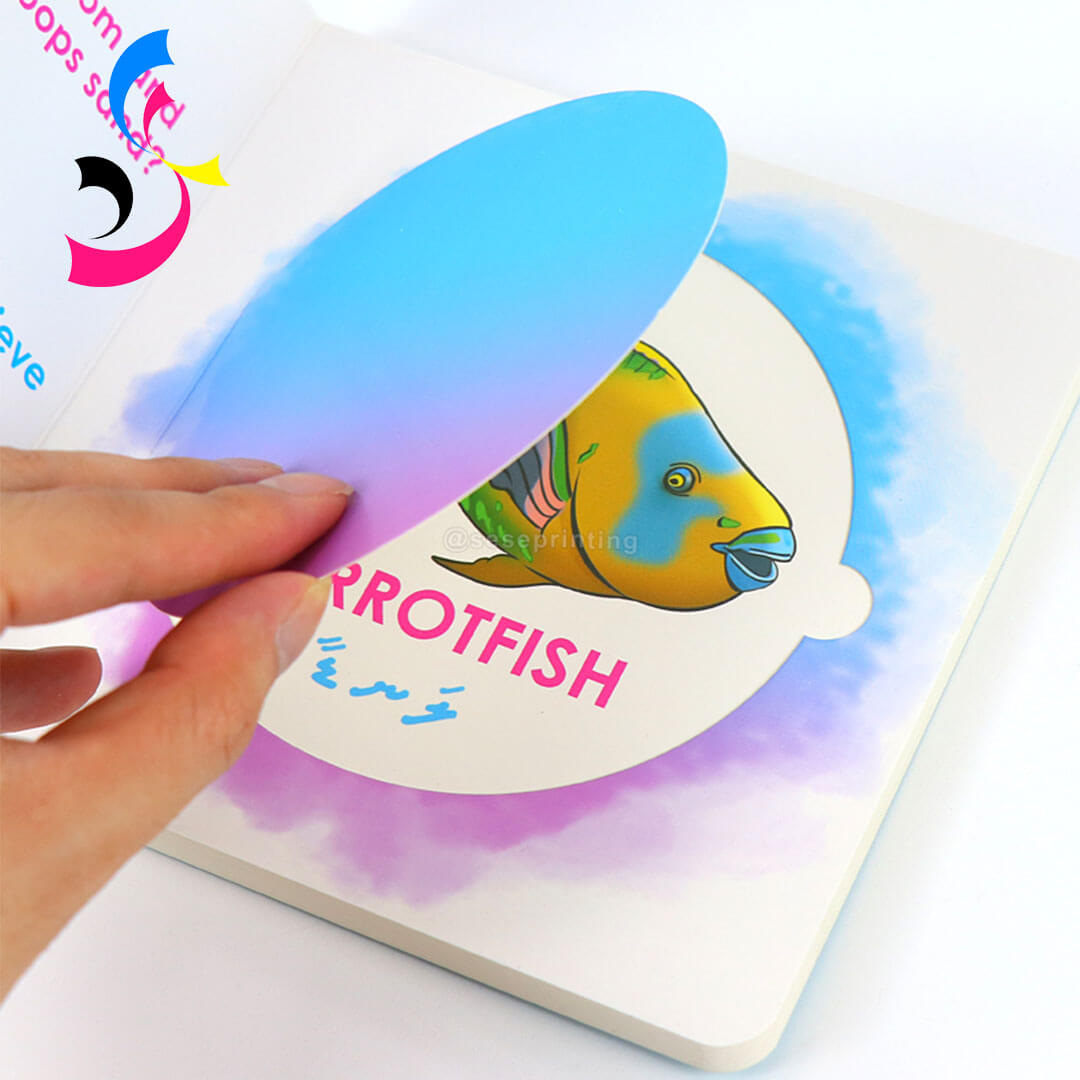
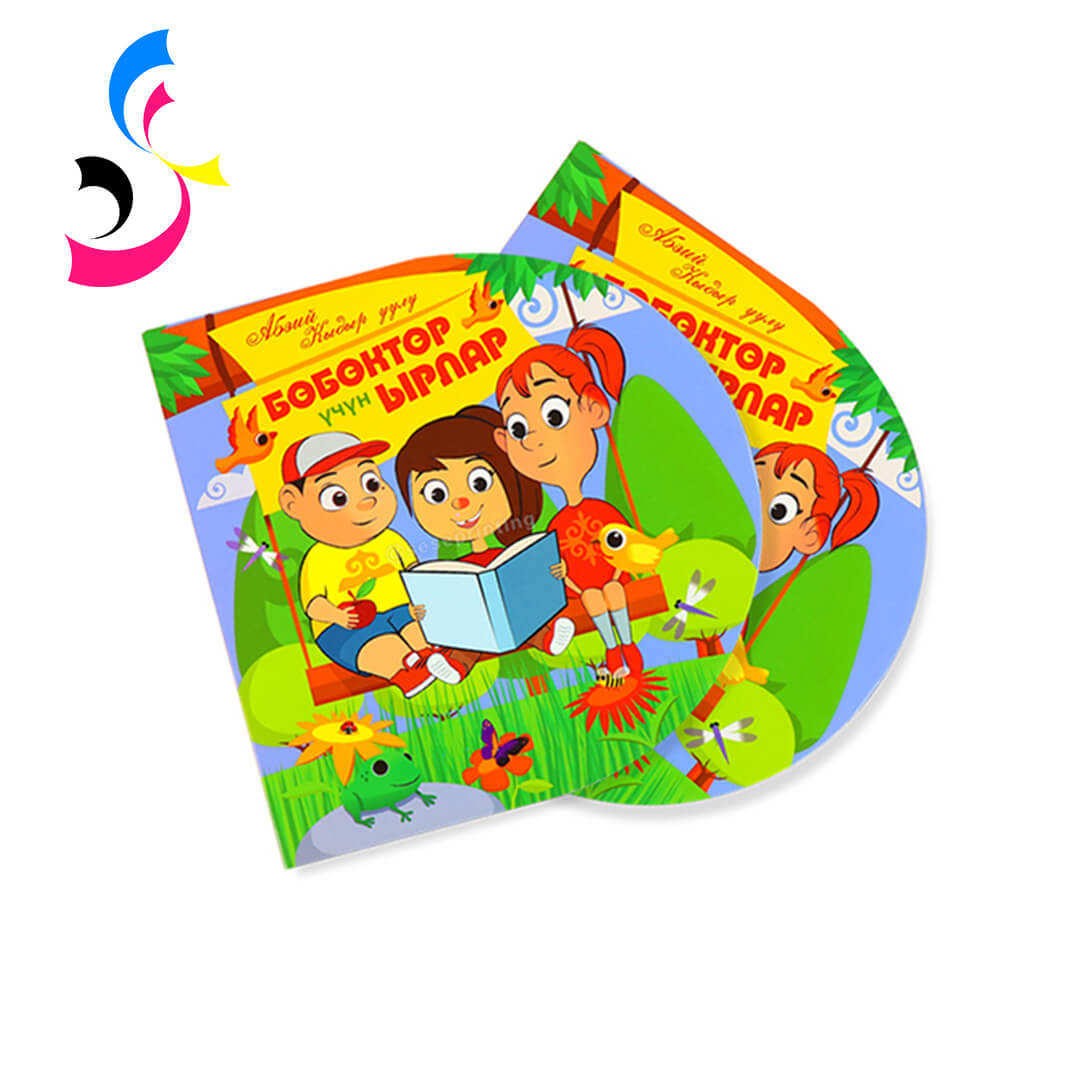
Die-Cut Pages – Custom-shaped pages, windows, and cut-out elements can reveal hidden illustrations or create visual connections between different pages.
-
Lift-the-Flap Designs – Flaps can hide characters, objects, or answers, encouraging young readers to interact with the story and discover what comes next.
-
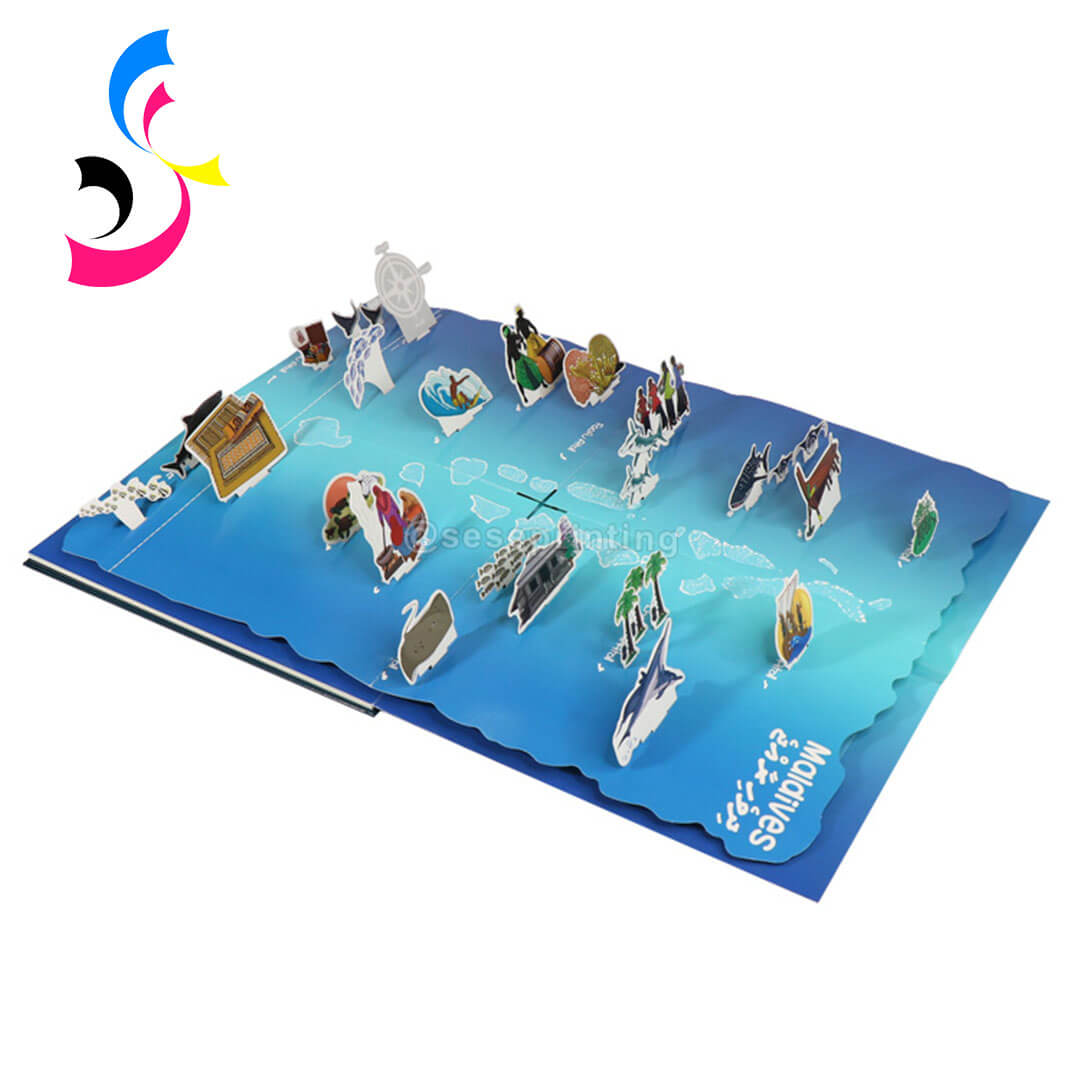
Fold-Out Pages – Fold-out sections provide additional space for large illustrations, maps, panoramic scenes, or educational content without increasing the standard page count.
-
Pop-Up Elements – Carefully designed pop-up structures can add depth and movement to story scenes, creating a more memorable experience for readers.
-
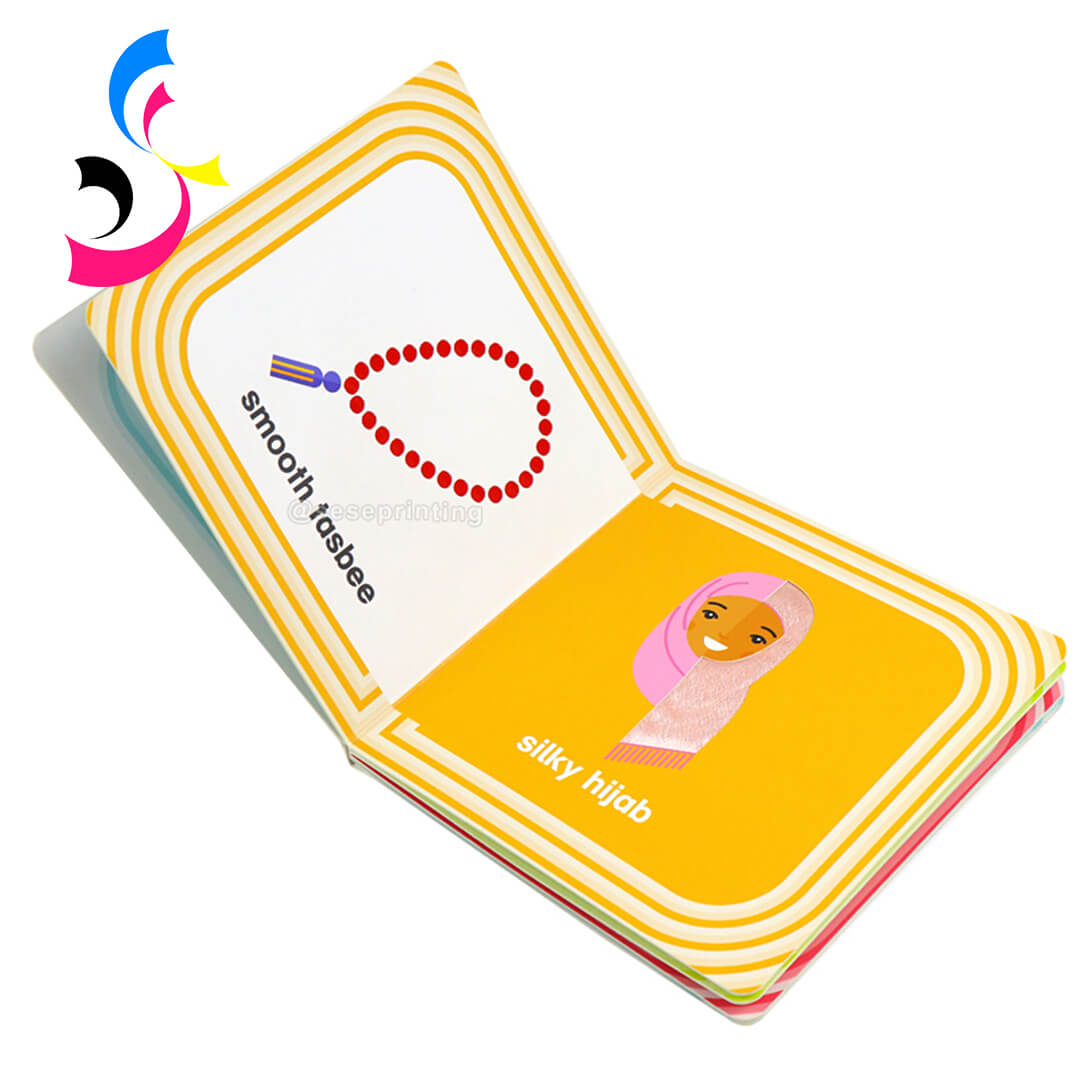
Touch-and-Feel Features – Textured or tactile elements can introduce different surfaces and sensations, making books more engaging for younger children when designed with appropriate materials and safety considerations.
-
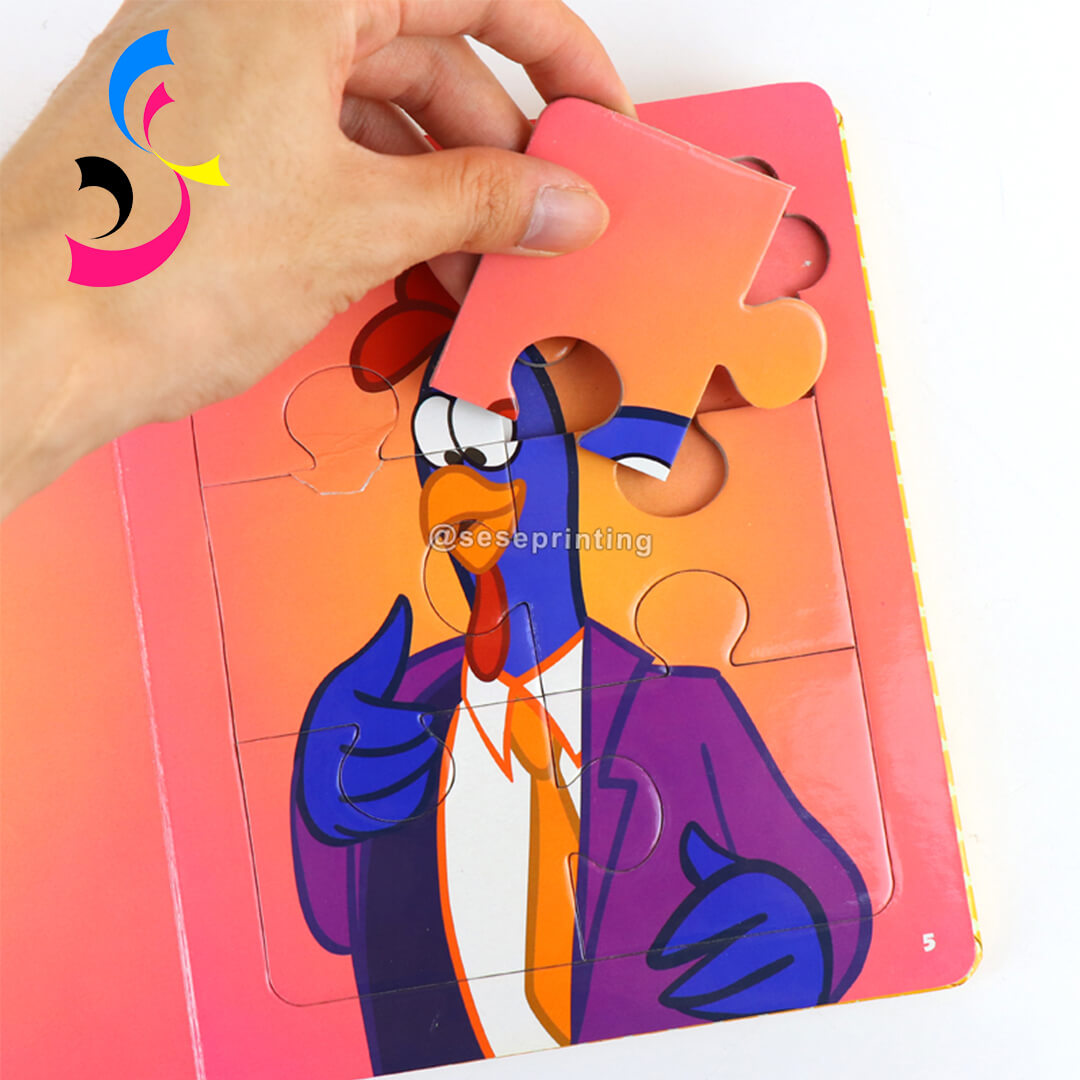
Activity Elements – Custom activity pages can incorporate puzzles, matching games, drawing areas, or simple educational exercises to encourage active participation.
-
Special Shapes and Formats – Unusual book shapes, rounded corners, or custom page structures can make the physical book itself part of the storytelling experience.
When selecting interactive features, age suitability, durability, production complexity, and applicable safety requirements should be considered from the beginning. With professional custom printing, interactive elements can be integrated into the overall book design while maintaining a practical and attractive finished product.
7. Custom Printing Ideas for Different Children's Book Genres
Different genres benefit from different printing approaches, allowing each book to better serve its audience.
-
Picture Books often feature large illustrations, premium hardcover binding, and full-color printing that showcases artistic detail.
-
Educational Books benefit from durable paper, clear typography, and vibrant diagrams that make learning easier and more enjoyable.
-
Activity Books require practical layouts with appropriate paper for writing, drawing, or coloring, while maintaining strong binding for frequent use.
-
Bedtime Story Books commonly use soft color palettes, elegant hardcover construction, and gentle finishes that create a warm, comforting reading experience.
-
Personalized Children's Books can include customized names, family members, or special messages, creating meaningful gifts that children treasure for years.
8. From Manuscript to Finished Children's Book: The Custom Printing Process
Understanding the production process helps authors plan effectively and avoid surprises. Here is a step-by-step overview.
Step 1: Manuscript and Illustration Preparation
-
Finalize the text, illustrations, and layout.
-
Create a digital mockup or dummy book to visualize page flow and spreads.
Step 2: File Preparation
-
Prepare print-ready PDF files with proper bleed (3mm), trim marks, and color settings (CMYK).
-
Separate files for special effects: foil layer, embossing layer, die-cut layer, etc.
Step 3: Material Selection
-
Choose paper stock, board thickness, cover material, and any specialty substrates.
-
Select ink types, coatings, and laminates.
Step 4: Proofing and Prototyping
-
The printer produces a physical proof or dummy sample.
-
Review all elements: color accuracy, binding strength, interactive mechanics, and overall feel.
-
Make revisions as needed.
Step 5: Printing and Production
-
Digital Printing: Ideal for short runs (50–500 copies), with quick turnaround and variable data capability.
-
Offset Printing: More cost-effective for larger runs (1,000+ copies), with superior color consistency.
Step 6: Finishing and Binding
-
Apply laminations, foils, embossing, and coatings.
-
Bind according to format (case-binding, perfect binding, lay-flat binding).
-
Add interactive elements (flaps, pop-ups, sound modules).
Step 7: Quality Control and Packaging
-
Each copy undergoes visual and physical inspection.
-
Books are packed in custom-printed boxes, shrink-wrapped, and labeled for retail or direct shipping.
9. Common Challenges in Self-Published Children's Book Printing
Self-publishing a children's book involves more than just writing and illustrating—the printing process presents unique obstacles that can affect quality, cost, and timeline. Understanding these common challenges helps authors prepare effectively and avoid costly mistakes.
Color Inconsistency Between Screen and Print
Illustrations that look vibrant on a computer monitor may appear dull, too dark, or incorrectly tinted when printed. This happens because screens use RGB color space while commercial printing uses CMYK. Without proper color management and physical proofing, final results can be disappointing.
Insufficient Bleed and Trim Margins
Images, backgrounds, or design elements that extend to the edge of the page require extra bleed area (typically 3mm) beyond the final trim line. Insufficient bleed can result in white borders or critical content being cut off during trimming, ruining the visual impact of spreads.
Binding Weakness and Page Detachment
Children's books, especially board books and heavily used picture books, undergo significant physical stress. Weak adhesive binding or poor spine construction can cause pages to fall out, making the book unsafe and unusable for young children.
Unsafe Materials and Non-Compliant Inks
Some inks, coatings, or adhesives contain harmful chemicals such as lead, phthalates, or volatile organic compounds (VOCs). Books that do not meet safety standards like ASTM F963, EN 71, or CPSIA cannot be legally sold in many markets and pose health risks to children.
Interactive Element Failures
Flaps that tear easily, pop-ups that do not fold correctly, sound modules that malfunction, or textured patches that peel off can render interactive features ineffective or hazardous. These failures often result from insufficient testing or using inappropriate materials for the intended age group.
Unexpected Cost Overruns
Complex finishes, custom dies for die-cutting, hand-assembly for pop-ups, and specialized materials can significantly increase per-unit costs. Authors may underestimate the expense of interactive features, leading to budgets that do not cover the desired production quality.
Longer Than Anticipated Production Timelines
Custom children's books with specialty finishes, interactive elements, or complex binding often require longer production lead times than standard books. Authors who fail to account for prototyping, testing, and shipping may miss critical launch dates or seasonal sales windows.
Difficulty Finding Printers with Relevant Expertise
Not all commercial printers have experience with children's books. Many general printers lack the specialized equipment, material knowledge, or safety compliance protocols required for board books, pop-ups, or interactive novelty books.
Inadequate Prototyping and Proofing
Relying solely on digital PDF proofs without ordering physical samples can lead to unpleasant surprises. Physical proofs are essential for verifying color accuracy, tactile finishes, binding strength, and interactive functionality—all of which cannot be assessed from a screen.
Regulatory Compliance Complexities
Navigating international safety standards, labeling requirements, and documentation can be overwhelming for first-time self-publishers. Failure to provide compliance certificates may result in customs delays, retailer rejection, or even product recalls.
Paper and Material Sourcing Issues
Specialty papers, FSC-certified boards, or custom laminates may have longer lead times or minimum order quantities that exceed the author's needs. Supply chain disruptions can also delay production unexpectedly.
Poor Communication with the Printer
Misunderstandings about specifications, file formats, or finishing expectations can lead to errors that are expensive or impossible to correct after printing. Clear, documented communication is essential throughout the entire production process.
By anticipating these challenges and working with an experienced children's book printing partner, self-published authors can navigate potential pitfalls and produce beautiful, safe, and durable books that delight young readers.
10. How to Choose a Children's Book Printing Partner
Choosing the right printing partner is just as important as writing the story itself. An experienced manufacturer should understand children's publishing requirements while offering flexible customization and reliable production support.
Look for a company that provides multiple book formats, various binding methods, premium finishing options, and professional prepress services. Consistent quality control, clear communication, and dependable production schedules are equally important when managing publishing projects.
SESE Printing specializes in custom children's book printing for authors, publishers, educational organizations, and brands. With more than 10 years of printing experience, the company offers a wide range of solutions, including board books, hardcover picture books, educational books, and premium special editions.
SESE Printing supports extensive customization, from book sizes and paper stocks to full-color printing, foil stamping, embossing, Spot UV, die-cutting, and custom packaging. Every project is managed with strict quality control to ensure accurate color reproduction, durable binding, and professional finishing.
Whether you are printing your first children's picture book or launching an entire publishing series, we provide comprehensive manufacturing solutions that help bring creative ideas to life with exceptional quality.
Conclusion
Self-publishing has made it easier than ever for authors to share meaningful stories with young readers, but producing a successful children's book requires careful attention to printing quality, safety, durability, and visual presentation.
From selecting the right format and child-friendly materials to creating vibrant illustrations and interactive features, every production decision contributes to the overall reading experience. Professional custom printing not only enhances the appearance of a book but also increases its value, longevity, and appeal in a competitive market.
By partnering with an experienced manufacturer such as SESE Printing, self-published authors can confidently create children's books that are safe, engaging, beautifully produced, and ready to inspire the next generation of readers.
 RGB vs CMYK for Book Printing
 You May Also Like


 Tel
Tel
 Email
Email
 Address
702 No. 21 Huizhong Road, Shiqiao St, Panyu District. Guangzhou city, Guangdong Province. China

Joy
 Whatsapp