



 Home
HomeHow to Choose Paper for Novel Printing: Weight, Color and Opacity?
 Aug 06,2026

 SESE
SESE
How to Choose Paper for Novel Printing: Weight, Color and Opacity?
Choosing the right paper is one of the most important decisions in novel printing. While cover design, binding, and finishing often receive more attention, the interior paper directly affects how readers experience the book. Paper influences the thickness, weight, readability, durability, and overall quality of a printed novel.
For authors, publishers, and self-publishers, paper selection should not be based only on price. A good paper choice can make a novel feel comfortable to read, professional in appearance, and suitable for its target market. Whether you are printing a paperback novel, hardcover fiction book, romance fantasy edition, collector’s edition, or special edition book set, understanding paper weight, color, opacity, texture, and binding compatibility can help you create a better final product.
1. Choose the Right Paper Weight for Your Novel
Paper weight is usually measured in gsm, which means grams per square meter. In novel printing, common interior paper weights include 70gsm, 80gsm, 90gsm, 100gsm, and sometimes 120gsm for premium editions.
For standard novels, 70gsm or 80gsm paper is often a practical choice. It keeps the book lightweight, easy to hold, and cost-effective, especially for books with a high page count. This is a common option for paperback fiction, romance novels, fantasy novels, and general text-only books.
For higher-quality novels, 90gsm paper offers a better balance between thickness, opacity, and reading comfort. It feels more substantial than lightweight paper while still keeping the book manageable.
For premium hardcover novels, collector editions, illustrated fiction, or special edition books, 100gsm or 120gsm paper can create a more luxurious feel. However, thicker paper also increases the spine width and overall book weight, so it should be selected carefully based on page count and binding style.
For example, a 250-page hardcover novel may look excellent with 100gsm paper, while a 600-page fantasy novel may become too bulky if the paper is too thick. The best choice depends on the book size, page count, format, and target reader experience.
2. Select the Best Paper Color: White, Natural White, or Cream
Paper color plays a major role in the reading atmosphere of a novel. The most common paper color options for novel printing are white, natural white, and cream.
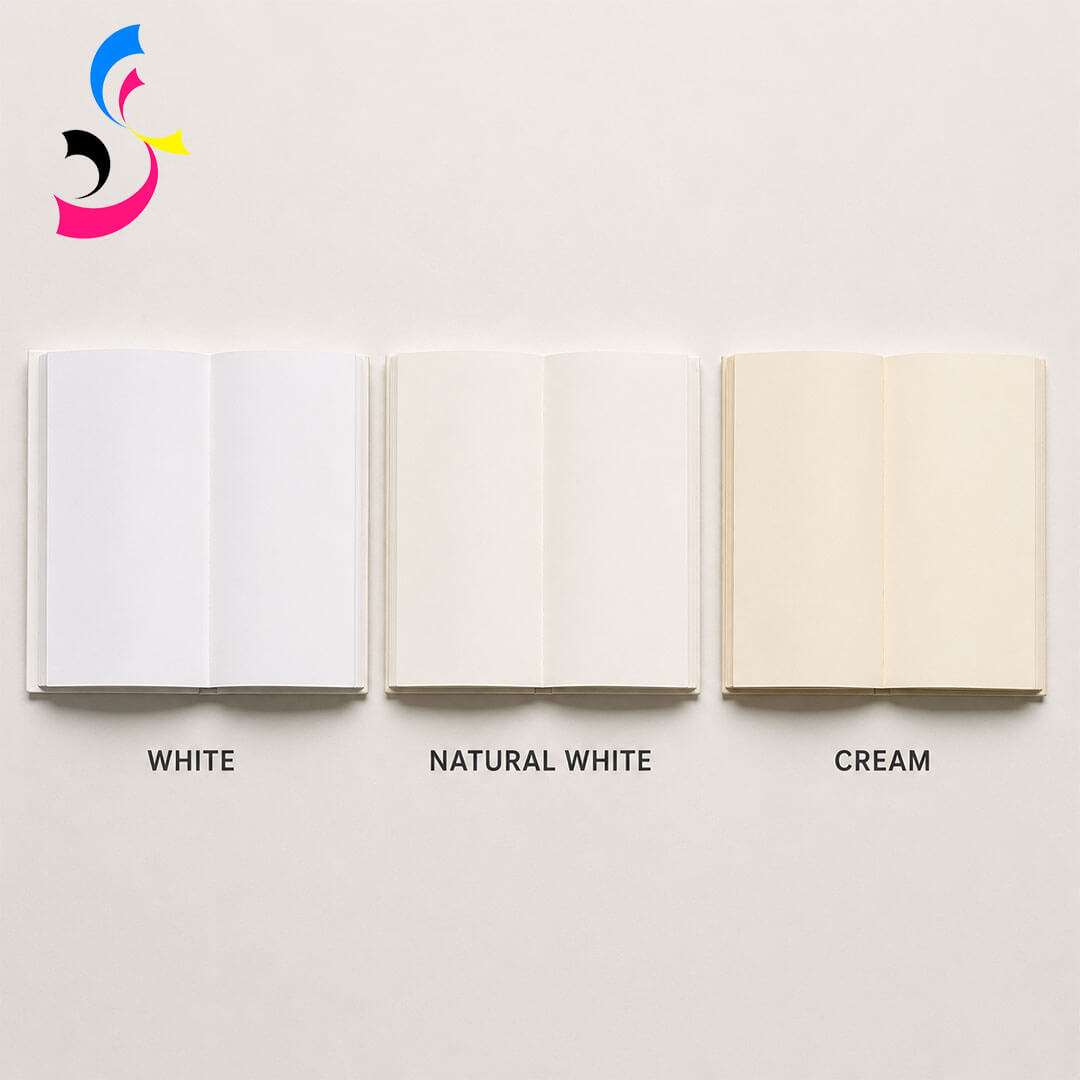
White paper has a bright, clean, and modern appearance. It is often used for books that require strong contrast, such as young adult fiction, contemporary novels, workbooks, books with black-and-white illustrations, or books with charts and visual elements. White paper makes text look sharp, but for long reading sessions, it may feel brighter to the eyes.
Natural white paper is softer than bright white and gives a more balanced appearance. It is suitable for many types of novels and provides a clean but less harsh reading experience. Natural white is a good option when authors want a professional interior without the strong brightness of pure white paper.
Cream paper is one of the most popular choices for fiction novels. It has a warm and classic look, making it especially suitable for romance, fantasy, historical fiction, literary fiction, and traditional novels. Cream paper is comfortable for long reading and gives the book a softer, more elegant feel.
When choosing paper color, consider the genre and design style of the book. A modern thriller may look better on white or natural white paper, while a romantic fantasy novel or historical fiction book may feel more suitable with cream paper.
3. Pay Attention to Paper Opacity
Opacity refers to how well the paper prevents text or images from showing through from the other side. For novel printing, opacity is extremely important because most novels are text-heavy and printed on both sides of the page.
If the paper opacity is too low, readers may see shadows of the text from the reverse side. This can make the reading experience uncomfortable and make the book look less professional. Higher-opacity paper helps the printed text appear cleaner and sharper.
Opacity is affected by paper weight, paper type, color, and material. A thicker paper usually has better opacity, but some lightweight papers are specially made to provide good opacity while keeping the book slim and light.
For novels with dense text, dark ink, decorative pages, or black-and-white illustrations, high-opacity paper is highly recommended. For books with black pages and white text, paper opacity becomes even more important because the ink coverage is much heavier than standard text printing.
4. Consider Paper Texture and Finish
Most novels use uncoated paper for the interior pages. Uncoated paper has a natural surface, reduces glare, and provides a comfortable reading experience. It is ideal for text-heavy books because it allows readers to focus on the story without reflection from the page surface.
|
|
|
|
Smooth Uncoated Paper |
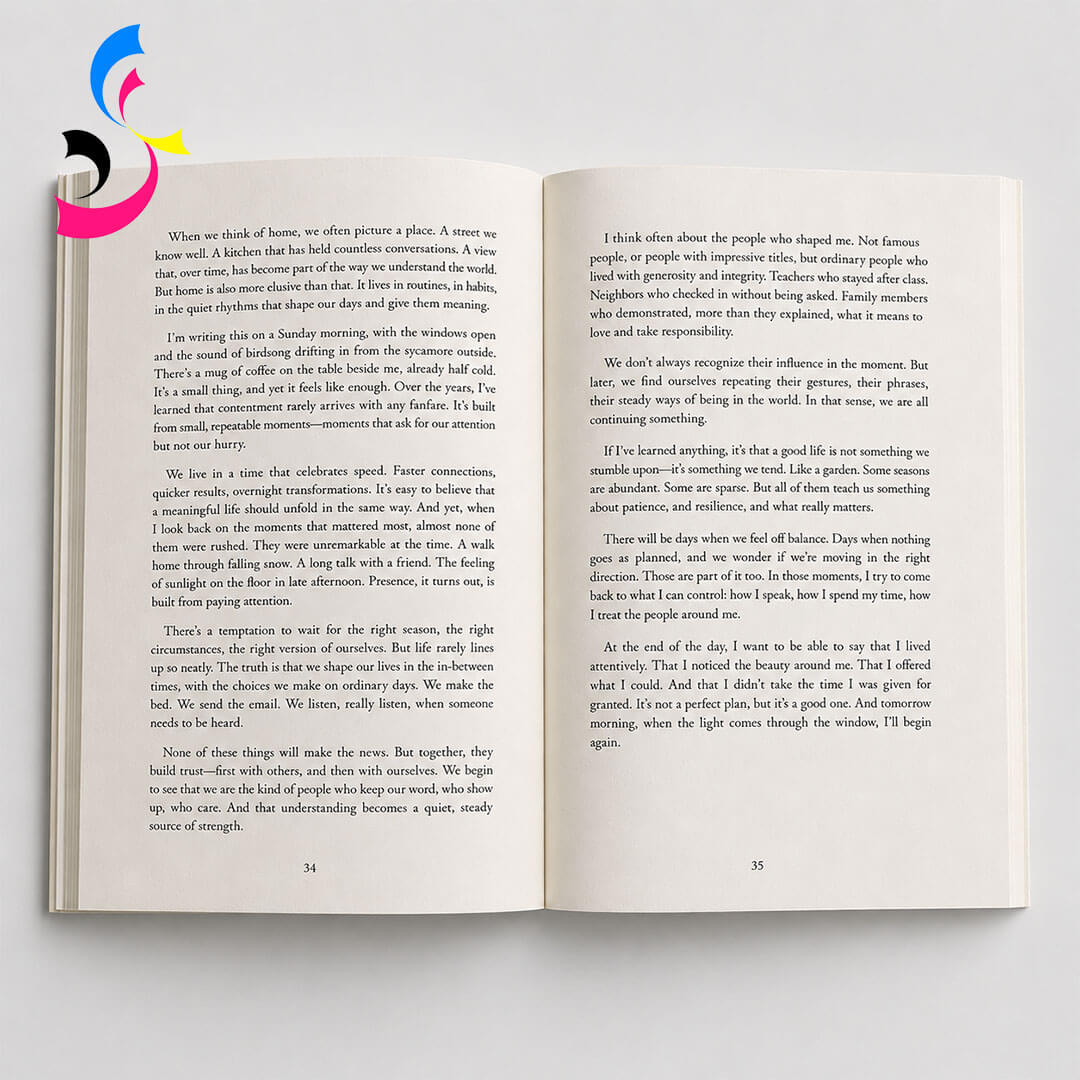
Slightly Textured Paper |
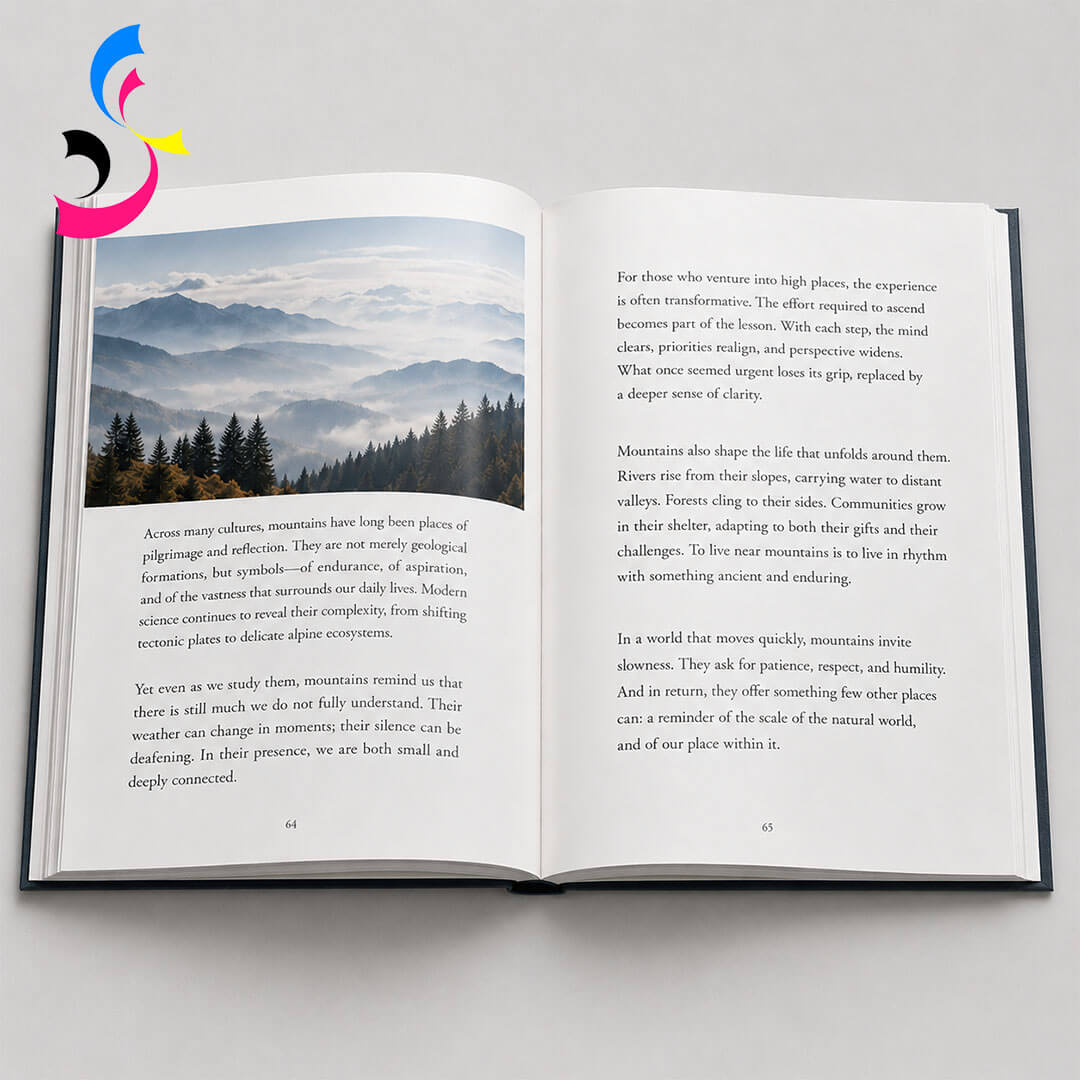
Coated Paper |
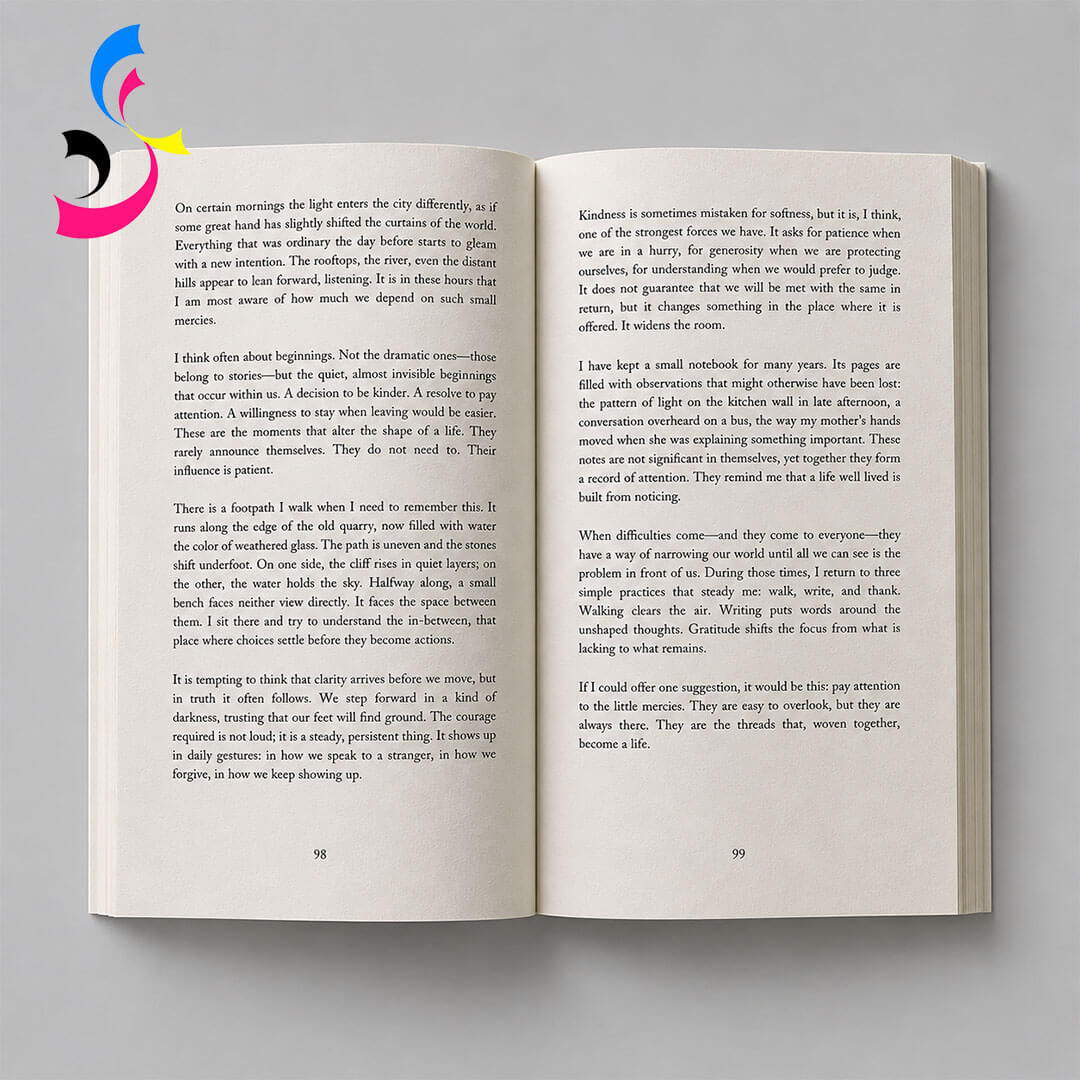
Smooth uncoated paper gives the book a clean and refined look. It is suitable for modern fiction, premium paperbacks, hardcover novels, and books with simple text layouts.
Slightly textured paper can create a more classic, artistic, or handmade feel. This type of paper may be suitable for poetry books, literary fiction, fantasy novels, or collector editions where the paper itself is part of the design experience.
Coated paper is usually not recommended for standard novels because it reflects more light and may feel less comfortable for long reading. However, coated paper can be used for books with full-color images, photo sections, art pages, or special inserts.
The paper finish should match the purpose of the book. For most novels, matte and uncoated paper is the best choice. For special editions, paper texture can be coordinated with other custom features such as foil stamping, sprayed edges, printed endpapers, ribbon markers, dust jackets, and slipcases.
5. Match Paper Choice with Binding and Book Format
Paper should be selected together with the binding method and book format. A paper stock that works well for a paperback may not be the best choice for a hardcover book, and a thick paper may not be suitable for every binding style.
|
|
|
|
|
Paperback Novels |
Hardcover Novels |
Spiral Bound Books |
Special Edition Books |
-
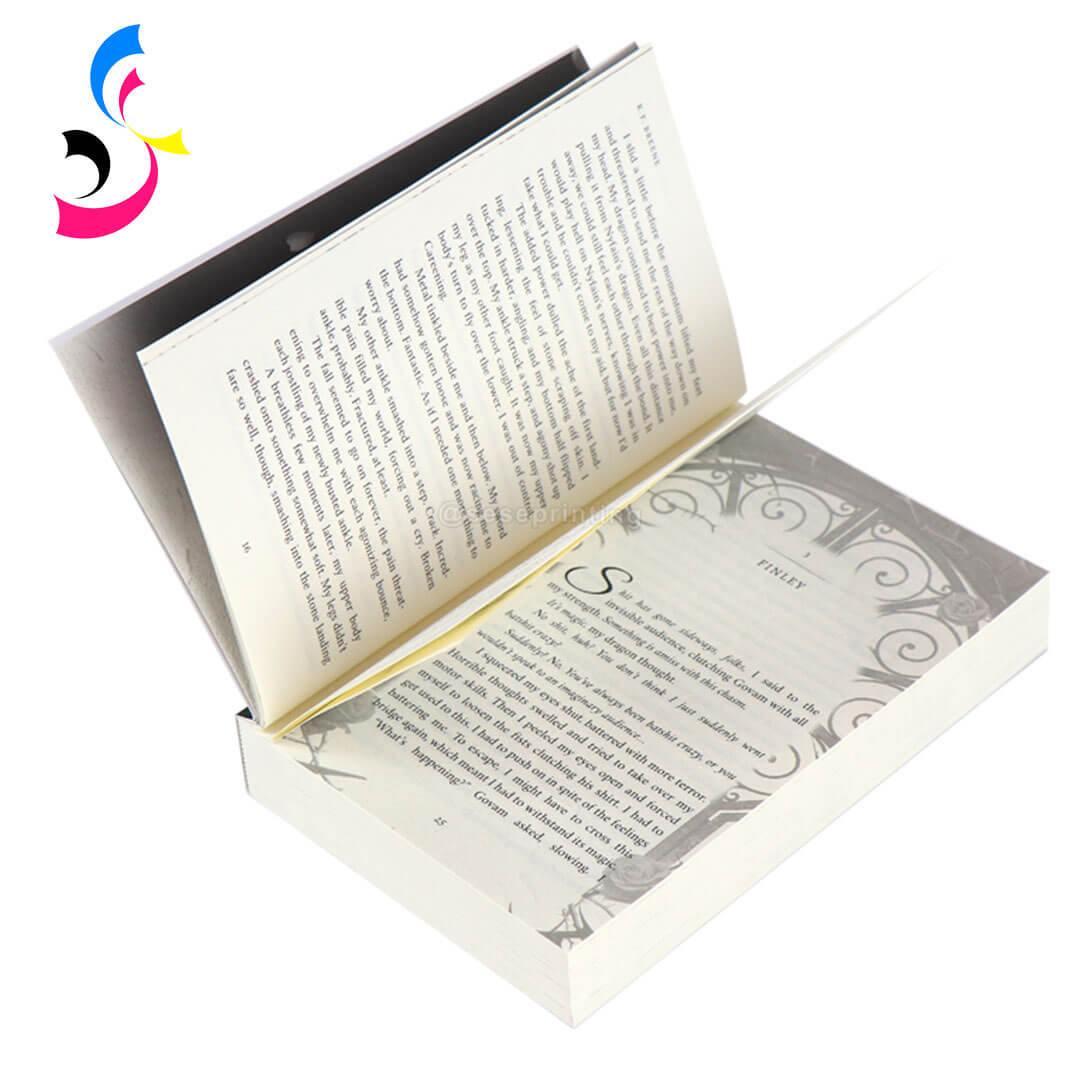
For paperback novels, the paper should be flexible enough to allow the book to open comfortably. Lightweight or medium-weight offset paper is often used because it keeps the book easy to handle and cost-effective.
-
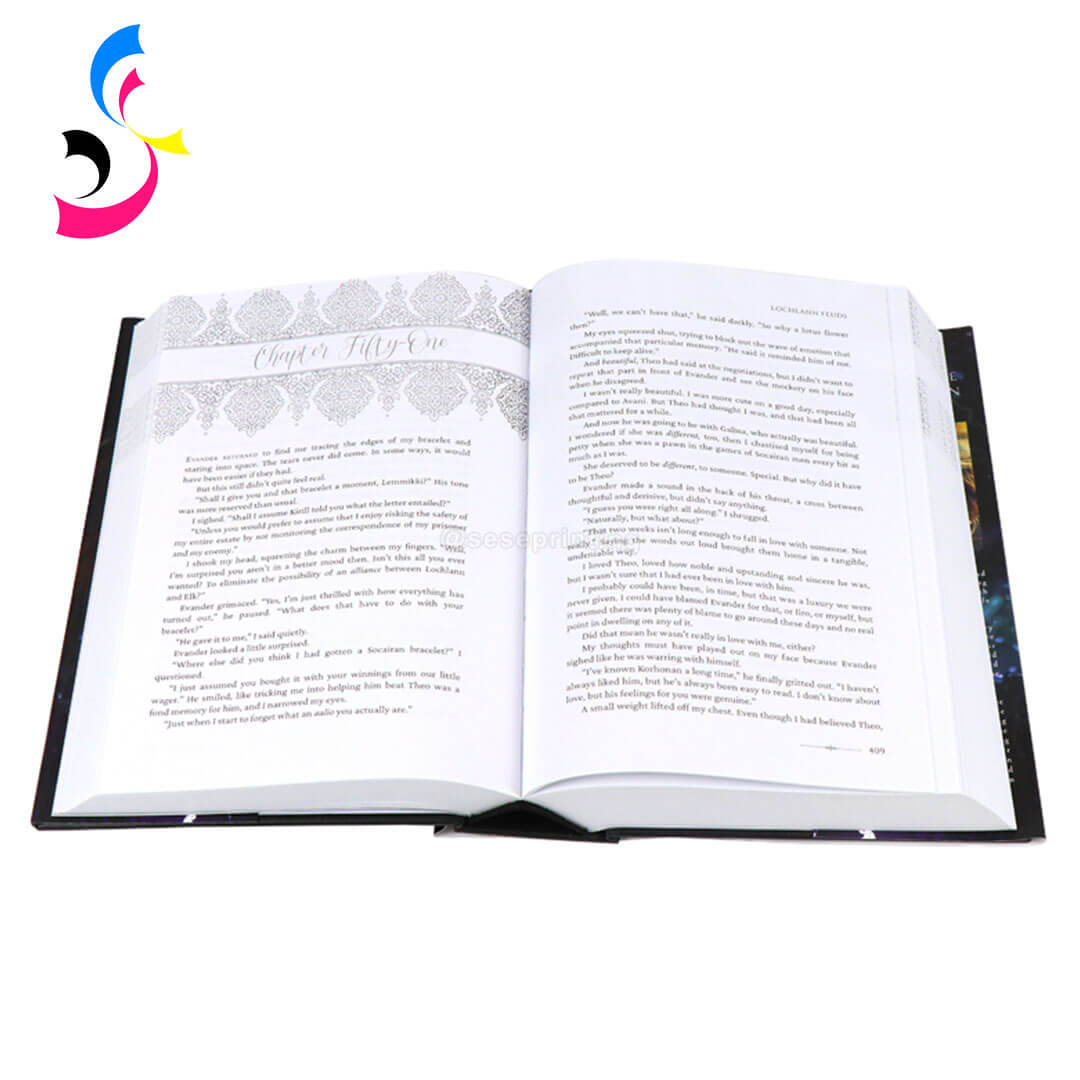
For hardcover novels, the paper can be slightly thicker to match the stronger cover structure. A hardcover book often feels more premium, so 90gsm or 100gsm paper may be a good option, depending on the page count.
-
For sewn binding, the paper should have enough strength and flexibility to handle folding and long-term use. Sewn binding is often used for high-quality hardcovers, collector editions, and books designed for durability.
-
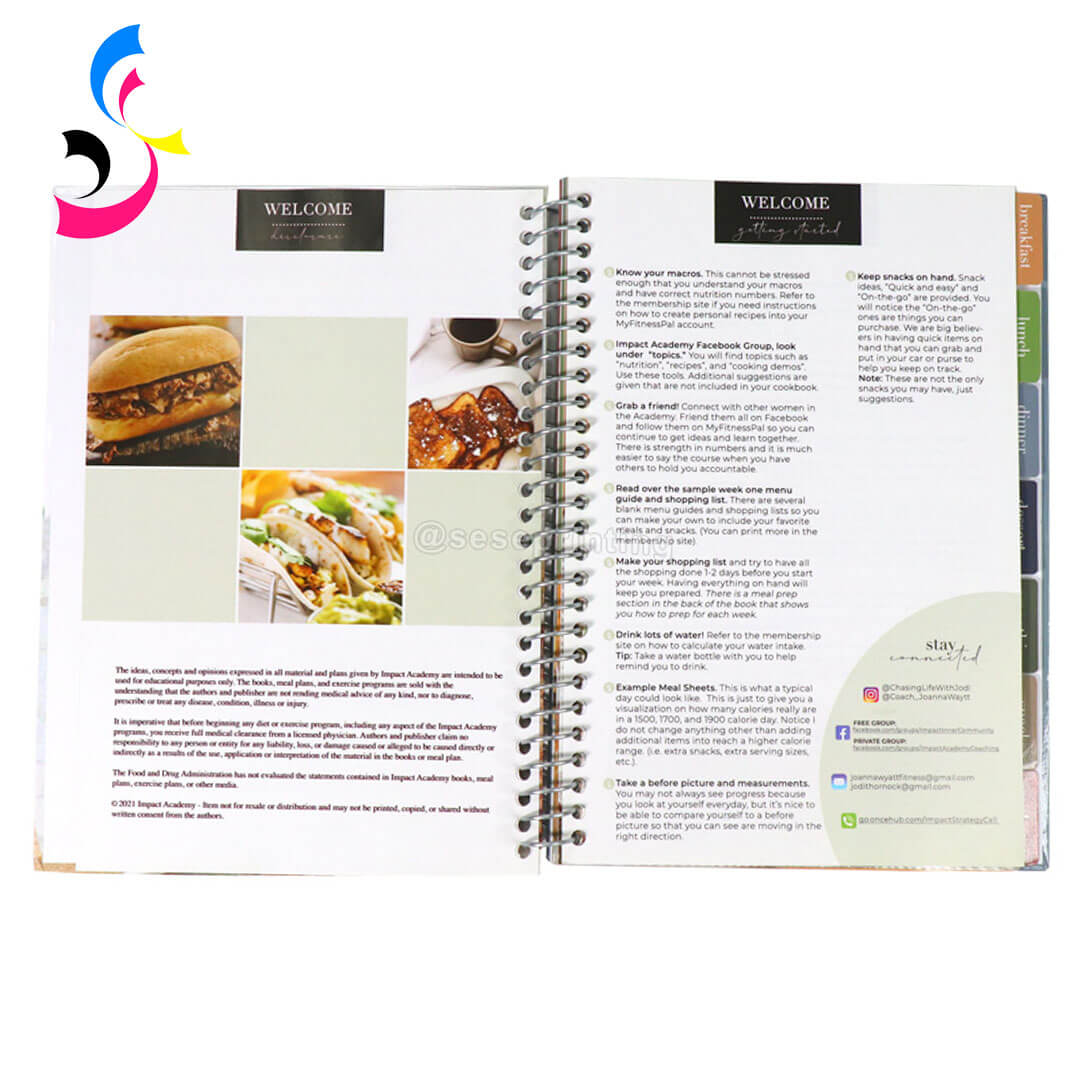
For spiral bound books, paper choice should focus on durability, thickness, and smooth page turning. Since spiral binding allows pages to lay flat or fold back completely, it is often used for workbooks, journals, planners, notebooks, study guides, and interactive fiction-related materials. Medium to heavier paper, such as 100gsm, 120gsm, or higher, is often recommended to prevent tearing around the punched holes and to create a stronger writing or reading experience.
-
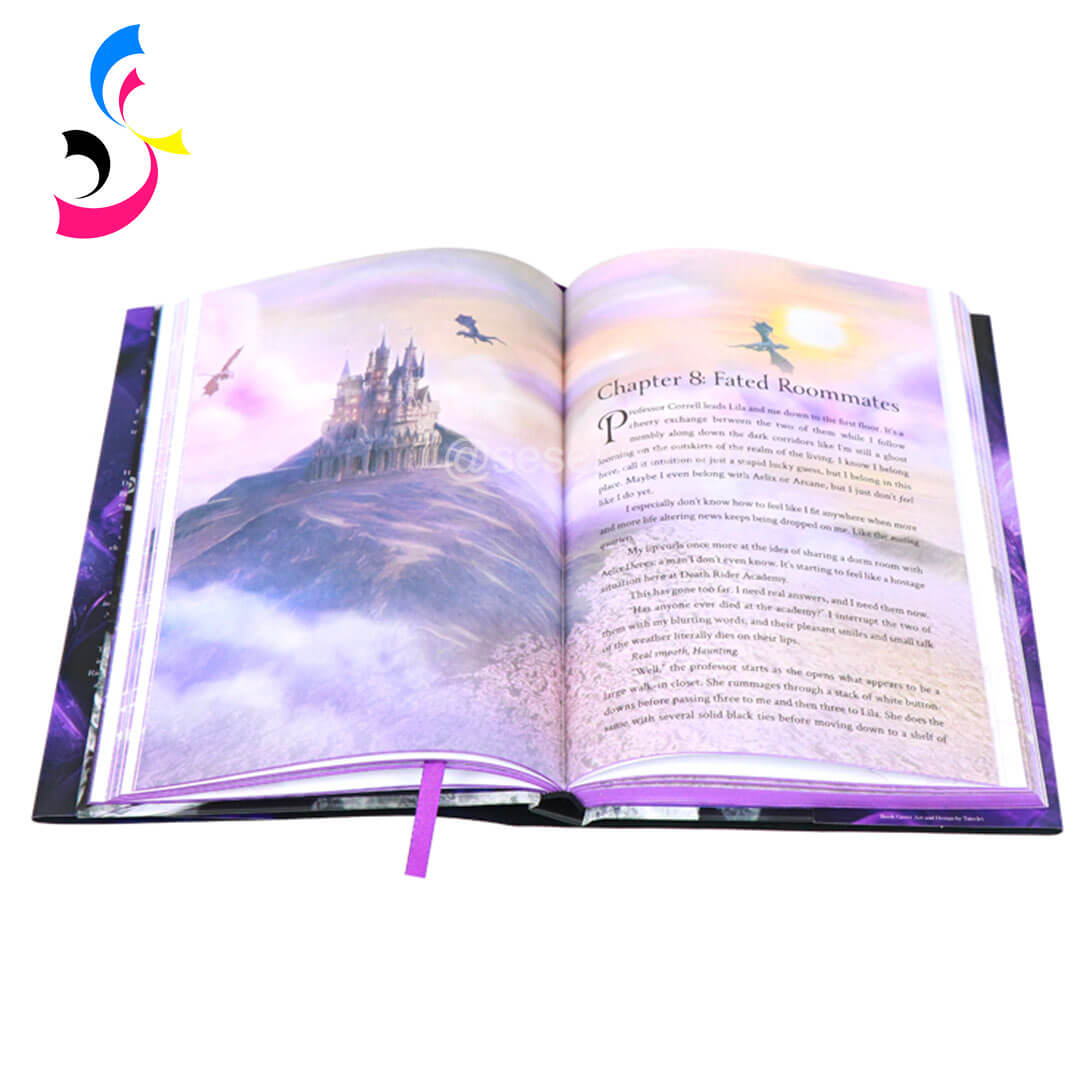
For special edition books with sprayed edges or stenciled edges, paper quality and edge smoothness are also important. The paper should be suitable for clean edge finishing so the sprayed or patterned edges look sharp and professional.
The final paper choice should consider trim size, page count, spine width, binding method, cover style, and finishing options. A professional custom book printer can help calculate the best paper option based on the full book specification.
6. Recommended Paper Choices for Different Novel Types
Different types of novels may require different paper choices. Below are some practical recommendations for common novel printing projects.
-
For standard paperback fiction, 70gsm or 80gsm cream offset paper is a popular and cost-effective choice. It provides a comfortable reading experience while keeping the book lightweight.
-
For premium paperback novels, 80gsm or 90gsm natural white or cream paper offers better quality, improved opacity, and a more professional feel.
-
For hardcover fiction books, 90gsm or 100gsm paper is often recommended. It gives the book a stronger and more premium interior, especially when paired with a hardcover case, dust jacket, foil stamping, or printed endpapers.
-
For romance, fantasy, and historical fiction, cream paper is often preferred because it creates a warm and immersive reading experience.
-
For contemporary fiction, thrillers, young adult novels, and books with illustrations, natural white or white paper may be more suitable because it provides cleaner contrast.
-
For poetry books and short story collections, 80gsm, 90gsm, or 100gsm uncoated paper can create a refined and elegant reading experience. Since these books often have more white space, shorter text blocks, or artistic layouts, paper texture and color become more noticeable. Cream or natural white paper is a good choice for literary poetry and classic short stories, while white paper may work better for modern poetry, minimalist designs, or illustrated collections.
-
For children’s novels with lighter text, 90gsm or 100gsm paper is often a good option because it provides better thickness, durability, and opacity. If the book includes simple black-and-white illustrations, white or natural white paper can help images appear clearer. For text-light children’s chapter books, slightly thicker paper can also make the book feel more substantial and easier for young readers to turn.
-
For collector editions and special edition novels, 100gsm or 120gsm high-opacity paper can enhance the luxury feel of the book. These editions are often combined with custom features such as sprayed edges, foil covers, ribbon markers, illustrated endpapers, slipcases, or rigid boxes.
-
For novels with black pages, white ink, decorative interiors, or heavy ink coverage, a high-opacity and carefully tested paper stock is necessary to achieve clear printing results.
7. Custom Paper Options for Novel Printing
Custom novel printing gives authors and publishers more flexibility than standard book production. Instead of using only one default paper type, you can choose paper based on your book’s design, budget, and market positioning.
Common custom paper options include white offset paper, natural white paper, cream paper, high-opacity paper, recycled paper, FSC paper, colored paper, and black paper for white ink printing.
For premium projects, authors may also choose thicker uncoated paper, textured paper, or specialty paper to create a unique reading experience. These options are especially useful for limited edition novels, anniversary editions, book box editions, fantasy series, and collector’s books.
Paper choice can also be combined with many other custom printing options, including foil stamping, embossing, debossing, spot UV, sprayed edges, stenciled edges, printed endpapers, dust jackets, ribbon bookmarks, slipcases, rigid boxes, and custom book sets.
For a book series, paper consistency is very important. Using the same paper color, weight, and texture across all volumes helps create a professional and unified look. This is especially important for authors selling box sets or special edition series.
8. Practical Tips for First-Time Self-Publishers
For first-time self-publishers, choosing paper may feel confusing at the beginning. The best way to make a decision is to start with the basic details of the book: page count, trim size, binding type, target budget, and desired quality level.
If your novel has a high page count, avoid choosing paper that is too thick. A very thick paper can make the spine too wide and the book too heavy. For long novels, 70gsm or 80gsm paper is often more practical.
If your novel is a premium hardcover or special edition, consider using 90gsm or 100gsm paper for a more substantial feel. This can help the interior match luxury exterior features such as foil stamping, dust jackets, sprayed edges, and custom endpapers.
Always think about your target readers. A mass-market paperback should be light and affordable, while a collector’s edition should feel more premium and durable.
It is also important to request paper samples or a printed proof before confirming mass production. A sample allows you to check the paper color, thickness, texture, opacity, and print clarity in real life. What looks good on a screen may feel different when printed.
First-time self-publishers should also work closely with a professional book printer. A good printer can recommend the right paper based on your manuscript, design files, binding method, and finishing requirements.
Conclusion
Paper selection is a key part of successful novel printing. The right paper weight affects the book’s thickness and feel, the right paper color improves the reading experience, and good opacity ensures clean and professional text printing. Texture, finish, binding compatibility, and custom options should also be considered before production.
Whether you are printing a paperback novel, hardcover fiction book, romance fantasy edition, collector’s edition, or special edition book series, choosing the right paper can make your book more attractive, readable, and marketable.
SESE Printing provides professional custom book printing services for authors, publishers, and brands looking to create high-quality printed books. From paper selection and hardcover binding to foil stamping, sprayed edges, dust jackets, endpapers, slipcases, and luxury book packaging, SESE Printing can help turn your novel into a beautifully printed finished product. If you are planning a custom novel printing project, choosing the right paper is the first step toward creating a book that readers will enjoy holding, reading, and collecting.
 Printed Endpapers: Design Ideas and File Preparation Guide
 You May Also Like


 Tel
Tel
 Email
Email
 Address
702 No. 21 Huizhong Road, Shiqiao St, Panyu District. Guangzhou city, Guangdong Province. China

Joy
 Whatsapp